 Preview
 Send
Send Share
Share
 Details

 Download
 Similars
 X-Ray
X-Ray Diaporama
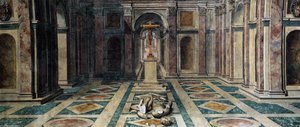
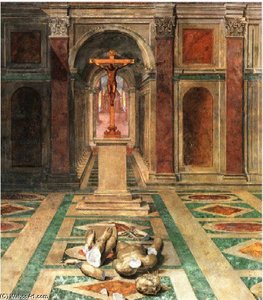
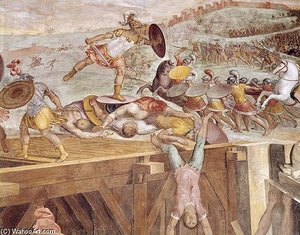
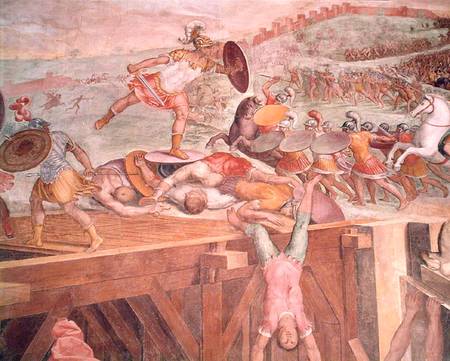
Horatius Cocles On The Sublician Bridge
 Read More
Giclée / Art Print
Museum-quality giclée or canvas print with fast production and flexible finish options. ( Buy Hand Made Painting Buy Image)




































Pick from our preset sizes that match the artwork's original proportions.

You may enter your own dimensions to fit a specific frame or space. If your selected size does not match the original image's proportions, we will either crop the artwork or extend the image with a mirrored or solid-fill edge. A digital mockup will be sent for your approval before production begins.
Please note that the on-screen preview does not reflect the actual cropping or extension. Only the mockup will accurately show the final composition.
While custom sizes are available, we recommend selecting a dimension from the predefined list to preserve the original proportions.
Worldwide Delivery () in 2 weeks instead of standard 4/5 weeks. (28 August)

Free Worldwide Express Shipping

High-Quality Linen Canvas

Full Shipping Insurance

Customs Tax Refund Guarantee

True Color Matching Guarantee

60-Day Return Policy (Defects Only)

100% Money-Back Guarantee

Bulk Discount Offer
 Glass option is only available in size under 110 CM

Horatius Cocles On The Sublician Bridge
Giclée / Art Print
Reproduction Size
-


Total Price
$ 63
Related Artworks
Artist Biography
A Sicilian Vision in Roman Splendor: The Life and Art of Tommaso Laureti
Tommaso Laureti, known as “Il Siciliano,” emerged from the vibrant artistic landscape of Palermo around 1530, a period brimming with Renaissance fervor. Though born into a family already touched by artistry, his formal training began under the aging master Sebastiano del Piombo in Rome. This early exposure to the High Renaissance aesthetic—the grandeur and emotional depth championed by artists like Michelangelo and Raphael—would profoundly shape Laureti’s developing style. However, del Piombo's death in 1547 left a young Laureti seeking new avenues for his burgeoning talent, leading him north to Bologna where he began to forge his own distinctive path. It was here, amidst the Bolognese artistic community, that he first demonstrated his remarkable skill with illusionistic perspective, introducing breathtaking ceiling paintings that seemed to dissolve the boundaries between reality and artifice.From Bologna to Papal Commissions: A Rising Star
Laureti’s innovative approach quickly garnered attention, establishing him as a significant figure in the regional art scene. His early Bolognese works, such as the Alexander the Great ceiling in Palazzo Vizzani, showcased not only his technical prowess but also a burgeoning talent for dynamic composition and narrative storytelling. However, it was a summons from Pope Gregory XIII in 1582 that truly propelled Laureti into the heart of artistic prominence. Rome beckoned, offering him the opportunity to contribute to the ambitious projects undertaken by the papacy in the wake of the Council of Trent. This marked a turning point in his career, as he transitioned from regional artist to papal favorite, tasked with creating monumental frescoes that would visually embody the Counter-Reformation’s ideals. He quickly became known for his ability to blend Michelangelo's muscular forms and dramatic intensity with an unparalleled mastery of perspective—a skill that allowed him to create illusions of depth and space that captivated viewers.The Sala di Costantino: A Triumph of Illusionism
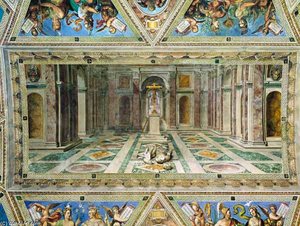
Laureti’s most celebrated achievement lies within the walls of the Sala di Costantino in the Vatican Palaces. Commissioned to complete the decoration of this grand hall, he embarked on a series of frescoes centered around the theme of “The Triumph of Christianity over Paganism.” This was no mere decorative undertaking; it was a powerful statement of faith and papal authority, intended to visually reinforce the Catholic Church’s dominance in the face of Protestant challenges. The central fresco, a dazzling display of allegorical figures representing the Italian provinces surrounding Christ's Cross triumphing over a shattered pagan idol, exemplifies Laureti’s signature style. His *quadro riportato* technique—the illusionistic imitation of tapestry or architectural elements—transformed the ceiling into a dynamic and immersive experience. The rigorous perspective employed wasn’t simply about creating visual depth; it was about drawing the viewer into the narrative, making them feel present at this symbolic victory. While the project extended over several years and involved contributions from other artists, Laureti's vision remained central to its overall impact.Influences, Style, and Lasting Legacy
Laureti’s artistic development was a fascinating synthesis of diverse influences. The foundational lessons learned under Sebastiano del Piombo instilled in him an appreciation for the High Renaissance masters, particularly Michelangelo. However, he wasn't merely imitative; he absorbed these influences and filtered them through his own unique sensibility. His work demonstrates a clear understanding of classical antiquity, evident in the sculptural forms and allegorical themes that populate his compositions. He also embraced the Mannerist emphasis on elegance and artifice, but tempered it with a growing interest in naturalism and emotional expression.- Key Characteristics: Illusionistic perspective, dynamic composition, Michelangelo-inspired figures, allegorical symbolism, *quadro riportato* technique.
- Major Works: Frescoes in the Sala di Costantino (Vatican Palaces), Death of Saint Susanna (Santa Susanna, Rome), Horatius Cocles frescoes (Palazzo dei Conservatori, Rome).
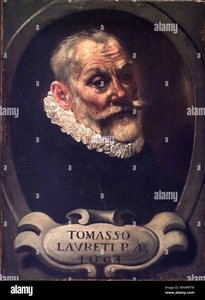
tommaso laureti siciliano
1530 - 1602 , Italy
Quick Facts
- Artistic Movement Or Style: Mannerism, Illusionistic perspective
- Artists Who Influenced This Artist:
- Sebastiano del Piombo
- Michelangelo
- Date Of Birth: 1530
- Date Of Death: 1602
- Full Name: Tommaso Laureti Siciliano
- Nationality: Italian
- Notable Artworks:
- Triumph of Christianity
- Horatius Cocles
- Death of Saint Susanna
- Place Of Birth: Palermo, Italy