 Preview
 Send
Send Share
Share
 Details

 Download
 Similars
 X-Ray
X-Ray Diaporama
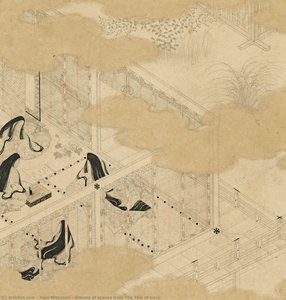
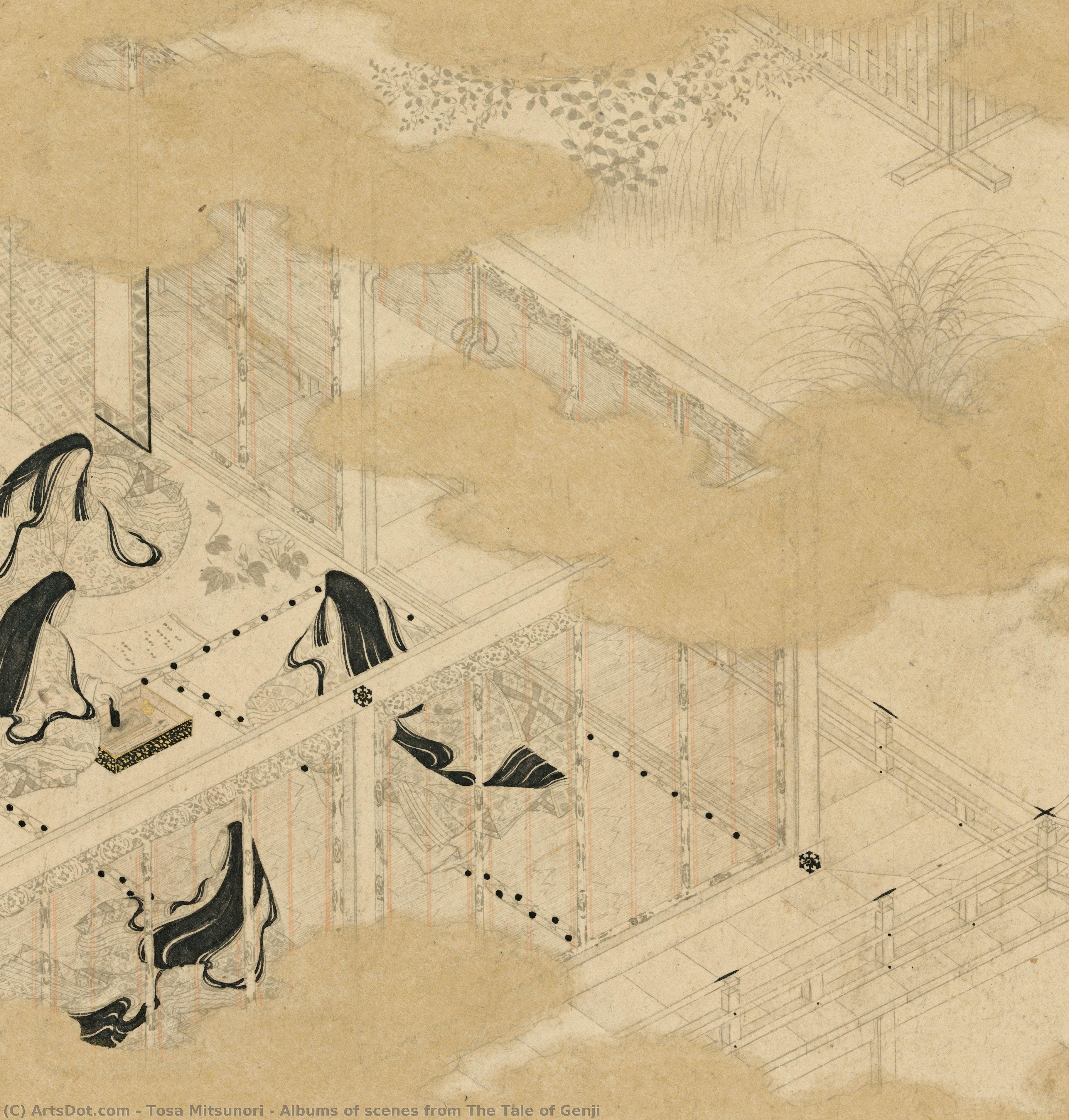
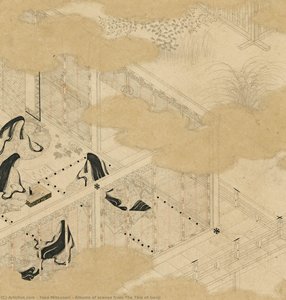
Albums of scenes from The Tale of Genji
 601
601 18.0cm x 16.0cm
 Read More
Giclée / Art Print
Museum-quality giclée or canvas print with fast production and flexible finish options. ( Buy Hand Made Painting Buy Image)




































Pick from our preset sizes that match the artwork's original proportions.

You may enter your own dimensions to fit a specific frame or space. If your selected size does not match the original image's proportions, we will either crop the artwork or extend the image with a mirrored or solid-fill edge. A digital mockup will be sent for your approval before production begins.
Please note that the on-screen preview does not reflect the actual cropping or extension. Only the mockup will accurately show the final composition.
While custom sizes are available, we recommend selecting a dimension from the predefined list to preserve the original proportions.
Worldwide Delivery () in 2 weeks instead of standard 4/5 weeks. (5 September)

Free Worldwide Express Shipping

High-Quality Linen Canvas

Full Shipping Insurance

Customs Tax Refund Guarantee

True Color Matching Guarantee

60-Day Return Policy (Defects Only)

100% Money-Back Guarantee

Bulk Discount Offer
 Glass option is only available in size under 110 CM

Albums of scenes from The Tale of Genji
Giclée / Art Print
Reproduction Size
-


Total Price
$ 63
Related Artworks

Artist Biography
The Legacy of the Tosa Lineage: The Life and Art of Tosa Mitsunori
In the vibrant transition between the Azuchi–Momoyama period and the dawn of the Edo era, few figures embodied the preservation of Japanese classical aesthetics as profoundly as Tosa Mitsunori. Born in 1583 in the prosperous merchant city of Sakai, Mitsunori was not merely an artist but a custodian of a sacred visual language. As the son of the celebrated Tosa Mitsuyoshi, he was born into a lineage of painters dedicated to the Yamato-e style—a tradition that prioritized the intrinsic beauty of Japanese landscapes, literature, and courtly life over the heavy Chinese influences that were then permeating much of the continent's art. His early years in Sakai provided him with a rigorous foundation in these ancestral techniques, allowing him to master the delicate balance of precise line work and rich, emotive color.
Mitsunori’s artistry was characterized by an exquisite devotion to detail and a profound sensitivity to the natural world. He possessed a singular ability to capture the fleeting essence of nature, often focusing on the intricate textures of chrysanthemum petals or the subtle, graceful movements of quail birds. His work frequently utilized gold leaf backgrounds and variegated paints, creating small-scale masterpieces that shimmered with a celestial light. This mastery was not merely decorative; it was an attempt to evoke the refined atmosphere of the imperial court. Even while residing in Sakai and painting primarily for the local townsmen, Mitsun ori maintained a connection to the highest echelons of Japanese culture, occasionally presenting painted fans to the Sentō Imperial Palace, a gesture that signaled his enduring commitment to the classical traditions of the aristocracy.
A Bridge Between Eras: Innovation within Tradition
While many view the Tosa school as a conservative bastion, Mitsunori’s career reveals a fascinating period of stylistic evolution. He was instrumental in the emergence of a new, miniaturized genre of painting known as hakubyō—a monochromatic ink-line technique. This approach allowed for a more intimate exploration of classical narratives, such as The Tale of Genji, by rendering complex scenes at a reduced scale with such intense detail that they demanded the viewer's most focused contemplation. Through these monochrome albums, Mitsunori breathed new life into ancient stories, proving that the essence of Japanese storytelling could be just as potent in black and white as it was in brilliant polychrome.
One of his most significant technical achievements lies in his ability to blend the old with the emerging. His later works, such as the Legend of the Taima Mandala, demonstrate a conservative yet virtuosic command of traditional iconography. This period of his life was marked by a deep sense of responsibility toward his artistic heritage, ensuring that the delicate brushwork and restrained color palettes—elements deeply rooted in Zen Buddhist philosophy—remained untainted by the more aggressive styles of contemporary schools like the Kano. His work served as the vital connective tissue between the flamboyant energy of the Momoyama period and the structured elegance of the Edo era.
The Foundation of a Dynasty
The historical significance of Tosa Mitsunori extends far beyond his individual canvases; he was the architect of a family renaissance. In 1634, as his eldest son, Tosa Mitsuoki, reached maturity, the family relocated from Sakai to the imperial capital of Kyoto. This move was a pivotal moment in Japanese art history, as it set the stage for Mitsuoki to eventually reclaim the prestigious position of court painter. Mitsunori’s influence provided the technical and philosophical bedrock upon which Mitsuoki would build, allowing his son to skillfully integrate Kano school influences into the Tosa tradition, thereby ensuring the school's relevance and survival in a changing political landscape.
Ultimately, Tosa Mitsunori stands as a guardian of the Japanese soul. Through his meticulous depictions of flora, fauna, and classical literature, he ensured that the delicate beauty of the Yamato-e tradition would not be lost to the tides of time. His life was a testament to the power of continuity, proving that true innovation often comes from a deep, respectful understanding of one's roots. The legacy of his brushwork continues to resonate in the study of Japanese classical art, reminding us of a period when every line and every speck of gold leaf was an act of devotion to the enduring beauty of Japan.
tosa mitsunori
1583 - 1638 , Japan
Quick Facts
- Artistic Movement Or Style: Tosa School Painting
- Artists Or Movements Influenced By This Artist: ['Kanō School']
- Artists Who Influenced This Artist: ['Li Anzhong']
- Date Of Birth: January 16, 1583
- Date Of Death: March 1, 1638
- Full Name: Tosa Mitsunori
- Nationality: Japanese
- Notable Artworks: ['Legend of the taima mandala']
- Place Of Birth: Sakai, Japan