

 Preview
 Send
Send Share
Share
 Details

 Download
 Similars
 X-Ray
X-Ray Diaporama
 Stats
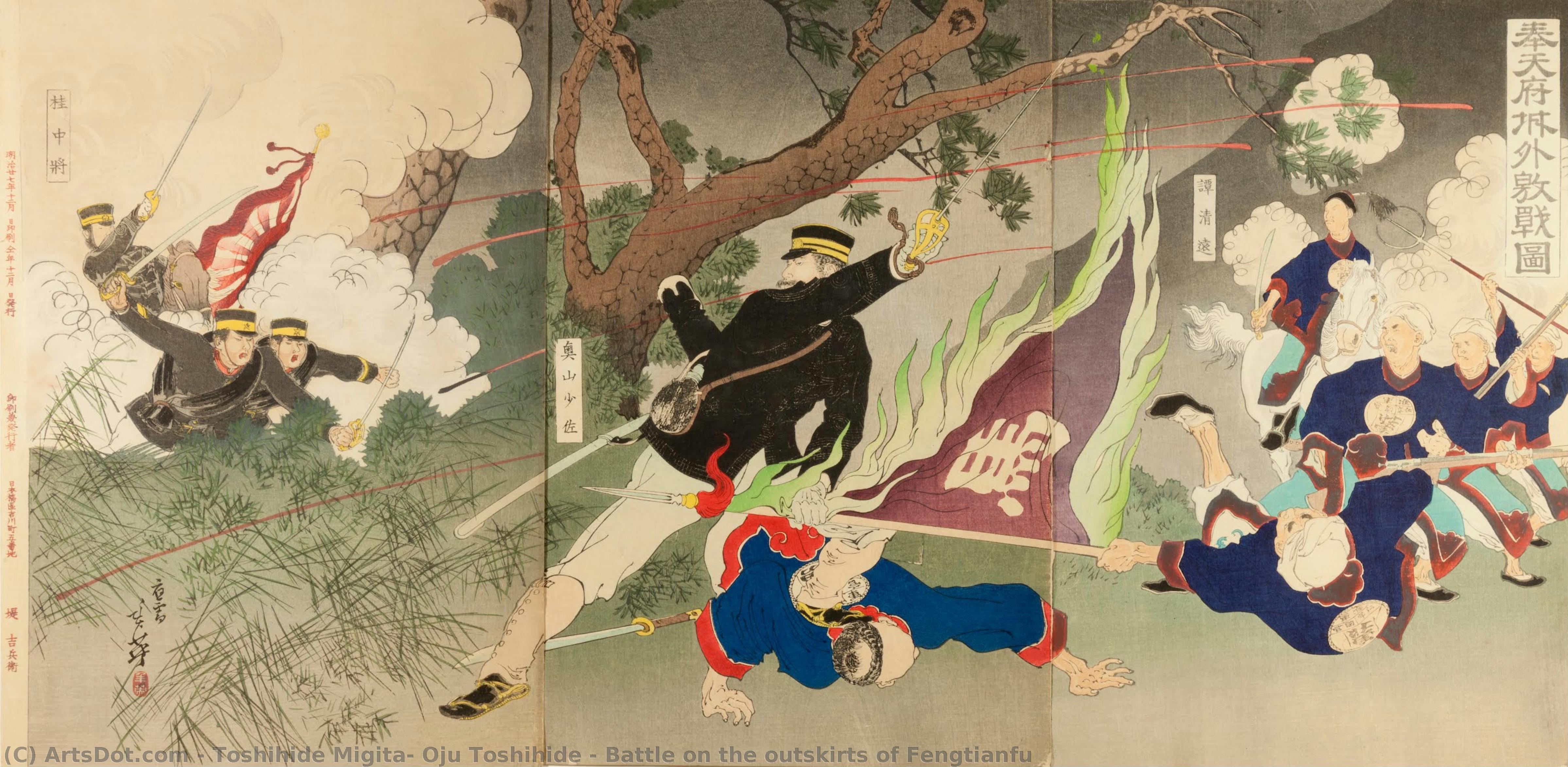
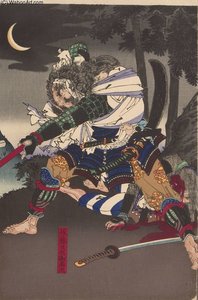
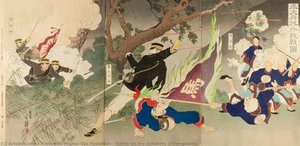
StatsBattle on the outskirts of Fengtianfu


 Read More
Purchase a high-resolution, enhanced digital image, far superior to the online preview.
Each file is meticulously prepared by our in-house specialists using advanced tools and expert manual retouching. We ensure every image has exceptional clarity, precise color accuracy, and fine detail.
The final file is delivered via email within 72 hours, optimized for immediate use in professional, editorial, and print environments. This is the same quality trusted by top-tier design studios, publishers, and galleries.
Digital Image
Download a high-resolution file for personal display, printing, and creative projects. ( Switch to Print Buy Hand Made Painting)
Included in Every Digital Image Order
Expert Digital Delivery, Guaranteed
When you choose ArtsDot.com, you're not just getting an image - you're receiving a professionally enhanced digital artwork, crafted with precision and backed by a satisfaction guarantee. Here's everything that comes with your order, automatically:

Fast Email Delivery
Your high-resolution digital image file will be emailed to you within 72 hours of ordering - ready for immediate use.

AI-Enhanced Digital File
Your artwork is professionally optimized using advanced AI tools and manual editing, ensuring maximum detail, clarity, and color accuracy.

Free Lifetime Re-Delivery
Accidentally deleted or lost your file? No worries - we'll resend it to you anytime, free of charge.

No Import Fees - Ever
Enjoy your artwork instantly with zero customs, duties, or delivery fees - digital downloads are always tax-free.

Color Accuracy Guarantee
We ensure your digital image reflects the original colors as closely as possible using professional tools and color management.

100-Day Satisfaction Guarantee
If you're not satisfied with your digital image, we'll revise it or refund 100% within 100 days - no questions asked.

100% Money-Back Guarantee
Not satisfied? Get a full refund within 100 days of receiving your digital file - no questions asked.

Bulk Order Discounts
Buy 3 images, save 10% - Buy 5, save 15% - Buy 10+, save 20%. Great for creative projects, galleries, and agencies.
Related Artworks
Artist Biography
Toshihide Migita: Bridging Tradition and Innovation in Japanese Art
Toshihide Migita (右田 年英, *Migita Toshihide*; 1862 – 1925), often referred to as Oju Toshihide, stands as a pivotal figure in late Edo and early Meiji Japan’s artistic landscape. His career exemplifies the fascinating tension between preserving established artistic conventions—particularly ukiyo-e—and embracing new Western techniques and aesthetics, ultimately shaping the visual culture of his era. Born into a family steeped in artistic heritage, Migita's formative years were spent under the tutelage of luminaries like Tsukioka Yoshitoshi and Kinisawa Shimburō, who had themselves gained experience studying abroad, primarily in Britain. This exposure proved instrumental in propelling him toward a synthesis of Eastern and Western artistic sensibilities.- Early Influences & Apprenticeship:
- Yoshitoshi’s Legacy: Mastering Ukiyo-e Technique
- Western Training & Impressionistic Explorations
- The Rise of Yakusha-e: Capturing Kabuki Actors
- War Prints and Historical Documentation: Witnessing Pivotal Conflicts
toshihide migita, oju toshihide
1862 - 1925 , Japan
Quick Facts
- Artistic Movement Or Style: Ukiyo-e & Western Style
- Artists Or Movements Influenced By This Artist: ['Western Art']
- Artists Who Influenced This Artist:
- Tsukioka Yoshitoshi
- Kinisawa Shimburō
- Date Of Death: 1925
- Full Name: Toshihide Migita
- Nationality: Japanese
- Notable Artworks:
- Yakusha-e Portraits
- Senso-e Triptych
- Place Of Birth: Japan