 Preview
 Send
Send Share
Share
 Details

 Download
 Similars
 X-Ray
X-Ray Diaporama
 Stats
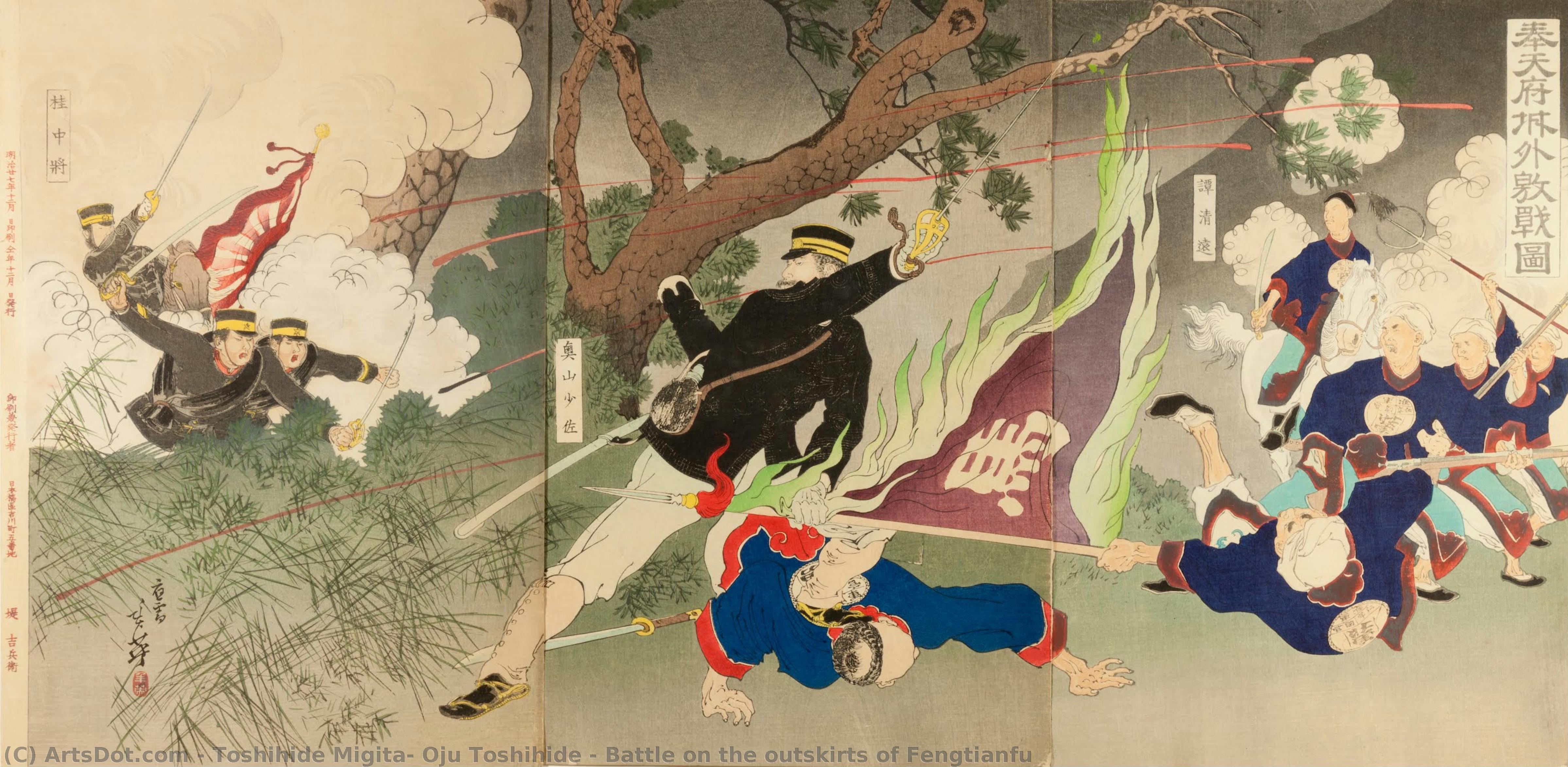
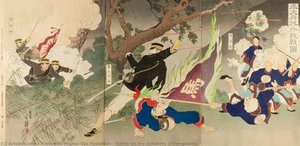
StatsBattle on the outskirts of Fengtianfu


 Read More
Hand Made Oil Reproduction
Hand-painted oil on canvas in your size and frame, made to order by our artists. ( Switch to Print Switch to Digital Image)




































Pick from our preset sizes that match the artwork's original proportions.

You may enter your own dimensions to fit a specific frame or space. If your selected size does not match the original image's proportions, we will either crop the artwork or extend the painting with additional hand-painted elements. A digital mockup will be sent for your approval before production begins.
Please note that the on-screen preview does not reflect the actual cropping or extension. Only the mockup will accurately show the final composition.
While custom sizes are available, we recommend selecting a dimension from the predefined list to preserve the original proportions.
After order, ArtsDot.com team will email client for instructions and provide a mockup preview
Worldwide Delivery () in 3/4 weeks instead of standard 5 weeks. (9 September). No compromise on quality.

Free Worldwide Express Shipping

High-Quality Linen Canvas

Full Shipping Insurance

Customs Tax Refund Guarantee

True Color Matching Guarantee

100-Day Return Policy (Defects Only)

100% Money-Back Guarantee

Bulk Discount Offer
 Glass option is only available in size under 110 CM

Battle on the outskirts of Fengtianfu
Reproduction Medium
Reproduction Size
-


Total Price
$ 313
Related Artworks
Artist Biography
Toshihide Migita: Bridging Tradition and Innovation in Japanese Art
Toshihide Migita (右田 年英, *Migita Toshihide*; 1862 – 1925), often referred to as Oju Toshihide, stands as a pivotal figure in late Edo and early Meiji Japan’s artistic landscape. His career exemplifies the fascinating tension between preserving established artistic conventions—particularly ukiyo-e—and embracing new Western techniques and aesthetics, ultimately shaping the visual culture of his era. Born into a family steeped in artistic heritage, Migita's formative years were spent under the tutelage of luminaries like Tsukioka Yoshitoshi and Kinisawa Shimburō, who had themselves gained experience studying abroad, primarily in Britain. This exposure proved instrumental in propelling him toward a synthesis of Eastern and Western artistic sensibilities.- Early Influences & Apprenticeship:
- Yoshitoshi’s Legacy: Mastering Ukiyo-e Technique
- Western Training & Impressionistic Explorations
- The Rise of Yakusha-e: Capturing Kabuki Actors
- War Prints and Historical Documentation: Witnessing Pivotal Conflicts
toshihide migita, oju toshihide
1862 - 1925 , Japan
Quick Facts
- Artistic Movement Or Style: Ukiyo-e & Western Style
- Artists Or Movements Influenced By This Artist: ['Western Art']
- Artists Who Influenced This Artist:
- Tsukioka Yoshitoshi
- Kinisawa Shimburō
- Date Of Death: 1925
- Full Name: Toshihide Migita
- Nationality: Japanese
- Notable Artworks:
- Yakusha-e Portraits
- Senso-e Triptych
- Place Of Birth: Japan
Related Articles
Ukiyo-e: Exploring Japan's Floating World & Enduring Artistic Legacy
Explore the captivating world of Ukiyo-e – Japan's iconic woodblock prints! Discover masters like Hokusai & Hiroshige, learn about Edo period culture, and find expert art collecting guidance at ArtsDot.

Hokusai's Masterpieces: 25 Iconic Prints & Paintings for Art Lovers | ArtsDot
Journey through Katsushika Hokusai’s 25 most iconic artworks, including *The Great Wave*. Explore the ukiyo-e master's history, style & timeless Japanese woodblock prints. Find museum-quality reproductions for your home at ArtsDot.com.
The Enduring Legacy of Woodblock Printmaking: Technique, History & Artistic Expression
Explore the rich history of woodblock printmaking – from ancient techniques to Ukiyo-e masterpieces. Discover expert insights on collecting, preserving & appreciating this enduring art form.
Tsukioka Yoshitoshi: A Master of Ukiyo-e's Final Flourish – Narrative, Innovation, and the Meiji Transition
Explore the life & art of Tsukioka Yoshitoshi, the last great master of ukiyo-e woodblock printing. Discover his dramatic warrior prints, innovative series like 'One Hundred Aspects of the Moon,' and legacy reflecting Japan's Meiji transition.

Floating World: The Captivating Art and Legacy of Japanese Ukiyo-e
Explore the profound beauty of Japanese Ukiyo-e. Discover the history, masters like Hokusai, and the enduring legacy of the 'Floating World' through an expert art-historical lens.