

 Preview
 Send
Send Share
Share
 Details

 Download
 Similars
 X-Ray
X-Ray Diaporama
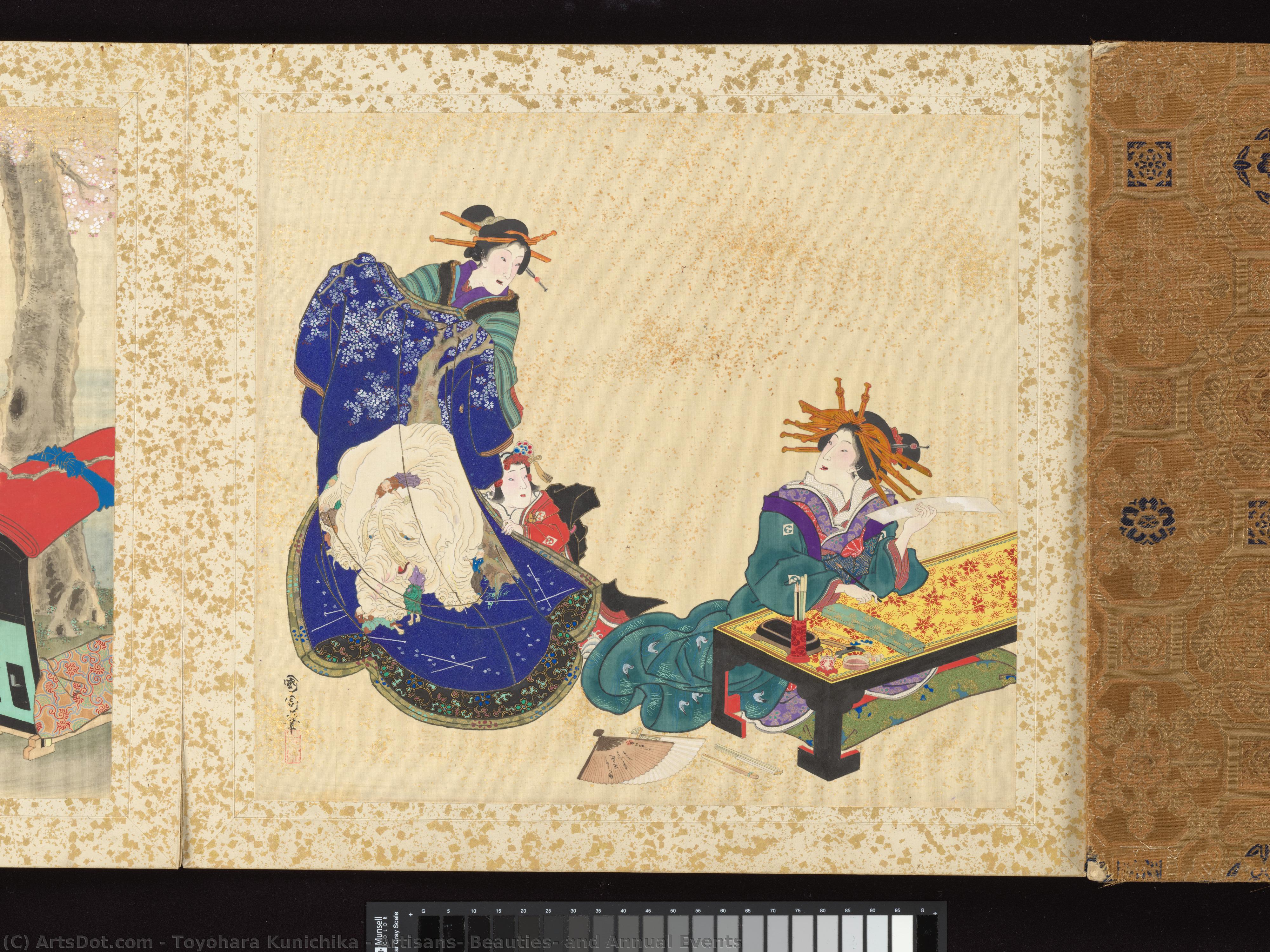
Artisans, Beauties, and Annual Events
 Woodblock Print
- Ukiyo-e
 1874
1874- 19th Century
 30.0 x 33.0 cm
 Read More
Purchase a high-resolution, enhanced digital image, far superior to the online preview.
Each file is meticulously prepared by our in-house specialists using advanced tools and expert manual retouching. We ensure every image has exceptional clarity, precise color accuracy, and fine detail.
The final file is delivered via email within 72 hours, optimized for immediate use in professional, editorial, and print environments. This is the same quality trusted by top-tier design studios, publishers, and galleries.
Digital Image
Download a high-resolution file for personal display, printing, and creative projects. ( Buy Print Buy Hand Made Painting)
Included in Every Digital Image Order
Expert Digital Delivery, Guaranteed
When you choose ArtsDot.com, you're not just getting an image - you're receiving a professionally enhanced digital artwork, crafted with precision and backed by a satisfaction guarantee. Here's everything that comes with your order, automatically:

Fast Email Delivery
Your high-resolution digital image file will be emailed to you within 72 hours of ordering - ready for immediate use.

AI-Enhanced Digital File
Your artwork is professionally optimized using advanced AI tools and manual editing, ensuring maximum detail, clarity, and color accuracy.

Free Lifetime Re-Delivery
Accidentally deleted or lost your file? No worries - we'll resend it to you anytime, free of charge.

No Import Fees - Ever
Enjoy your artwork instantly with zero customs, duties, or delivery fees - digital downloads are always tax-free.

Color Accuracy Guarantee
We ensure your digital image reflects the original colors as closely as possible using professional tools and color management.

60-Day Satisfaction Guarantee
If you're not satisfied with your digital image, we'll revise it or refund 100% within 60 days - no questions asked.

100% Money-Back Guarantee
Not satisfied? Get a full refund within 60 days of receiving your digital file - no questions asked.

Bulk Order Discounts
Buy 3 images, save 10% - Buy 5, save 15% - Buy 10+, save 20%. Great for creative projects, galleries, and agencies.
Collectible Description
A Window into Meiji Japan
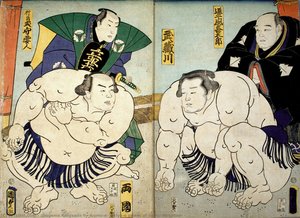
In the delicate brushstrokes of Toyohara Kunichika’s 1874 masterpiece, Artisans, Beauties, and Annual Events, we find a poignant frozen moment from one of the most transformative eras in human history. As Japan stood on the precipice of the Meiji Restoration, caught between the ancient traditions of the Edo period and the encroaching tides of Western modernization, Kunichika acted as a visual chronicler of a vanishing world. This particular work serves as an intimate window into the social fabric of the time, capturing a quiet, communal gathering that feels both deeply personal and historically monumental. The scene invites the viewer to sit at the table alongside these figures, sharing in a moment of respite that transcends the decades separating us from their reality.
The composition centers on a trio of individuals, their presence anchored by the vibrant interplay of color and texture characteristic of late ukiyo-e tradition. Dressed in the exquisite layers of traditional Asian attire, the figures are draped in rich hues of crimson, deep black, and serene indigo. The way the light seems to catch the folds of their garments suggests a mastery of depth and form, drawing the eye toward the center of the table where food is laid out—a symbol of sustenance, hospitality, and the shared joys of life. There is a profound sense of equilibrium in the arrangement; the placement of the bowl, the delicate spoon, and even the subtle presence of a clock on the wall creates a narrative tension between the timelessness of the ritual and the ticking march of progress.
The Artistry of Transition
Technically, this piece exemplifies Kunichika’s ability to bridge two worlds. As a student of the legendary Utagawa Kunisada, he inherited a lineage of precision, yet his work during the Meiji period began to pulse with a new, more dynamic energy. The use of color in this painting is not merely decorative; it is emotive. The bold reds and blacks evoke the passion and vitality of Japanese social life, while the softer blues provide a grounding, tranquil counterpoint. For the discerning collector or interior designer, this work offers a sophisticated palette that can anchor a room with both warmth and historical gravity. It possesses that rare quality of being visually striking from a distance, yet revealing intricate, soulful details upon closer inspection.
Beyond its aesthetic brilliance, the painting carries a heavy symbolic weight. The gathering itself represents the resilience of culture; even as the world outside changed through industrialization, these fundamental human connections—eating together, celebrating seasonal shifts, and honoring craftsmanship—remained the heartbeat of the nation. To possess a reproduction of this work is to hold a piece of cultural memory. It is an invitation to contemplate the beauty of tradition and the inevitable flow of time, making it an evocative centerpiece for any space dedicated to reflection, heritage, and the enduring power of fine art.
Related Artworks
![[mitate] Actors In The Evening, Returning To The Dressing Room — Toyohara Kunichika, Ukiyo-e](/media/artworks/images-thumb/e3/f8/e3f80dd3372e57f69ae58e37c73e0518.jpg)
Artist Biography
early life and training
toyohara kunichika, a renowned japanese woodblock print artist, was born on june 30, 1835. recognized for his exceptional talent at a young age, he became a student of utagawa kunisada, tokyo's leading print maker, at the age of thirteen.artistic style and themes
kunichika's deep understanding of kabuki drama led to his primary production of yakusha-e, woodblock prints of kabuki actors and scenes from popular plays. additionally, he portrayed women deemed beautiful (bijinga), contemporary social life, and a few landscapes and historical scenes.- notable works:
- the actor's portrait (1880) - a fine example of kunichika's yakusha-e style.
- beautiful woman in a brocade robe (1890) - showcase of his bijinga art.
career and legacy
kunichika successfully worked during the edo period, carrying those traditions into the meiji period. his contemporaries and modern art historians view this as a significant achievement during a transitional period of great social and political change in japan's history.- key contributions:
- preservation of traditional japanese print-making techniques.
- influence on the development of modern japanese art.
resources
for more information on toyohara kunichika and his works, visit:- toyohara kunichika's profile on ArtsDot.com
- the kanō school style art movement - understand the context of japanese art during kunichika's time.
- shūsei's profile - explore another influential japanese artist from a different period.
conclusion
toyohara kunichika remains an important figure in the history of japanese art, particularly in the realm of woodblock prints. his dedication to preserving traditional techniques while adapting to changing social and political landscapes has left a lasting impact on modern japanese art.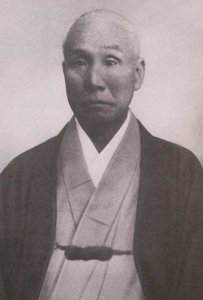
Toyohara Kunichika
1835 - 1900 , Japan
Quick Facts
- Artistic Movement Or Style: Ukiyo-e (Yakusha-e, Bijinga)
- Artists Or Movements Influenced By This Artist: ['Meiji Ukiyo-e']
- Artists Who Influenced This Artist:
- Utagawa Kunisada
- Toyohara Chikanobu
- Date Of Birth: June 30, 1835
- Date Of Death: 1900
- Full Name: Toyohara Kunichika
- Nationality: Japanese
- Notable Artworks:
- The Actor's Portrait
- Beautiful Woman in a Brocade Robe
- Place Of Birth: Tokyo, Japan

