

 Preview
 Send
Send Share
Share
 Details

 Download
 Similars
 X-Ray
X-Ray Diaporama
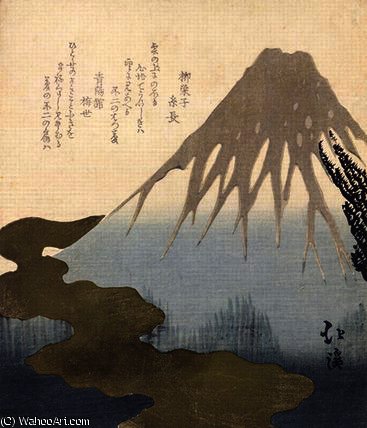
Mount Fuji Under the Snow
 Read More
Purchase a high-resolution, enhanced digital image, far superior to the online preview.
Each file is meticulously prepared by our in-house specialists using advanced tools and expert manual retouching. We ensure every image has exceptional clarity, precise color accuracy, and fine detail.
The final file is delivered via email within 72 hours, optimized for immediate use in professional, editorial, and print environments. This is the same quality trusted by top-tier design studios, publishers, and galleries.
Digital Image
Download a high-resolution file for personal display, printing, and creative projects. ( Buy Print Buy Hand Made Painting)
Included in Every Digital Image Order
Expert Digital Delivery, Guaranteed
When you choose ArtsDot.com, you're not just getting an image - you're receiving a professionally enhanced digital artwork, crafted with precision and backed by a satisfaction guarantee. Here's everything that comes with your order, automatically:

Fast Email Delivery
Your high-resolution digital image file will be emailed to you within 72 hours of ordering - ready for immediate use.

AI-Enhanced Digital File
Your artwork is professionally optimized using advanced AI tools and manual editing, ensuring maximum detail, clarity, and color accuracy.

Free Lifetime Re-Delivery
Accidentally deleted or lost your file? No worries - we'll resend it to you anytime, free of charge.

No Import Fees - Ever
Enjoy your artwork instantly with zero customs, duties, or delivery fees - digital downloads are always tax-free.

Color Accuracy Guarantee
We ensure your digital image reflects the original colors as closely as possible using professional tools and color management.

60-Day Satisfaction Guarantee
If you're not satisfied with your digital image, we'll revise it or refund 100% within 60 days - no questions asked.

100% Money-Back Guarantee
Not satisfied? Get a full refund within 60 days of receiving your digital file - no questions asked.

Bulk Order Discounts
Buy 3 images, save 10% - Buy 5, save 15% - Buy 10+, save 20%. Great for creative projects, galleries, and agencies.
Related Artworks

Artist Biography
A Quiet Master of Ukiyo-e: The Life and Art of Toyota Hokkei
Born in Edo (modern Tokyo) in 1780, Toyota Hokkei emerged as a significant, though often understated, figure within the vibrant world of *ukiyo-e*, the “pictures of the floating world.” Unlike some of his more flamboyant contemporaries, Hokkei cultivated a style characterized by serene beauty and meticulous detail. His life, while not extensively documented, reflects a dedication to artistic practice and a deep appreciation for classical Japanese literature and poetry – influences that would profoundly shape his oeuvre. He wasn’t born into privilege or an established art lineage; rather, he began his career as a clerk, diligently pursuing his passion for painting in his spare time. This self-directed path allowed him the freedom to develop a unique aesthetic, unburdened by strict adherence to prevailing trends. Hokkei's early work shows the influence of Kanenobu, but he quickly moved beyond imitation, forging his own distinctive voice within the landscape and genre scenes so popular during the Edo period. He was a late bloomer, gaining recognition later in life, yet leaving behind a legacy of delicate and evocative works that continue to captivate audiences today.The Tale of Genji and Hokkei’s Artistic Focus
While Hokkei produced a variety of *ukiyo-e* subjects – including landscapes, bird-and-flower paintings, and scenes from daily life – he is perhaps best known for his illustrations of Murasaki Shikibu's monumental novel, *The Tale of Genji*. This ambitious project, undertaken in the 1840s, represents a culmination of his artistic sensibilities. The *Tale of Genji*, considered one of the greatest works of Japanese literature, depicts the complex lives and romantic entanglements within the Heian court. Hokkei’s renderings are not merely illustrations; they are interpretations imbued with a profound understanding of the novel's emotional nuances and aesthetic principles. His scenes eschew dramatic action in favor of quiet contemplation, focusing on the subtle gestures, refined interiors, and evocative landscapes that define the world of Genji. He masterfully captured the elegance and melancholy inherent in the story, translating the literary beauty into visual form. The series demonstrates his exceptional skill in depicting interior spaces, clothing, and the delicate emotions of his subjects.Technique and Style: A Refined Approach to Woodblock Printing
Hokkei’s technical prowess was remarkable. He wasn't a prolific printmaker like Hokusai or Hiroshige; instead, he often collaborated with skilled block carvers and printers, focusing on the design itself. His style is characterized by refined linework, subtle color palettes, and an emphasis on atmospheric perspective. Unlike some *ukiyo-e* artists who favored bold compositions and striking contrasts, Hokkei opted for a more restrained approach. He employed delicate gradations of color to create a sense of depth and mood, often using muted tones that evoke a feeling of nostalgia and tranquility. His landscapes are particularly noteworthy for their realistic depiction of natural forms – the gentle curves of hillsides, the shimmering surface of water, the intricate patterns of foliage. He was meticulous in his attention to detail, ensuring that every element within his compositions contributed to the overall harmony and aesthetic effect. He favored a *surimono* style, which allowed for greater artistic freedom and experimentation with color and texture.Influences and Legacy
While Hokkei’s work stands apart in its quiet elegance, it wasn't created in isolation. He was undoubtedly influenced by earlier masters of *ukiyo-e*, particularly Kanenobu and the traditions of Edo period painting. However, his deep engagement with classical literature – especially *The Tale of Genji* – set him on a unique artistic path. His work also reflects an appreciation for Chinese landscape painting, evident in his use of atmospheric perspective and subtle color washes.- Hokkei’s influence can be seen in the works of later artists who sought to capture the beauty of classical Japanese literature.
- His emphasis on refined detail and emotional nuance paved the way for a more introspective approach to *ukiyo-e*.
- Although not as widely recognized during his lifetime, Hokkei’s work has gained increasing appreciation in recent decades.
Historical Significance and Modern Appreciation
Toyota Hokkei passed away in 1850, leaving behind a body of work that offers a unique window into the artistic sensibilities of Edo period Japan. While he may not have achieved the same level of fame as some of his contemporaries, his contributions to *ukiyo-e* are significant. His illustrations of *The Tale of Genji* represent a masterful fusion of literature and art, demonstrating his exceptional skill in translating complex narratives into visual form. Today, Hokkei’s paintings are highly sought after by collectors and scholars alike. They provide valuable insights into the cultural values and aesthetic preferences of 19th-century Japan, and continue to inspire artists and audiences with their serene beauty and meticulous detail. His work serves as a reminder that artistic greatness doesn't always require bold innovation; sometimes, it lies in the quiet mastery of established traditions and a deep appreciation for the enduring power of human emotion.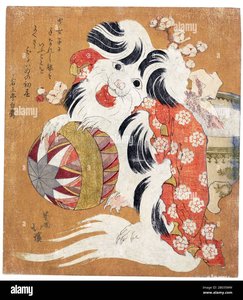
toyota hokkei
1780 - 1850 , Japan

