 Preview
 Send
Send Share
Share
 Details

 Download
 Similars
 X-Ray
X-Ray Diaporama
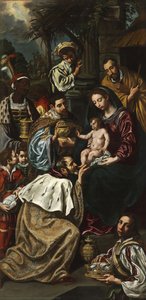
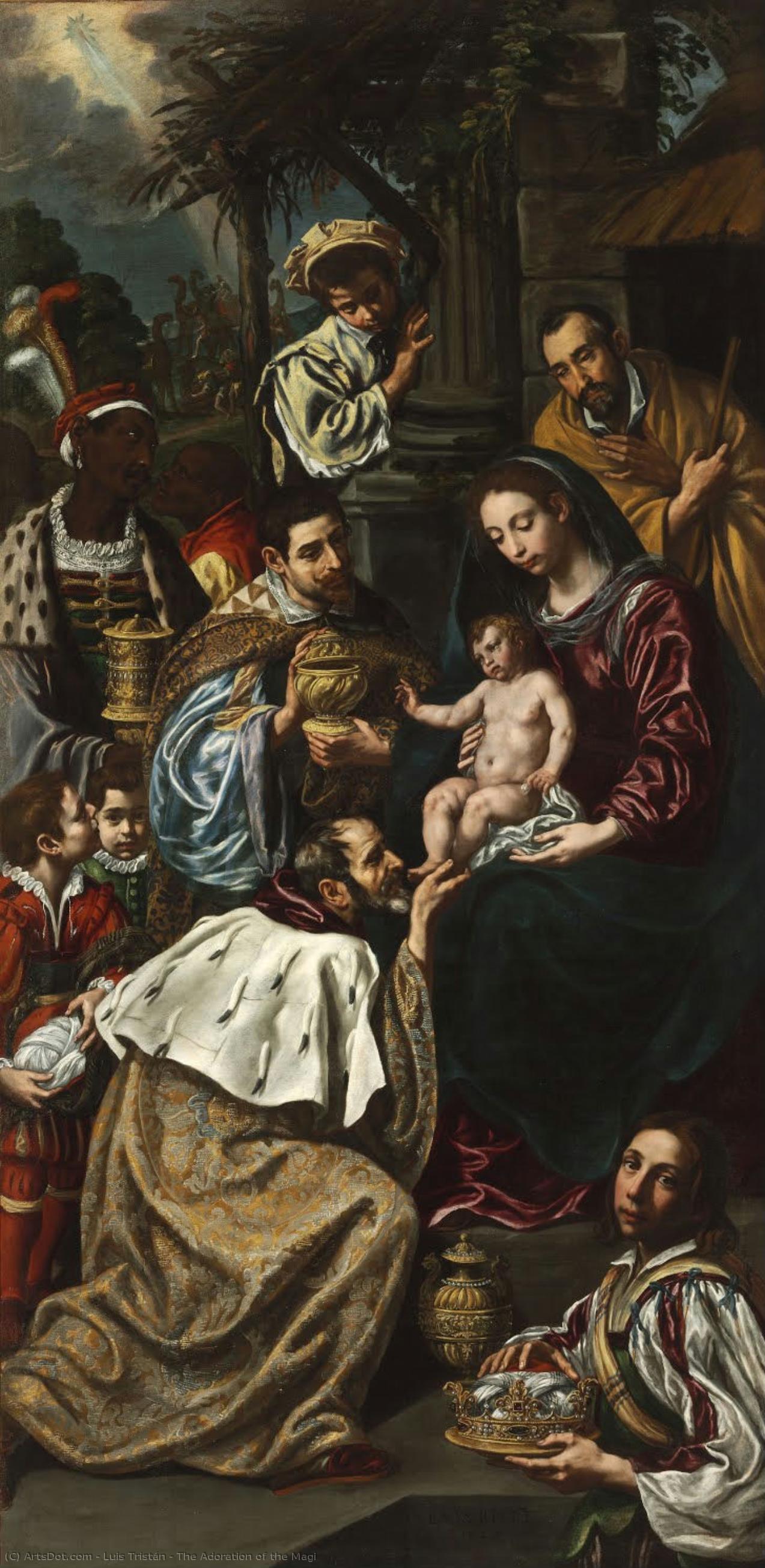
The Adoration of the Magi
 1620
1620 232.0 x 115.0 cm
 Museum of Fine Arts
 Read More
Hand Made Oil Reproduction
Hand-painted oil on canvas in your size and frame, made to order by our artists. ( Buy Print Buy Image)




































Pick from our preset sizes that match the artwork's original proportions.

You may enter your own dimensions to fit a specific frame or space. If your selected size does not match the original image's proportions, we will either crop the artwork or extend the painting with additional hand-painted elements. A digital mockup will be sent for your approval before production begins.
Please note that the on-screen preview does not reflect the actual cropping or extension. Only the mockup will accurately show the final composition.
While custom sizes are available, we recommend selecting a dimension from the predefined list to preserve the original proportions.
After order, ArtsDot.com team will email client for instructions and provide a mockup preview
Worldwide Delivery () in 3/4 weeks instead of standard 5 weeks. (30 August). No compromise on quality.

Free Worldwide Express Shipping

High-Quality Linen Canvas

Full Shipping Insurance

Customs Tax Refund Guarantee

True Color Matching Guarantee

60-Day Return Policy (Defects Only)

100% Money-Back Guarantee

Bulk Discount Offer
 Glass option is only available in size under 110 CM

The Adoration of the Magi
Reproduction Medium
Reproduction Size
-


Total Price
$ 413
Related Artworks





Artist Biography
Luis Tristán de Escamilla: Bridging Mannerism and Baroque in Toledo
Luis Tristán de Escamilla (c. 1585 – 1624) stands as a pivotal figure in the artistic landscape of 17th-century Spain, particularly within the vibrant city of Toledo. Born into a family of merchants and artisans, his early life laid the groundwork for a career deeply intertwined with the legacy of El Greco, while simultaneously forging a distinct artistic identity. Tristán’s journey began as an apprentice to the master himself in 1603, a period during which he meticulously studied and imitated El Greco's distinctive style – elongated figures, dramatic lighting, and a profound sense of spiritual intensity. This initial phase is characterized by a near-perfect replication of his teacher’s techniques, leading to instances where works were initially attributed to El Greco himself. However, Tristán quickly evolved beyond mere imitation, demonstrating an innate talent that would ultimately establish him as a significant artist in his own right.The Shadow of El Greco and the Italian Influence
Following El Greco’s death in 1614, Tristán assumed the mantle of his principal follower, inheriting not only his workshop but also the considerable expectations surrounding his artistic output. This period saw him embark on a crucial journey to Italy around 1613, an experience that profoundly shaped his evolving style. The vibrant colors, dynamic compositions, and naturalistic tendencies prevalent in Italian painting – particularly those of Caravaggio – exerted a powerful influence on Tristán’s work. He absorbed the Caravaggisti's emphasis on tenebrism (the dramatic contrast between light and dark), incorporating it into his own paintings to create a heightened sense of drama and emotional impact. This exposure marked a deliberate shift away from the purely Mannerist aesthetic he initially embraced, laying the foundation for a more Baroque approach.A Synthesis of Styles: Religious Scenes and Daily Life
Tristán’s artistic output is overwhelmingly focused on religious subjects, reflecting the prevailing demands of the Counter-Reformation era in Spain. However, unlike many of his contemporaries, he didn't simply replicate established iconography; instead, he infused his paintings with a subtle yet significant realism. He introduced elements from everyday life – humble figures, domestic settings, and glimpses of ordinary activities – into scenes depicting biblical narratives and saints’ lives. This innovative approach, coupled with his masterful use of light and shadow, created a compelling tension between the spiritual and the tangible, making his works both emotionally resonant and visually engaging. Notable examples include “Saint Louis Distributing Alms,” currently housed in the Louvre, which showcases this skillful blend of religious subject matter and realistic detail. The "Round of Bread and Eggs" at the Museum of Santa Cruz further exemplifies this characteristic.Key Works and Artistic Achievements
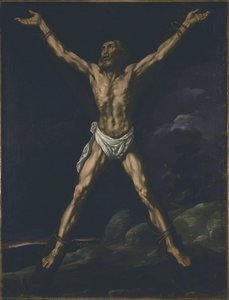
Tristán’s most significant contribution to art history lies in his monumental altarpiece for the church of Saint Benedict of Nursia in Yepes (circa 1616). This ambitious project, comprising six scenes from the life of Jesus and eight half-figures of various saints, stands as a testament to his artistic skill and ambition. The intricate details, dynamic compositions, and emotional depth of these paintings demonstrate Tristán’s mastery of technique and his ability to convey complex theological narratives through visual imagery. Other notable works include “The Martyrdom of Saint Andrew,” a powerful depiction of religious suffering, and the "Last Supper," which showcases his evolving style. His legacy is also reflected in the work of his student, Pedro de Camprobín, who continued to develop Tristán’s naturalistic approach.Legacy and Historical Significance
Luis Tristán de Escamilla's artistic career was tragically cut short by his death in 1624 at the relatively young age of thirty-nine. Despite his brief life, he left an indelible mark on Spanish painting, bridging the gap between Mannerism and Baroque styles. His work served as a crucial link between El Greco’s legacy and the emerging artistic trends of the era. His influence can be seen in the works of subsequent generations of painters, particularly those who embraced Caravaggisti techniques. Tristán's paintings continue to be exhibited and studied today, offering valuable insights into the cultural and religious context of 17th-century Spain and solidifying his position as one of the most important artists of his time. His story is a testament to the power of apprenticeship, the influence of artistic mentors, and the enduring legacy of a truly gifted painter.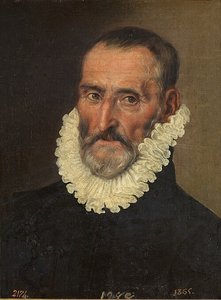
tristán de escamilla, luis
1585 - 1624 , Spain
Quick Facts
- Artistic Movement Or Style: Mannerism, Caravaggisti influence
- Artists Or Movements Influenced By This Artist: Pedro de Camprobín
- Artists Who Influenced This Artist: El Greco
- Date Of Birth: 1585
- Date Of Death: 1624
- Full Name: Luis Tristán de Escamilla
- Nationality: Spanish
- Notable Artworks:
- Saint Louis Distributing Alms
- The Round of Bread and Eggs
- Martyrdom of St. Andrew
- Life of Jesus scenes
- Place Of Birth: Toledo, Spain