 Send
Send Share
Share
 Details

 Download
 Similars
 Diaporama
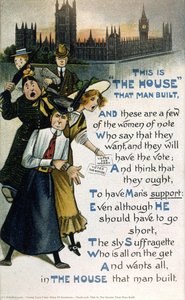
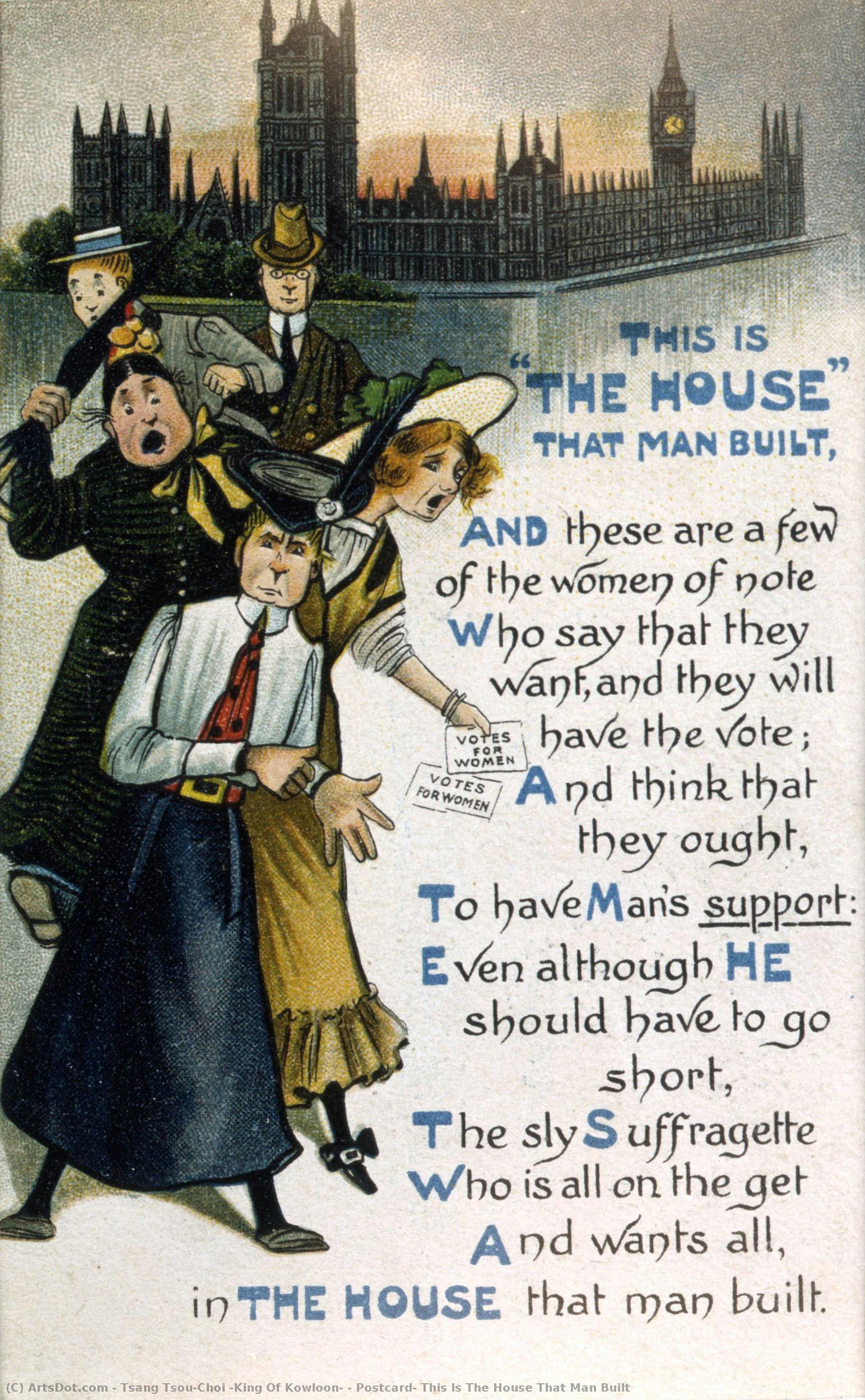
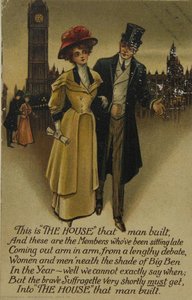
Postcard, This Is The House That Man Built


 Read More
Giclée / Art Print
Museum-quality giclée or canvas print with fast production and flexible finish options. ( Buy Hand Made Painting Buy Image)




































Pick from our preset sizes that match the artwork's original proportions.

You may enter your own dimensions to fit a specific frame or space. If your selected size does not match the original image's proportions, we will either crop the artwork or extend the image with a mirrored or solid-fill edge. A digital mockup will be sent for your approval before production begins.
Please note that the on-screen preview does not reflect the actual cropping or extension. Only the mockup will accurately show the final composition.
While custom sizes are available, we recommend selecting a dimension from the predefined list to preserve the original proportions.
Worldwide Delivery () in 2 weeks instead of standard 4/5 weeks. (27 August)

Free Worldwide Express Shipping

High-Quality Linen Canvas

Full Shipping Insurance

Customs Tax Refund Guarantee

True Color Matching Guarantee

60-Day Return Policy (Defects Only)

100% Money-Back Guarantee

Bulk Discount Offer
 Glass option is only available in size under 110 CM

Postcard, This Is The House That Man Built
Giclée / Art Print
Reproduction Size
-


Total Price
$ 63
Collectible Description
A Glimpse into Hong Kong's Soul: Tsang Tsou-Choi’s "Postcard, This Is The House That Man Built"
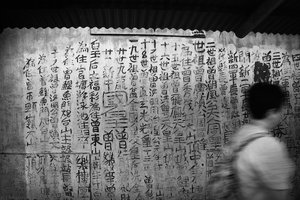
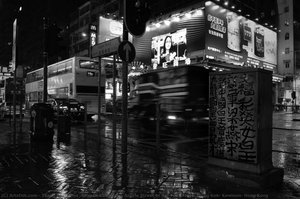
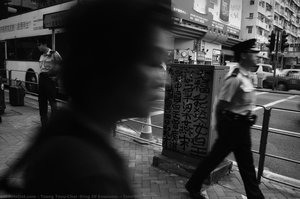
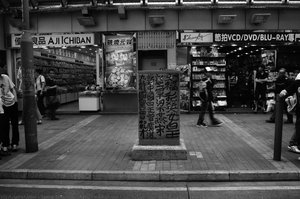
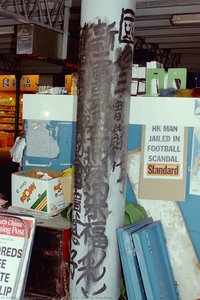
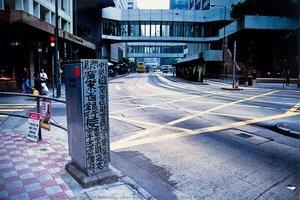
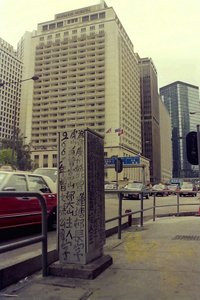
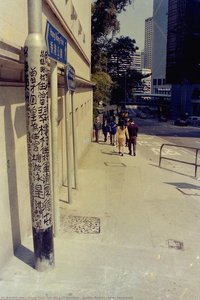
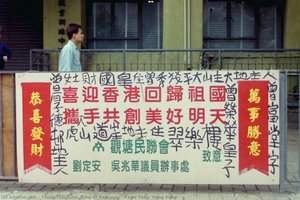
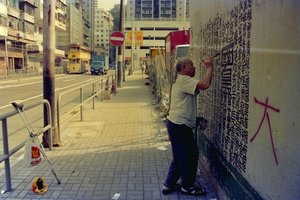
The image before us, a vintage postcard depicting Tsang Tsou-Choi’s painting “This Is the House That Man Built,” offers more than just a visual snapshot; it's a portal into the unique world of an extraordinary artist and a poignant commentary on Hong Kong’s history. Tsang Tsou-Choi, often known as the "King of Kowloon," wasn't formally trained in art. He was a self-proclaimed descendant of the original landowners of Kowloon, driven by a lifelong mission to reclaim what he believed was rightfully his family’s territory. His artistic expression manifested not in galleries or studios, but directly onto the streets – on walls, lampposts, and any available surface – through distinctive calligraphy graffiti proclaiming his sovereignty.
The Artist: A Life Etched in Ink
Born in 1921, Tsang’s life was marked by hardship and a deep connection to the working-class communities of Hong Kong. His unwavering belief in his ancestral claim fueled decades of relentless inscription, transforming public spaces into canvases for his personal narrative. While initially dismissed as vandalism, his work gradually gained recognition as an outsider art phenomenon, celebrated for its raw authenticity and powerful message of resilience against colonial rule. The postcard itself, a reproduction of one of these street paintings from 1909, captures the essence of Tsang’s defiant spirit – a man claiming ownership in a world that largely ignored him.
Symbolism and Style: A Calligraphic Declaration
The painting depicted on the postcard is deceptively simple. It portrays a group of figures standing before a building, with the titular phrase "This Is The House That Man Built" boldly displayed beneath. However, within this seemingly straightforward scene lies layers of meaning. The figures themselves represent the colonial presence in Hong Kong, while the house symbolizes the land Tsang believed was stolen from his ancestors. His distinctive calligraphy, characterized by its bold strokes and assertive energy, isn't merely decorative; it’s a direct declaration of ownership, a visual manifesto etched into the urban landscape. The style is rooted in traditional Chinese calligraphy but infused with a raw, almost frantic urgency that reflects Tsang’s personal struggle. It’s an art born not from academic training, but from a deep-seated conviction and a desperate need to be heard.
Historical Context: A Voice Against Colonialism
To fully appreciate the significance of "This Is The House That Man Built," one must understand its historical context. Created in 1909, during British colonial rule, Tsang’s work served as a subtle yet persistent form of protest against foreign domination. While his claims were legally unfounded, his actions resonated with many who felt disenfranchised by the colonial system. The postcard, therefore, becomes more than just an image; it's a historical document, a testament to the enduring spirit of resistance and the power of individual expression in the face of oppression. It speaks to themes of identity, belonging, and the struggle for self-determination – universal concerns that continue to resonate today.
Emotional Resonance: A Legacy of Defiance
Looking at this postcard, one can’t help but feel a sense of empathy for Tsang Tsou-Choi. His unwavering dedication to his cause, despite facing ridicule and legal challenges, is both inspiring and heartbreaking. The painting itself evokes a feeling of quiet defiance – a lone figure standing firm against the weight of history. The reproduction on a postcard format adds another layer of poignancy, transforming a street artwork into a tangible reminder of an extraordinary life and a powerful message that continues to echo through the streets of Hong Kong and beyond.
Related Artworks
Artist Biography
LeRoy Neiman: A Chronicler of the American Spirit
LeRoy Neiman (1921-2012) wasn’t merely a painter; he was a visual chronicler, an astute observer who captured the essence of a bygone era and the vibrant energy of its most influential figures. Born in Saint Paul, Minnesota, into a family profoundly shaped by his father's abrupt departure, Neiman’s early life instilled within him a keen eye for detail and a deep appreciation for the realities of everyday American life – particularly the working class communities he called home. His formative years were spent navigating the challenges of poverty and witnessing the resilience of his neighbors, experiences that would profoundly inform his artistic vision.
Neiman’s artistic journey began with humble beginnings: sketching portraits for local merchants in exchange for a nickel. This early entrepreneurial spirit foreshadowed his lifelong dedication to capturing subjects on canvas. He honed his skills at the Saint Paul School of Art and later at the prestigious School of the Art Institute of Chicago, where he studied alongside luminaries like Robert Clark (Indiana) and Leon Golub. These formative years exposed him to diverse artistic approaches, yet Neiman ultimately developed a distinctive style characterized by bold brushstrokes, vibrant colors, and an uncanny ability to convey movement and emotion. His work wasn’t about meticulous realism; it was about immediacy – capturing the fleeting moments of joy, power, and camaraderie that defined the lives he depicted.
The Rise of ‘Playboy’ and a Defining Partnership
A pivotal moment in Neiman's career arrived in 1954 through an unexpected connection with Hugh Hefner and *Playboy*. While illustrating for Carson Pirie Scott, Neiman met the magazine’s founder, who recognized his talent and commissioned him to create the iconic Femlin character – a mischievous sprite embodying both allure and rebellion. This collaboration launched a remarkable fifty-year partnership that cemented Neiman's place in popular culture. *Playboy*'s “Man at His Leisure” column provided Neiman with unparalleled access to a world of captains of industry, celebrities, and socialites, allowing him to paint scenes of extravagant parties, sporting events, and glamorous gatherings.
Neiman’s work for *Playboy* wasn't simply decorative; it was a commentary on the American Dream – not through idealized depictions of wealth and luxury, but by focusing on the joy of living, the thrill of competition, and the human connections forged in moments of shared experience. His paintings of Muhammad Ali, capturing the boxer’s explosive power and charismatic presence, stand as testaments to this approach. He didn't shy away from portraying subjects in their most vulnerable or triumphant moments, always striving to capture the essence of their character.
A Master of Movement and Portraiture
Neiman’s technique was deceptively simple yet remarkably effective. He employed a rapid, gestural brushstroke – often applying paint directly onto the canvas – to create a sense of immediacy and dynamism. His figures were rarely posed formally; instead, he captured them in motion, conveying their energy and vitality through subtle shifts in posture and expression. This approach was particularly evident in his paintings of athletes, where he masterfully depicted the physicality and intensity of competition.
Beyond sports, Neiman excelled at portraiture, capturing not just physical likeness but also personality and spirit. His subjects – presidents, artists, musicians, and everyday Americans alike – were rendered with warmth and empathy. He had a remarkable ability to draw out the character of his sitters, revealing their inner lives through carefully observed details and expressive gestures. His portraits weren’t static representations; they felt alive, brimming with personality and emotion.
Legacy and Influence
LeRoy Neiman's impact on American art extends far beyond his iconic *Playboy* paintings. His work is held in prestigious collections worldwide, including the Smithsonian American Art Museum and the Metropolitan Museum of Art. He was a beloved teacher at the School of the Art Institute of Chicago for decades, inspiring generations of artists to embrace spontaneity, observation, and a deep connection with their subjects. Neiman’s legacy lies not only in his stunning visual record of the 20th century but also in his unwavering commitment to capturing the beauty and complexity of the human experience.
His influence can be seen in contemporary artists who continue to explore themes of movement, portraiture, and social commentary. Neiman’s legacy as a chronicler of the American spirit endures, reminding us of the power of art to illuminate our lives and connect us to one another.
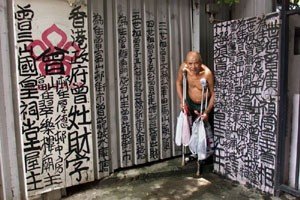
tsang tsou choi (king of kowloon)
1921 - 2007 , China
Quick Facts
- Artistic Movement Or Style: Figure painting, chronicler
- Artists Or Movements Influenced By This Artist: ['Puhl & Wagner']
- Artists Who Influenced This Artist:
- Robert Clark
- Leon Golub
- Date Of Birth: June 8, 1921
- Date Of Death: 2007
- Full Name: LeRoy Neiman
- Nationality: American
- Notable Artworks:
- Idle Boats
- Man at His Leisure
- Place Of Birth: Saint Paul, Minnesota
Related Articles
Charles Bird King: Capturing Native American Dignity Through Portraiture & Cultural Exchange
Explore the captivating portraits of Charles Bird King, renowned for his depictions of Native American leaders. Discover the historical context, artistic techniques, and collecting value of these significant 19th-century artworks.
Cy Twombly: Scribbles of Emotion – Deconstructing Post-War Expressionism Through Calligraphy & Abstraction
Explore the captivating world of Cy Twombly with ArtsDot. Discover the emotional depth & artistic significance behind his abstract calligraphy. Expert insights for collectors.
Beyond the Gallery Walls: The Rise of Contemporary Street Art
Explore the captivating world of contemporary street art! Discover its history, influential artists like Banksy, and evolving role in urban culture. Expert insights & analysis.
Gunning King: Narrative & Technique in Contemporary Figurative Painting
Explore the captivating world of contemporary figurative painting. Discover key artists, techniques & collecting insights. Expert analysis for discerning art lovers. ArtsDot.