

 Preview
 Send
Send Share
Share
 Details

 Download
 Similars
 X-Ray
X-Ray Diaporama
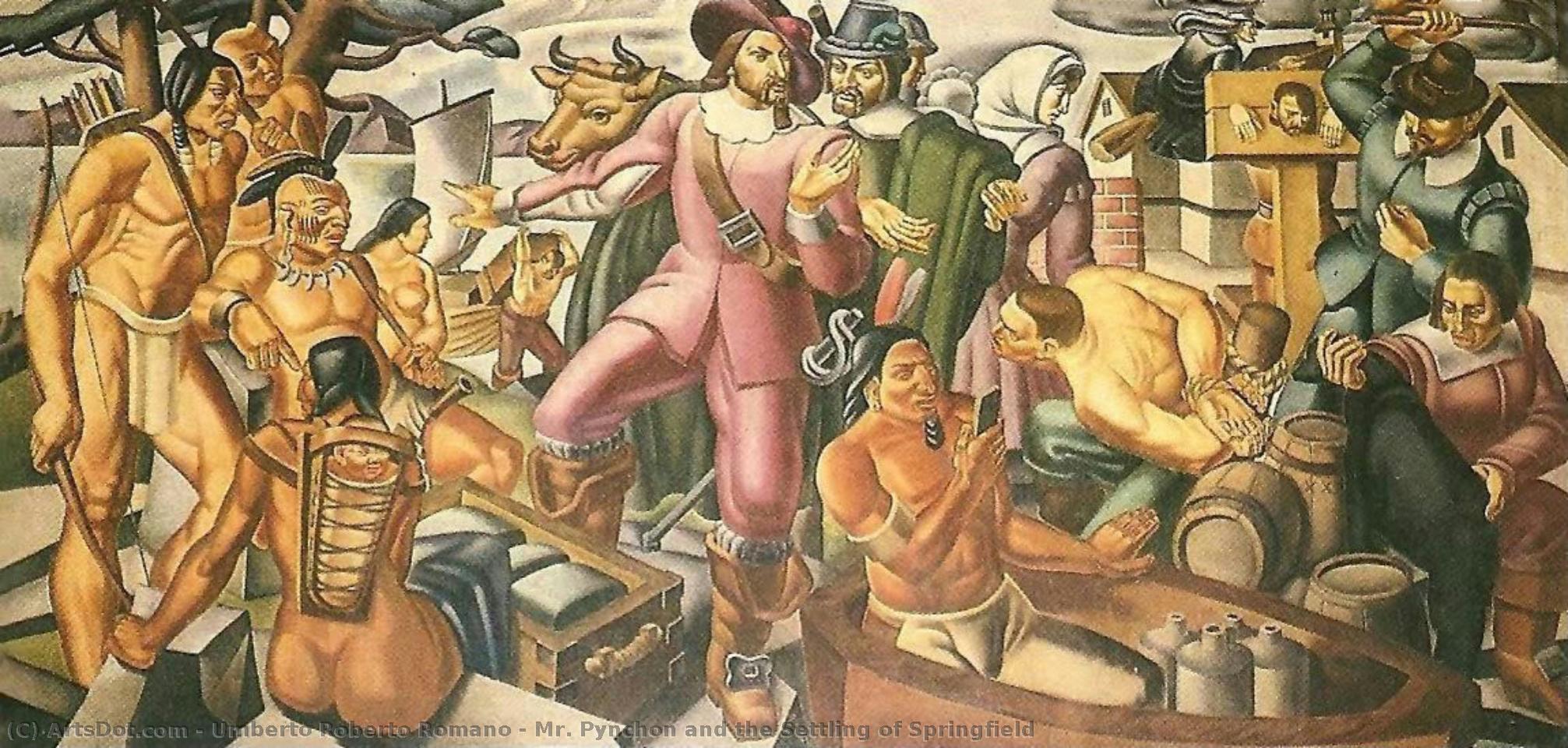
Mr. Pynchon and the Settling of Springfield


 Read More
Purchase a high-resolution, enhanced digital image, far superior to the online preview.
Each file is meticulously prepared by our in-house specialists using advanced tools and expert manual retouching. We ensure every image has exceptional clarity, precise color accuracy, and fine detail.
The final file is delivered via email within 72 hours, optimized for immediate use in professional, editorial, and print environments. This is the same quality trusted by top-tier design studios, publishers, and galleries.
Digital Image
Download a high-resolution file for personal display, printing, and creative projects. ( Buy Print Buy Hand Made Painting)
Included in Every Digital Image Order
Expert Digital Delivery, Guaranteed
When you choose ArtsDot.com, you're not just getting an image - you're receiving a professionally enhanced digital artwork, crafted with precision and backed by a satisfaction guarantee. Here's everything that comes with your order, automatically:

Fast Email Delivery
Your high-resolution digital image file will be emailed to you within 72 hours of ordering - ready for immediate use.

AI-Enhanced Digital File
Your artwork is professionally optimized using advanced AI tools and manual editing, ensuring maximum detail, clarity, and color accuracy.

Free Lifetime Re-Delivery
Accidentally deleted or lost your file? No worries - we'll resend it to you anytime, free of charge.

No Import Fees - Ever
Enjoy your artwork instantly with zero customs, duties, or delivery fees - digital downloads are always tax-free.

Color Accuracy Guarantee
We ensure your digital image reflects the original colors as closely as possible using professional tools and color management.

60-Day Satisfaction Guarantee
If you're not satisfied with your digital image, we'll revise it or refund 100% within 60 days - no questions asked.

100% Money-Back Guarantee
Not satisfied? Get a full refund within 60 days of receiving your digital file - no questions asked.

Bulk Order Discounts
Buy 3 images, save 10% - Buy 5, save 15% - Buy 10+, save 20%. Great for creative projects, galleries, and agencies.
Related Artworks




Artist Biography
Umberto Roberto Romano: A Life Bridging Italy and America
- Born: Bracigliano, Italy (1906)
- Died: 1982
Umberto Roberto Romano, also known as Umberto Romano, was an Italian-born American painter whose career spanned several decades and artistic movements. Born in Bracigliano, Italy, in 1906, he immigrated to the United States with his family at the age of nine. His upbringing in Springfield, Massachusetts, shaped his early experiences, while his later studies abroad significantly influenced his artistic development.
Early Life and Artistic Training
- Education: Attended Howard Street School and Central High School in Springfield, Massachusetts.
- National Academy of Design: Enrolled in New York City before studying at the American Academy in Rome.
Romano's early artistic style is often described as "classic modern," reflecting a blend of traditional techniques with emerging modernist sensibilities. His time at the American Academy in Rome proved crucial, exposing him to Italian Renaissance art and fostering his appreciation for classical forms. This period laid the groundwork for his later explorations into abstract expressionism.
Artistic Style and Influences
- Style Evolution: Transitioned from Classic Modern to Abstract Expressionist.
- Influences: Giotto di Bondone, Michelangelo Buonarroti, Modernism, Abstract Expressionism.
Romano's artistic style was characterized by a remarkable versatility. While his early works demonstrated a strong foundation in classical techniques and realism, he gradually embraced more abstract forms and expressive brushwork. His portraits, particularly those of prominent figures like Albert Einstein, John F. Kennedy, Martin Luther King Jr., and Abraham Lincoln, showcase his ability to capture both likeness and character. Romano drew inspiration from the masters of Italian art, notably Giotto and Michelangelo, whose works he encountered during his studies in Rome. He also absorbed influences from broader modernist and abstract expressionist movements.
Notable Works and Recognition
- Portrait Subjects: Albert Einstein, Foster Furcolo, Pope John XXIII, John F. Kennedy, Martin Luther King Jr., Abraham Lincoln, Sara Roosevelt.
- Museum Holdings: Corcoran Gallery of Art, Fogg Art Museum (Boston), Metropolitan Museum of Art, Smithsonian Institution, Whitney Museum.
Romano's career was marked by numerous achievements and accolades. His portraits of influential figures garnered widespread recognition, and his works were acquired by prestigious museums across the United States. The inclusion of his paintings in collections at institutions like the Corcoran Gallery of Art, the Metropolitan Museum of Art, and the Smithsonian Institution solidified his reputation as a significant American artist. His work also includes murals installed in the Springfield Main Post Office.
Legacy and Impact
Umberto Roberto Romano passed away in 1982 at the age of 76, leaving behind a substantial body of work that continues to inspire art lovers and artists alike. His ability to bridge classical traditions with modern experimentation makes him a unique figure in American art history. His legacy is one of versatility, skill, and a deep engagement with both artistic heritage and contemporary social issues.
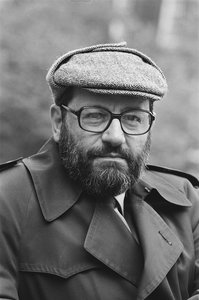
Umberto Roberto Romano
1906 - 1982 , Italy
Quick Facts
- Artistic Movement Or Style:
- Classic Modern
- Abstract Expressionism
- Artists Who Influenced This Artist:
- Giotto di Bondone
- Michelangelo Buonarroti
- Date Of Birth: 1906
- Date Of Death: 1982
- Full Name: Umberto Roberto Romano
- Nationality: Italian-American
- Notable Artworks:
- Portrait of Albert Einstein
- Portrait of John F. Kennedy
- Portrait of Abraham Lincoln
- Place Of Birth: Bracigliano, Italy

