

 Preview
 Send
Send Share
Share
 Details

 Download
 Similars
 X-Ray
X-Ray Diaporama
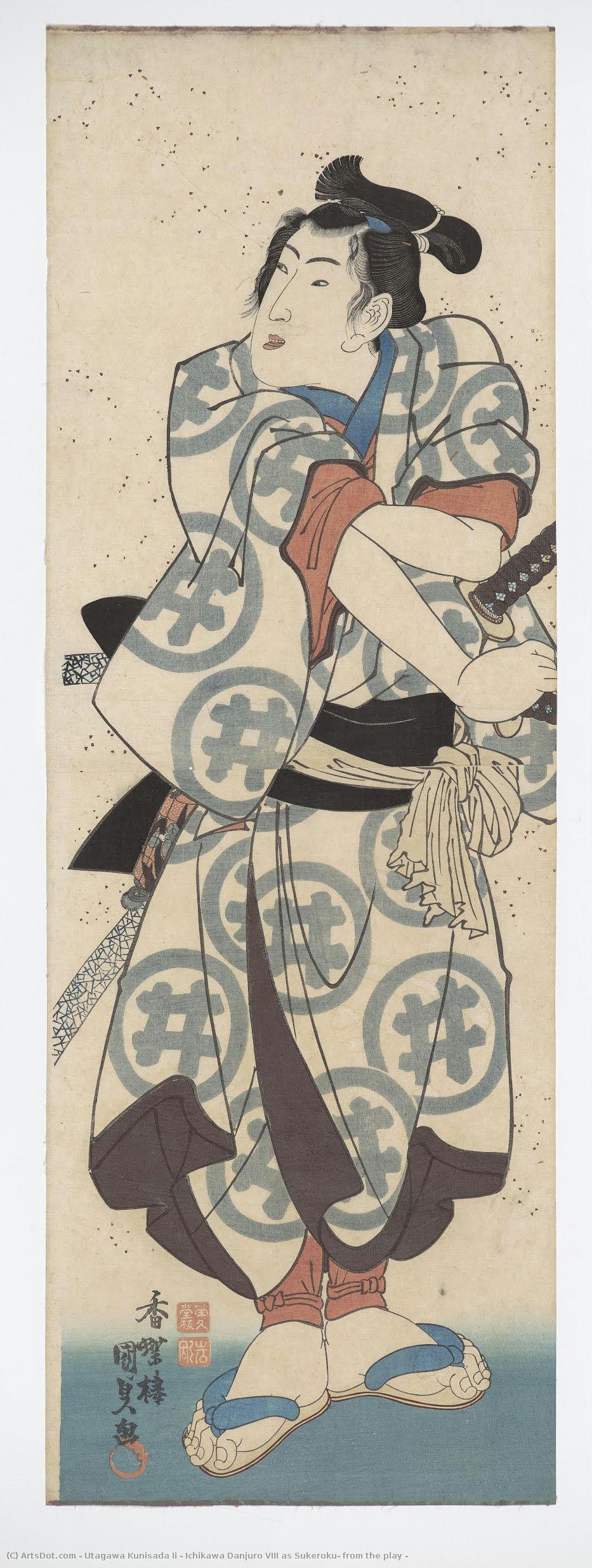
Ichikawa Danjuro VIII as Sukeroku, from the play


 Read More
Purchase a high-resolution, enhanced digital image, far superior to the online preview.
Each file is meticulously prepared by our in-house specialists using advanced tools and expert manual retouching. We ensure every image has exceptional clarity, precise color accuracy, and fine detail.
The final file is delivered via email within 72 hours, optimized for immediate use in professional, editorial, and print environments. This is the same quality trusted by top-tier design studios, publishers, and galleries.
Digital Image
Download a high-resolution file for personal display, printing, and creative projects. ( Buy Print Buy Hand Made Painting)
Included in Every Digital Image Order
Expert Digital Delivery, Guaranteed
When you choose ArtsDot.com, you're not just getting an image - you're receiving a professionally enhanced digital artwork, crafted with precision and backed by a satisfaction guarantee. Here's everything that comes with your order, automatically:

Fast Email Delivery
Your high-resolution digital image file will be emailed to you within 72 hours of ordering - ready for immediate use.

AI-Enhanced Digital File
Your artwork is professionally optimized using advanced AI tools and manual editing, ensuring maximum detail, clarity, and color accuracy.

Free Lifetime Re-Delivery
Accidentally deleted or lost your file? No worries - we'll resend it to you anytime, free of charge.

No Import Fees - Ever
Enjoy your artwork instantly with zero customs, duties, or delivery fees - digital downloads are always tax-free.

Color Accuracy Guarantee
We ensure your digital image reflects the original colors as closely as possible using professional tools and color management.

60-Day Satisfaction Guarantee
If you're not satisfied with your digital image, we'll revise it or refund 100% within 60 days - no questions asked.

100% Money-Back Guarantee
Not satisfied? Get a full refund within 60 days of receiving your digital file - no questions asked.

Bulk Order Discounts
Buy 3 images, save 10% - Buy 5, save 15% - Buy 10+, save 20%. Great for creative projects, galleries, and agencies.
Collectible Description
Related Artworks








Artist Biography
**early life and training**
utagawa kunisada ii, also known as toyokuni iv, was a renowned japanese ukiyo-e print designer born in edo, japan in 1823. he was a pupil of utagawa kunisada i and signed much of his early work under the name kunimasa iii. around 1850-51, he adopted the name kunisada ii, marking his inheritance of the utagawa school.**artistic style and notable works**
kunisada ii's prints include over 40 series, mostly featuring actors (yakusha-e), as well as portraits of beauties, illustrations of scenes from literature, erotica, and other subjects. one of his most celebrated works is the tale of the eight dog heroes (hakkendun inu no sōshi no uchi), dating from 1852, drawn from kyokutei bakin's epic novel, the satomi clan and the eight dogs (nansō satomi hakkenden).**legacy and later life**
kunisada ii headed the utagawa school and worked in the style of his master, but never achieved the same level of success. his popularity waned in the meiji period (1868–1912), and he appears to have stopped making prints after 1874. he died on july 20, 1880, and was buried at banshōin kōunji. his buddhist posthumous name is sankōin hōkokujutei shinji.**notable mentions in ArtsDot.com**
- view utagawa kunisada ii's artworks on ArtsDot.com
- explore the hokkaido museum of modern art (japan) on ArtsDot.com
- discover nonoyama kōzan's paintings on ArtsDot.com
**key points in kunisada ii's life**
- 1823: born in edo, japan
- 1850-51: adopted the name kunisada ii
- 1852: created the tale of the eight dog heroes
- 1868–1912: meiji period, during which his popularity waned
- july 20, 1880: passed away and was buried at banshōin kōunji
**further reading on ArtsDot.com**
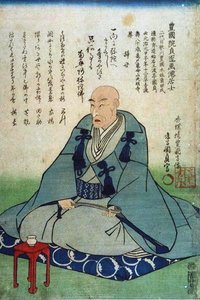
utagawa kunisada ii
1823 - 1880 , Japan
Quick Facts
- Artistic Movement Or Style: Ukiyo-e (yakusha-e)
- Artists Or Movements Influenced By This Artist: ['Utagawa School']
- Artists Who Influenced This Artist: ['Utagawa Kunisada I']
- Date Of Birth: 1823
- Date Of Death: 1880
- Full Name: Utagawa Kunisada II
- Nationality: Japanese
- Notable Artworks:
- Hakkendun Inu no Sōshi no Uchi
- The Osaka actor Kataoka Gado as An no Heibei
- Place Of Birth: Tokyo, Japan

