 Preview
 Send
Send Share
Share
 Details

 Download
 Similars
 X-Ray
X-Ray Diaporama
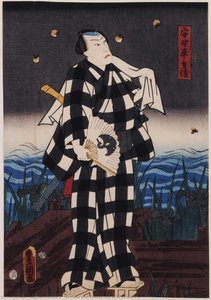
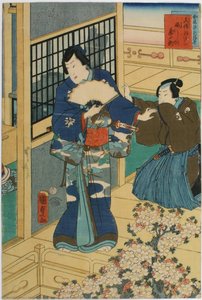
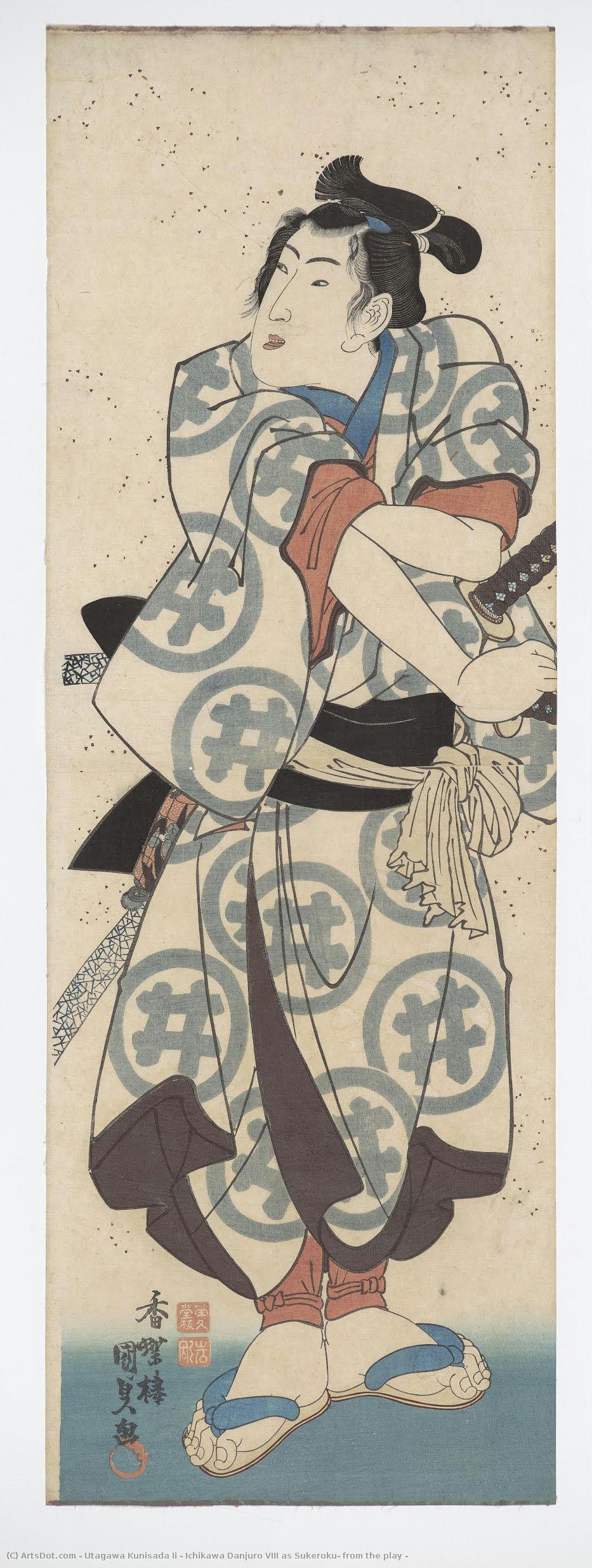
Ichikawa Danjuro VIII as Sukeroku, from the play


 Read More
Giclée / Art Print
Museum-quality giclée or canvas print with fast production and flexible finish options. ( Buy Hand Made Painting Buy Image)




































Pick from our preset sizes that match the artwork's original proportions.

You may enter your own dimensions to fit a specific frame or space. If your selected size does not match the original image's proportions, we will either crop the artwork or extend the image with a mirrored or solid-fill edge. A digital mockup will be sent for your approval before production begins.
Please note that the on-screen preview does not reflect the actual cropping or extension. Only the mockup will accurately show the final composition.
While custom sizes are available, we recommend selecting a dimension from the predefined list to preserve the original proportions.
Worldwide Delivery () in 2 weeks instead of standard 4/5 weeks. (27 August)

Free Worldwide Express Shipping

High-Quality Linen Canvas

Full Shipping Insurance

Customs Tax Refund Guarantee

True Color Matching Guarantee

60-Day Return Policy (Defects Only)

100% Money-Back Guarantee

Bulk Discount Offer
 Glass option is only available in size under 110 CM

Ichikawa Danjuro VIII as Sukeroku, from the play
Giclée / Art Print
Reproduction Size
-


Total Price
$ 63
Collectible Description
Related Artworks








Artist Biography
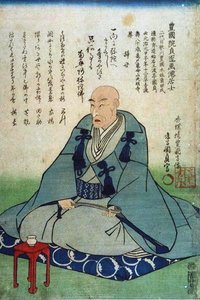
**early life and training**
utagawa kunisada ii, also known as toyokuni iv, was a renowned japanese ukiyo-e print designer born in edo, japan in 1823. he was a pupil of utagawa kunisada i and signed much of his early work under the name kunimasa iii. around 1850-51, he adopted the name kunisada ii, marking his inheritance of the utagawa school.**artistic style and notable works**
kunisada ii's prints include over 40 series, mostly featuring actors (yakusha-e), as well as portraits of beauties, illustrations of scenes from literature, erotica, and other subjects. one of his most celebrated works is the tale of the eight dog heroes (hakkendun inu no sōshi no uchi), dating from 1852, drawn from kyokutei bakin's epic novel, the satomi clan and the eight dogs (nansō satomi hakkenden).**legacy and later life**
kunisada ii headed the utagawa school and worked in the style of his master, but never achieved the same level of success. his popularity waned in the meiji period (1868–1912), and he appears to have stopped making prints after 1874. he died on july 20, 1880, and was buried at banshōin kōunji. his buddhist posthumous name is sankōin hōkokujutei shinji.**notable mentions in ArtsDot.com**
- view utagawa kunisada ii's artworks on ArtsDot.com
- explore the hokkaido museum of modern art (japan) on ArtsDot.com
- discover nonoyama kōzan's paintings on ArtsDot.com
**key points in kunisada ii's life**
- 1823: born in edo, japan
- 1850-51: adopted the name kunisada ii
- 1852: created the tale of the eight dog heroes
- 1868–1912: meiji period, during which his popularity waned
- july 20, 1880: passed away and was buried at banshōin kōunji
**further reading on ArtsDot.com**
utagawa kunisada ii
1823 - 1880 , Japan
Quick Facts
- Artistic Movement Or Style: Ukiyo-e (yakusha-e)
- Artists Or Movements Influenced By This Artist: ['Utagawa School']
- Artists Who Influenced This Artist: ['Utagawa Kunisada I']
- Date Of Birth: 1823
- Date Of Death: 1880
- Full Name: Utagawa Kunisada II
- Nationality: Japanese
- Notable Artworks:
- Hakkendun Inu no Sōshi no Uchi
- The Osaka actor Kataoka Gado as An no Heibei
- Place Of Birth: Tokyo, Japan