 Preview
 Send
Send Share
Share
 Details

 Download
 Similars
 X-Ray
X-Ray Diaporama
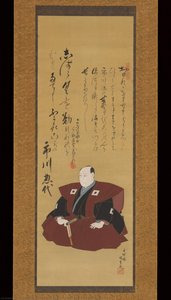
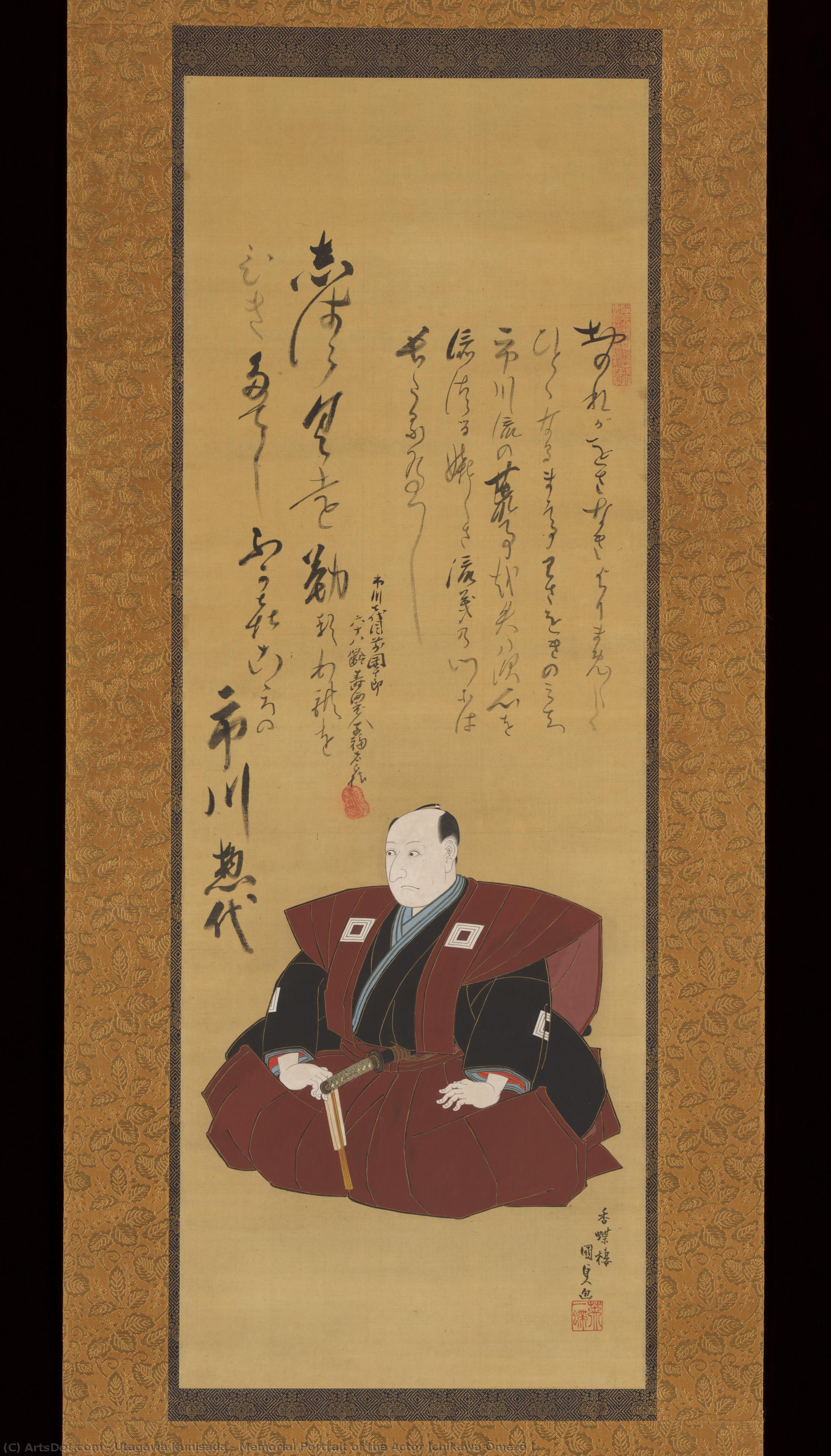
Memorial Portrait of the Actor Ichikawa Ōmezō I
 Ink
Ink- WallArt
- Ukiyo-e
 1858
1858- 19th Century
 90.0 x 32.0 cm
 Read More
Hand Made Oil Reproduction
Hand-painted oil on canvas in your size and frame, made to order by our artists. ( Buy Print Buy Image)




P118B $10

P118H $10

P118W $10

P438Z $10

P508JH $12

P508YH $12

P805H $10

P805Z $10

P919BZ $10

P919G $10

P919XJ $10

P959ZH $10

P968JZ $12

W106C $8

W218G $10

W218JH $8

W218Y $10

W307PJ $10

W316G $10

W316PJ $8

W316Y $10

W398PJ $8

W4111J $10

W500HY $15

W500JH $15

W692G $12

W849H $8

W940BG $15

W953PJ $8




Pick from our preset sizes that match the artwork's original proportions.

You may enter your own dimensions to fit a specific frame or space. If your selected size does not match the original image's proportions, we will either crop the artwork or extend the painting with additional hand-painted elements. A digital mockup will be sent for your approval before production begins.
Please note that the on-screen preview does not reflect the actual cropping or extension. Only the mockup will accurately show the final composition.
While custom sizes are available, we recommend selecting a dimension from the predefined list to preserve the original proportions.
After order, ArtsDot.com team will email client for instructions and provide a mockup preview
Worldwide Delivery () in 3/4 weeks instead of standard 5 weeks. (2 September). No compromise on quality.

Free Worldwide Express Shipping

High-Quality Linen Canvas

Full Shipping Insurance

Customs Tax Refund Guarantee

True Color Matching Guarantee

60-Day Return Policy (Defects Only)

100% Money-Back Guarantee

Bulk Discount Offer
 Glass option is only available in size under 110 CM

Memorial Portrait of the Actor Ichikawa Ōmezō I
Reproduction Medium
Reproduction Size
-


Total Price
$ 263
A Legacy in Ink: The Soul of the Kabuki Stage
In the delicate interplay of ink and aged paper, the Memorial Portrait of the Actor Ichikawa Ōmezō I emerges as a profound testament to the enduring spirit of the Edo period. Created in 1858 by the legendary Utagawa Kunisada, this hanging scroll is far more than a mere likeness; it is a soulful encounter with a titan of the Kabuki stage. The portrait captures Ōmezō I in a moment of quiet dignity, seated in formal attire that speaks to his high status within the theatrical hierarchy. Clad in a persimmon brown kamishimo—a ceremonial kimono that anchors the composition with its earthy, grounded hue—the actor’s presence is both commanding and contemplative. Kunisada utilizes the subtle textures of washi paper and the varying densities of sumi ink to breathe life into the subject, allowing the viewer to feel the weight of history in every brushstroke.
The artistry of this piece lies in its masterful balance between meticulous detail and calligraphic fluidity. Kunisada, a master of the ukiyo-e tradition, employs a technique that emphasizes the psychological depth of his subject. The actor’s face, characterized by his famously penetrating eyes and distinctive features, is rendered with a precision that captures not just his physical form, but his very essence. Surrounding this central figure is a breathtaking display of dynamic cursive calligraphy, added years later by the great Ichikawa Danjūrō VII. This inscription serves as a moving eulogy, a lyrical tribute from a student to his mentor, weaving a narrative of lineage, passion, and the eternal pursuit of the aragoto acting style. The flowing lines of the text dance around the portrait, creating a visual harmony between the written word and the painted image.
A Masterpiece for the Discerning Collector
For the art enthusiast or interior designer, this reproduction offers an unparalleled opportunity to introduce a sense of historical gravity and Zen-like tranquility into a contemporary space. The color palette—a sophisticated arrangement of subdued ochres, deep blacks, and warm browns—is inherently versatile, complementing both minimalist modern interiors and more ornate, classical settings. The artwork does not merely decorate a wall; it anchors a room, providing a focal point that invites slow contemplation and storytelling. It evokes the atmosphere of a refined tea house or a scholarly study, bringing the rich cultural heritage of 19th-century Japan into the modern home.
Owning a piece inspired by Kunisada’s work is an investment in the preservation of cultural memory. This portrait serves as a bridge to a vanished era of theatrical splendor, embodying the themes of respect, mentorship, and the immortality of art. Whether displayed as a standalone statement or part of a curated gallery wall, the Memorial Portrait of the Actor Ichikawa Ōmezō I radiates an aura of wisdom and melancholy beauty, making it a profound choice for those who seek art that possesses both aesthetic excellence and a deep, resonant narrative.
Related Artworks
Artist Biography
The Maestro of Edo’s Artistic Zenith
Utagawa Kunisada, born Sumida Shōgorō IX in the vibrant district of Honjo, Japan, stands as arguably the most celebrated ukiyo-e artist of the 19th century. His prolific output and unparalleled commercial success cemented his position as a titan amongst his contemporaries—Hiroshige, Hokusai, and Kuniyoshi—establishing him as the undisputed champion of color woodblock printing during the Edo period. While European collectors initially regarded these masters as inferior to classical ukiyo-e artists, a resurgence of appreciation in the mid-20th century has rightfully elevated Kunisada’s stature, recognizing him as one of the foremost figures in Japanese artistic history.
Kunisada's formative years were marked by familial stability stemming from his father’s modest ferry service business, a circumstance that afforded him a degree of financial security uncommon for artists of his time. His father, an amateur poet, instilled in Kunisada a deep passion for literature and artistic expression. Recognizing his innate talent, the legendary Toyokuni I, the dominant figure of the Utagawa school and a renowned Kabuki designer, took Kunisada under his wing as an apprentice. This apprenticeship imparted invaluable knowledge of theatrical art and printmaking techniques, solidifying Kunisada’s connection to the Utagawa lineage. The studio name kuni-sada, derived from Toyokuni I's surname, symbolized this heritage and foreshadowed Kunisada’s own enduring legacy as a leader in the field.
A Mastery of Color and Character
As his career blossomed, Kunisada became a master of capturing the ephemeral beauty of the "floating world." His work is characterized by an extraordinary ability to breathe life into his subjects through vibrant colors and meticulous detail. He achieved unparalleled success in several distinct genres:
- Yakusha-e: His iconic portraits of Kabuki actors, which captured the dramatic intensity and stylized movements of the stage with psychological depth.
- Bijin-ga: His exquisite depictions of beautiful women, where he utilized flowing lines and intricate patterns to convey elegance and grace.
- Musha-e: His dynamic prints of legendary warriors and historical scenes, showcasing his command over action and composition.
The technical brilliance of Kunisada lay in his ability to push the boundaries of woodblock printing. He utilized a rich palette that became synonymous with the aesthetic of late Edo Japan. His compositions were not merely decorative; they were narrative powerhouses that reflected the social pulse of the era, from the high drama of the theater to the quiet elegance of the tea house.
Legacy and Historical Significance
The historical significance of Utagawa Kunisada cannot be overstated. He was not just a painter but a cultural chronicler who documented the zenith of Edo's urban culture. His work bridged the gap between traditional craftsmanship and the burgeoning commercial art market, making high-quality art accessible to a wide audience. Though his fame faced a period of relative obscurity in the West during the early modern era, contemporary scholarship has reclaimed him as a central pillar of Japanese art.
Today, we look back at Kunisada not merely as a successor to Toyokuni I, but as an artist who redefined the possibilities of the ukiyo-e medium. His influence can be seen in the evolution of graphic design and the continued reverence for Japanese printmaking worldwide. To study Kunisada is to witness the very heartbeat of 19th-century Japan, captured in ink, pigment, and wood.
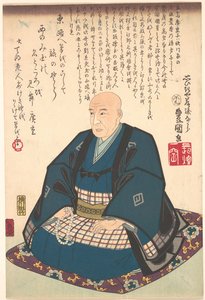
Utagawa Kunisada
1786 - 1865 , Japan
Quick Facts
- Artistic Movement Or Style: Ukiyo-e
- Artists Or Movements Influenced By This Artist: ['Classical Ukiyo-e']
- Artists Who Influenced This Artist: ['Toyokuni I']
- Date Of Birth: 1786
- Date Of Death: 1865
- Full Name: Utagawa Kunisada
- Nationality: Japanese
- Notable Artworks:
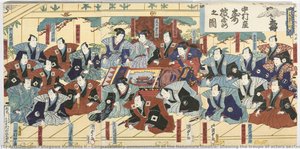
- Memorial Portrait of the Actor Ichikawa Ōmezō I
- Tokyo Civilization Famous Places: Contests: Ginza Brick Stone
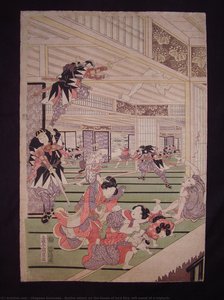
- Ronins attack on the house of lord Kira (left panel of a triptych)
- Place Of Birth: Honjo, Japan
Related Articles

Hokusai's Masterpieces: 25 Iconic Prints & Paintings for Art Lovers | ArtsDot
Journey through Katsushika Hokusai’s 25 most iconic artworks, including *The Great Wave*. Explore the ukiyo-e master's history, style & timeless Japanese woodblock prints. Find museum-quality reproductions for your home at ArtsDot.com.

The Enduring Legacy of Woodblock Printmaking: Technique, History & Artistic Expression
Explore the rich history of woodblock printmaking – from ancient techniques to Ukiyo-e masterpieces. Discover expert insights on collecting, preserving & appreciating this enduring art form.
Utagawa Kuniyoshi: A Master of Japanese Ukiyo-e – Narrative Innovation & the Fusion of Tradition with Popular Culture
Explore the captivating world of Utagawa Kuniyoshi, a master of Japanese ukiyo-e woodblock prints. Discover his innovative warrior scenes, vibrant landscapes & lasting legacy in 19th-century art history.
Tōshūsai Sharaku: A Fleeting Glimpse into Edo Period Kabuki – Life, Art, and the Enigma of a Ukiyo-e Master
Explore the captivating world of Tōshūsai Sharaku, the enigmatic Edo period ukiyo-e master. Discover his iconic Kabuki actor portraits and unravel the mystery behind this fleeting artistic genius. Learn about his unique style & lasting legacy.

Giclée Prints: Archival Quality & Aesthetic Nuances for the Discerning Collector
Explore the world of giclée prints with ArtsDot. Learn about archival quality, aesthetic nuances & investment potential. Expert guidance for discerning art collectors seeking museum-quality reproductions and lasting value.