 Preview
 Send
Send Share
Share
 Details

 Download
 Similars
 X-Ray
X-Ray Diaporama
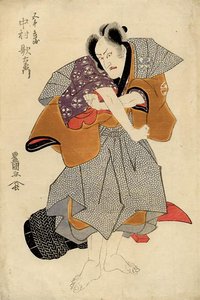
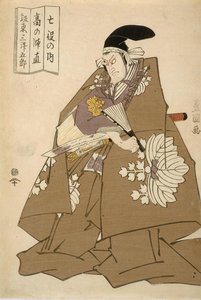
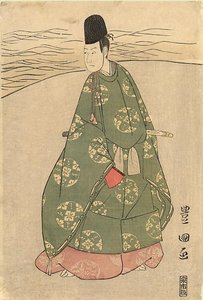
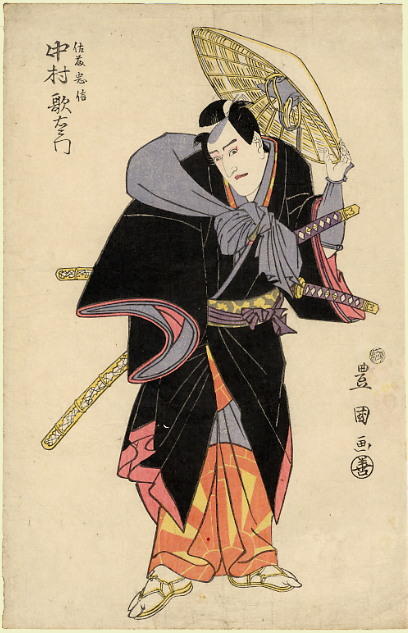
Actor in Role


 Read More
Hand Made Oil Reproduction
Hand-painted oil on canvas in your size and frame, made to order by our artists. ( Buy Print Buy Image)




































Pick from our preset sizes that match the artwork's original proportions.

You may enter your own dimensions to fit a specific frame or space. If your selected size does not match the original image's proportions, we will either crop the artwork or extend the painting with additional hand-painted elements. A digital mockup will be sent for your approval before production begins.
Please note that the on-screen preview does not reflect the actual cropping or extension. Only the mockup will accurately show the final composition.
While custom sizes are available, we recommend selecting a dimension from the predefined list to preserve the original proportions.
After order, ArtsDot.com team will email client for instructions and provide a mockup preview
Worldwide Delivery () in 3/4 weeks instead of standard 5 weeks. (19 August). No compromise on quality.

Free Worldwide Express Shipping

High-Quality Linen Canvas

Full Shipping Insurance

Customs Tax Refund Guarantee

True Color Matching Guarantee

60-Day Return Policy (Defects Only)

100% Money-Back Guarantee

Bulk Discount Offer
 Glass option is only available in size under 110 CM

Actor in Role
Reproduction Medium
Reproduction Size
-


Total Price
$ 263
Related Artworks
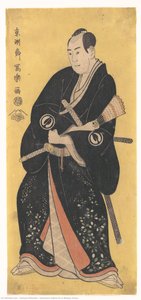
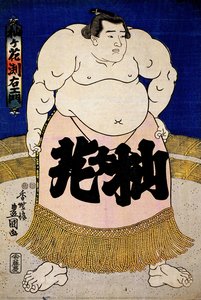
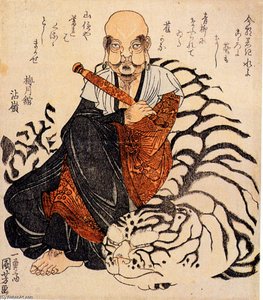
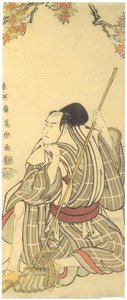
Artist Biography
Utagawa Toyokuni: The Architect of Utagawa School’s Dominance
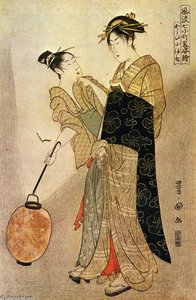
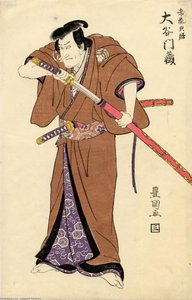
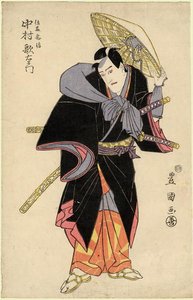
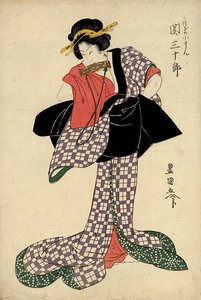
Utagawa Toyokuni (1769-1825) stands as a monumental figure in the history of Japanese art, specifically within the vibrant tapestry of ukiyo-e (“pictures of the floating world”). He wasn't merely an artist; he was arguably the catalyst for transforming the Utagawa school into the undisputed powerhouse it became throughout the nineteenth century—a legacy that continues to resonate today. Born in Edo (modern Tokyo), Toyokuni’s lineage traced back to Kurahashi Gorobei, a craftsman specializing in dollmaking and puppet artistry, including meticulously crafted replicas of kabuki actors. This early exposure to theatrical performance would profoundly shape his artistic vision. At around fourteen years old, he embarked on an apprenticeship with Utagawa Toyoharu, the first head of the esteemed Utagawa school, whose workshop was situated nearby. Among his fellow pupils was Toyohiro, whose protégé became Hiroshige, a landscape artist who established a distinct aesthetic that would influence generations to come. Recognizing Toyokuni’s exceptional talent, he adopted the name Utagawa Toyokuni—a customary practice wherein artists incorporated their master's surname—solidifying his position within the artistic hierarchy of the time. Contrary to popular perception as an instinctive genius, Toyokuni demonstrated a remarkable dedication to studying the works of his predecessors, particularly Chōbunsai Eishi and Hiroshige. Through tireless effort and meticulous observation, he synthesized their styles into a singular approach—a style characterized by unparalleled realism combined with artistic innovation. His fame primarily stemmed from his prolific output of kabuki actor prints, where he achieved unprecedented levels of detail and expressive dynamism. Unlike Sharaku, who exaggerated features to convey emotion, Toyokuni’s prints faithfully recreated the onstage experience, capturing actors in action rather than simply presenting portraits. This distinction cemented his reputation as a master storyteller within the theatrical realm. Beyond kabuki, Toyokuni explored diverse genres including warrior prints (musha-e), erotic art (shunga), and notably bijin-ga—portraits of women—each infused with subtle nuances of emotion and psychological insight. His actor prints mirrored Sharaku’s keen eye for capturing the essence of performance, yet Toyokuni's work transcended mere imitation; it conveyed a deeper understanding of human character and theatrical convention. Historians debate whether Sharaku was truly superior as an artist, arguing that Toyokuni possessed a more profound grasp of artistic technique and storytelling. Nevertheless, Toyokuni’s prints captivated audiences and solidified his place as one of Japan's most celebrated ukiyo-e artists.- Notable Achievements: Toyokuni’s enduring influence is evident in the stylistic conventions established by the Utagawa school, which continued to dominate Japanese art for decades after his death.
- Influences: He absorbed the techniques and sensibilities of Chōbunsai Eishi and Hiroshige, skillfully blending them into his own distinctive style.
- Signature Style: Toyokuni’s prints are renowned for their meticulous detail, expressive dynamism, and ability to recreate the atmosphere of kabuki performances.
The Kabuki Canon: Toyokuni's Mastery of Actor Portraits
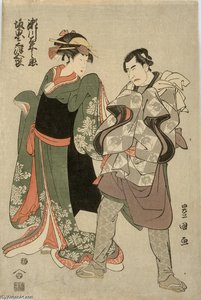
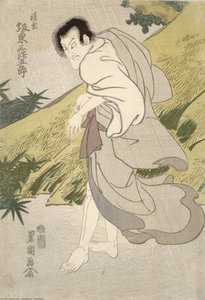
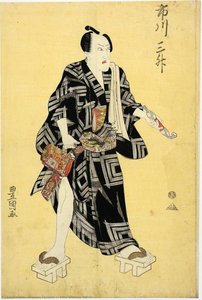
Toyokuni’s contribution to ukiyo-e is inextricably linked to his unparalleled success in portraying kabuki actors. He elevated actor portraits—known as yakusha-e—to an art form, achieving levels of realism and psychological depth unmatched by his contemporaries. Unlike Sharaku's stylized depictions, Toyokuni meticulously captured the nuances of facial expressions and body posture, conveying not just likeness but also emotion and character. His prints became indispensable tools for theatregoers seeking to immerse themselves in the drama unfolding onstage—a testament to his artistic vision and technical prowess.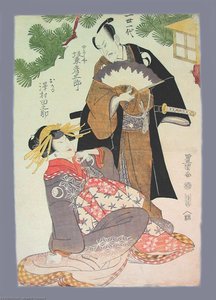
Utagawa Toyokuni
1769 - 1825
Quick Facts
- Artistic Movement Or Style: Ukiyo-e
- Artists Or Movements Influenced By This Artist: ['Sharaku']
- Artists Who Influenced This Artist:
- Utagawa Toyoharu
- Hiroshige
- Date Of Birth: 1769
- Date Of Death: 1825
- Full Name: Utagawa Toyokuni
- Nationality: Japanese
- Notable Artworks: ['Nakasen Road, Kumagaya Station']
- Place Of Birth: Tokyo, Japan