 Preview
 Send
Send Share
Share
 Details

 Download
 Similars
 X-Ray
X-Ray Diaporama
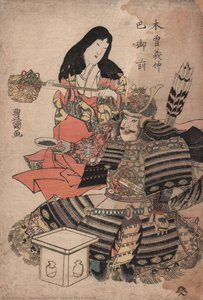
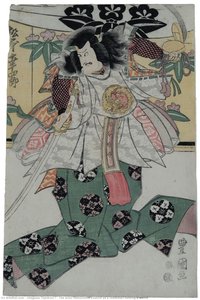
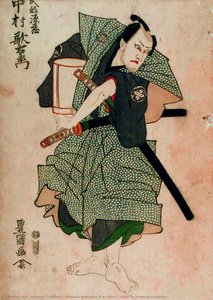
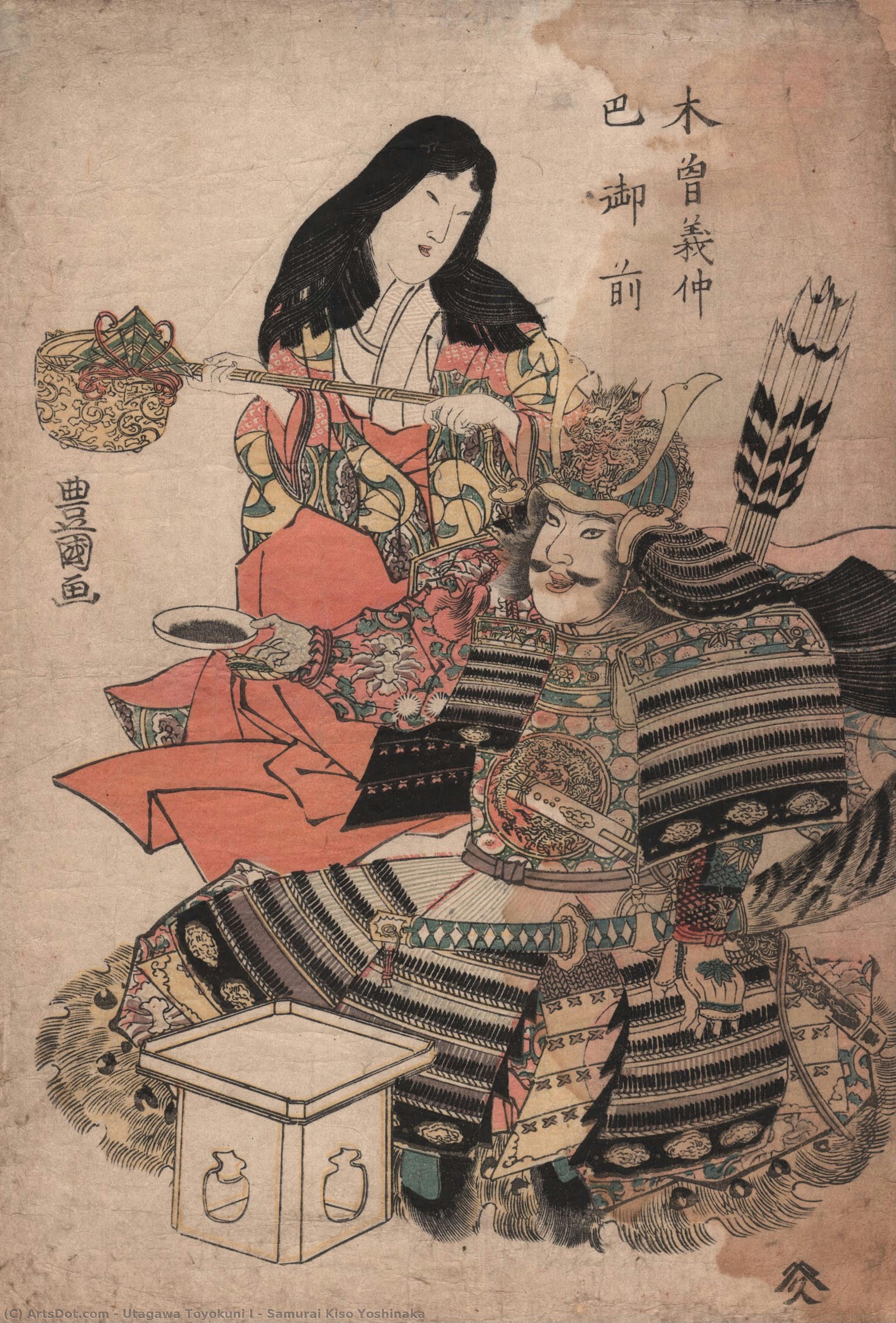
Samurai Kiso Yoshinaka
 Woodblock Print
- Ukiyo-e
 1825
1825- 19th Century
 38.0 x 26.0 cm
 Bujalance Collection
 Read More
Hand Made Oil Reproduction
Hand-painted oil on canvas in your size and frame, made to order by our artists. ( Buy Print Buy Image)




P118B $10

P118H $10

P118W $10

P438Z $10

P508JH $12

P508YH $12

P805H $10

P805Z $10

P919BZ $10

P919G $10

P919XJ $10

P959ZH $10

P968JZ $12

W106C $8

W218G $10

W218JH $8

W218Y $10

W307PJ $10

W316G $10

W316PJ $8

W316Y $10

W398PJ $8

W4111J $10

W500HY $15

W500JH $15

W692G $12

W849H $8

W940BG $15

W953PJ $8




Pick from our preset sizes that match the artwork's original proportions.

You may enter your own dimensions to fit a specific frame or space. If your selected size does not match the original image's proportions, we will either crop the artwork or extend the painting with additional hand-painted elements. A digital mockup will be sent for your approval before production begins.
Please note that the on-screen preview does not reflect the actual cropping or extension. Only the mockup will accurately show the final composition.
While custom sizes are available, we recommend selecting a dimension from the predefined list to preserve the original proportions.
After order, ArtsDot.com team will email client for instructions and provide a mockup preview
Worldwide Delivery () in 3/4 weeks instead of standard 5 weeks. (17 August). No compromise on quality.

Free Worldwide Express Shipping

High-Quality Linen Canvas

Full Shipping Insurance

Customs Tax Refund Guarantee

True Color Matching Guarantee

60-Day Return Policy (Defects Only)

100% Money-Back Guarantee

Bulk Discount Offer
 Glass option is only available in size under 110 CM

Samurai Kiso Yoshinaka
Reproduction Medium
Reproduction Size
-


Total Price
$ 263
Artwork Description
A Tale of Valor and Grace: The Legend of Kiso Yoshinaka
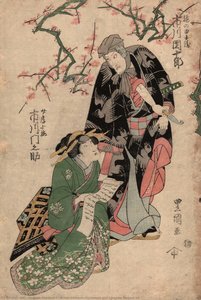
In the delicate dance of lines and colors that defines the ukiyo-e tradition, few subjects capture the imagination quite like the legendary figures of Japan's Heian period. This exquisite woodblock print by the master Utagawa Toyokuni I brings to life a poignant moment featuring the formidable samurai Kiso Yoshinaka and his incomparable wife, Tomoe Gozen. As viewers gaze upon this 1825 masterpiece, they are transported to an era of shifting loyalties and epic warfare, specifically the Genpei War that reshaped the destiny of the Japanese islands. The composition presents a striking duality: the rugged, disciplined presence of the warrior set against the serene yet resilient spirit of one of history's most famous female combatants.
The scene is imbued with a quiet, domestic intimacy that belies the violent history of its protagonists. Dressed in traditional attire that speaks to their high status and cultural heritage, the pair sits grounded in a moment of respite. The presence of a simple bowl and cup suggests a fleeting pause in a life defined by movement and conflict, while the subtle inclusion of birds fluttering nearby adds a layer of ephemeral beauty—a hallmark of the "floating world" philosophy. For the collector, this piece offers more than just historical documentation; it provides a window into the soul of the Edo period, where the legends of the past were reimagined through the vibrant lens of contemporary printmaking.
The Mastery of Utagawa Toyokuni I
To understand the profound impact of this work, one must recognize the hand of Utagawa Toyokuni I, a titan of the Utagawa school. Toyokuni was not merely an illustrator; he was a storyteller who possessed an uncanny ability to capture the zeitgeist of 19th-century Japan. His technique involves a sophisticated use of line work that defines the textures of silk and the sharp edges of weaponry with equal precision. In this print, his mastery is evident in the way he balances the heavy, grounded weight of the samurai with the lighter, more fluid elements of the surrounding landscape.
An Eternal Legacy for the Modern Collector
Owning a high-quality reproduction of such a significant historical work allows for the preservation of cultural heritage within a modern living space. This print transcends simple decoration; it is an invitation to engage with the themes of bravery, companionship, and the transient nature of life. The emotional resonance of Kiso Yoshinaka and Tomoe Gozen—a duo representing both strength and devotion—makes this artwork particularly compelling for those who value art that tells a story of enduring human connection.
Whether placed in a curated gallery setting or used to anchor a thoughtfully designed study, this piece brings the storied atmosphere of old Edo into the contemporary home. It offers an unparalleled opportunity for art lovers to possess a fragment of the legendary Genpei era, rendered with the exquisite craftsmanship that only a master like Toyokuni could inspire. As a centerpiece, it provides a sophisticated dialogue between the ancient traditions of Japan and the aesthetic demands of modern luxury interiors.
Related Artworks
Artist Biography
The Rise of a Theatrical Master: Utagawa Toyokuni I
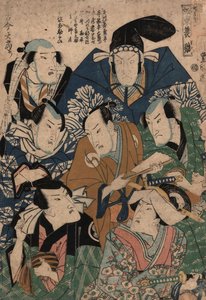
Utagawa Toyokuni I, born in Edo in 1769 and passing in 1825, stands as a pivotal figure in the history of ukiyo-e, the “pictures of the floating world.” While many artists contributed to this vibrant art form, Toyokuni’s impact was particularly profound. He wasn't merely a recorder of his time; he *defined* it for countless viewers through his captivating depictions of kabuki actors and the beauties of Edo society. His ascent marked not only a personal triumph but also the elevation of the Utagawa school to unprecedented levels of fame and influence, a position it would maintain throughout much of the 19th century. Toyokuni’s story is one of diligent study, masterful synthesis, and an acute understanding of popular taste – a combination that propelled him to become arguably the most successful printmaker of his era.Early Life and Apprenticeship: Foundations in Edo
Toyokuni's origins lay within a family steeped in artistic craft. His father, Kurahashi Gorobei, was a skilled carver specializing in dolls and puppets – miniature representations often modeled after the celebrated performers of the kabuki stage. This early exposure to the world of theatre undoubtedly ignited a passion that would later define Toyokuni’s career. Around the age of fourteen, he entered the workshop of Utagawa Toyoharu, the first head of the Utagawa school and a well-respected artist in his own right. The connection was facilitated by his father's existing relationship with Toyoharu, who lived nearby. Within this environment, Toyokuni embarked on a rigorous artistic education alongside fellow pupil Toyohiro – a lineage that would later produce another giant of ukiyo-e, Hiroshige, renowned for his landscape prints. He adopted the name Utagawa Toyokuni as was customary, incorporating a syllable from his master’s name in a gesture of respect and artistic continuity.A Synthesis of Styles: Forging an Individual Path
Unlike some artists blessed with immediate, innate talent, Toyokuni appears to have been a dedicated student, meticulously absorbing the techniques and aesthetics of those who preceded him. He didn’t seek to revolutionize ukiyo-e overnight; instead, he embarked on a period of intense study, focusing intently on the works of masters like Utamaro, Chōbunsai Eishi, and Eishōsai Chōki. He wasn't simply copying their styles but rather dissecting them, understanding their strengths, and ultimately synthesizing them into something uniquely his own. This process demanded considerable effort and patience, resulting in a style characterized by elegance, refinement, and an unparalleled attention to detail. He moved beyond imitation, developing a distinctive approach that would soon become instantly recognizable.Kabuki as Canvas: The Yakusha-e Revolution
Toyokuni’s true breakthrough came with his focus on yakusha-e, portraits of kabuki actors. While not the first to depict these performers, he elevated the genre to new heights. His prints weren't merely likenesses; they were dynamic representations of actors *in character*, capturing the energy and drama of a performance. He possessed an extraordinary ability to convey personality – the swagger of a heroic warrior, the vulnerability of a tragic heroine, the cunning of a mischievous rogue. Unlike Sharaku, whose portraits often emphasized exaggerated features to reveal inner character, Toyokuni strived for accuracy, recreating the experience of witnessing a play firsthand. His prints showed actors *acting*, not just posed figures in costume. This commitment to realism resonated deeply with theatre-goers, making his work immensely popular and solidifying his reputation as the leading yakusha-e artist of his time. Beyond kabuki, Toyokuni also excelled in other genres, including musha-e (warrior prints) and bijin-ga (pictures of beautiful women), demonstrating a remarkable versatility.Legacy and Historical Significance: A Lasting Impression
Utagawa Toyokuni I’s influence on the development of ukiyo-e is undeniable. He not only achieved immense commercial success during his lifetime but also laid the foundation for the Utagawa school's dominance in the 19th century. His pupils, including his son and successor, continued to build upon his legacy, perpetuating his style and expanding the reach of ukiyo-e. While Sharaku is often lauded by modern art historians for his psychological insight, it was Toyokuni who captured the hearts of the Edo public. His prints offered a window into their world – a celebration of theatre, beauty, and the fleeting pleasures of life. Today, his works are treasured as masterpieces of Japanese art, providing invaluable insights into the culture and aesthetics of the Edo period.- Key Contribution: Revolutionized yakusha-e (kabuki actor prints) with dynamic portrayals of actors in performance.
- Style Characteristics: Elegance, refinement, accuracy, and attention to detail.
- Influences: Utamaro, Chōbunsai Eishi, Eishōsai Chōki, Utagawa Toyoharu
- Genres Explored: Yakusha-e, Bijin-ga, Musha-e, and Shunga.
utagawa toyokuni i
1769 - 1825
Quick Facts
- Artistic Movement Or Style: Ukiyo-e
- Artists Or Movements Influenced By This Artist: Hiroshige, Utagawa school
- Artists Who Influenced This Artist:
- Utamaro
- Chōbunsai Eishi
- Eishōsai Chōki
- Date Of Birth: 1769
- Date Of Death: 1825
- Full Name: Utagawa Toyokuni I
- Nationality: Japanese
- Notable Artworks:
- Yakusha-e portraits
- Bijin-ga paintings
- Musha-e warriors
- Shunga erotica
- Place Of Birth: Edo, Japan
Related Articles
Ukiyo-e's Greatest Hits: 10 Masterpieces That Shaped a Movement | ArtsDot
Journey into Japan's 'Floating World'! Explore 10 Ukiyo-e masterpieces by Hokusai, Hiroshige & more. Discover the stories behind these iconic woodblock prints and bring timeless Japanese art to your home with ArtsDot.com. Explore the full collection online.

Hokusai's Masterpieces: 25 Iconic Prints & Paintings for Art Lovers | ArtsDot
Journey through Katsushika Hokusai’s 25 most iconic artworks, including *The Great Wave*. Explore the ukiyo-e master's history, style & timeless Japanese woodblock prints. Find museum-quality reproductions for your home at ArtsDot.com.
Ukiyo-e: Exploring Japan's Floating World & Enduring Artistic Legacy
Explore the captivating world of Ukiyo-e – Japan's iconic woodblock prints! Discover masters like Hokusai & Hiroshige, learn about Edo period culture, and find expert art collecting guidance at ArtsDot.
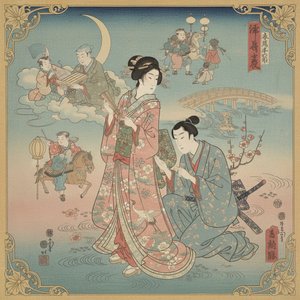
Suzuki Harunobu: Pioneering Ukiyo-e & the Refinement of Edo Period Printmaking
Discover the revolutionary world of Suzuki Harunobu, a pioneer of ukiyo-e printmaking. Explore his exquisite nishiki-e techniques, diverse subjects & lasting impact on Japanese art history. Learn more at ArtsDot.
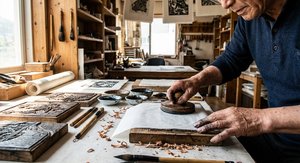
The Enduring Legacy of Woodblock Printmaking: Technique, History & Artistic Expression
Explore the rich history of woodblock printmaking – from ancient techniques to Ukiyo-e masterpieces. Discover expert insights on collecting, preserving & appreciating this enduring art form.