
The Dawn of Nishiki-e: Harunobu’s Revolutionary Color Printing
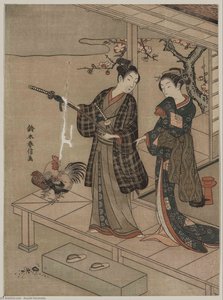
Suzuki Harunobu (Japanese: 鈴木 春信; c. 1725 – 8 July 1770) was a Japanese designer of woodblock print art in the ukiyo-e style. He was an innovator, the first to produce full-color prints (nishiki-e) in 1765, rendering obsolete the former modes of two-...
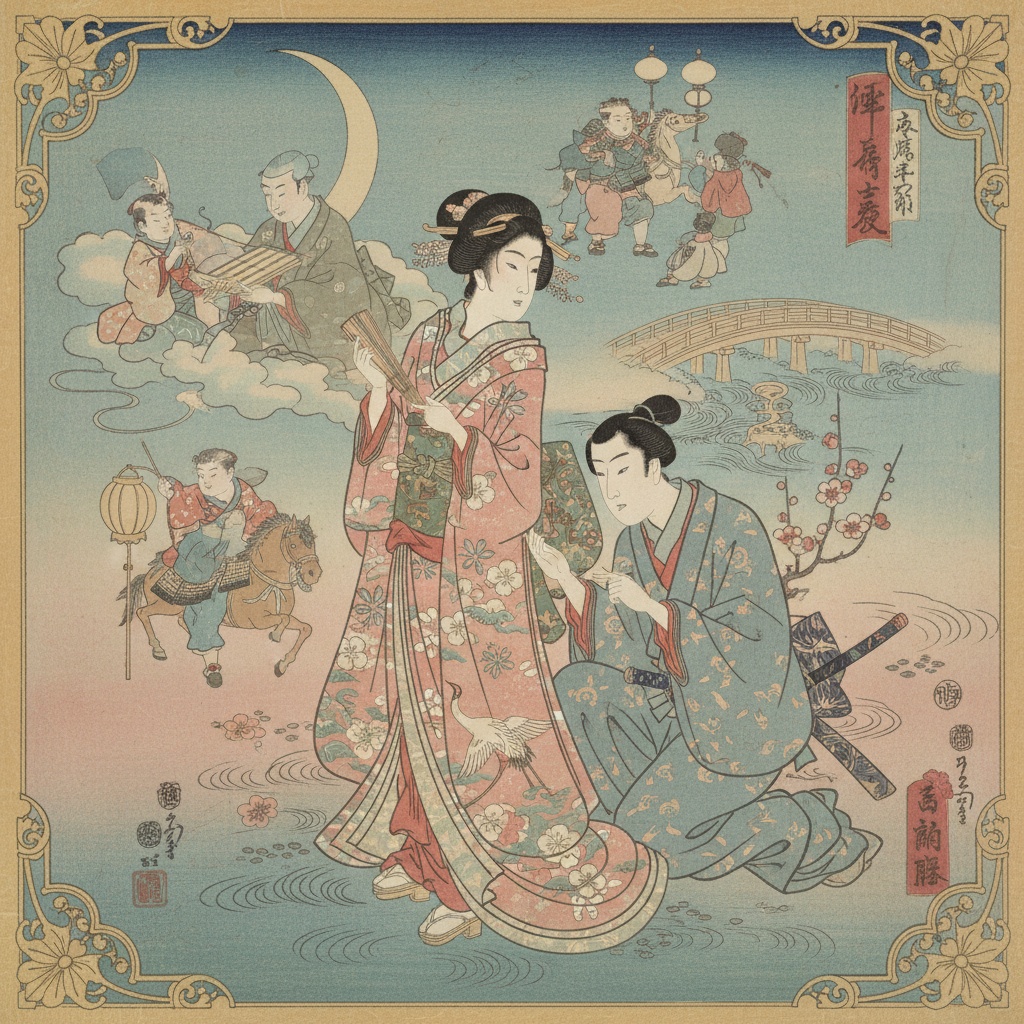
Before Suzuki Harunobu, the world of ukiyo-e – “pictures of the floating world” – existed in a delicate balance of monochrome and subtle hand-coloring. While captivating, these earlier prints lacked the vibrancy and depth that would come to define the genre’s most celebrated era. Harunobu didn't simply refine an existing technique; he inaugurated a new one: nishiki-e, or “brocade pictures,” named for the luxurious woven textiles they resembled. This wasn’t merely an aesthetic shift; it was a technical triumph born from meticulous experimentation and access to discerning patrons.
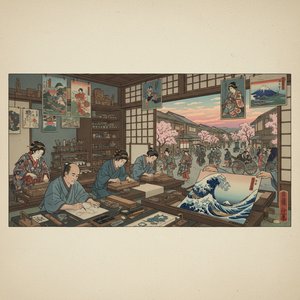
Prior to the mid-18th century, two- and three-color prints were common, often relying on laborious hand-application of pigments after the woodblock carving. Harunobu’s breakthrough lay in mastering multi-block printing – employing up to ten separate blocks for a single image, each dedicated to a different hue. This demanded an unprecedented level of precision from carvers and printers alike, ensuring perfect registration between layers of color. He didn't just increase the number of colors; he elevated the quality of materials used. Cherry wood replaced catalpa for its finer grain, allowing for more intricate detail in carving, while richer, more opaque pigments were favored, creating a luminosity previously unseen in ukiyo-e.
The genesis of nishiki-e was intimately tied to Harunobu’s social circle. Commissioned to create calendars (e-goyomi) for a group of samurai literati, he had the financial freedom and artistic encouragement to pursue these innovations. These early calendar prints weren't simply functional; they were miniature works of art, showcasing seasonal scenes and poetic allusions rendered in breathtaking color. The success of these commissions established nishiki-e as the new standard, rapidly eclipsing older methods and transforming the landscape of Japanese printmaking.
A Life Shrouded in Mystery: Unraveling Suzuki Harunobu's Biography
 Wikipedia: Ukiyo-e
Ukiyo-e (浮世絵) is a genre of Japanese art that flourished from the 17th through 19th centuries. Its artists produced woodblock prints and paintings of such subjects as female beauties; kabuki actors and sumo wrestlers; scenes from history and folk tal...
Despite his monumental impact on art history, much about Suzuki Harunobu’s life remains tantalizingly obscure. Born around 1725, likely in Edo (modern-day Tokyo), he operated largely outside the established artistic guilds and traditions. Unlike many of his contemporaries who adopted elaborate artist names (gō), Harunobu consistently used his given name – a detail that suggests a degree of social standing or independence.
Scholarly speculation points to a possible Kyoto upbringing, fueled by stylistic similarities to the works of Nishikawa Sukenobu. However, it’s believed he spent the majority of his career in Edo, immersed in the city's vibrant cultural scene. Family history reveals a somewhat unconventional background; his ancestors were samurai retainers who fell from grace, stripped of their status due to financial improprieties and exiled to Kyoto. This lineage may have provided him with access to wealthy patrons but also fostered a sense of detachment from traditional artistic hierarchies.
Harunobu’s early work shows clear influences from artists like Torii Kiyomitsu, Ishikawa Toyonobu, and the Kanō school, yet he quickly developed a distinctive style. He was known for his meticulous attention to detail, refined compositions, and sensitivity in portraying human emotion. His death in 1770 at the relatively young age of 45 left a void in the art world, but his legacy would continue to inspire generations of artists.
Influences and Innovations: Tracing the Artistic Lineage of Harunobu
The Edo period, also known as the Tokugawa period, is the period between 1600 or 1603 and 1868 in the history of Japan, when the country was under the rule of the Tokugawa shogunate and some 300 regional daimyo, or feudal lords. Emerging from the cha...
Harunobu wasn’t operating in a vacuum. His artistic evolution was shaped by a complex interplay of influences, skillfully synthesized into something entirely new. The delicate line work and graceful figures of Nishikawa Sukenobu were particularly formative, especially his depictions of women – a subject that would become central to Harunobu's own oeuvre. However, Harunobu moved beyond mere imitation.
He absorbed elements from the Torii school, known for its dynamic compositions and theatrical flair, and incorporated techniques from the Kanō school, renowned for its sophisticated use of color and composition in painting. But it was his willingness to experiment – to push the boundaries of existing printmaking methods – that truly set him apart. The adoption of cherry woodblocks allowed for a level of detail previously unattainable, while his mastery of multiple-block printing unlocked a spectrum of colors that transformed the visual language of ukiyo-e.
Beyond technical prowess, Harunobu demonstrated an acute understanding of composition and design. He drew inspiration from classical poetry and literature, often incorporating subtle allusions and symbolic motifs into his prints. This intellectual depth appealed to his samurai patrons, who valued both the aesthetic beauty and cultural significance of his work.
Bijin-ga and Beyond: Exploring the Diverse Subjects of Harunobu’s Prints
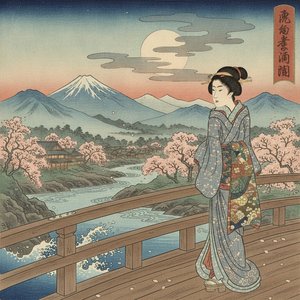
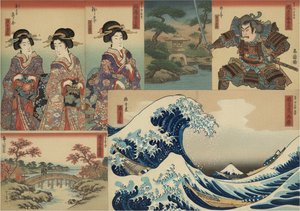
While celebrated for his exquisite portraits of beautiful women – bijin-ga – Suzuki Harunobu's artistic range extended far beyond this single genre. His prints encompassed a remarkable diversity of subjects, reflecting the vibrant tapestry of Edo period life.
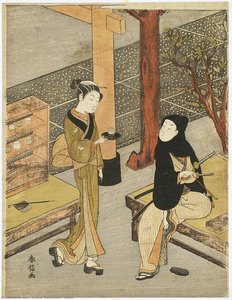
His depictions of contemporary beauties were not merely idealized representations; they captured a sense of intimacy and individuality. He portrayed women from all walks of life – courtesans, geishas, tea house attendants, and even commoners – with sensitivity and grace. He also created prints illustrating scenes from classical poetry, such as the poignant tale of Ono no Komachi, a renowned 9th-century poetess.
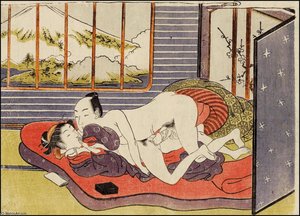
Landscapes, travel scenes, flora and fauna, and depictions of everyday life all found their place within Harunobu’s prolific output. He even ventured into the realm of shunga – erotic art – though these works are less widely known today. This breadth of subject matter demonstrates his versatility as an artist and his keen observation of the world around him.
The Legacy of a Master: Harunobu’s Impact on Ukiyo-e and Japonisme
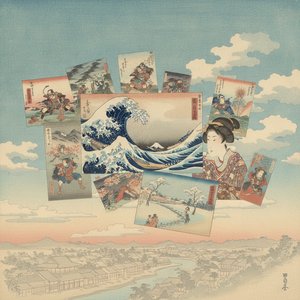
Suzuki Harunobu's influence on ukiyo-e was profound and immediate. His invention of nishiki-e revolutionized the genre, setting a new standard for color printing that would endure for generations. Artists flocked to emulate his style, leading to a flourishing period of innovation and creativity.
However, imitation wasn’t always respectful. Some artists even boasted of their ability to forge Harunobu's work – a testament to the master’s distinctive aesthetic. His techniques became so widely adopted that it is often difficult to distinguish genuine Harunobu prints from those created by his followers.
Beyond Japan, Harunobu’s art played a pivotal role in shaping Western perceptions of Japanese aesthetics during the 19th century – a phenomenon known as Japonisme. His delicate compositions, refined colors, and elegant figures captivated European artists like Monet, Degas, and Van Gogh, influencing their own work in profound ways. Today, Suzuki Harunobu remains a towering figure in art history, celebrated for his technical brilliance, artistic sensitivity, and lasting contribution to the world of ukiyo-e.
Explore the captivating world of Japanese prints at ArtsDot.com, where you can discover high-quality reproductions of Harunobu’s masterpieces and delve deeper into the rich history of Edo period art.