The Essence of Ukiyo-e: Defining the 'Floating World'
To understand the soul of Japanese art, one must first grasp the ephemeral concept of Ukiyo. Originally rooted in Buddhist terminology to describe the sorrowful, transient nature of human existence, the term underwent a profound cultural metamorphosis during the Edo period. As Japan entered an era of unprecedented peace and urban prosperity, the "Floating World" emerged—not as a lamentation of passing time, but as a celebration of it. It became a philosophy of hedonism, a dedicated pursuit of the fleeting pleasures found in the theater, the tea house, and the seasonal beauty of the landscape.
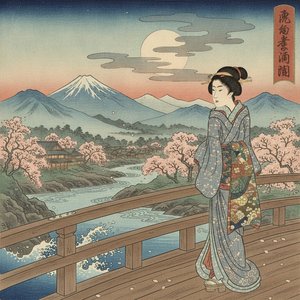
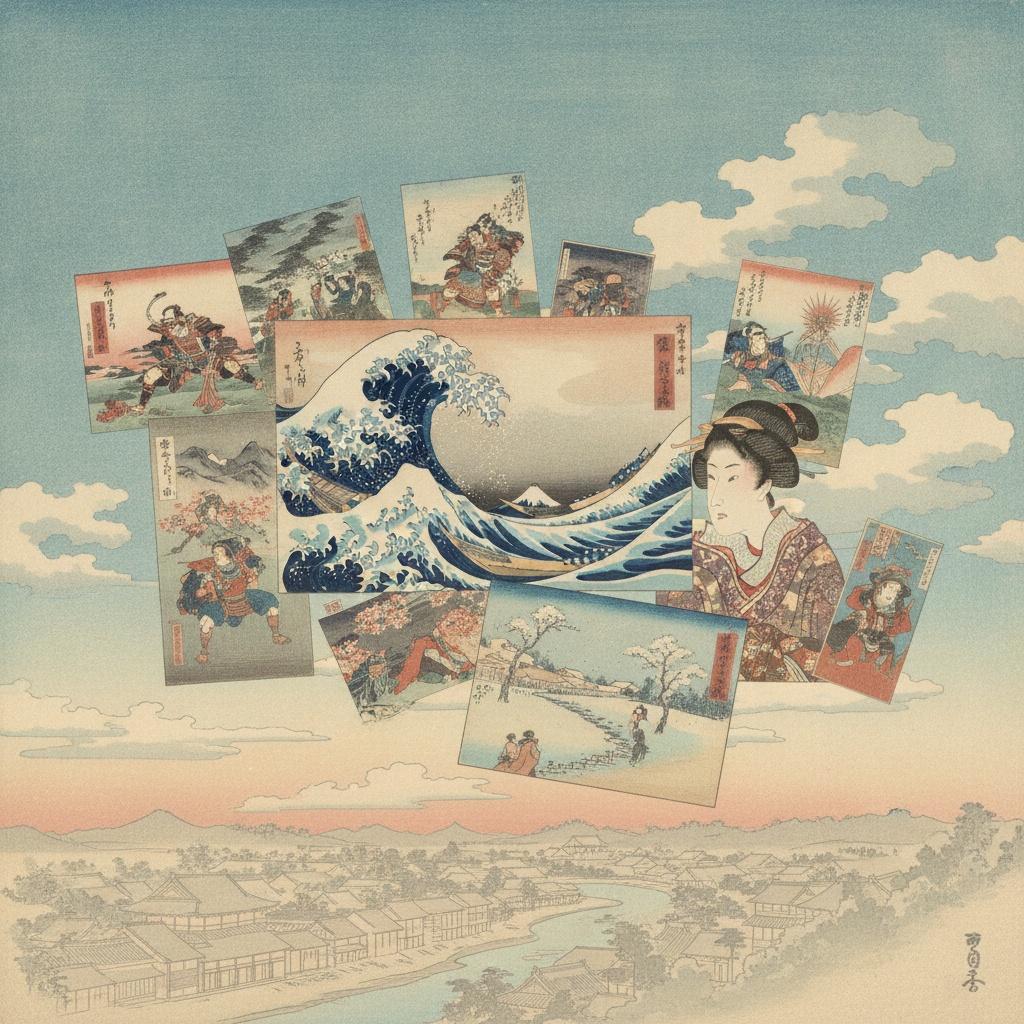
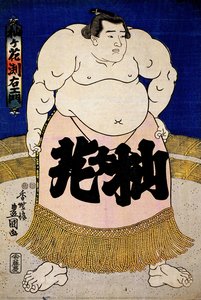
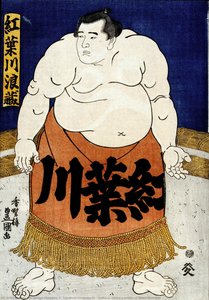
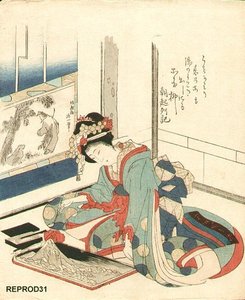
Ukiyo-e, or "pictures of the floating world," served as the visual heartbeat of this movement. These were not merely artworks intended for the elite; they were vibrant, accessible chronicles of a burgeoning middle class. Through the medium of woodblock printing, the joys and dramas of everyday life were captured in vivid pigments, allowing the common person to possess a fragment of the era's splendor. This art form sought to freeze the moment—the curve of a neck, the spray of a wave, or the quiet descent of cherry blossoms—rendering the temporary eternal through the meticulous application of ink and pressure.
Masters of the Woodblock: The Visionary Artists of Edo
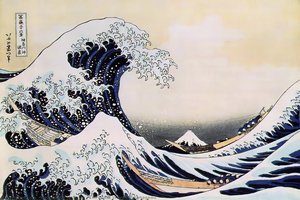
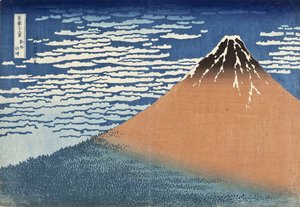
The history of Ukiyo-e is written by the hands of masters who possessed an uncanny ability to translate human emotion into graphic precision. Among these, Katsushika Hokusai stands as a titan of the genre. His work transcended mere documentation, reaching toward the sublime. In his iconic series, he did not simply paint mountains; he imbued Mount Fuji with a spiritual presence that resonated far beyond the borders of Japan. His ability to balance the monumental with the minute allowed him to command the viewer's gaze, guiding it from the crashing foam of a Great Wave to the delicate silhouette of a distant traveler.
While Hokusai captured the epic, others like Utagawa Hiroshige mastered the poetry of atmosphere. Hiroshige’s landscapes are studies in light and weather; his prints evoke the melancholy of sudden rain or the crisp stillness of a winter morning. The lineage of Ukiyo-e also flourished through prolific artists such as Utagawa Sadahide, whose detailed portraits of Edo's changing cityscape provided an invaluable historical record, and Okumura Toshinobu, who pioneered sophisticated printing techniques to depict the romantic allure of Kabuki actors. Each artist contributed a unique layer to this collective visual tapestry, weaving together a narrative of a society in motion.
Technique and Texture: The Alchemy of Ink, Paper, and Carving
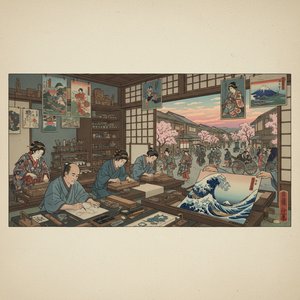
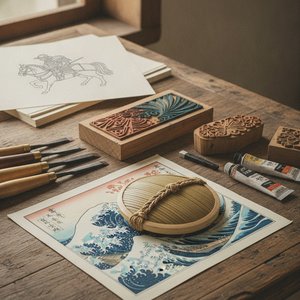
The creation of a Ukiyo-e print was a collaborative alchemy, a sophisticated dance between the artist, the carver, and the printer. It began with the gaki, or the master drawing, which was pasted face-down onto a block of wild cherry wood. With surgical precision, the carver would cut away the negative space, leaving only the essential lines of the composition in relief. This process required an extraordinary level of discipline, as a single errant stroke could compromise the entire design. The resulting blocks were not merely tools but vessels of intent, holding the structural integrity of the artist's vision.
The printing phase introduced the element of color and depth. Using water-based pigments, the printer would apply layers of ink to the block, often employing techniques like bokashi—a method of hand-applying gradation to create soft, atmospheric transitions in skies or water. The choice of paper, typically a resilient, absorbent mulberry fiber known as washi, was crucial for absorbing these delicate washes without losing detail. When the paper was pressed firmly against the inked block using a baren, a physical bond was formed, creating a texture that possessed a tactile vitality far beyond the reach of simple monochromatic ink drawings.
Cultural Reflections: Capturing the Pulse of Urban Japan
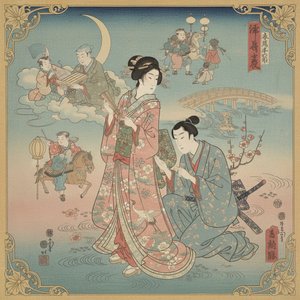
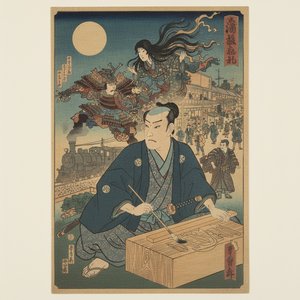
Beyond their aesthetic brilliance, Ukiyo-e prints functioned as the mass media of their time. They were the fashion magazines, news bulletins, and travel brochures of the Edo period. A single print could circulate news of a scandalous Kabuki performance or showcase the latest trends in kimono patterns among the urbanites of Yoshiwara. This reflected a society that was increasingly literate, visually oriented, and deeply invested in the spectacle of public life. The prints captured the bijin-ga—the beautiful women of the pleasure quarters—with a reverence for elegance and adornment that defined the era's standard of grace.
Furthermore, the genre documented the profound connection between the Japanese people and their natural environment. As travel became more accessible through improved road networks like the Tokaido, landscape prints became highly sought-after souvenirs. These works allowed those confined to urban centers to experience the spiritual majesty of distant shrines and the seasonal rhythms of the countryside. In this way, Ukiyo-e acted as a cultural bridge, uniting the bustling energy of the city with the timeless, sacred landscapes of the Japanese archipelago.
A Global Resonance: From Japonisme to Modern Impressionism
The legacy of Ukiyo-e underwent a dramatic transformation when Japan opened its borders to the West in the mid-19th century. The influx of these prints into Europe ignited a phenomenon known as Japonisme, which fundamentally altered the trajectory of Western art history. Artists such as Claude Monet, Edgar Degas, and Vincent van Gogh found themselves mesmerized by the unconventional compositions, the flattened perspectives, and the bold, unshaded color planes characteristic of the Japanese masters. The "floating world" had arrived in Paris, challenging the rigid hierarchies of academic realism.
This cross-cultural dialogue introduced a new way of seeing—one that valued the expressive power of line and the emotional impact of color over mere anatomical accuracy. The influence of Ukiyo-e can be traced through the rhythmic brushstrokes of Impressionism and into the structural experimentation of Post-Impressionism. Today, the spirit of the floating world lives on, not just in museums, but in the very DNA of modern graphic design and contemporary illustration. The ephemeral beauty captured by the masters of Edo continues to remind us that even in a world of constant change, there is profound permanence to be found in the art of the moment.
At ArtsDot.com, we celebrate this enduring legacy of human creativity. Our mission is to make the grandeur of art history accessible to all, offering everything from museum-quality hand-painted oil reproductions of the Old Masters to bespoke contemporary commissions. Whether you are seeking to transform a personal memory into a masterpiece or looking to adorn your space with the timeless elegance of classical landscapes, we provide the expertise and craftsmanship to bring history to life on your walls.