 Preview
 Send
Send Share
Share
 Details

 Download
 Similars
 X-Ray
X-Ray Diaporama
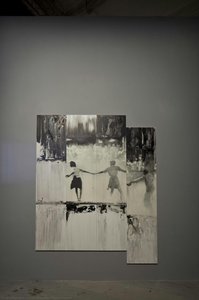
Ontologischer Sprung 1,2,3 (Aus dem geometrischen Skizzenbuch der Natur)
 Acrylic On Canvas
- WallArt
- Contemporary Realism
 1974
1974 71.0 x 109.0 cm
 Lentos Kunstmuseum Linz
 Read More
Giclée / Art Print
Museum-quality giclée or canvas print with fast production and flexible finish options. ( Buy Hand Made Painting Buy Image)




P118B $10

P118H $10

P118W $10

P438Z $10

P508JH $12

P508YH $12

P805H $10

P805Z $10

P919BZ $10

P919G $10

P919XJ $10

P959ZH $10

P968JZ $12

W106C $8

W218G $10

W218JH $8

W218Y $10

W307PJ $10

W316G $10

W316PJ $8

W316Y $10

W398PJ $8

W4111J $10

W500HY $15

W500JH $15

W692G $12

W849H $8

W940BG $15

W953PJ $8




Pick from our preset sizes that match the artwork's original proportions.

You may enter your own dimensions to fit a specific frame or space. If your selected size does not match the original image's proportions, we will either crop the artwork or extend the image with a mirrored or solid-fill edge. A digital mockup will be sent for your approval before production begins.
Please note that the on-screen preview does not reflect the actual cropping or extension. Only the mockup will accurately show the final composition.
While custom sizes are available, we recommend selecting a dimension from the predefined list to preserve the original proportions.
Worldwide Delivery () in 2 weeks instead of standard 4/5 weeks. (24 August)

Free Worldwide Express Shipping

High-Quality Linen Canvas

Full Shipping Insurance

Customs Tax Refund Guarantee

True Color Matching Guarantee

60-Day Return Policy (Defects Only)

100% Money-Back Guarantee

Bulk Discount Offer
 Glass option is only available in size under 110 CM

Ontologischer Sprung 1,2,3 (Aus dem geometrischen Skizzenbuch der Natur)
Giclée / Art Print
Reproduction Size
-


Total Price
$ 63
Collectible Description
Ontologischer Sprung 1,2,3 (Aus dem geometrischen Skizzenbuch der Natur): A Minimalist Meditation on Connection
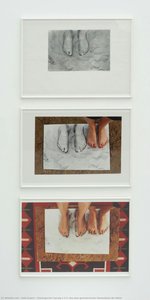
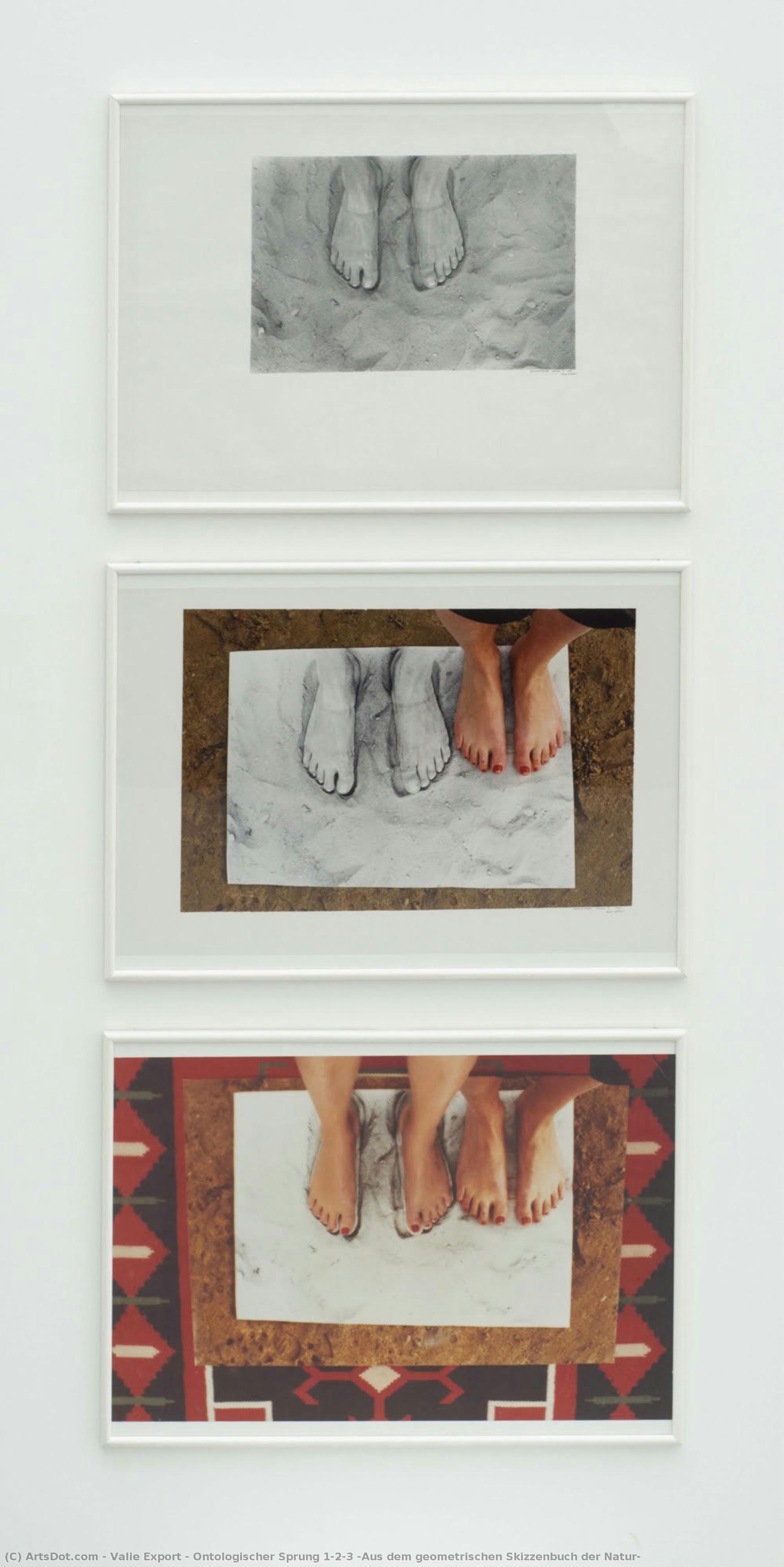
Valie Export’s “Ontologischer Sprung” – literally “Ontological Jump” – isn't merely a photograph; it’s an invitation to contemplate the profound relationship between humanity and the natural world. Created in 1974, this triptych exemplifies Export’s signature approach: stripping away ornamentation to reveal core concepts with startling clarity. The image depicts three meticulously framed photographs showcasing feet immersed in sand – a deceptively simple composition that belies its layered significance within the context of feminist art and expanded cinema.The Visual Language of Disruption
Export's artistic vision was rooted in challenging societal norms surrounding gender roles, and “Ontologischer Sprung” embodies this ethos perfectly. The stark white frames serve as a visual counterpoint to the earthy tones of the sand itself, emphasizing the vulnerability inherent in human presence against the backdrop of nature’s immensity. Export deliberately eschewed traditional artistic conventions, opting for documentary photography—a technique that prioritizes observation and honest representation over stylistic embellishment. This conscious decision reflects her broader commitment to dismantling patriarchal structures through subversive imagery.Technical Precision Meets Symbolic Resonance
The photographs themselves are executed with remarkable technical skill. Utilizing high-quality photographic paper and printing inks, Export achieved exceptional sharpness and detail in capturing the granular texture of the sand and the contours of human feet. The lighting is diffused and even, creating a serene atmosphere that invites contemplation. Lines dominate the image—primarily horizontal due to the frame’s structure—while shapes are predominantly organic, mirroring the fluidity of natural forms. Texture plays a crucial role; the first two images particularly showcase the tactile quality of sand grains, reinforcing the connection between human touch and the earth.A Symbol of Quiet Reflection
Beyond its aesthetic qualities, “Ontologischer Sprung” speaks to deeper themes. The feet in sand can be interpreted as representing grounding—a return to primal origins—and simultaneously acknowledge our susceptibility to external forces. Export’s deliberate use of minimalist aesthetics underscores the importance of reducing distractions and focusing on essential elements. It's a piece that encourages viewers to pause, observe, and consider their own place within the larger tapestry of existence. The subdued color palette – beige, grey, brown – contributes to this contemplative mood, mirroring the quiet beauty found in undisturbed landscapes.Provenance & Legacy
“Ontologischer Sprung” resides at Lentos Kunstmuseum Linz, Austria, where it continues to inspire artists and collectors alike. Valie Export’s pioneering work paved the way for a new wave of feminist art that interrogated conventional representations of femininity and explored alternative modes of expression. Her influence extends beyond visual arts, impacting film production and challenging cinematic narratives to prioritize female perspectives. Reproductions of this iconic image are available from Lentos Kunstmuseum Linz and numerous reputable art dealers worldwide.Related Artworks


Artist Biography
A Life Dedicated to Disruption: The Art of Valie Export
Born Waltraud Lehner in 1940 in the Austrian city of Linz, Valie Export emerged as a pivotal figure in the landscape of postwar art—a landscape she would relentlessly challenge and redefine. Her very name, adopted in 1967, is a declaration of artistic intent: a shedding of familial ties (both paternal and marital) and an embrace of self-invention. The moniker “Valie Export,” boldly capitalized, wasn’t merely a change; it was an act of exporting identity, a deliberate construction meant to dismantle conventional expectations surrounding women in art and society. This foundational gesture speaks volumes about the core tenets of her practice: autonomy, provocation, and a fierce commitment to dismantling patriarchal structures. Early influences included a somewhat restrictive convent education followed by studies at Vienna’s National School for Textile Industry, but it was a brief foray into the film industry – as a script girl, editor, and extra – that truly ignited her artistic trajectory, providing an intimate understanding of cinematic techniques she would later deconstruct with such brilliance.Challenging the Gaze: Performance, Body, and Expanded Cinema
Export’s work is fundamentally concerned with power dynamics—specifically, those governing the representation of women. She didn't simply depict female experience; she *embodied* it, using her own body as a primary medium for exploration and resistance. This manifested most powerfully in her groundbreaking performance pieces of the late 1960s and early 70s. Tapp- und Tastkino (Tap and Touch Cinema), created between 1968 and 1971, remains a landmark achievement—a radical intervention that flipped the script on voyeurism. Export wore a miniature “movie theater” constructed around her bare upper body, inviting passersby to touch rather than simply look. This wasn’t about titillation; it was about disrupting the passive consumption of the female form and forcing an active, tactile engagement with its reality. Similarly provocative was Aktionshose:genitalpanik (Action Pants: Genital Panic) (1968), a performance and photographic series where she exposed her genitalia at face level in an art cinema, confronting societal taboos head-on and challenging the very notion of public versus private. These weren’t isolated incidents; they were part of a larger project to reclaim agency over the female body and dismantle the male gaze that had historically defined its representation. Beyond performance, Export pioneered “expanded cinema,” pushing the boundaries of film beyond traditional projection formats. She incorporated performance, photography, and interactive installations into cinematic experiences, seeking to activate the audience and challenge their expectations of passive viewership.Influences and a Unique Feminist Voice
While deeply influenced by the radical spirit of the Vienna Actionists—Hermann Nitsch, Günter Brus, Otto Mühl, and Rudolf Schwarzkogler—Export distinguished herself through her explicitly feminist perspective. The Actionists were transgressive, certainly, but their transgressions often lacked a critical engagement with gender politics. Export, however, centered the female experience, using the same tools of provocation to expose the specific constraints placed upon women. She also drew inspiration from American artists like Yvonne Rainer and Carolee Schneemann, who were simultaneously exploring similar themes in performance art. However, Export’s work is uniquely situated within the context of postwar Austria—a nation grappling with its Nazi past and confronting issues of gender inequality. Her art served as a catalyst for feminist discourse, challenging the complacency of Austrian society and forcing a reckoning with uncomfortable truths. The historical moment was crucial; it wasn't simply about individual expression but about participating in a broader cultural shift.Legacy and Continued Relevance
Valie Export’s impact on contemporary art is immeasurable. She paved the way for generations of feminist artists, performance artists, and media artists who continue to explore themes of gender, identity, and representation. Her work remains strikingly relevant today, as we continue to grapple with issues of objectification, power dynamics, and the complexities of the female experience. Throughout her career, Export has also been a dedicated educator, holding professorships at prestigious institutions such as the Art Institute in San Francisco, University of Wisconsin-Milwaukee, and Berlin University of the Arts. She’s curated exhibitions focused on feminism and media art, further solidifying her role as a thought leader and mentor. Recent accolades, including the Max Beckmann Prize in 2022 and the Grand Decoration of Honor with Star for Services to the Republic of Austria, attest to her enduring influence and artistic significance. Export’s legacy isn't simply about the artworks she created; it’s about the questions she raised, the boundaries she shattered, and the space she opened up for others to explore the complexities of being human—and specifically, of being a woman—in a world still grappling with inequality.Beyond Boundaries: A Continuing Exploration
Even as her career spans decades, Valie Export continues to innovate. Her later work incorporates computer animations and sculptures, demonstrating a restless curiosity and an unwillingness to be confined by any single medium. Works like Ontologischer Sprung 1,2,3 (Aus dem geometrischen Skizzenbuch der Natur) (1974) showcase her minimalist photographic style while exploring themes of human connection and vulnerability. Export’s ongoing engagement with new technologies and artistic forms ensures that her work remains vital and relevant, constantly challenging viewers to reconsider their assumptions about art, gender, and the world around them. She is not an artist who rests on past achievements; she is a perpetual explorer, forever pushing the boundaries of what art can be and what it can do.
Valie Export
1940 - , Austria
Quick Facts
- Artistic Movement Or Style: Feminist art, Performance art
- Artists Or Movements Influenced By This Artist:
- Feminist art
- Performance art
- Expanded cinema
- Artists Who Influenced This Artist:
- Vienna Actionists
- Yvonne Rainer
- Carolee Schneemann
- Date Of Birth: May 17, 1940
- Full Name: Waltraud Lehner
- Nationality: Austrian
- Notable Artworks:
- Tapp- und Tast-kino
- Aktionshose:genitalpanik
- Remote, Remote
- Body Sign Action
- Place Of Birth: Linz, Austria
Related Articles

Beyond the Lens: Photography's Enduring Influence on Modern & Contemporary Art
Explore photography's pivotal role in shaping modern & contemporary art. Discover key movements, influential artists like Stieglitz, and expert collecting advice from ArtsDot.

Monochrome Visions: Exploring the Aesthetic & Historical Significance of Black & White Photography
Explore the rich history & artistic power of black and white photography. From early techniques to iconic masters like Ansel Adams, discover why monochrome continues to captivate art lovers today. Expert insights for collectors.

Pictorialism: A Search for Artistic Photography's Soul – Aesthetics, Techniques & Legacy
Explore the captivating world of Pictorialism – a pivotal movement that transformed photography into fine art. Discover key artists like Stieglitz & Käsebier, techniques, and collecting tips from experts.

Witnessing History Through Lens & Light: Documentary Photography's Enduring Legacy
Explore the powerful history of documentary photography – from its origins to contemporary masters like Gordon Parks & W. Eugene Smith. Discover how this art form shapes our understanding of society and witness pivotal moments in time.
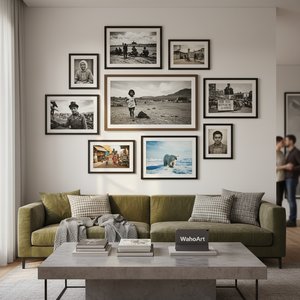
Documentary Photography's Defining Moments: 10 Masterpieces for Your Home |
Explore 10 defining documentary photography masterpieces – from Dorothea Lange to Robert Capa. Discover powerful stories, iconic images & timeless art for your home. Museum-quality prints at .