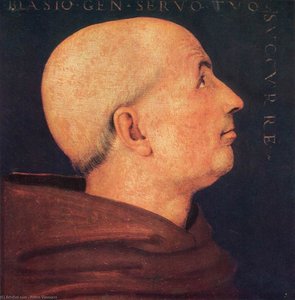
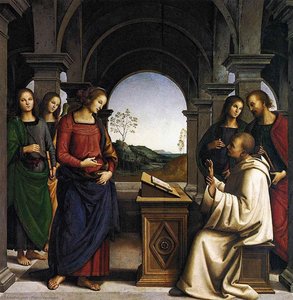
![The Madonna Between St. John The Baptist And St. Sebastian [detail] — Vannucci Pietro (le Perugin)](/media/artworks/images/full/df/56/df5618dddce945b6add0465991adfe7f.Jpg)
 Preview
 Send
Send Share
Share
 Details

 Download
 Similars
 X-Ray
X-Ray Diaporama
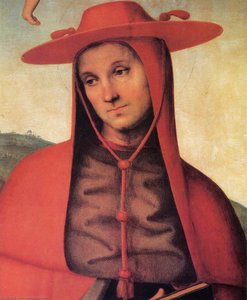
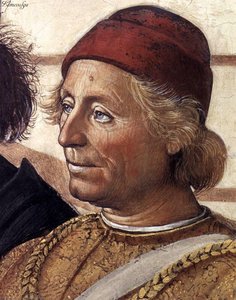
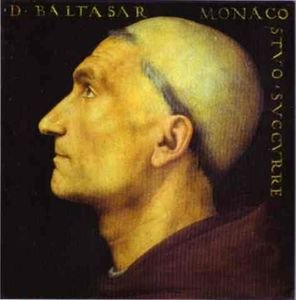
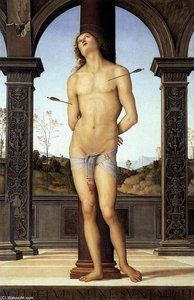
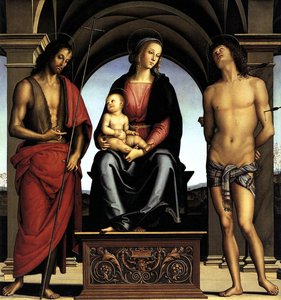
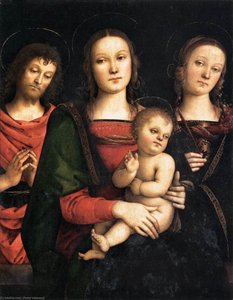
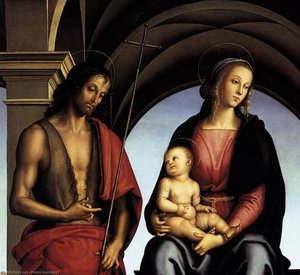
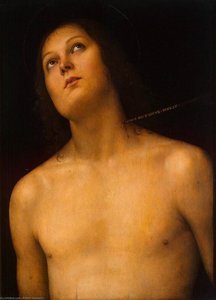
The Madonna between St. John the Baptist and St. Sebastian [detail]


 Read More
Hand Made Oil Reproduction
Hand-painted oil on canvas in your size and frame, made to order by our artists. ( Buy Print Buy Image)




P118B $10

P118H $10

P118W $10

P438Z $10

P508JH $12

P508YH $12

P805H $10

P805Z $10

P919BZ $10

P919G $10

P919XJ $10

P959ZH $10

P968JZ $12

W106C $8

W218G $10

W218JH $8

W218Y $10

W307PJ $10

W316G $10

W316PJ $8

W316Y $10

W398PJ $8

W4111J $10

W500HY $15

W500JH $15

W692G $12

W849H $8

W940BG $15

W953PJ $8




Pick from our preset sizes that match the artwork's original proportions.

You may enter your own dimensions to fit a specific frame or space. If your selected size does not match the original image's proportions, we will either crop the artwork or extend the painting with additional hand-painted elements. A digital mockup will be sent for your approval before production begins.
Please note that the on-screen preview does not reflect the actual cropping or extension. Only the mockup will accurately show the final composition.
While custom sizes are available, we recommend selecting a dimension from the predefined list to preserve the original proportions.
After order, ArtsDot.com team will email client for instructions and provide a mockup preview
Worldwide Delivery () in 3/4 weeks instead of standard 5 weeks. (16 August). No compromise on quality.

Free Worldwide Express Shipping

High-Quality Linen Canvas

Full Shipping Insurance

Customs Tax Refund Guarantee

True Color Matching Guarantee

60-Day Return Policy (Defects Only)

100% Money-Back Guarantee

Bulk Discount Offer
 Glass option is only available in size under 110 CM

The Madonna between St. John the Baptist and St. Sebastian [detail]
Reproduction Medium
Reproduction Size
-


Total Price
$ 263
Artwork Description
A Vision of Renaissance Grace: The Madonna between St. John the Baptist and St. Sebastian
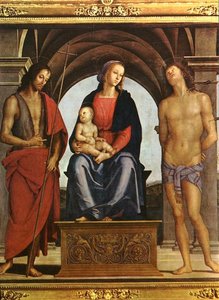
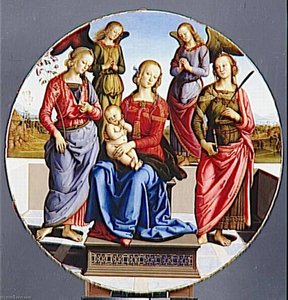
To stand before this masterpiece by Vannucci Pietro, known to us as Le Perugin, is to step directly into the luminous heart of the Italian Renaissance. Painted in 1493, this oil on panel work, currently gracing the halls of the Galleria degli Uffizi, transcends mere portraiture; it is a profound meditation on devotion, purity, and divine connection. The composition itself—the Madonna held tenderly between the steadfast figures of St. John the Baptist and St. Sebastian—is a quintessential arrangement that speaks volumes through its quiet grandeur. Le Perugin masterfully captures not just three figures, but an entire spiritual ecosystem, inviting the viewer into a moment suspended between earthly beauty and heavenly grace.
Mastery in Oil on Panel: Technique and Detail
The technical brilliance evident in this piece is breathtaking. Executed using oil on panel, the medium allowed Le Perugin to achieve a depth of color and an intricacy of detail that speaks to the pinnacle of Quattrocento artistry. Observe the handling of the drapery; the folds of the clothing are not merely decorative elements but seem to possess weight and life, catching the light in subtle shifts of pigment. The vibrancy of the colors, particularly those adorning the central figure, contrasts beautifully with the more muted tones surrounding her, drawing the eye inexorably toward the Madonna. This meticulous attention to texture, from the richness of the fabric to the delicate modeling of skin, showcases an unparalleled command over his craft.
Symbolism Woven into Sacred Form
Art in this era was rarely purely aesthetic; it was deeply symbolic. Here, the symbolism is rich and layered. The Madonna herself embodies purity—a luminous focal point against the narrative tension provided by her companions. St. John the Baptist, often depicted as a voice crying out in the wilderness, represents prophetic devotion, while St. Sebastian, marked by his vulnerability yet enduring strength, speaks to sacrificial love. Together, they form a visual triptych of Christian virtues: purity, prophecy, and endurance. These symbolic anchors ground the painting in profound theological meaning, making it an object of contemplation as much as admiration.
Echoes for the Modern Collector
For those who seek to bring the sublime elegance of history into a contemporary space, this artwork offers unparalleled inspiration. While its original scale and presence are monumental, understanding its composition allows one to appreciate its enduring emotional resonance. The gentle yet knowing gaze emanating from the central figure connects with the viewer across the centuries. Owning or displaying a high-quality reproduction of this piece is not simply acquiring art; it is curating a focal point steeped in history, humanism, and timeless devotion—a quiet testament to the enduring power of Renaissance genius.
Related Artworks

Artist Biography
Pietro Vannucci (Le Perugino): The Maestro of Florentine Madonna Painting
Pietro Vannucci, commonly known as Le Perugino—a name derived from his birthplace—was a pivotal figure in the Florentine Renaissance, cementing his reputation as one of Italy’s most celebrated painters. Born around 1446 in Perugia, Umbria, he emerged from a family steeped in artistic tradition and quickly established himself as a prolific artist whose serene depictions of Mary and Jesus captivated audiences across Europe. His distinctive style—characterized by luminous colors, graceful compositions, and an unparalleled sensitivity to humanist ideals—influenced generations of artists and continues to inspire admiration today.- Early Life & Artistic Training:
- Formal Education: Vannucci’s artistic journey began with training under Piero della Francesca in Arezzo, absorbing the master's mastery of perspective and idealized realism. This formative experience instilled a profound appreciation for mathematical precision combined with spiritual contemplation—a hallmark of his oeuvre.
- Florence & Patronage:
- Arrival in Florence: Around 1470, Vannucci relocated to Florence under the patronage of Lorenzo de’ Medici, securing commissions that propelled him to international acclaim. His association with Medici fostered an environment conducive to artistic innovation and allowed him to collaborate with luminaries like Michelangelo and Sandro Botticelli.
Style & Technique: The Essence of Florentine Idealism
Le Perugino’s artistic vision revolved around achieving a harmonious blend of observation and imagination. He meticulously studied natural forms—particularly landscapes—to inform his paintings, yet he skillfully manipulated light and color to convey profound emotional depth. His technique involved layering thin glazes of pigment upon toned ground, creating surfaces that shimmered with ethereal beauty. This meticulous approach resulted in canvases imbued with an unparalleled sense of tranquility and grace – a stylistic hallmark that distinguishes him from many of his contemporaries.- Color Palette: Vannucci favored pastel hues—particularly blues, greens, and yellows—to evoke the serenity of Marian scenes. These colors were applied with remarkable subtlety, enhancing the luminous quality of his paintings.
- Composition & Perspective:
- Balanced Arrangements: His compositions prioritized balance and harmony, reflecting humanist ideals that emphasized proportion and order. Vannucci skillfully employed linear perspective to create convincing spatial illusions, grounding his figures within believable environments.
Notable Works & Legacy
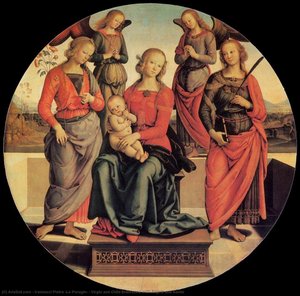
Le Perugino’s artistic output spanned decades and encompassed a vast array of commissions—ranging from altarpieces adorning churches to portraits capturing the dignity of noble families. Among his most iconic creations are “The Virgin and Child Surrounded by Two Angels,” “Saint Jerome Soutenant Deux Jeunes Pendus” and "Virgin and Child Enthroned with Angels and Saints"—each demonstrating his unparalleled ability to convey spiritual grace through visual artistry. These paintings stand as enduring symbols of Florentine Renaissance aesthetics, influencing artists for centuries afterward.- "The Virgin and Child Surrounded by Two Angels": Considered one of Le Perugino’s finest achievements, this masterpiece exemplifies his mastery of color and composition, capturing the tenderness of Mary and Jesus with breathtaking sensitivity.
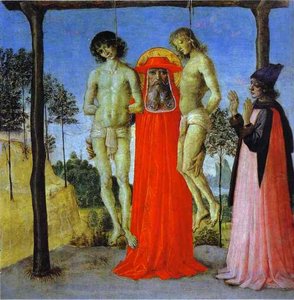
- "Saint Jerome Soutenant Deux Jeunes Pendus": This poignant depiction showcases Vannucci's ability to infuse religious imagery with psychological nuance—a testament to his profound understanding of human emotion.
Influence & Historical Significance
Le Perugino’s influence extended far beyond the confines of Florence, shaping artistic trends across Italy and inspiring artists in Northern Europe. His serene style resonated with humanist sensibilities—promoting a vision of beauty rooted in moral virtue—and solidified his position as one of the foremost painters of his era. Today, Le Perugino's legacy persists—serving as an exemplar of Renaissance idealism and demonstrating the transformative power of art to elevate human consciousness.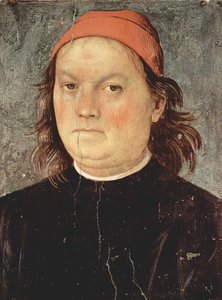
vannucci pietro (le perugin)
1446 - 1523
Quick Facts
- Artistic Movement Or Style: Renaissance
- Artists Or Movements Influenced By This Artist:
- Raphael
- Northern Renaissance
- Artists Who Influenced This Artist:
- Michelangelo Buonarroti
- Leonardo da Vinci
- Date Of Birth: c. 1446
- Date Of Death: 1523
- Full Name: Pietro Vannucci
- Nationality: Italian
- Notable Artworks:
- The Virgin and Child Surrounded by Two Angels, St. Rose, and St. Catherine
- Virgin and Child Enthroned with Angels and Saints
- SAINT JEROME SOUTENANT DEUX JEUNES PENDUS
- Place Of Birth: Umbria, Italy
Related Articles

Giclée Prints: Archival Quality & Aesthetic Nuances for the Discerning Collector
Explore the world of giclée prints with ArtsDot. Learn about archival quality, aesthetic nuances & investment potential. Expert guidance for discerning art collectors seeking museum-quality reproductions and lasting value.

Echoes of Time: Exploring the Enduring Appeal & Historical Context of Vintage Art Prints
Explore the captivating world of vintage art prints! Discover their history, collecting tips & enduring appeal. Expert insights on chromolithography and building a legacy collection with ArtsDot.

The Enduring Legacy of Fine Art Prints: Technique, History & Aesthetic Impact
Explore the rich history & techniques of fine art prints. Discover investment potential, assess authenticity, and learn how to preserve your collection with expert guidance. Trusted insights for discerning collectors.

The Enduring Legacy of Printmaking: Techniques, Themes & Artistic Innovation Across Centuries
Explore the rich history of printmaking with ArtsDot. Discover techniques from intaglio to lithography, learn about collecting valuable prints & find museum-quality reproductions. Expert insights for art enthusiasts and collectors.
Raphael's Masterpieces: 25 Iconic Paintings & Renaissance Art for Your Home
Explore 25 breathtaking Raphael paintings! Journey through the Italian Renaissance with masterpieces like 'School of Athens' & iconic Madonnas. Find museum-quality art reproductions and elevate your home decor on ArtsDot.com.
![The Madonna between St. John the Baptist and St. Sebastian [detail]](/media/artworks/images/thumbnails/ad/ad/adadce3c43174b99bc91b80d8fcb158f.jpg)