 Preview
 Send
Send Share
Share
 Details

 Download
 Similars
 X-Ray
X-Ray Diaporama
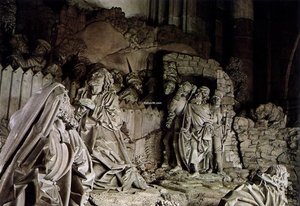
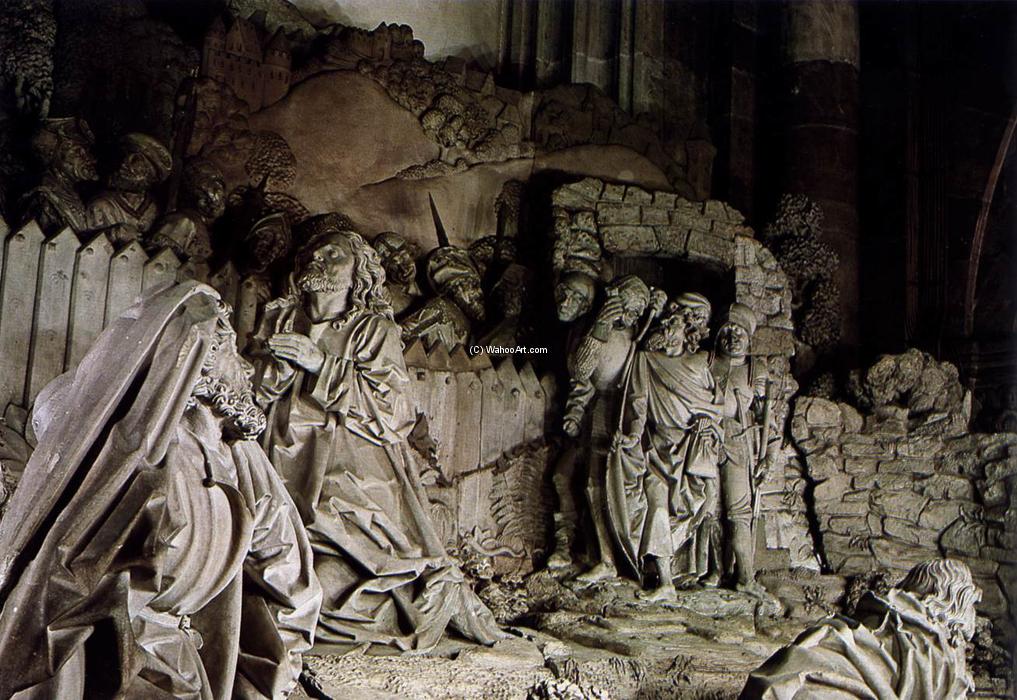
Christ in the Garden of Gethsemane


 Read More
Hand Made Oil Reproduction
Hand-painted oil on canvas in your size and frame, made to order by our artists. ( Buy Print Buy Image)




P118B $10

P118H $10

P118W $10

P438Z $10

P508JH $12

P508YH $12

P805H $10

P805Z $10

P919BZ $10

P919G $10

P919XJ $10

P959ZH $10

P968JZ $12

W106C $8

W218G $10

W218JH $8

W218Y $10

W307PJ $10

W316G $10

W316PJ $8

W316Y $10

W398PJ $8

W4111J $10

W500HY $15

W500JH $15

W692G $12

W849H $8

W940BG $15

W953PJ $8




Pick from our preset sizes that match the artwork's original proportions.

You may enter your own dimensions to fit a specific frame or space. If your selected size does not match the original image's proportions, we will either crop the artwork or extend the painting with additional hand-painted elements. A digital mockup will be sent for your approval before production begins.
Please note that the on-screen preview does not reflect the actual cropping or extension. Only the mockup will accurately show the final composition.
While custom sizes are available, we recommend selecting a dimension from the predefined list to preserve the original proportions.
After order, ArtsDot.com team will email client for instructions and provide a mockup preview
Worldwide Delivery () in 3/4 weeks instead of standard 5 weeks. (26 August). No compromise on quality.

Free Worldwide Express Shipping

High-Quality Linen Canvas

Full Shipping Insurance

Customs Tax Refund Guarantee

True Color Matching Guarantee

60-Day Return Policy (Defects Only)

100% Money-Back Guarantee

Bulk Discount Offer
 Glass option is only available in size under 110 CM

Christ in the Garden of Gethsemane
Reproduction Medium
Reproduction Size
-


Total Price
$ 263
Related Artworks



Artist Biography
The Spiritual Vision of Veit Wagner: A Life Dedicated to Religious Art
Veit Wagner, also known as Walter Wagner, remains a somewhat enigmatic figure in the landscape of 19th-century German art, yet his contributions to the burgeoning Nazarene movement and his dedication to religious fresco painting are increasingly recognized for their profound spiritual depth and technical skill. Born in Germany (the exact location and date remain undocumented), Wagner lived during a period of intense artistic ferment, marked by a growing dissatisfaction with academic formalism and a yearning for a return to the perceived purity and sincerity of early Renaissance art. While biographical details are scarce, his work speaks volumes about a life deeply immersed in faith and a commitment to expressing its tenets through visual means. He passed away in 1518, leaving behind a legacy that continues to inspire contemplation on the power of religious imagery.Early Influences and the Embrace of Nazarenism
Wagner’s artistic development was inextricably linked to the rise of Nazarenism, a group of German Romantic artists who rejected the prevailing Neoclassical style in favor of the pre-Raphaelite masters – particularly those of the Italian Renaissance. These artists sought inspiration not in the grandeur of Rome or Paris, but in the simplicity and piety of early Christian art, believing it held the key to unlocking genuine religious feeling. The movement’s founders, like Friedrich Overbeck and Franz Pforr, advocated for a return to medieval artistic principles, emphasizing line over color, spiritual content over technical virtuosity, and communal workshops as a means of fostering artistic collaboration. Wagner wholeheartedly embraced these ideals, becoming a dedicated member of the brotherhood and aligning his artistic practice with their core tenets. The influence of Dürer and other Northern Renaissance masters is also evident in his meticulous detail and expressive use of line. He wasn’t merely adopting a style; he was participating in a broader cultural and spiritual revival, seeking to reconnect art with its devotional roots.Fresco Cycles and the Expression of Faith
Wagner's primary artistic output consisted of large-scale fresco cycles decorating churches and religious institutions. These works weren’t simply decorative; they were intended as vehicles for theological instruction and spiritual edification. His frescoes typically depict scenes from the life of Christ, the Virgin Mary, and various saints, rendered with a remarkable clarity and emotional intensity. He possessed a gift for conveying narrative through carefully composed figures and expressive gestures. Wagner’s palette is often subdued, favoring earth tones and muted colors that contribute to an atmosphere of solemnity and reverence. The compositions are characterized by their rhythmic balance and harmonious arrangement, drawing the viewer into the sacred space depicted. While specific commissions and locations remain difficult to trace due to limited documentation, surviving examples demonstrate a consistent commitment to portraying religious themes with dignity and grace.Technical Mastery and Artistic Style
Wagner’s skill as a fresco painter was considerable. The technique itself is demanding, requiring rapid execution and precise control of pigment application onto wet plaster. His ability to create durable and visually compelling frescoes speaks to his mastery of this ancient art form. He employed a meticulous approach, carefully underdrawing his compositions before applying the layers of color.- His figures are often elongated and idealized, reminiscent of early Renaissance prototypes.
- Wagner’s use of light and shadow is subtle yet effective, creating a sense of depth and volume.
- He paid close attention to anatomical detail, though always in service of conveying spiritual meaning rather than mere physical realism.
Historical Significance and Lasting Legacy
Veit Wagner, though not as widely celebrated as some of his Nazarene contemporaries, played an important role in shaping the aesthetic landscape of 19th-century German religious art. His dedication to fresco painting helped revive this ancient technique and demonstrated its potential for expressing profound spiritual themes. The Nazarene movement itself had a significant impact on subsequent artistic developments, influencing artists such as the Pre-Raphaelites in England and inspiring a broader interest in medieval art and spirituality. Wagner’s work serves as a testament to the power of faith, the enduring appeal of religious imagery, and the importance of artistic collaboration in pursuing shared spiritual goals. While much remains unknown about his life, his frescoes continue to offer viewers a glimpse into the heart and mind of an artist deeply committed to expressing the beauty and mystery of the divine through the timeless medium of art.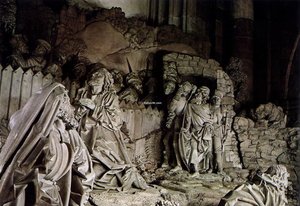
veit wagner
1518 , Germany
Quick Facts
- Artistic Movement Or Style: Nazarene Movement
- Artists Or Movements Influenced By This Artist: ['Renaissance']
- Artists Who Influenced This Artist: ['Hugo Meister']
- Date Of Death: 1518
- Full Name: Veit Wagner
- Nationality: German
- Notable Artworks: ['Christ in the Garden of Gethsemane']
- Place Of Birth: Bergheim, Alsace
Related Articles

Bronze Sculptures That Defined Art History | ArtsDot
Journey through art history with our Top 10 bronze sculptures! Explore masterpieces by Rodin, Michelangelo & more. Discover stories behind iconic statues and find museum-quality reproductions for your home decor at ArtsDot.com.

The Enduring Form: Exploring Themes & Techniques in Sculpture Across Historical Periods
Explore the rich history of sculpture from ancient masterpieces to contemporary innovations. Discover key techniques, influential artists & investment potential for discerning art collectors.

Bronze Age to Modern Masters: 10 Sculptures That Redefined Art | ArtsDot
Journey through art history with 10 legendary bronze sculptures – from Michelangelo's David to Rodin’s Thinker. Explore the stories, techniques & timeless beauty of these masterpieces. Find museum-quality reproductions & elevate your home decor on ArtsDot.com.

The Enduring Form: Sculpture Across History, Technique & Emotional Resonance
Explore the rich history of sculpture with ArtsDot. Discover key techniques, influential artists & investment potential for discerning collectors. Expert insights into valuing and collecting timeless masterpieces.
Cultivating Paradise: A Historical & Artistic Exploration of Gardens in Painting
Explore the rich history of gardens in painting! Discover masterpieces from Renaissance to Impressionism & beyond. Learn about symbolism, artists like Monet & Klimt, and find your perfect artwork at ArtsDot.