

 Preview
 Send
Send Share
Share
 Details

 Download
 Similars
 X-Ray
X-Ray Diaporama
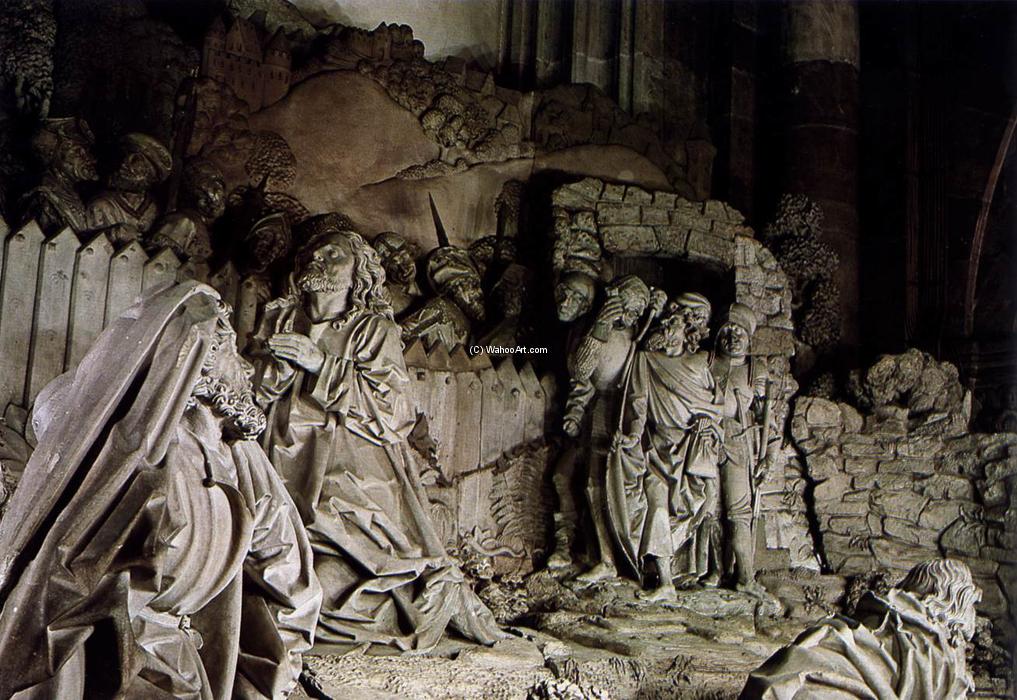
Christ in the Garden of Gethsemane


 Read More
Purchase a high-resolution, enhanced digital image, far superior to the online preview.
Each file is meticulously prepared by our in-house specialists using advanced tools and expert manual retouching. We ensure every image has exceptional clarity, precise color accuracy, and fine detail.
The final file is delivered via email within 72 hours, optimized for immediate use in professional, editorial, and print environments. This is the same quality trusted by top-tier design studios, publishers, and galleries.
Digital Image
Download a high-resolution file for personal display, printing, and creative projects. ( Buy Print Buy Hand Made Painting)
Included in Every Digital Image Order
Expert Digital Delivery, Guaranteed
When you choose ArtsDot.com, you're not just getting an image - you're receiving a professionally enhanced digital artwork, crafted with precision and backed by a satisfaction guarantee. Here's everything that comes with your order, automatically:

Fast Email Delivery
Your high-resolution digital image file will be emailed to you within 72 hours of ordering - ready for immediate use.

AI-Enhanced Digital File
Your artwork is professionally optimized using advanced AI tools and manual editing, ensuring maximum detail, clarity, and color accuracy.

Free Lifetime Re-Delivery
Accidentally deleted or lost your file? No worries - we'll resend it to you anytime, free of charge.

No Import Fees - Ever
Enjoy your artwork instantly with zero customs, duties, or delivery fees - digital downloads are always tax-free.

Color Accuracy Guarantee
We ensure your digital image reflects the original colors as closely as possible using professional tools and color management.

60-Day Satisfaction Guarantee
If you're not satisfied with your digital image, we'll revise it or refund 100% within 60 days - no questions asked.

100% Money-Back Guarantee
Not satisfied? Get a full refund within 60 days of receiving your digital file - no questions asked.

Bulk Order Discounts
Buy 3 images, save 10% - Buy 5, save 15% - Buy 10+, save 20%. Great for creative projects, galleries, and agencies.
Related Artworks


Artist Biography
The Spiritual Vision of Veit Wagner: A Life Dedicated to Religious Art
Veit Wagner, also known as Walter Wagner, remains a somewhat enigmatic figure in the landscape of 19th-century German art, yet his contributions to the burgeoning Nazarene movement and his dedication to religious fresco painting are increasingly recognized for their profound spiritual depth and technical skill. Born in Germany (the exact location and date remain undocumented), Wagner lived during a period of intense artistic ferment, marked by a growing dissatisfaction with academic formalism and a yearning for a return to the perceived purity and sincerity of early Renaissance art. While biographical details are scarce, his work speaks volumes about a life deeply immersed in faith and a commitment to expressing its tenets through visual means. He passed away in 1518, leaving behind a legacy that continues to inspire contemplation on the power of religious imagery.Early Influences and the Embrace of Nazarenism
Wagner’s artistic development was inextricably linked to the rise of Nazarenism, a group of German Romantic artists who rejected the prevailing Neoclassical style in favor of the pre-Raphaelite masters – particularly those of the Italian Renaissance. These artists sought inspiration not in the grandeur of Rome or Paris, but in the simplicity and piety of early Christian art, believing it held the key to unlocking genuine religious feeling. The movement’s founders, like Friedrich Overbeck and Franz Pforr, advocated for a return to medieval artistic principles, emphasizing line over color, spiritual content over technical virtuosity, and communal workshops as a means of fostering artistic collaboration. Wagner wholeheartedly embraced these ideals, becoming a dedicated member of the brotherhood and aligning his artistic practice with their core tenets. The influence of Dürer and other Northern Renaissance masters is also evident in his meticulous detail and expressive use of line. He wasn’t merely adopting a style; he was participating in a broader cultural and spiritual revival, seeking to reconnect art with its devotional roots.Fresco Cycles and the Expression of Faith
Wagner's primary artistic output consisted of large-scale fresco cycles decorating churches and religious institutions. These works weren’t simply decorative; they were intended as vehicles for theological instruction and spiritual edification. His frescoes typically depict scenes from the life of Christ, the Virgin Mary, and various saints, rendered with a remarkable clarity and emotional intensity. He possessed a gift for conveying narrative through carefully composed figures and expressive gestures. Wagner’s palette is often subdued, favoring earth tones and muted colors that contribute to an atmosphere of solemnity and reverence. The compositions are characterized by their rhythmic balance and harmonious arrangement, drawing the viewer into the sacred space depicted. While specific commissions and locations remain difficult to trace due to limited documentation, surviving examples demonstrate a consistent commitment to portraying religious themes with dignity and grace.Technical Mastery and Artistic Style
Wagner’s skill as a fresco painter was considerable. The technique itself is demanding, requiring rapid execution and precise control of pigment application onto wet plaster. His ability to create durable and visually compelling frescoes speaks to his mastery of this ancient art form. He employed a meticulous approach, carefully underdrawing his compositions before applying the layers of color.- His figures are often elongated and idealized, reminiscent of early Renaissance prototypes.
- Wagner’s use of light and shadow is subtle yet effective, creating a sense of depth and volume.
- He paid close attention to anatomical detail, though always in service of conveying spiritual meaning rather than mere physical realism.
Historical Significance and Lasting Legacy
Veit Wagner, though not as widely celebrated as some of his Nazarene contemporaries, played an important role in shaping the aesthetic landscape of 19th-century German religious art. His dedication to fresco painting helped revive this ancient technique and demonstrated its potential for expressing profound spiritual themes. The Nazarene movement itself had a significant impact on subsequent artistic developments, influencing artists such as the Pre-Raphaelites in England and inspiring a broader interest in medieval art and spirituality. Wagner’s work serves as a testament to the power of faith, the enduring appeal of religious imagery, and the importance of artistic collaboration in pursuing shared spiritual goals. While much remains unknown about his life, his frescoes continue to offer viewers a glimpse into the heart and mind of an artist deeply committed to expressing the beauty and mystery of the divine through the timeless medium of art.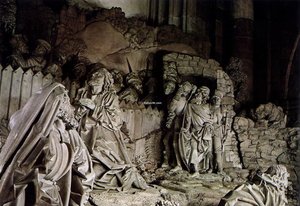
veit wagner
1518 , Germany
Quick Facts
- Artistic Movement Or Style: Nazarene Movement
- Artists Or Movements Influenced By This Artist: ['Renaissance']
- Artists Who Influenced This Artist: ['Hugo Meister']
- Date Of Death: 1518
- Full Name: Veit Wagner
- Nationality: German
- Notable Artworks: ['Christ in the Garden of Gethsemane']
- Place Of Birth: Bergheim, Alsace

