

 Preview
 Send
Send Share
Share
 Details

 Download
 Similars
 X-Ray
X-Ray Diaporama
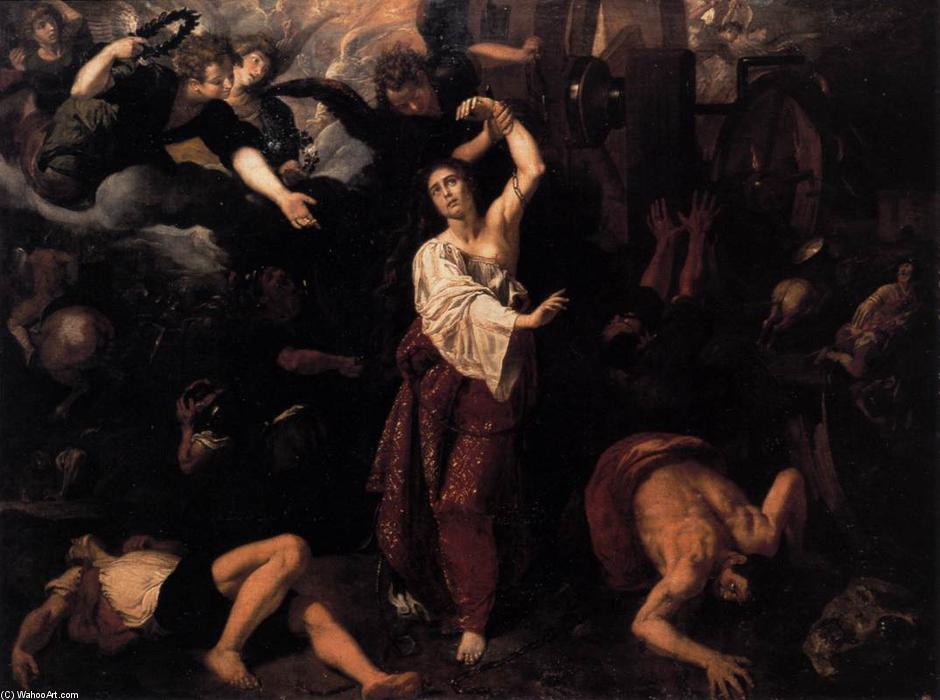
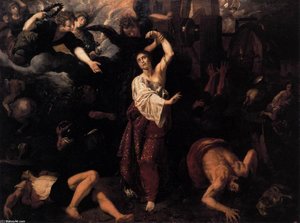
The Martyrdom of St Catherine of Alexandria
 1617
1617 157.0 x 207.0 cm
 Museo de Bellas Artes
 Read More
Purchase a high-resolution, enhanced digital image, far superior to the online preview.
Each file is meticulously prepared by our in-house specialists using advanced tools and expert manual retouching. We ensure every image has exceptional clarity, precise color accuracy, and fine detail.
The final file is delivered via email within 72 hours, optimized for immediate use in professional, editorial, and print environments. This is the same quality trusted by top-tier design studios, publishers, and galleries.
Digital Image
Download a high-resolution file for personal display, printing, and creative projects. ( Buy Print Buy Hand Made Painting)
Included in Every Digital Image Order
Expert Digital Delivery, Guaranteed
When you choose ArtsDot.com, you're not just getting an image - you're receiving a professionally enhanced digital artwork, crafted with precision and backed by a satisfaction guarantee. Here's everything that comes with your order, automatically:

Fast Email Delivery
Your high-resolution digital image file will be emailed to you within 72 hours of ordering - ready for immediate use.

AI-Enhanced Digital File
Your artwork is professionally optimized using advanced AI tools and manual editing, ensuring maximum detail, clarity, and color accuracy.

Free Lifetime Re-Delivery
Accidentally deleted or lost your file? No worries - we'll resend it to you anytime, free of charge.

No Import Fees - Ever
Enjoy your artwork instantly with zero customs, duties, or delivery fees - digital downloads are always tax-free.

Color Accuracy Guarantee
We ensure your digital image reflects the original colors as closely as possible using professional tools and color management.

100-Day Satisfaction Guarantee
If you're not satisfied with your digital image, we'll revise it or refund 100% within 100 days - no questions asked.

100% Money-Back Guarantee
Not satisfied? Get a full refund within 100 days of receiving your digital file - no questions asked.

Bulk Order Discounts
Buy 3 images, save 10% - Buy 5, save 15% - Buy 10+, save 20%. Great for creative projects, galleries, and agencies.
The Artist and His Style
Vicente Castelló was a renowned Spanish painter who was active during the 17th century. His style is often compared to that of his father-in-law, Francisco Ribalta, and his brother-in-law, Juan Ribalta. However, Castelló's works are distinct due to their exaggerated foreshortenings, longer figures, and darker backgrounds. To learn more about the artist and his style, visit https://ArtsDot.com and explore the various paintings available, including The Martyrdom of St Catherine of Alexandria.The Painting's Composition and Symbolism
The painting depicts the dramatic scene of St Catherine of Alexandria's martyrdom. The saint is shown standing at the center, dressed in a white robe and holding a book and a sword. These symbols represent her scholarly pursuits and her bravery in the face of death. Surrounding her are various figures, including an angel and a devil, which add to the dynamic and emotional intensity of the scene. For more information on the painting's composition and symbolism, visit /art/list/?Filter=8Y35VR-Vicente-Castello-The-Martyrdom-of-St-Catherine-of-Alexandria.- The use of light and shadow creates a sense of drama and tension in the painting.
- The figures are highly detailed, with intricate clothing and facial expressions.
- The background is filled with architectural elements, adding to the overall sense of grandeur and importance.
The Museo de Bellas Artes in Bilbao, Spain, is home to an extensive collection of artworks, including paintings by Vicente Castelló and other notable artists. For more information on the museum and its collections, visit /art/list/?Filter=A@D3ATK3-Museo-de-Bellas-Artes-(Bilbao-Spain)-A-Comprehensive-Guide.
Related Artworks
Artist Biography
Vicente Castelló: A Valencian Baroque Master Rediscovered
The name Vicente Castelló, for much of the 17th century, was tragically overshadowed. A skilled painter working in the vibrant heart of Valencia, Spain, he nonetheless found himself largely forgotten, his talent obscured by misattribution and a lack of recognition. Today, however, through meticulous scholarship and careful restoration, Castelló’s remarkable contribution to Spanish Baroque art is finally being acknowledged – not as a mere follower, but as an artist with a distinctive voice and profound mastery of dramatic religious imagery. Born around 1585 in Valencia, his artistic lineage traced back to a family deeply rooted in the city's painting tradition, setting the stage for a career that would ultimately produce works of considerable power and emotional resonance.
Castelló’s early life remains somewhat shrouded in mystery. He was the son of Salvador Castelló, a painter who had migrated from Aragón to Valencia, and Jerónima Comes, whose family also held a place within the city's artistic circles. It is believed that his father initially worked for Francisco Ribalta, one of the most celebrated painters of the era – a connection that would later prove crucial, albeit in a complicated way. The influence of Ribalta’s dynamic compositions and dramatic use of light undoubtedly shaped Castelló’s early development, but it was through his marriage to Ana Ribaltas, daughter of Francisco Ribalta, that he became inextricably linked with the master's legacy – and subsequently, subject to misattribution for centuries.
The Shadow of Ribalta and a Developing Style
Castelló’s artistic journey unfolded primarily in Segorbe and Valencia. From 1620 onwards, he collaborated closely with Juan Ribalta and Abdón Castañeda on ambitious projects, including the magnificent altarpiece for Andilla Cathedral. This period witnessed the emergence of a distinctly personal style – one characterized by a heightened sense of theatricality and an expressive use of color. Unlike the more polished and refined approach of his elder brother-in-law, Castelló’s paintings possessed a raw energy and emotional intensity that immediately set them apart.
The attribution of works to Francisco Ribalta became increasingly prevalent during Castelló's lifetime, largely due to stylistic similarities and the close familial ties between the artists. This misattribution persisted for centuries, effectively erasing Castelló’s individual contribution from the historical record. However, recent research has painstakingly dismantled these erroneous attributions, revealing a body of work that is both strikingly original and deeply rooted in the Baroque tradition. The “Apotheosis of St. Bruno” at the Cartuja de Vall de Cristo, once considered a Ribalta masterpiece, now stands as a testament to Castelló’s skill and vision – a monumental composition brimming with dramatic movement and vibrant color.
Major Works and Artistic Techniques
Castelló's oeuvre is characterized by a profound engagement with religious themes, particularly scenes of martyrdom and miraculous events. The “Martyrdom of St. Catherine of Alexandria,” arguably his most famous work, exemplifies this passion. The painting depicts the saint’s brutal execution, capturing both the horror of the scene and the unwavering faith of its subject. Castelló masterfully employs dramatic foreshortening to create a sense of immediacy and immerse the viewer in the moment. His brushstrokes are bold and expressive, conveying a powerful emotional impact.
Other notable works include depictions of the Virgin Mary, scenes from the life of Christ, and various religious figures. His paintings often feature dynamic compositions, intense color palettes—particularly rich reds and blues—and a dramatic use of light to heighten the sense of drama and spirituality. Castelló’s technique was not without its idiosyncrasies; some scholars suggest that his brushwork lacked the meticulous precision of Ribalta's, favoring instead a more expressive and gestural approach. This stylistic difference further contributed to the initial misattribution of his works.
Legacy and Rediscovery
Despite being largely forgotten for centuries, Vicente Castelló’s legacy is now firmly re-established within the context of Valencian Baroque art. Recent scholarship has meticulously documented his artistic development, corrected historical errors, and highlighted the originality of his work. Museums throughout Spain are increasingly showcasing his paintings, allowing a wider audience to appreciate his talent and vision.
Castelló’s story serves as a poignant reminder of the fragility of artistic recognition and the importance of careful historical research. His rediscovery is not merely an academic exercise; it's a celebration of a talented artist who deserves to be remembered for his unique contribution to the rich tapestry of Spanish Baroque painting. Today, Vicente Castelló stands as a testament to the enduring power of art—and the ongoing process of uncovering and celebrating forgotten voices within the artistic canon.
vicente castelló
1585 - 1636
Quick Facts
- Artistic Movement Or Style: Baroque
- Artists Or Movements Influenced By This Artist: ['Pedro de Orrente']
- Artists Who Influenced This Artist:
- Francisco Ribalta
- Juan Ribalta
- Date Of Birth: c. 1585, Valencia
- Date Of Death: 1636, Valencia
- Full Name: Vicente Castelló
- Nationality: Spanish
- Notable Artworks:
- The Martyrdom of St Catherine
- Last Supper
- Place Of Birth: Valencia, Spain