 Preview
 Send
Send Share
Share
 Details

 Download
 Similars
 X-Ray
X-Ray Diaporama
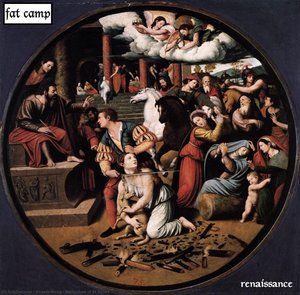
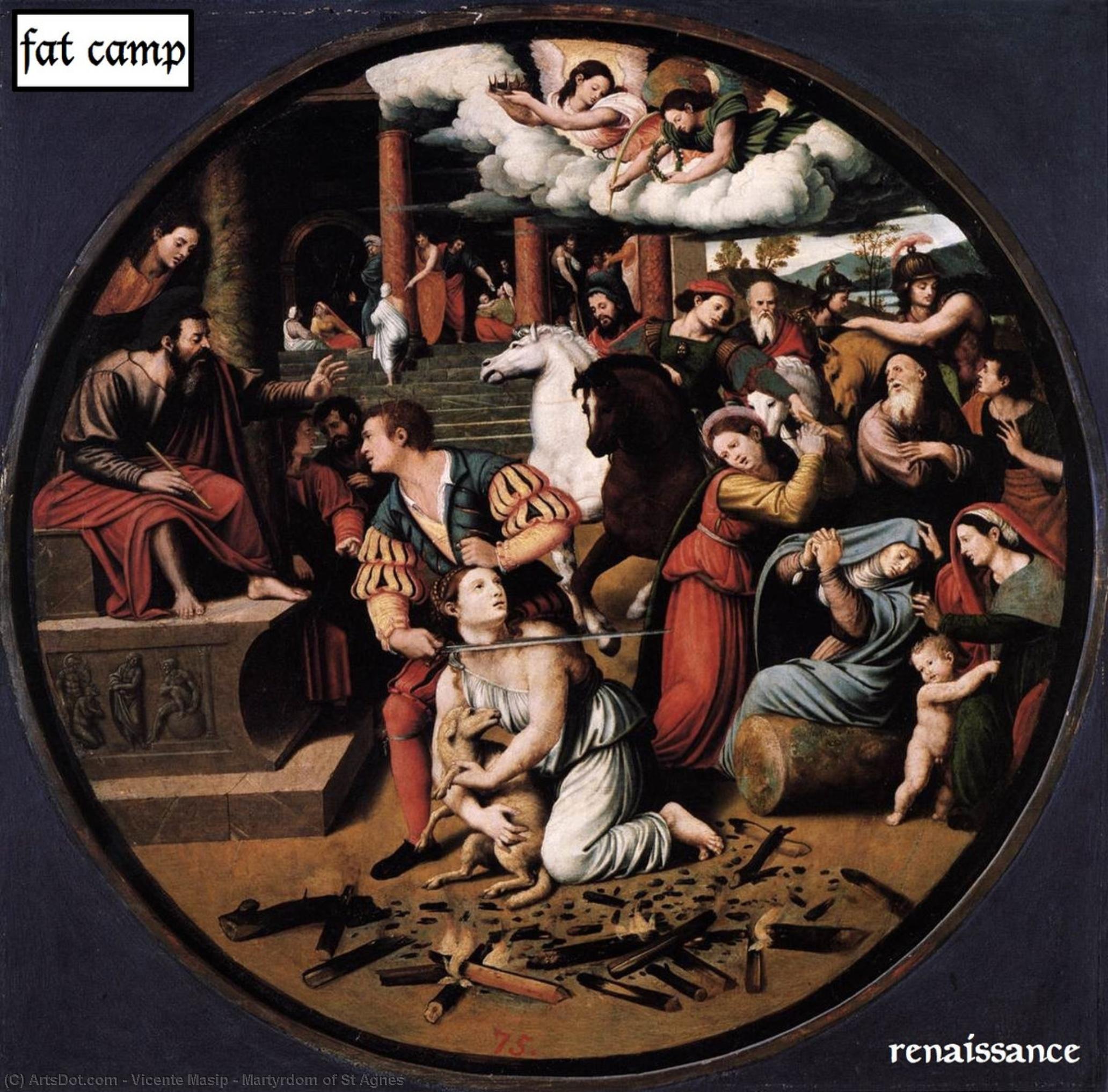
Martyrdom of St Agnes
 Oil
Oil- WallArt
- Renaissance School
 1540
1540- Renaissance
 58.0 x 58.0 cm
 Museo del Prado
 Read More
Giclée / Art Print
Museum-quality giclée or canvas print with fast production and flexible finish options. ( Buy Hand Made Painting Buy Image)




P118B $10

P118H $10

P118W $10

P438Z $10

P508JH $12

P508YH $12

P805H $10

P805Z $10

P919BZ $10

P919G $10

P919XJ $10

P959ZH $10

P968JZ $12

W106C $8

W218G $10

W218JH $8

W218Y $10

W307PJ $10

W316G $10

W316PJ $8

W316Y $10

W398PJ $8

W4111J $10

W500HY $15

W500JH $15

W692G $12

W849H $8

W940BG $15

W953PJ $8




Pick from our preset sizes that match the artwork's original proportions.

You may enter your own dimensions to fit a specific frame or space. If your selected size does not match the original image's proportions, we will either crop the artwork or extend the image with a mirrored or solid-fill edge. A digital mockup will be sent for your approval before production begins.
Please note that the on-screen preview does not reflect the actual cropping or extension. Only the mockup will accurately show the final composition.
While custom sizes are available, we recommend selecting a dimension from the predefined list to preserve the original proportions.
Worldwide Delivery () in 2 weeks instead of standard 4/5 weeks. (25 August)

Free Worldwide Express Shipping

High-Quality Linen Canvas

Full Shipping Insurance

Customs Tax Refund Guarantee

True Color Matching Guarantee

60-Day Return Policy (Defects Only)

100% Money-Back Guarantee

Bulk Discount Offer
 Glass option is only available in size under 110 CM

Martyrdom of St Agnes
Giclée / Art Print
Reproduction Size
-


Total Price
$ 63
Collectible Description
A Vision of Devotion: The Martyrdom of Saint Agnes
In the quiet corridors of the Museo del Prado, there exists a window into the profound spiritual intensity of the Spanish Renaissance. Vicente Masip’s Martyrdom of Saint Agnes is not merely a depiction of a historical execution; it is a breathtakingly visceral encounter with the limits of human endurance and the triumph of faith. Executed around 1540, this masterpiece captures the precise moment where earthly brutality meets divine resolve. As we gaze upon the scene, we are transported to a Roman era defined by tension, witnessing the young Agnes kneeling in humble vulnerability before a sea of onlookers—magistrates, dignitaries, and common citizens alike—all gathered to witness her ultimate sacrifice.
The composition is masterfully orchestrated to guide the viewer’s emotional journey. Masip utilizes a dynamic arrangement that balances the heavy presence of Roman authority with the delicate, resolute figure of the saint. The inclusion of two horses—one commanding the center and another poised to the right—lends a sense of monumental grandeur and movement to the scene, suggesting the unstoppable machinery of the state. Yet, amidst this grand spectacle, Masip invites us to notice the smallest details: a dog resting in the lower left corner, a silent sentinel symbolizing fidelity and vigilance, reminding us that even in the shadow of death, the virtues of loyalty remain ever-present.
The Mastery of the Valencian Renaissance
To understand the technical brilliance of this work, one must look to Masip’s deep roots in the Florentine Renaissance style. As a prominent figure of the Valencian School, Masip inherited the meticulous traditions of his mentors, Paolo de San Leocadio and Rodrigo de Osona. This lineage is evident in his command over Quattrocento principles, specifically his ability to render anatomical accuracy and a sophisticated sense of perspective that gives the scene a tangible, three-dimensional depth. His brushwork does not merely describe form; it breathes life into the textures of Roman silk, the heavy musculature of the horses, and the soft, tragic expression on Agnes’s face.
For the discerning collector or interior designer, this painting offers more than just aesthetic beauty; it provides a profound narrative anchor for any space. The interplay of light and shadow creates a dramatic atmosphere that can transform a room into a sanctuary of contemplation. Whether placed in a formal gallery setting or as a focal point in a sophisticated study, the Martyrdom of Saint Agnes serves as a testament to the enduring power of classical storytelling. It is a piece that invites long periods of study, rewarding the observer with new layers of symbolic meaning and technical marvel with every glance.
Related Artworks

Artist Biography
Vicente Masip (1475 – 1545): A Valencian Renaissance Master
Vicente Masip (Andilla, ca. 1475 – Valencia, 1545) stands as a pivotal figure in the Valencian School of painting during the Renaissance period, leaving an indelible mark on Spanish art history. His artistic lineage stretches back to his father, Juan Vicente Masip, and grandson, Vicente Masip Comes (also known as Vicent de Joanes), establishing a family tradition dedicated to capturing religious narratives with remarkable detail and emotional resonance. Born in Andilla, Alicante Province, Masip’s formative years were deeply impacted by the artistic currents emanating from Paolo de San Leocadio and Rodrigo de Osona – masters who championed the stylistic ideals of the Quattrocento—marking him as a true heir to Florentine Renaissance aesthetics.- Early Influences & Style: Masip’s initial artistic explorations mirrored those of his contemporaries, prioritizing meticulous observation and adherence to classical principles. The influence of Paolo de San Leocadio is particularly evident in his early works, characterized by a refined draftsmanship and an emphasis on atmospheric perspective—techniques that would become hallmarks of the Valencian School.
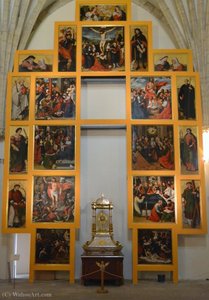
- Notable Commissions & Achievements: Masip gained renown for undertaking ambitious ecclesiastical commissions, notably the altarpiece of Porta-coeli housed within Valencia’s Museo de Bellas Artes, where he skillfully employed illusionistic painting to create a breathtaking panorama of biblical scenes. Similarly, his contribution to the Old High Altar of Segorbe Cathedral between 1529 and 1532 showcased his mastery of composition and color palettes—a project undertaken with the assistance of his son, Juan Vicente Masip, hinting at collaborative artistic endeavors.
The Virgin of the Remedy & St Agnes: Expressions of Valencian Spirituality
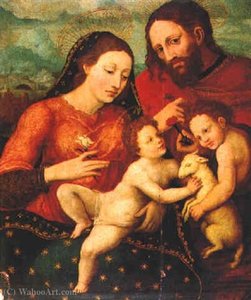
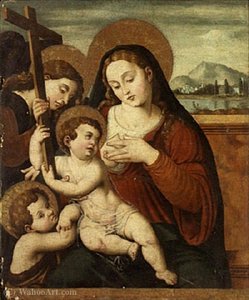
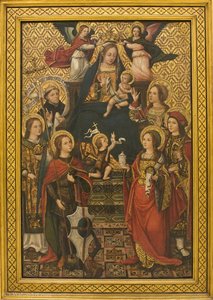
Among Masip’s most celebrated paintings are ‘The Virgin and Child,’ adorned with saints and angels—a poignant depiction reflecting the profound piety prevalent in Valencian society during his time. This masterpiece exemplifies Masip's ability to convey spiritual emotion through nuanced shading and expressive gestures, mirroring stylistic influences drawn from Raphael’s frescoes at the Tower of Belém. Furthermore, Masip’s portrayal of ‘The Martyrdom of St Agnes,’ commissioned for the chapel of St Thomas Aquinas in Valencia’s San Julián de Valencía convent, demonstrates his meticulous attention to detail—a characteristic trait that aligns with the broader artistic ethos of the Valencian School. The painting's composition subtly references Raphael’s frescoes at the Tower of Belém, highlighting Masip’s engagement with contemporary artistic trends.- Technique & Composition: Masip’s technique involved layering thin glazes over a preparatory underpainting—a method that ensured luminous colors and enhanced textural depth. His compositional choices prioritized clarity and balance, reflecting the humanist ideals of the Renaissance while simultaneously conveying religious symbolism with profound sensitivity.
Legacy & Recognition: A Family Tradition Continues
Despite being overshadowed by his son’s more emotive style—Juan Vicente Masip—who achieved greater renown for his expressive portraits and landscapes—experts debate the attribution of certain works to Masip senior, particularly those deemed to be executed collaboratively. Nevertheless, Vicente Masip's enduring legacy resides in establishing a family tradition dedicated to artistic excellence and furthering the Valencian School’s contribution to Renaissance art. His influence extended beyond his immediate progeny, shaping the artistic sensibilities of subsequent generations within Valencia—solidifying his place as one of Spain’s foremost painters of the era.Further Exploration
For a deeper understanding of Vicente Masip's oeuvre and its significance in Valencian Renaissance art history, consult resources such as MASIP, Vicente - Biography (https://www.wga.hu/bio_m/m/masip/biograph.html) and explore reproductions of his paintings at the Museo del Prado (https://www.museodelprado.es/).
Vicente Masip
1475 - 1545 , Spain
Quick Facts
- Artistic Movement Or Style: Renaissance
- Artists Or Movements Influenced By This Artist: ['Raphael']
- Artists Who Influenced This Artist:
- Paolo de San Leocadio
- Rodrigo de Osona
- Date Of Birth: ca. 1475
- Date Of Death: 1545
- Full Name: Vicente Masip
- Nationality: Spanish
- Notable Artworks:
- Martyrdom of St Agnes
- Virgin and Child, Saints and Angels
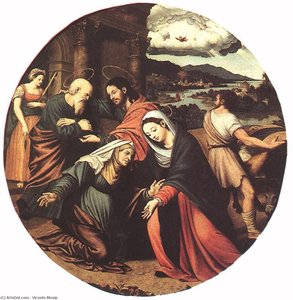
- The Visitation
- Place Of Birth: Andillá, Spain
Related Articles
The Hague School: Realism, Atmosphere & the Dawn of Dutch Impressionism
Explore the Hague School's pivotal role in Dutch art history. Discover realism, atmospheric landscapes & its influence on Impressionism. Learn about key artists like Mauve & Maris with ArtsDot.

Hudson River School: 10 Masterpieces That Capture America's Wild Beauty | ArtsDot
Journey through America's breathtaking landscapes with our guide to the Top 10 Hudson River School masterpieces. Explore Thomas Cole, Frederic Church & more! Find museum-quality art reproductions and elevate your home decor at ArtsDot.com.

The Sublime Landscape: Exploring the Hudson River School Movement
Explore the captivating world of the Hudson River School! Discover the history, artists, and defining characteristics of this iconic American art movement. Learn about Romanticism's influence & find inspiration for your collection.
Elizabeth Adela Forbes: A Pioneering Impressionist of the Newlyn School
Explore the life & art of Elizabeth Adela Forbes, a pioneering Impressionist of the Newlyn School. Discover her captivating paintings, unique style, and lasting legacy with ArtsDot.
The Ashcan School: Realism, Urban Life & the Democratization of American Art
Explore the revolutionary Ashcan School! Discover how artists like Henri & Sloan challenged tradition with gritty realism, capturing urban life in early 20th-century America. Learn about their impact on American art history.