 Preview
 Send
Send Share
Share
 Details

 Download
 Similars
 X-Ray
X-Ray Diaporama
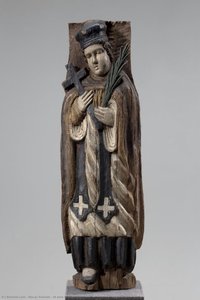
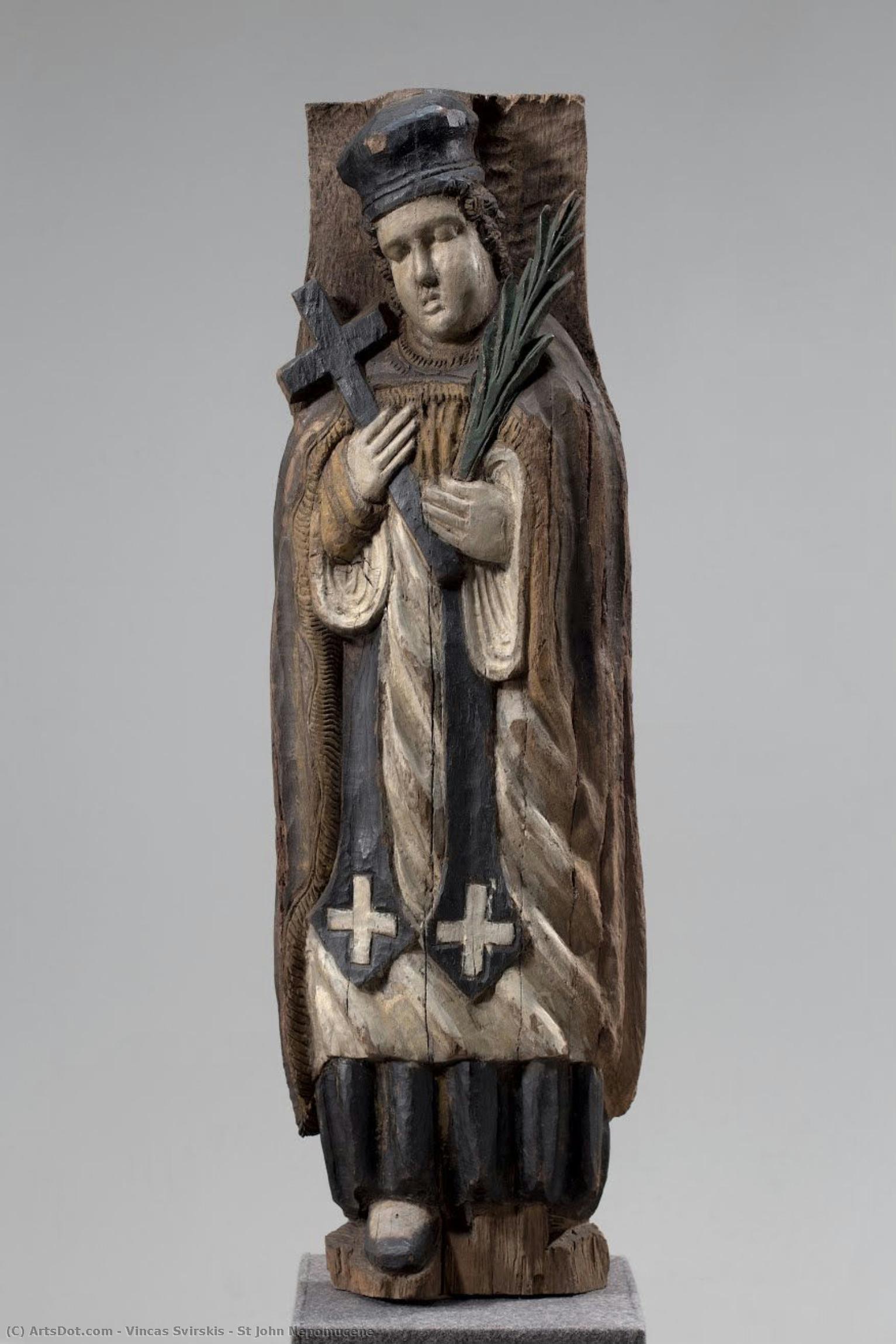
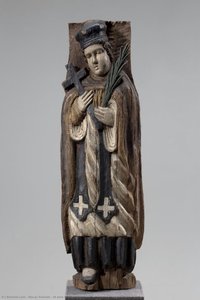
St John Nepomucene


 Read More
Hand Made Oil Reproduction
Hand-painted oil on canvas in your size and frame, made to order by our artists. ( Buy Print Buy Image)




































Pick from our preset sizes that match the artwork's original proportions.

You may enter your own dimensions to fit a specific frame or space. If your selected size does not match the original image's proportions, we will either crop the artwork or extend the painting with additional hand-painted elements. A digital mockup will be sent for your approval before production begins.
Please note that the on-screen preview does not reflect the actual cropping or extension. Only the mockup will accurately show the final composition.
While custom sizes are available, we recommend selecting a dimension from the predefined list to preserve the original proportions.
After order, ArtsDot.com team will email client for instructions and provide a mockup preview
Worldwide Delivery () in 3/4 weeks instead of standard 5 weeks. (6 September). No compromise on quality.

Free Worldwide Express Shipping

High-Quality Linen Canvas

Full Shipping Insurance

Customs Tax Refund Guarantee

True Color Matching Guarantee

100-Day Return Policy (Defects Only)

100% Money-Back Guarantee

Bulk Discount Offer
 Glass option is only available in size under 110 CM

St John Nepomucene
Reproduction Medium
Reproduction Size
-


Total Price
$ 263
Related Artworks


Artist Biography
The Soul of Lithuanian Cross Crafting
Vincas Svirskis (1835 – 1916) stands as an unparalleled figure in Lithuanian art history, recognized globally for his mastery of folk sculpture and cross crafting—a tradition deeply intertwined with Lithuanian spirituality and cultural identity. Born in the rural landscape of Glitėnai, Lithuania, on January 28, 1835, he lived a life that was as solitary as it was profound. Though he left behind no family or worldly possessions, he etched an indelible mark on his nation’s artistic heritage through the very grain of the wood he carved. His legacy continues to inspire awe and admiration for its sheer scale, intricacy, and profound symbolic resonance, representing a bridge between the earthly toil of peasant life and the divine aspirations of the human spirit.
Little is known about Svirskis' formative years beyond confirming his birth into a humble Lithuanian household. He possessed no formal academic education, yet his innate talent for wood carving blossomed into an extraordinary vocation that would define a century of folk art. Driven by unwavering faith and a deep connection to the land, he embarked on a nomadic journey across Lithuania, accepting commissions from villagers eager to honor their deceased loved ones or invoke divine protection. This itinerant lifestyle fostered a unique perspective—one informed by the quiet observation of natural forms and imbued with the rhythmic spirit of Lithuanian folklore.
Technique, Symbolism, and the Baroque Influence
The fame of Svirskis rests primarily on his monumental wooden crosses, which he crafted with meticulous precision and an almost spiritual artistic flair. Unlike conventional sculpture, his approach to cross crafting demanded a holistic integration of woodworking skills, theological understanding, and visionary artistry. He utilized monolithic oak trunks, skillfully shaping them into towering structures adorned with elaborate bas-reliefs depicting biblical scenes and saints. These were not merely markers of death, but living monuments of faith.
The surfaces of his sculptures were often painstakingly painted in vibrant hues, reflecting the changing seasons and conveying profound spiritual messages to the passing traveler. The stylistic influences of Baroque art are clearly evident in Svirskis' work—particularly in the curving, dynamic lines and the dramatic interplay of light and shadow within his carvings. His ability to translate the grandiosity of the Baroque into a folk medium allowed him to create works that felt both intimately local and cosmically significant.
A Lasting Legacy of Heritage
As one of the most prominent Lithuanian folk sculptors and wood carvers of the 19th century, Svirskis' achievements extend far beyond the physical objects he produced. His work represents a vital component of what is now recognized as a UNESCO Intangible Cultural Heritage masterpiece. Through his hands, the tradition of Lithuanian cross crafting was elevated from simple folk craft to a sophisticated form of religious and national expression.
Today, his surviving works can be found in various Lithuanian museums, small towns, and rural villages, serving as silent sentinels of a bygone era. His life's work remains a testament to the power of art to preserve identity, even in the absence of formal recognition or material wealth. To look upon a Svirskis carving is to witness the intersection of nature, devotion, and the enduring strength of the Lithuanian soul.
Vincas Svirskis
1835 - 1916 , Lithuania
Quick Facts
- Artistic Movement Or Style: Baroque
- Date Of Birth: January 28, 1835
- Date Of Death: March 7, 1916
- Full Name: Vincas Svirskis
- Nationality: Lithuanian
- Notable Artworks:
- St John Nepomucene
- Vincas Svirskis
- Place Of Birth: G Lietava, Lithuania
Related Articles

Bronze Sculptures That Defined Art History | ArtsDot
Journey through art history with our Top 10 bronze sculptures! Explore masterpieces by Rodin, Michelangelo & more. Discover stories behind iconic statues and find museum-quality reproductions for your home decor at ArtsDot.com.

The Enduring Form: Exploring Themes & Techniques in Sculpture Across Historical Periods
Explore the rich history of sculpture from ancient masterpieces to contemporary innovations. Discover key techniques, influential artists & investment potential for discerning art collectors.

Bronze Age to Modern Masters: 10 Sculptures That Redefined Art | ArtsDot
Journey through art history with 10 legendary bronze sculptures – from Michelangelo's David to Rodin’s Thinker. Explore the stories, techniques & timeless beauty of these masterpieces. Find museum-quality reproductions & elevate your home decor on ArtsDot.com.

The Enduring Form: Sculpture Across History, Technique & Emotional Resonance
Explore the rich history of sculpture with ArtsDot. Discover key techniques, influential artists & investment potential for discerning collectors. Expert insights into valuing and collecting timeless masterpieces.
The Enduring Legacy of Bronze Sculpture: History, Techniques & Contemporary Interpretations
Explore the rich history & enduring appeal of bronze sculpture. Learn about casting techniques, iconic artists, collecting tips, & contemporary interpretations. Expert insights for discerning art collectors.