

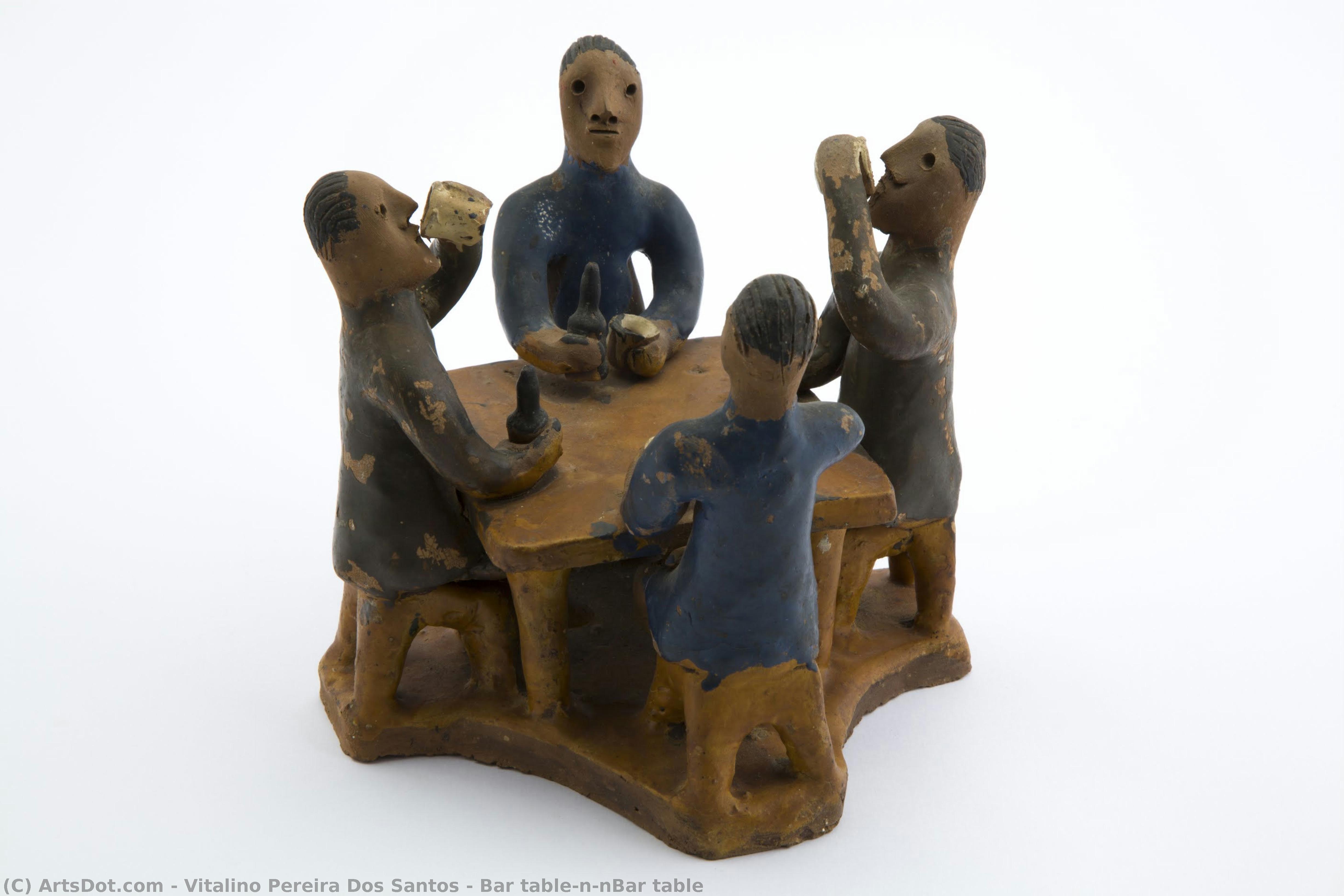
 Preview
 Send
Send Share
Share
 Details

 Download
 Similars
 X-Ray
X-Ray Diaporama
Bar table\n\nBar table
 1900
1900 5.0 x 15.0 cm
 Museum of the Man of the Northeast
 Read More
Purchase a high-resolution, enhanced digital image, far superior to the online preview.
Each file is meticulously prepared by our in-house specialists using advanced tools and expert manual retouching. We ensure every image has exceptional clarity, precise color accuracy, and fine detail.
The final file is delivered via email within 72 hours, optimized for immediate use in professional, editorial, and print environments. This is the same quality trusted by top-tier design studios, publishers, and galleries.
Digital Image
Download a high-resolution file for personal display, printing, and creative projects. ( Buy Print Buy Hand Made Painting)
Included in Every Digital Image Order
Expert Digital Delivery, Guaranteed
When you choose ArtsDot.com, you're not just getting an image - you're receiving a professionally enhanced digital artwork, crafted with precision and backed by a satisfaction guarantee. Here's everything that comes with your order, automatically:

Fast Email Delivery
Your high-resolution digital image file will be emailed to you within 72 hours of ordering - ready for immediate use.

AI-Enhanced Digital File
Your artwork is professionally optimized using advanced AI tools and manual editing, ensuring maximum detail, clarity, and color accuracy.

Free Lifetime Re-Delivery
Accidentally deleted or lost your file? No worries - we'll resend it to you anytime, free of charge.

No Import Fees - Ever
Enjoy your artwork instantly with zero customs, duties, or delivery fees - digital downloads are always tax-free.

Color Accuracy Guarantee
We ensure your digital image reflects the original colors as closely as possible using professional tools and color management.

60-Day Satisfaction Guarantee
If you're not satisfied with your digital image, we'll revise it or refund 100% within 60 days - no questions asked.

100% Money-Back Guarantee
Not satisfied? Get a full refund within 60 days of receiving your digital file - no questions asked.

Bulk Order Discounts
Buy 3 images, save 10% - Buy 5, save 15% - Buy 10+, save 20%. Great for creative projects, galleries, and agencies.
Collectible Description
Related Artworks




Artist Biography
Francis Bacon: A Chronicle of Anguish and the Human Condition
Born in Dublin, Ireland, on October 28th, 1909, Francis Bacon’s life was a tapestry woven with threads of intellectual curiosity, bohemian excess, and profound emotional turmoil. He wasn't initially destined for artistic greatness; his early years were marked by a restless spirit and a series of seemingly haphazard pursuits – interior decorating, gambling, and a brief stint as a bon vivant in London’s Soho district. It was only in his late twenties that Bacon truly embraced painting, driven by an insistent need to capture the raw, unsettling realities he perceived within himself and the world around him. His career trajectory wasn't one of gradual ascent; it was punctuated by periods of intense productivity followed by long stretches of inactivity, reflecting a deeply personal struggle with self-doubt and existential anxieties.
Bacon’s artistic development can be broadly categorized into distinct phases, each characterized by a specific thematic focus. The 1930s saw the emergence of “bio-morphs,” distorted figures influenced by Picasso, exploring themes of metamorphosis and decay. The 1940s brought forth his iconic "male heads in rooms," claustrophobic studies of isolation and psychological distress – often rendered in stark, unsettling monochrome. The mid-to-late 1950s witnessed a shift towards animals and solitary figures, imbued with a sense of vulnerability and impending doom. Crucially, the 1960s marked a return to his most recognizable subject matter: crucifixions, reflecting a preoccupation with suffering, mortality, and religious iconography. Later in life, Bacon turned increasingly inward, producing self-portraits that offered a brutally honest reflection on aging and the passage of time – culminating in the powerful “Black Triptychs,” a series of intensely personal works exploring themes of loss, memory, and the inevitability of death.
Bacon’s artistic vision was profoundly shaped by his intellectual milieu. He was deeply influenced by existentialist philosophy, particularly the writings of Jean-Paul Sartre and Albert Camus, which explored themes of absurdity, alienation, and the burden of freedom. His work also resonated with Surrealism, though he rejected its emphasis on dream imagery in favor of a more direct and visceral approach to depicting psychological states. The music of jazz – particularly the improvisational nature of the genre – served as a key inspiration, informing his use of fragmented forms, dynamic compositions, and a sense of urgent energy. Furthermore, Bacon’s close friendships with fellow artists like Lucian Freud, John Deakin, and Henrieta Moraes provided a vital source of emotional support and artistic exchange.
Despite the darkness that permeated much of his work, Bacon was known for his charisma and intellectual wit. He cultivated a reputation as a flamboyant figure, enjoying the pleasures of life – food, drink, and companionship – with an almost reckless abandon. However, beneath this outward facade lay a deep-seated melancholy and a profound awareness of human suffering. His art wasn’t merely a depiction of misery; it was an attempt to confront viewers with uncomfortable truths about the human condition—a stark reminder of our vulnerability, mortality, and the inherent chaos of existence.
The Legacy of a Troubled Genius
Francis Bacon died unexpectedly on April 28th, 1992, at the age of 82. His death marked the end of an era in British art, leaving behind a body of work that continues to challenge and disturb viewers decades after its creation. While he never achieved widespread commercial success during his lifetime, Bacon’s influence on subsequent generations of artists is undeniable. His willingness to explore taboo subjects—violence, sexuality, and death—broke new ground and paved the way for more direct and emotionally honest forms of expression.
Bacon's paintings are now held in major museums around the world, including the Tate Gallery in London, the Museum of Modern Art in New York, and the National Gallery of Ireland. His work is valued highly by collectors and critics alike, recognized for its raw power, emotional intensity, and enduring relevance. More than simply portraits or scenes, Bacon’s paintings are explorations of the human psyche—a testament to his ability to capture the darkest corners of our inner lives with unflinching honesty and unsettling beauty.
His legacy extends beyond the art world; Bacon's exploration of existential themes continues to resonate in contemporary culture, prompting reflection on questions of identity, mortality, and the meaning of life. He remains a profoundly influential artist—a chronicler of anguish, a visionary of the human condition, and a master of unsettling imagery.
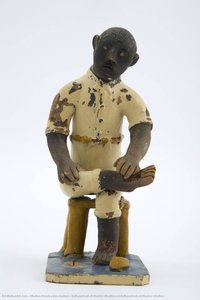
vitalino pereira dos santos
1909 - 1963 , Brazil
Quick Facts
- Artistic Movement Or Style: Figurative art
- Artists Or Movements Influenced By This Artist: ['Abstract Expressionism']
- Artists Who Influenced This Artist:
- Picasso
- Furies
- Date Of Birth: October 28, 1909
- Date Of Death: April 28, 1992
- Full Name: Francis Bacon
- Nationality: British
- Notable Artworks:
- Three Studies...
- screaming popes
- portraits of friends
- Place Of Birth: Dublin, Ireland

