 Preview
 Send
Send Share
Share
 Details

 Download
 Similars
 X-Ray
X-Ray Diaporama
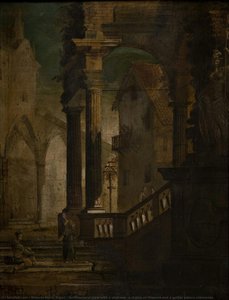
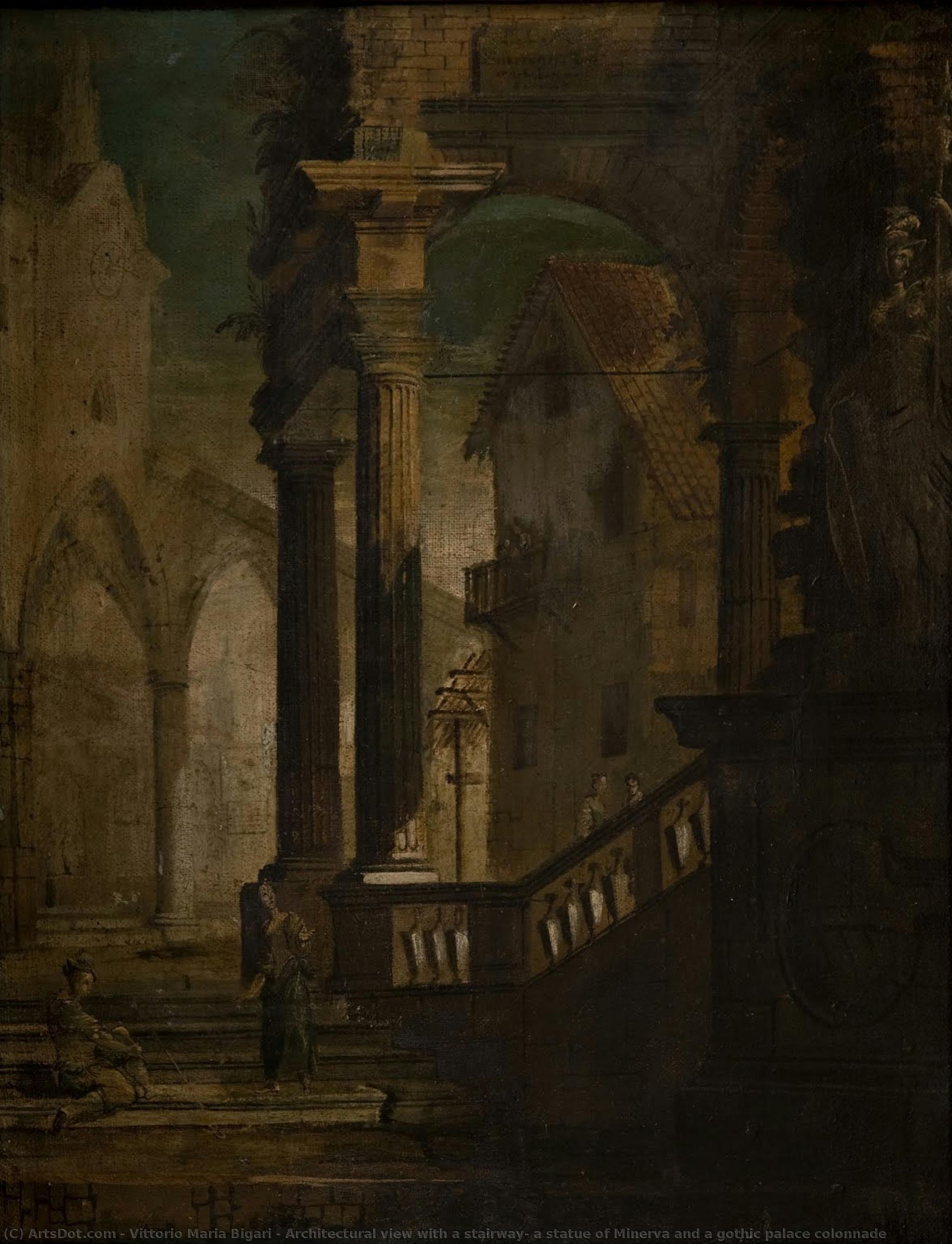
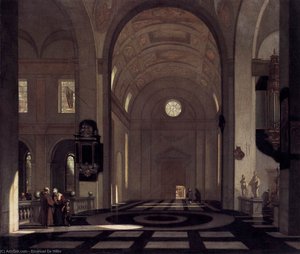
Architectural view with a stairway, a statue of Minerva and a gothic palace colonnade


 Read More
Hand Made Oil Reproduction
Hand-painted oil on canvas in your size and frame, made to order by our artists. ( Buy Print Buy Image)




































Pick from our preset sizes that match the artwork's original proportions.

You may enter your own dimensions to fit a specific frame or space. If your selected size does not match the original image's proportions, we will either crop the artwork or extend the painting with additional hand-painted elements. A digital mockup will be sent for your approval before production begins.
Please note that the on-screen preview does not reflect the actual cropping or extension. Only the mockup will accurately show the final composition.
While custom sizes are available, we recommend selecting a dimension from the predefined list to preserve the original proportions.
After order, ArtsDot.com team will email client for instructions and provide a mockup preview
Worldwide Delivery () in 3/4 weeks instead of standard 5 weeks. (26 August). No compromise on quality.

Free Worldwide Express Shipping

High-Quality Linen Canvas

Full Shipping Insurance

Customs Tax Refund Guarantee

True Color Matching Guarantee

60-Day Return Policy (Defects Only)

100% Money-Back Guarantee

Bulk Discount Offer
 Glass option is only available in size under 110 CM

Architectural view with a stairway, a statue of Minerva and a gothic palace colonnade
Reproduction Medium
Reproduction Size
-


Total Price
$ 263
Related Artworks






Artist Biography
Joseph Highmore: A Master of English Conversation Pieces
Born in London on June 13, 1692, and passing away in Canterbury on March 3, 1780, Joseph Highmore stands as a pivotal figure in the history of British painting. Initially discouraged from pursuing art by his family’s mercantile background, Highmore’s innate talent eventually led him to study at Kneller's Academy, laying the foundation for a distinguished career spanning over six decades. His work, characterized by its elegant portraits, intimate conversation pieces, and subtle historical subjects, reflects both the Rococo influences sweeping through Europe and a distinctly English sensibility – a blend of formality and relaxed observation that defined his unique style.
Highmore’s early artistic development was heavily influenced by Jonathan Richardson, a prominent figure in the Royal Academy and known for his satirical and philosophical approach to portraiture. However, as he matured, Highmore moved beyond Richardson's direct imitation, embracing the more refined aesthetics of the Rococo period while retaining a core of English realism. This transition is particularly evident in works like “Mr Oldham and Friends” (c. 1750), which showcases a remarkable balance between formal elegance and a palpable sense of immediacy – a characteristic that would become hallmarks of his oeuvre.
The Rise to Prominence: Patronage and Narrative Painting
By the 1720s, Highmore had established himself as a respected portraitist in London’s social circles. His ability to capture likenesses with remarkable accuracy and create engaging compositions quickly garnered him commissions from wealthy patrons, including members of the royal family. This period saw the emergence of his signature “conversation piece” style – intimate scenes depicting figures engaged in leisurely pursuits, often within domestic settings. These works weren't merely portraits; they were carefully constructed narratives designed to showcase the sitter’s status and refinement.
A significant turning point in Highmore’s career came with his involvement in illustrating Samuel Richardson’s novel *Pamela*. Commissioned in 1743-4, this twelve-part series cemented his reputation as a skilled narrative painter. The illustrations, characterized by their directness and emotional resonance, demonstrated a shift towards a more accessible and engaging style of storytelling – a move that foreshadowed the rise of British narrative painting alongside artists like Hogarth and Hayman. This project established Highmore as a key figure in initiating a distinctly British approach to depicting stories within paintings.
Technique and Influences: A Synthesis of Styles
Highmore’s technical skill was remarkable, rooted in a deep understanding of anatomy, perspective, and color theory. He meticulously studied the works of Rubens and Van Dyck during his visits to the Low Countries and Paris, absorbing their techniques and incorporating them into his own style. However, he never simply copied these masters; instead, he synthesized their influences with his own observations and sensibilities.
His use of light and shadow was particularly noteworthy, creating a sense of depth and atmosphere that brought his subjects to life. He employed subtle gradations of color and carefully rendered details to convey texture and form. Furthermore, Highmore’s attention to detail extended beyond the visual realm; he meticulously researched the costumes, furnishings, and settings depicted in his paintings, ensuring historical accuracy and a sense of authenticity.
Legacy and Historical Significance
Joseph Highmore's contribution to British painting is considerable. He bridged the gap between the formal conventions of earlier portraiture and the more relaxed and engaging style of the Rococo era, establishing a distinctly English aesthetic that resonated with his contemporaries. His “conversation pieces” offered intimate glimpses into the lives of England’s elite, while his narrative illustrations demonstrated a growing interest in depicting stories within paintings.
Beyond his artistic achievements, Highmore was also a respected writer and critic, contributing to the intellectual discourse surrounding art at the time. His later years were dedicated to publishing critical essays on Rubens' ceiling decorations in Whitehall Palace and exploring the principles of color theory, solidifying his legacy as both a painter and a scholar. Joseph Highmore’s work continues to be admired for its elegance, sophistication, and enduring appeal, securing his place as one of the most important figures in 18th-century British art.
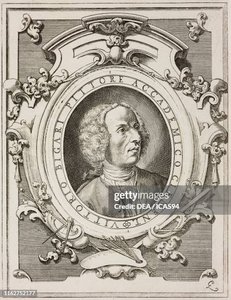
vittorio maria bigari
1692 - 1776 , Italy
Quick Facts
- Artistic Movement Or Style: Portraiture, Conversation pieces
- Artists Or Movements Influenced By This Artist:
- Hayman
- Rococo painting
- Artists Who Influenced This Artist:
- Jonathan Richardson
- Hogarth
- Date Of Birth: June 13, 1692
- Date Of Death: March 3, 1780
- Full Name: Joseph Highmore
- Nationality: English
- Notable Artworks:
- Equestrian Portrait of King George II
- Conversation Piece
- Place Of Birth: London, England