 Preview
 Send
Send Share
Share
 Details

 Download
 Similars
 X-Ray
X-Ray Diaporama
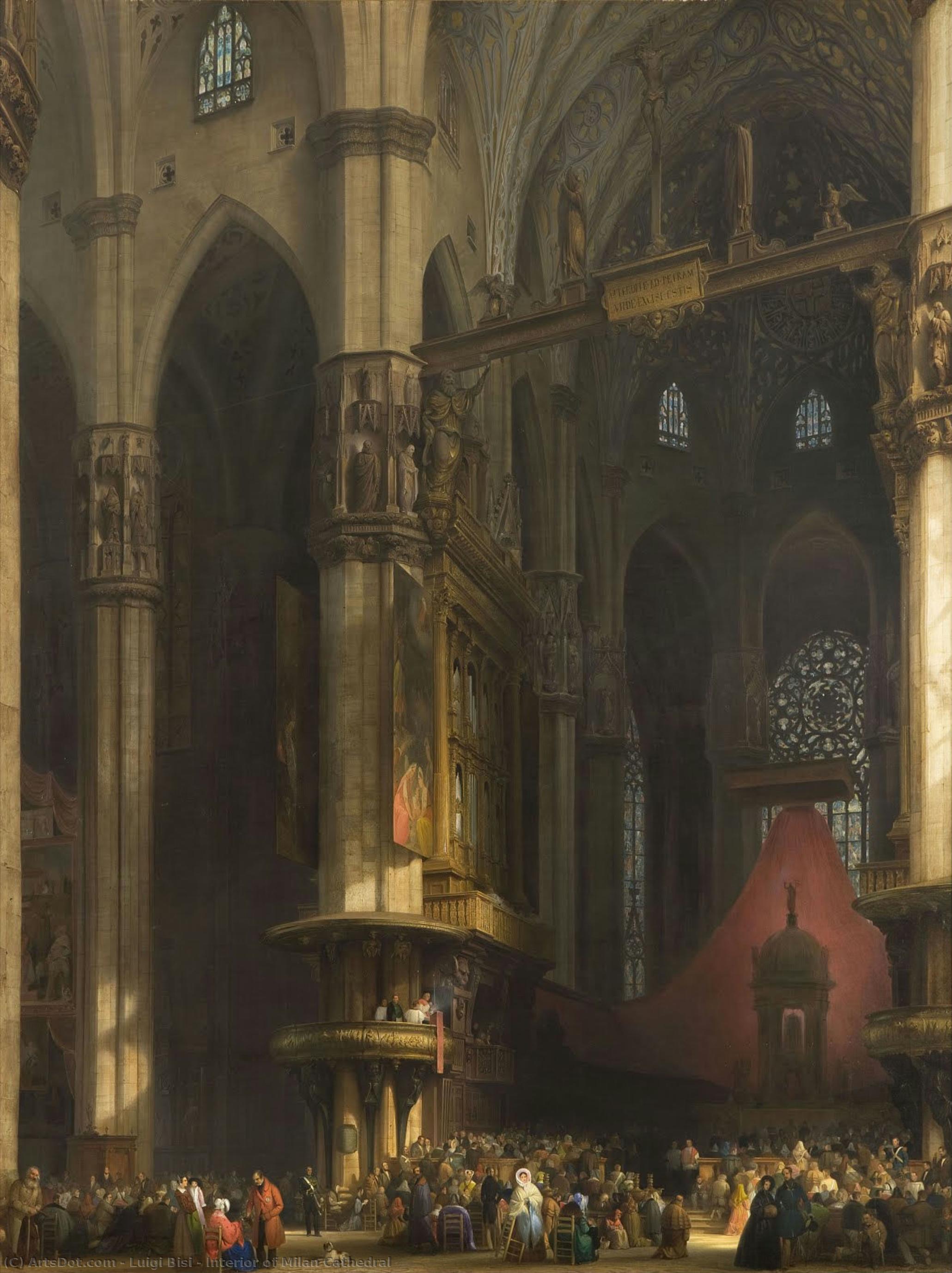
Interior of Milan Cathedral
 Acrylic On Canvas
- WallArt
- Romantic Revival
 139.0 x 181.0 cm
 Fondazione Cariplo
 Read More
Hand Made Oil Reproduction
Hand-painted oil on canvas in your size and frame, made to order by our artists. ( Buy Print Buy Image)




P118B $10

P118H $10

P118W $10

P438Z $10

P508JH $12

P508YH $12

P805H $10

P805Z $10

P919BZ $10

P919G $10

P919XJ $10

P959ZH $10

P968JZ $12

W106C $8

W218G $10

W218JH $8

W218Y $10

W307PJ $10

W316G $10

W316PJ $8

W316Y $10

W398PJ $8

W4111J $10

W500HY $15

W500JH $15

W692G $12

W849H $8

W940BG $15

W953PJ $8




Pick from our preset sizes that match the artwork's original proportions.

You may enter your own dimensions to fit a specific frame or space. If your selected size does not match the original image's proportions, we will either crop the artwork or extend the painting with additional hand-painted elements. A digital mockup will be sent for your approval before production begins.
Please note that the on-screen preview does not reflect the actual cropping or extension. Only the mockup will accurately show the final composition.
While custom sizes are available, we recommend selecting a dimension from the predefined list to preserve the original proportions.
After order, ArtsDot.com team will email client for instructions and provide a mockup preview
Worldwide Delivery () in 3/4 weeks instead of standard 5 weeks. (17 August). No compromise on quality.

Free Worldwide Express Shipping

High-Quality Linen Canvas

Full Shipping Insurance

Customs Tax Refund Guarantee

True Color Matching Guarantee

60-Day Return Policy (Defects Only)

100% Money-Back Guarantee

Bulk Discount Offer
 Glass option is only available in size under 110 CM

Interior of Milan Cathedral
Reproduction Medium
Reproduction Size
-


Total Price
$ 263
Artwork Description
Related Artworks



Artist Biography
A Milanese Master of Light and Perspective
Luigi Bisi, born in Milan in 1814, emerged from a family deeply rooted in the artistic traditions of Italy. His father, Michele Bisi, and uncle, Giuseppe Bisi, both established painters, provided young Luigi with an early immersion into the world of art, nurturing his innate talent and guiding his initial steps. This familial influence proved foundational as he formally trained at the Accademia di Belle Arti di Brera, studying under Francesco Durelli – a pivotal figure in Italian painting – and potentially also benefiting from the tutelage of Giovanni Migliara. Bisi’s education wasn't merely technical; it was steeped in the artistic heritage of Milan, fostering a sensibility that would define his life’s work. He didn't simply learn to paint; he absorbed a legacy. This early exposure shaped not only his style but also his future role as an educator, eventually succeeding Durelli as professor of perspective at the very academy where he honed his skills, and later ascending to the presidency in 1879.From Vedute to Sacred Spaces
Bisi’s artistic journey began with *vedute* – airy views of landscapes and cityscapes that captured the essence of the Italian countryside and urban life. These early works demonstrated a keen eye for composition and an ability to convey atmosphere, but it was his subsequent shift towards interior scenes, particularly those of churches, that cemented his reputation. He became renowned for meticulously detailed depictions of sacred spaces, imbued with a sense of reverence and architectural precision. The Duomo di Milano, the magnificent cathedral that dominates the Milanese skyline, held a particular fascination for Bisi. Over approximately eighty-seven paintings, he explored every facet of its grandeur, capturing its intricate details, dramatic lighting, and spiritual aura. These weren’t merely representations; they were acts of devotion, born from an intimate understanding of the building's history and significance. Beyond the Duomo, his depictions of the Basilica di Sant'Ambrogio showcase a similar dedication to architectural detail and atmospheric nuance. Works like “Summer Stroll” and “Family Meal” reveal Bisi’s skill in capturing human form and domestic scenes, balancing composition with emotional depth.Influences and Artistic Development
Bisi’s artistic vision was shaped by a confluence of influences, reflecting the rich artistic heritage of Italy. The Italian Renaissance served as a cornerstone, evident in his attention to detail, classical compositions, and harmonious use of light and shadow. Elements of Late Gothic architecture are visible in his depictions of churches, particularly in the intricate details and soaring grandeur of structures like the Duomo di Milano. While not dominant, aspects of Mannerism can be observed in his stylized figures and dramatic use of chiaroscuro – a technique he likely absorbed from his teacher, Francesco Durelli. Bisi’s interest extended beyond painting to architecture itself; he collaborated on the restoration of the Basilica di Sant'Ambrogio alongside prominent architects like Giovanni Brocca and Friedrich von Schmidt, demonstrating a commitment to preserving Milanese architectural heritage. This practical involvement undoubtedly informed his artistic representations, lending them an authenticity that resonated with viewers.Legacy and Lasting Impact
Luigi Bisi’s legacy extends beyond the canvases he created. His long tenure as a professor at the Accademia di Belle Arti di Brera ensured that his knowledge of perspective, composition, and architectural representation was passed on to generations of aspiring artists. He wasn't merely imparting technical skills; he was instilling a deep appreciation for artistic tradition and a commitment to meticulous observation. His involvement in the restoration of the Basilica di Sant’Ambrogio further underscores his dedication to preserving Milanese cultural heritage. Today, Bisi’s work is held in esteemed collections such as the Pinacoteca di Vicenza and the Hungarian National Gallery, testament to its enduring significance within Italian art history. While pinpointing direct artistic descendants proves challenging, it's reasonable to assume that his emphasis on perspective and detailed observation influenced countless artists who followed him, shaping the landscape of 19th-century Italian painting. His paintings continue to captivate viewers with their masterful technique, atmospheric depth, and profound sense of place, ensuring that his name remains synonymous with the artistic spirit of Milan.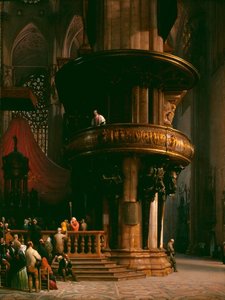
Luigi Bisi
1814 - 1886 , Italy
Quick Facts
- Artistic Movement Or Style: Renaissance, Gothic
- Artists Or Movements Influenced By This Artist: Future Milanese artists
- Artists Who Influenced This Artist:
- Francesco Durelli
- Giovanni Migliara
- Date Of Birth: May 10, 1814
- Date Of Death: November 11, 1886
- Full Name: Luigi Bisi
- Nationality: Italian
- Notable Artworks:
- Summer Stroll
- Family Meal
- Duomo di Milano views
- Place Of Birth: Milan, Italy
Related Articles
19th Century Masterpieces: 10 Paintings That Defined an Era | ArtsDot
Journey through 19th century art with ArtsDot! Explore 10 iconic paintings – from Monet & Renoir to Courbet – and discover the stories behind Romanticism, Realism & Impressionism. Find museum-quality reproductions for your home decor. Explore the full collection online!
Giovanni Fattori: Realism, Identity & the Tuscan Landscape – A Macchiaioli Master
Explore the life & art of Giovanni Fattori, a leading figure of the Macchiaioli movement. Discover his revolutionary realism, captivating Tuscan landscapes, and lasting impact on Italian painting. Learn more at ArtsDot.
Mario Sironi: A Poetic of Modern Italian Identity Through Symbolism & Social Commentary
Explore the profound works of Mario Sironi, a key figure in Italian Modernism. Discover his evolution from Futurism to Metaphysical painting and his powerful social commentary. Learn about his legacy at ArtsDot.
Carlo Carrà: Futurist Visions & Metaphysical Transformations in Early 20th-Century Italian Painting
Explore the artistic journey of Carlo Carrà, a pivotal figure in Italian Futurism & Metaphysical painting. Discover his dynamic compositions, collaborations with de Chirico, and lasting influence on modern art history.
Civic Virtue and Artistic Rivalry: Patronage and Innovation in the Italian Renaissance Republics, 1400–1600
Explore the Italian Renaissance! Discover how competitive patronage & humanist ideals fueled artistic innovation in republics like Florence & Venice. Expert insights for art lovers and collectors.