 Preview
 Send
Send Share
Share
 Details

 Download
 Similars
 X-Ray
X-Ray Diaporama
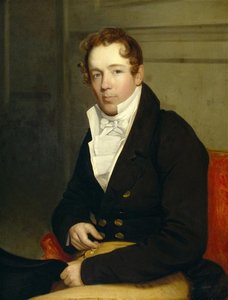
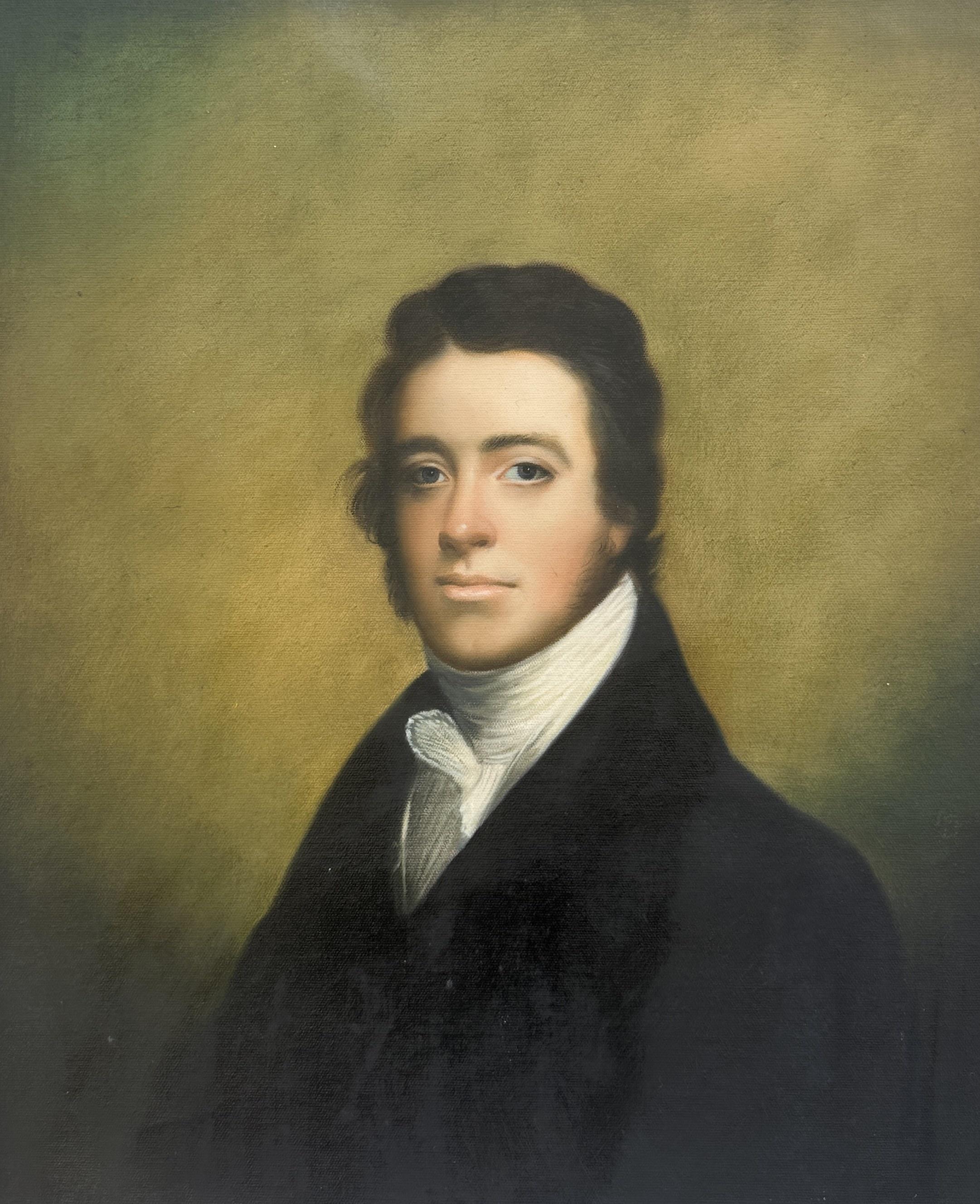
Augustus Washington Clason - John Wesley Jarvis
 Acrylic
- WallArt
- Neoclassical portraiture
 2026
2026- Studio Hand Painted Art Available Now
 50 x 60 cm
- Artwork Reference (Famous): Augustus Washington Clason
 Read More
Stock Discount Oil Painting Available
In-stock hand-painted oil work ready to ship; add framing when you check out. ()






































 Glass option is only available in size under 110 CM

Augustus Washington Clason - John Wesley Jarvis
Stock Discount Oil Painting Available
Reproduction Size
-


Express Shipping
Express Worldwide Shipping. One week. (27 July).
Included
Total Price
$ 112
Artwork Description
A Glimpse into Refined Society
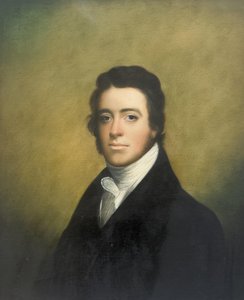
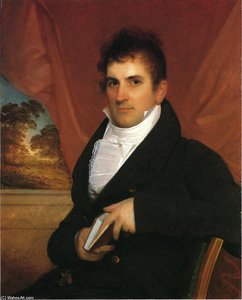
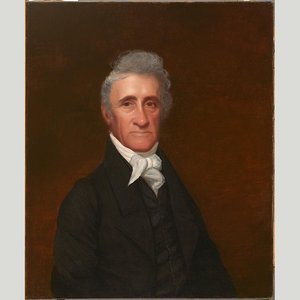
Step into the world of early 19th-century America with this captivating hand-painted acrylic reproduction, an homage to John Wesley Jarvis’s masterful portraiture. The artwork presents Augustus Washington Clason, a figure rendered with the meticulous detail and dignified composure characteristic of the Neoclassical style. Jarvis, a celebrated artist known for his depictions of New York's elite and War of 1812 heroes, captured not merely a likeness but an essence—a sense of social standing and intellectual refinement.
The Essence of Character
Clason’s portrait is more than just an image; it’s a window into the values of the Federal Era. The subdued color palette, dominated by muted browns, blacks, and creams, directs the viewer's attention to the subject’s face—his expression hinting at both confidence and introspection. This restraint in coloration isn’t a lack of skill but a deliberate choice, emphasizing form and composure over dramatic flair. It reflects the influence of classical sculpture, where idealized representations of humanity were paramount.
Technical Brilliance & Emotional Resonance
Our studio artisans have faithfully recreated Jarvis's original oil painting using high-quality acrylics on canvas. The brushwork mimics the subtle gradations and textures of the 1820 masterpiece, bringing a remarkable depth and realism to the work. This isn’t simply a copy; it’s a reinterpretation imbued with the same spirit of formality and grace. The artwork evokes a sense of quiet dignity, inviting contemplation on the life and times of its subject.
A Collector's Treasure
For collectors seeking to enrich their spaces with historically significant art, this portrait offers a unique opportunity. It’s a piece that speaks to an appreciation for American heritage, Neoclassical aesthetics, and the skill of a renowned artist. Beyond its visual appeal, it represents a tangible connection to a bygone era—a conversation starter and a testament to enduring artistic quality.
At ArtsDot.com we are passionate about bringing the beauty of classic art into your home. This exquisite reproduction is available now, with framing options to suit your personal style. Don't miss the chance to own a piece of American history—order yours today and experience the timeless elegance of John Wesley Jarvis!
Related Artworks
Artist Biography
A Life Etched in Likeness: The World of John Wesley Jarvis
John Wesley Jarvis, a name resonant within the annals of early 19th-century American portraiture, was an artist whose life mirrored the burgeoning energy and complex contradictions of a young nation. Born in South Shields, England, around 1780 or 1781 – records remain somewhat ambiguous on the precise date – Jarvis arrived in the United States with his family during a period of significant transatlantic migration. This formative experience, coupled with a lineage connected to the influential Methodist leader John Wesley, instilled within him a unique perspective that would subtly inform both his artistic vision and his often-flamboyant personal style. His early years were spent in Philadelphia, where he began to absorb the fundamentals of his craft, frequenting the studio of Matthew Pratt, a respected colonial portraitist, and encountering other artists like Christian Gullager. However, it was his apprenticeship under Edward Savage, an English engraver and artist who had also made his mark in America, that truly set him on his path. This period wasn’t solely focused on painting; Jarvis honed skills in engraving alongside David Edwin, a versatility that would prove advantageous throughout his career. The move to New York City with Savage in 1801 marked the true beginning of Jarvis's independent artistic journey.Forging a Style: Partnership and Artistic Exploration
The year 1803 witnessed the formation of a pivotal partnership between Jarvis and Joseph Wood, an association that lasted for seven years and profoundly shaped his development as an artist. This collaboration wasn’t confined to a single medium; together they produced engravings, delicate miniatures, and increasingly ambitious large-scale portraits. It was through Edward Malbone that Jarvis refined his skill in miniature painting, but it was the broader exploration of oil painting during this time that truly began to define his artistic voice. The partnership also demonstrated a shrewd entrepreneurial spirit – operating a drawing school and creating affordable silhouette portraits allowed them to reach a wider audience while simultaneously establishing their reputation. However, even amidst growing professional success, Jarvis’s personality began to attract attention. He cultivated an eccentric lifestyle, marked by distinctive dress and a penchant for lively conversation, traits that would become synonymous with his name and occasionally overshadow the merits of his work in the eyes of some contemporaries. This willingness to embrace individuality, however, also contributed to his appeal among certain segments of society, particularly those who appreciated a touch of unconventionality.A Traveling Brush: Commissions and Notable Portraits
Jarvis’s career was characterized by extensive travel throughout the United States, a testament to both his ambition and his ability to secure commissions from prominent individuals. He ventured beyond the established artistic centers of New York and Philadelphia, seeking opportunities in Baltimore, Charleston, and even New Orleans. It was during these journeys that he painted some of his most celebrated portraits, including those of General Andrew Jackson – capturing the future president at a pivotal moment in his career. His ability to capture not just physical likeness but also a sense of character and social standing proved crucial to his success. Among his other notable works are striking portrayals of Samuel Chase, John Jacob Astor, John Armstrong, and John Randolph, each offering a glimpse into the lives of influential figures during the War of 1812 era and beyond. He didn’t work in isolation; Jarvis employed assistants such as Thomas Sully and Henry Inman, contributing to the broader artistic landscape and fostering the development of future generations of American painters. The portrait of Mrs. William Thomas, along with his self-portrait and that of Mrs. Robert Dickey (Anne Brown), further demonstrate his range and technical skill.Challenges and Legacy: A Complex Artistic Journey
Despite achieving considerable success, Jarvis’s personal life was marked by hardship. The early death of his wife, Betsy Burtis, left him with two young children to raise, and later years brought legal battles – a lawsuit from former apprentice John Quidor and the painful loss of custody of his children in a contentious court case. A debilitating stroke suffered while in New Orleans in 1834 proved particularly devastating, significantly impacting his health and artistic abilities. He spent his final years in New York City, reliant on the care of his sister, and died in poverty in 1839. Yet, despite these difficulties, Jarvis left behind a substantial body of work that provides invaluable insight into the social and cultural fabric of early 19th-century America. His portraits are now held in esteemed collections such as the New York Historical Society and the Metropolitan Museum of Art, ensuring his place within the canon of American art history. He remains a compelling figure – a talented artist whose life was as colorful and complex as the portraits he so skillfully created. He wasn’t merely a recorder of appearances; he was an interpreter of character, a chronicler of a nation finding its identity, and a testament to the enduring power of portraiture. His legacy extends beyond his artistic skill, encompassing a spirit of independence and a willingness to embrace individuality that continues to resonate today.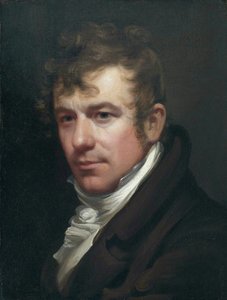
John Wesley Jarvis
1781 - 1839 , United Kingdom
Quick Facts
- Artistic Movement Or Style: Portraiture
- Artists Who Influenced This Artist:
- Matthew Pratt
- Edward Savage
- Date Of Birth: 1781
- Date Of Death: 1839
- Full Name: John Wesley Jarvis
- Nationality: American
- Notable Artworks:
- Samuel Chase
- John Jacob Astor
- John Randolph
- Self Portrait
- Place Of Birth: South Shields, UK
Related Articles
Acrylic Painting: A Comprehensive Exploration of Technique, History & Contemporary Applications
Explore the world of acrylic painting! Discover its rich history, essential techniques, contemporary applications & renowned artists. Expert guide for beginners to professionals.
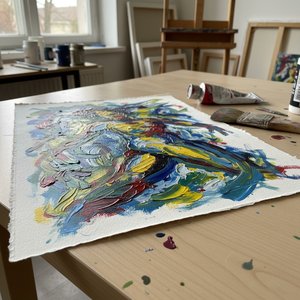
Acrylic on Paper: A Modern Canvas for Contemporary Expression
Explore the versatility of acrylic painting on paper! Discover expert techniques, artist insights & archival practices for creating stunning contemporary art. Learn more at ArtsDot.
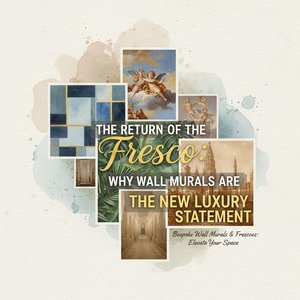
The Return of the Fresco: Why Wall Murals Are the New Luxury Statement
Elevate your space with bespoke wall murals & frescoes. Explore the resurgence of this luxury art form. Expert design guidance & seamless installation – .
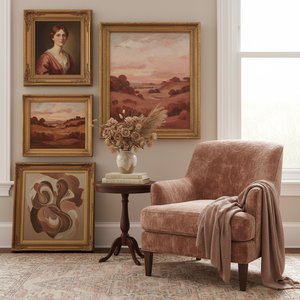
Rosy Brown Hues: 10 Master Paintings & Timeless Decor Ideas |
Explore 10 iconic paintings bathed in captivating rosy brown tones! From Rembrandt to Titian, discover the stories behind these masterpieces & their warm color palettes. Find museum-quality art reproductions and decor inspiration at .
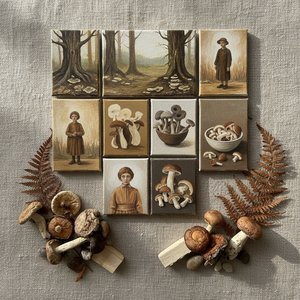
Earthy Hues & Masterpieces: Top 10 Paintings with 'Mushroom' Tones |
Explore 10 iconic paintings with captivating 'mushroom' tones! Discover Van Gogh, Monet & Rembrandt’s masterpieces—earthy palettes, rich history & artistic techniques. Find museum-quality art reproductions and curated decor ideas at