 Preview
 Send
Send Share
Share
 Details

 Download
 Similars
 X-Ray
X-Ray Diaporama
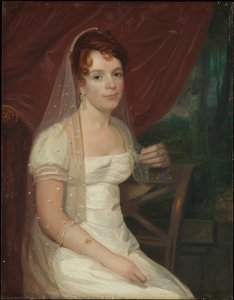
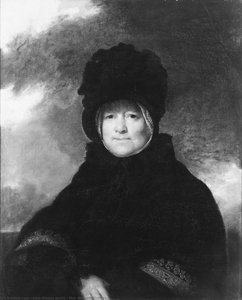
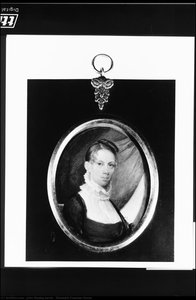
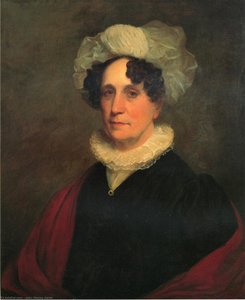
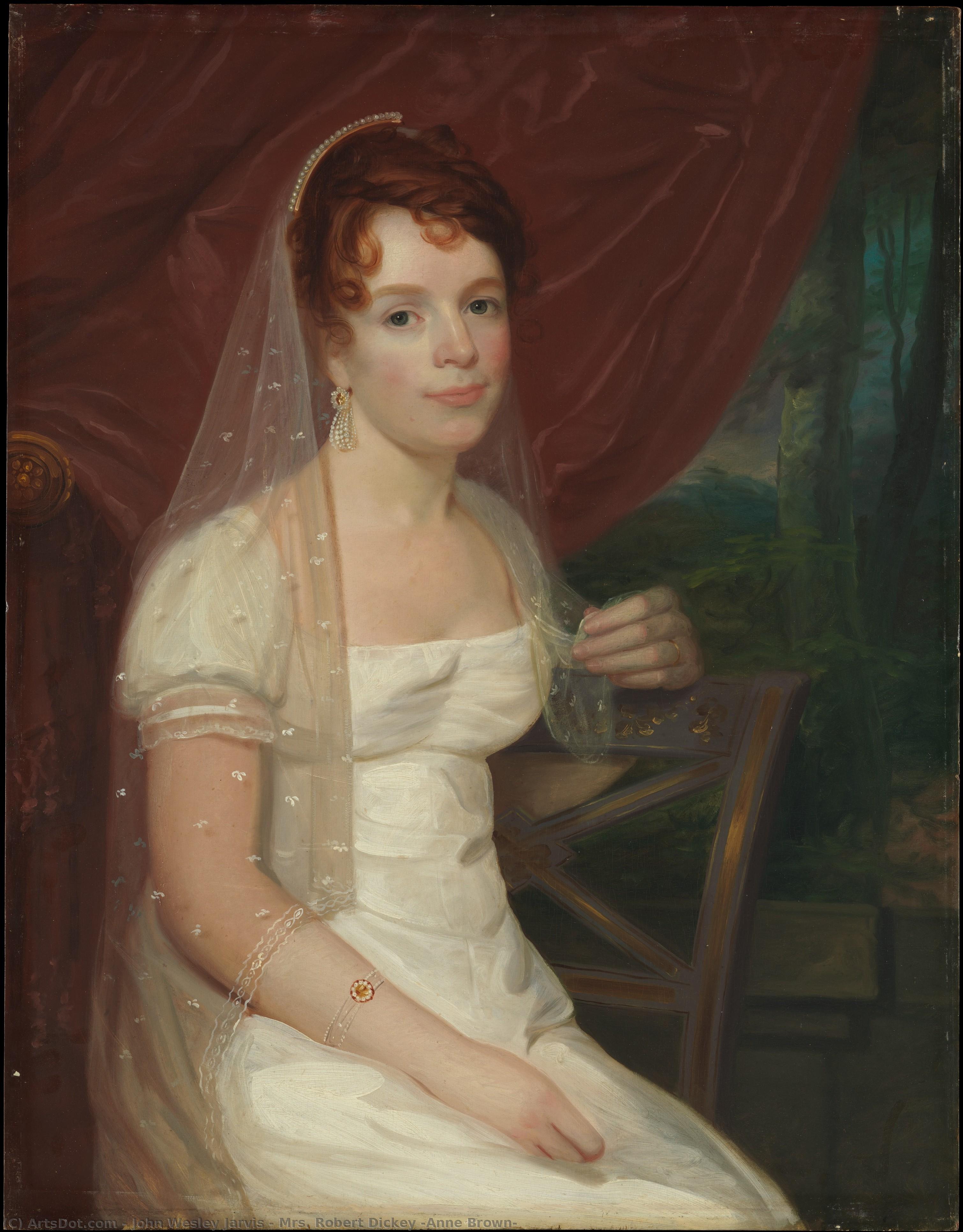
Mrs. Robert Dickey (Anne Brown)
 Oil On Canvas
- WallArt
- Neoclassical Romantic
 1807
1807- 19th Century
 88.0 x 70.0 cm
 Metropolitan Museum of Art
 Read More
Hand Made Oil Reproduction
Hand-painted oil on canvas in your size and frame, made to order by our artists. ( Buy Print Buy Image)




P118B $10

P118H $10

P118W $10

P438Z $10

P508JH $12

P508YH $12

P805H $10

P805Z $10

P919BZ $10

P919G $10

P919XJ $10

P959ZH $10

P968JZ $12

W106C $8

W218G $10

W218JH $8

W218Y $10

W307PJ $10

W316G $10

W316PJ $8

W316Y $10

W398PJ $8

W4111J $10

W500HY $15

W500JH $15

W692G $12

W849H $8

W940BG $15

W953PJ $8




Pick from our preset sizes that match the artwork's original proportions.

You may enter your own dimensions to fit a specific frame or space. If your selected size does not match the original image's proportions, we will either crop the artwork or extend the painting with additional hand-painted elements. A digital mockup will be sent for your approval before production begins.
Please note that the on-screen preview does not reflect the actual cropping or extension. Only the mockup will accurately show the final composition.
While custom sizes are available, we recommend selecting a dimension from the predefined list to preserve the original proportions.
After order, ArtsDot.com team will email client for instructions and provide a mockup preview
Worldwide Delivery () in 3/4 weeks instead of standard 5 weeks. (16 August). No compromise on quality.

Free Worldwide Express Shipping

High-Quality Linen Canvas

Full Shipping Insurance

Customs Tax Refund Guarantee

True Color Matching Guarantee

60-Day Return Policy (Defects Only)

100% Money-Back Guarantee

Bulk Discount Offer
 Glass option is only available in size under 110 CM

Mrs. Robert Dickey (Anne Brown)
Reproduction Medium
Reproduction Size
-


Total Price
$ 263
Artwork Description
A Portrait Steeped in Elegance: John Wesley Jarvis’s ‘Mrs. Robert Dickey (Anne Brown)’
John Wesley Jarvis's “Mrs. Robert Dickey (Anne Brown)” transcends mere representation; it embodies the spirit of its time—a burgeoning American identity grappling with European artistic influences while simultaneously striving for domestic tranquility and refined sensibilities. Painted in 1807, this portrait offers a glimpse into the lives of affluent Philadelphia families during the early Romantic era, capturing Anne Brown Dickey – Robert Dickey’s wife – with remarkable sensitivity and precision.Subject Matter & Composition
The painting depicts Mrs. Dickey seated gracefully before a draped curtain, a pose typical of Neoclassical portraiture yet subtly infused with Romantic warmth. Jarvis skillfully utilizes light to illuminate her face and hands, emphasizing her serene expression and conveying an aura of quiet dignity. The inclusion of two chairs – one behind her and another slightly further back – establishes a sense of intimacy and formality, reflecting the social conventions of the period. A potted plant in the background serves as a visual anchor, grounding the composition and introducing a touch of natural beauty into the interior setting.Style & Technique: Neoclassical Influences with Romantic Nuances
Jarvis’s artistic approach leans heavily toward Neoclassical ideals—characterized by balanced lines, idealized forms, and meticulous attention to detail—yet he deftly incorporates elements suggestive of Romanticism. The muted palette – predominantly creams and browns – contributes to the painting's understated elegance, mirroring the restrained aesthetic favored by discerning patrons. Jarvis employed oil paint on canvas with a glazing technique, layering thin translucent washes over thicker underpaintings to achieve luminous effects and subtle tonal variations. This meticulous craftsmanship ensures that every brushstroke conveys an exceptional level of realism and artistic finesse.Historical Context: Philadelphia Society & Artistic Patronage
Philadelphia in 1807 was a vibrant hub of intellectual and artistic activity, fueled by the influx of European immigrants and bolstered by the patronage of wealthy industrialists and merchants like Robert Dickey. Jarvis benefited greatly from this environment, honing his skills under Matthew Pratt and collaborating with fellow artists who championed classical ideals alongside emerging Romantic sensibilities. The portrait reflects the broader cultural preoccupation with portraying idealized beauty and domestic harmony—themes central to both Neoclassical and Romantic artistic discourse.Symbolism & Emotional Impact
The handkerchief held delicately in Mrs. Dickey’s hand speaks volumes about Victorian values – modesty, compassion, and feminine grace. Similarly, the ring adorning her finger symbolizes marital commitment and enduring affection. Jarvis's masterful depiction captures not only Mrs. Dickey’s physical appearance but also her inner composure and emotional depth. The painting evokes a feeling of quiet contemplation and understated elegance—a testament to Jarvis’s ability to translate visual beauty into profound psychological resonance.Conclusion: A Timeless Masterpiece
“Mrs. Robert Dickey (Anne Brown)” remains an enduring symbol of American artistic achievement during the Romantic era, demonstrating Jarvis's mastery of technique and his astute understanding of prevailing aesthetic ideals. Its exquisite detail and luminous quality continue to inspire admiration and offer a captivating glimpse into the lives of Philadelphia’s elite families—a timeless masterpiece that transcends its historical context and speaks directly to our appreciation for beauty and artistic excellence.Related Artworks

Artist Biography
A Life Etched in Likeness: The World of John Wesley Jarvis
John Wesley Jarvis, a name resonant within the annals of early 19th-century American portraiture, was an artist whose life mirrored the burgeoning energy and complex contradictions of a young nation. Born in South Shields, England, around 1780 or 1781 – records remain somewhat ambiguous on the precise date – Jarvis arrived in the United States with his family during a period of significant transatlantic migration. This formative experience, coupled with a lineage connected to the influential Methodist leader John Wesley, instilled within him a unique perspective that would subtly inform both his artistic vision and his often-flamboyant personal style. His early years were spent in Philadelphia, where he began to absorb the fundamentals of his craft, frequenting the studio of Matthew Pratt, a respected colonial portraitist, and encountering other artists like Christian Gullager. However, it was his apprenticeship under Edward Savage, an English engraver and artist who had also made his mark in America, that truly set him on his path. This period wasn’t solely focused on painting; Jarvis honed skills in engraving alongside David Edwin, a versatility that would prove advantageous throughout his career. The move to New York City with Savage in 1801 marked the true beginning of Jarvis's independent artistic journey.Forging a Style: Partnership and Artistic Exploration
The year 1803 witnessed the formation of a pivotal partnership between Jarvis and Joseph Wood, an association that lasted for seven years and profoundly shaped his development as an artist. This collaboration wasn’t confined to a single medium; together they produced engravings, delicate miniatures, and increasingly ambitious large-scale portraits. It was through Edward Malbone that Jarvis refined his skill in miniature painting, but it was the broader exploration of oil painting during this time that truly began to define his artistic voice. The partnership also demonstrated a shrewd entrepreneurial spirit – operating a drawing school and creating affordable silhouette portraits allowed them to reach a wider audience while simultaneously establishing their reputation. However, even amidst growing professional success, Jarvis’s personality began to attract attention. He cultivated an eccentric lifestyle, marked by distinctive dress and a penchant for lively conversation, traits that would become synonymous with his name and occasionally overshadow the merits of his work in the eyes of some contemporaries. This willingness to embrace individuality, however, also contributed to his appeal among certain segments of society, particularly those who appreciated a touch of unconventionality.A Traveling Brush: Commissions and Notable Portraits
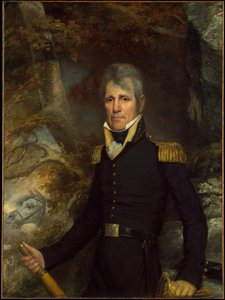
Jarvis’s career was characterized by extensive travel throughout the United States, a testament to both his ambition and his ability to secure commissions from prominent individuals. He ventured beyond the established artistic centers of New York and Philadelphia, seeking opportunities in Baltimore, Charleston, and even New Orleans. It was during these journeys that he painted some of his most celebrated portraits, including those of General Andrew Jackson – capturing the future president at a pivotal moment in his career. His ability to capture not just physical likeness but also a sense of character and social standing proved crucial to his success. Among his other notable works are striking portrayals of Samuel Chase, John Jacob Astor, John Armstrong, and John Randolph, each offering a glimpse into the lives of influential figures during the War of 1812 era and beyond. He didn’t work in isolation; Jarvis employed assistants such as Thomas Sully and Henry Inman, contributing to the broader artistic landscape and fostering the development of future generations of American painters. The portrait of Mrs. William Thomas, along with his self-portrait and that of Mrs. Robert Dickey (Anne Brown), further demonstrate his range and technical skill.Challenges and Legacy: A Complex Artistic Journey
Despite achieving considerable success, Jarvis’s personal life was marked by hardship. The early death of his wife, Betsy Burtis, left him with two young children to raise, and later years brought legal battles – a lawsuit from former apprentice John Quidor and the painful loss of custody of his children in a contentious court case. A debilitating stroke suffered while in New Orleans in 1834 proved particularly devastating, significantly impacting his health and artistic abilities. He spent his final years in New York City, reliant on the care of his sister, and died in poverty in 1839. Yet, despite these difficulties, Jarvis left behind a substantial body of work that provides invaluable insight into the social and cultural fabric of early 19th-century America. His portraits are now held in esteemed collections such as the New York Historical Society and the Metropolitan Museum of Art, ensuring his place within the canon of American art history. He remains a compelling figure – a talented artist whose life was as colorful and complex as the portraits he so skillfully created. He wasn’t merely a recorder of appearances; he was an interpreter of character, a chronicler of a nation finding its identity, and a testament to the enduring power of portraiture. His legacy extends beyond his artistic skill, encompassing a spirit of independence and a willingness to embrace individuality that continues to resonate today.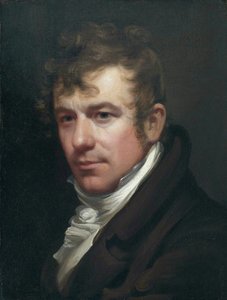
John Wesley Jarvis
1781 - 1839 , United Kingdom
Quick Facts
- Artistic Movement Or Style: Portraiture
- Artists Who Influenced This Artist:
- Matthew Pratt
- Edward Savage
- Date Of Birth: 1781
- Date Of Death: 1839
- Full Name: John Wesley Jarvis
- Nationality: American
- Notable Artworks:
- Samuel Chase
- John Jacob Astor
- John Randolph
- Self Portrait
- Place Of Birth: South Shields, UK
Related Articles

Grant Wood & American Regionalism: Identity, Myth & the Rural Landscape
Explore the world of Grant Wood & American Regionalism with ArtsDot. Discover the symbolism behind 'American Gothic', recurring themes, and the movement's lasting impact on art history. High-quality reproductions available.

Henry Farny: Romantic Visions of the American West & Indigenous Life
Explore the evocative paintings of Henry Farny, renowned for his romantic realism & depictions of Native American life in the 19th-century West. Discover his legacy and key artworks at ArtsDot.
American Realism's Defining Works: 10 Masterpieces for Your Home
Explore 10 defining American Realism masterpieces – Hopper, Homer & more. Discover the stories behind these iconic paintings and bring timeless art to your home with ArtsDot's museum-quality reproductions. Explore the full collection online.

The Enduring Legacy of Oil on Canvas: Technique, History & Aesthetic Impact
Explore the rich history & techniques of oil painting – from Renaissance masters to Impressionism. Discover pigments, layering methods, and why this timeless medium endures. Expert insights for artists & art enthusiasts.

Oil on Canvas: A Historical & Technical Exploration of a Timeless Artistic Medium
Explore the rich history & enduring techniques of oil painting on canvas. Discover the science behind its longevity, conservation practices, and contemporary relevance. Expert insights for art enthusiasts.