 Preview
 Send
Send Share
Share
 Details

 Download
 Similars
 X-Ray
X-Ray Diaporama
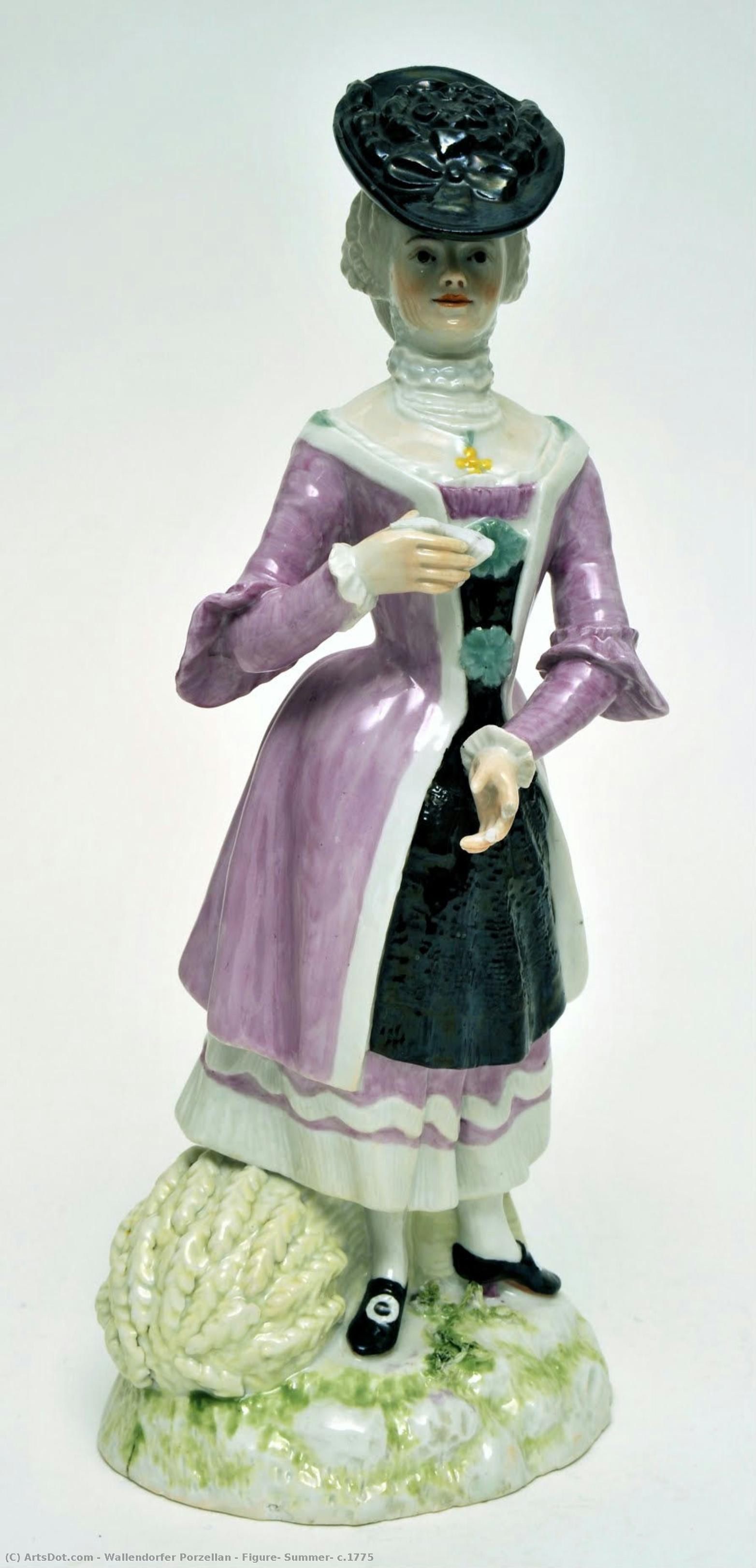
Figure: Summer, c.1775

 Read More
Giclée / Art Print
Museum-quality giclée or canvas print with fast production and flexible finish options. ( Buy Hand Made Painting Buy Image)




































Pick from our preset sizes that match the artwork's original proportions.

You may enter your own dimensions to fit a specific frame or space. If your selected size does not match the original image's proportions, we will either crop the artwork or extend the image with a mirrored or solid-fill edge. A digital mockup will be sent for your approval before production begins.
Please note that the on-screen preview does not reflect the actual cropping or extension. Only the mockup will accurately show the final composition.
While custom sizes are available, we recommend selecting a dimension from the predefined list to preserve the original proportions.
Worldwide Delivery () in 2 weeks instead of standard 4/5 weeks. (23 August)

Free Worldwide Express Shipping

High-Quality Linen Canvas

Full Shipping Insurance

Customs Tax Refund Guarantee

True Color Matching Guarantee

60-Day Return Policy (Defects Only)

100% Money-Back Guarantee

Bulk Discount Offer
 Glass option is only available in size under 110 CM

Figure: Summer, c.1775
Giclée / Art Print
Reproduction Size
-


Total Price
$ 63
Related Artworks







Artist Biography
The Enduring Legacy of Wallendorfer Porzellan: A Tale of Thuringian Craftsmanship
In the verdant heart of the Thuringian Highlands, nestled in the small village of Lichte, lies a porcelain manufactory steeped in history and tradition – Wallendorfer Porzellan. Founded in 1764 by Johann Wolfgang Hammann, alongside Gotthelf and Gottfried Greiner, this company isn’t merely a producer of fine ceramics; it is a living testament to the enduring power of artisanal skill and unwavering dedication to quality. Its story begins almost half a century after the groundbreaking invention of porcelain in Europe by Ehrenfried Walter von Tschirnhaus and Johann Friedrich Böttger, yet Hammann's ambition was not simply to replicate existing techniques but to forge a unique path within this burgeoning art form.
The early years were marked by resourceful ingenuity. The territory surrounding Lichte straddled the border between Schwarzburg-Rudolstadt and Saxe-Coburg-Saalfeld, presenting both challenges and opportunities. Hammann initially faced rejection when seeking a concession to manufacture porcelain in Schwarzburg-Rudolstadt, having been beaten to it by another applicant. Undeterred, he persevered, successfully firing hard-paste porcelain in Katzhütte the following year before securing a license from the Duke of Saxe-Coburg. This tenacity laid the foundation for what would become one of Europe’s oldest and most respected porcelain trademarks.
Early Innovations and Artistic Development
The initial production at Wallendorfer Porzellan focused on practical wares – coffee, tea, and chocolate services alongside everyday items like beer steins and tobacco boxes. However, the true turning point came with a quest for superior materials. Early porcelain produced using local clays possessed an undesirable greyish tint. Recognizing this limitation, Hammann embarked on a search for purer resources, eventually sourcing kaolin from Bohemia around 1780. This pivotal decision transformed Wallendorfer porcelain, yielding a strikingly white hard-paste body that quickly gained recognition for its brilliance and quality. As Wilhelm Martius noted in 1793, the porcelain was “dazzling white, finely ground and so hard that there are sparks on the steel.”
The introduction of figurines in 1785 marked a significant expansion into more artistic realms. These early figures, often depicting scenes of everyday life or allegorical subjects, showcased the growing skill of Wallendorfer artisans. The company’s reputation flourished, attracting attention and establishing a distinct aesthetic characterized by delicate painting and meticulous detail. Throughout this period, Hammann's commitment to handmade processes – quality control by experienced eyes and hand-painting techniques – became hallmarks of the manufactory.
Turbulent Times and Enduring Traditions
The 19th century brought a series of ownership changes, with the Hammann family relinquishing control in 1833. The porcelain factory passed through the hands of several prominent names in the industry – Hutschenreuther, Kämpfe, Sonntag, Heubach, and Schaubach – each leaving their mark on the company’s evolution. This period was not without its challenges; imitations of the renowned Meissen porcelain trademark prompted complaints to authorities, highlighting both the esteem for which Wallendorfer Porcelain was held and the competitive landscape it navigated.
Despite these fluctuations, certain core traditions remained steadfast. The detailed composition invented by Hammann, closely guarded as a trade secret, continued to be refined over generations. More importantly, the emphasis on handmade techniques – expert quality management and hand-painting – persisted, ensuring that each piece retained a unique character and artistic integrity. This dedication to craftsmanship became synonymous with the Wallendorfer name.
Wallendorfer Porcelain Today: A Legacy of Excellence
Today, Wallendorfer Porzellan stands as a proud custodian of its rich heritage. While technological advancements have inevitably been incorporated into the production process, the fundamental principles established by Johann Wolfgang Hammann remain at the heart of the manufactory’s operations. The company continues to specialize in handmade coffee, tea, and chocolate services, alongside exquisite figurines – areas that have defined its identity for over two and a half centuries.
The current trademark—a “W” beneath a crowned helmet, accompanied by the foundation year of 1764—serves as a powerful symbol of continuity and enduring quality. Wallendorfer Porcelain is more than just a brand; it’s a celebration of Thuringian artistry, a testament to the power of perseverance, and a reminder that true craftsmanship transcends time.

wallendorfer porzellan
1764 - , Germany
Quick Facts
- Artistic Movement Or Style: Porcelain painting
- Date Of Birth: 1764
- Full Name: Wallendorfer Porzellan
- Nationality: German
- Notable Artworks:
- Figure: Winter, c. 1775
- Figure: Summer, c. 1775
- Figure: Autumn, c. 1775
- Place Of Birth: Lichte, Germany