 Preview
 Send
Send Share
Share
 Details

 Download
 Similars
 X-Ray
X-Ray Diaporama
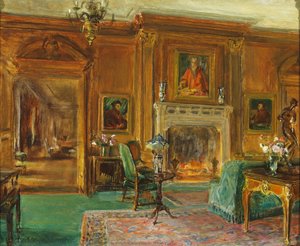
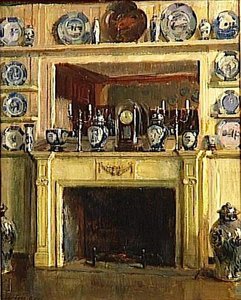
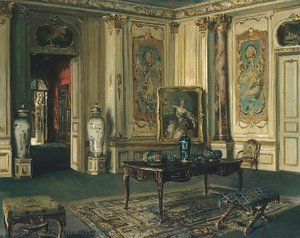
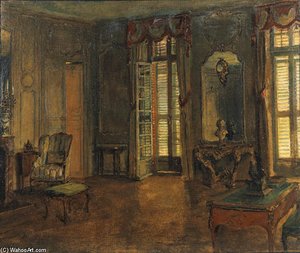
The Living Hall (The Frick Collection, New York)


 Read More
Hand Made Oil Reproduction
Hand-painted oil on canvas in your size and frame, made to order by our artists. ( Buy Print Buy Image)




P118B $10

P118H $10

P118W $10

P438Z $10

P508JH $12

P508YH $12

P805H $10

P805Z $10

P919BZ $10

P919G $10

P919XJ $10

P959ZH $10

P968JZ $12

W106C $8

W218G $10

W218JH $8

W218Y $10

W307PJ $10

W316G $10

W316PJ $8

W316Y $10

W398PJ $8

W4111J $10

W500HY $15

W500JH $15

W692G $12

W849H $8

W940BG $15

W953PJ $8




Pick from our preset sizes that match the artwork's original proportions.

You may enter your own dimensions to fit a specific frame or space. If your selected size does not match the original image's proportions, we will either crop the artwork or extend the painting with additional hand-painted elements. A digital mockup will be sent for your approval before production begins.
Please note that the on-screen preview does not reflect the actual cropping or extension. Only the mockup will accurately show the final composition.
While custom sizes are available, we recommend selecting a dimension from the predefined list to preserve the original proportions.
After order, ArtsDot.com team will email client for instructions and provide a mockup preview
Worldwide Delivery () in 3/4 weeks instead of standard 5 weeks. (4 September). No compromise on quality.

Free Worldwide Express Shipping

High-Quality Linen Canvas

Full Shipping Insurance

Customs Tax Refund Guarantee

True Color Matching Guarantee

60-Day Return Policy (Defects Only)

100% Money-Back Guarantee

Bulk Discount Offer
 Glass option is only available in size under 110 CM

The Living Hall (The Frick Collection, New York)
Reproduction Medium
Reproduction Size
-


Total Price
$ 263
Walter Gay’s ‘The Living Hall’: A Window into Renaissance Intimacy
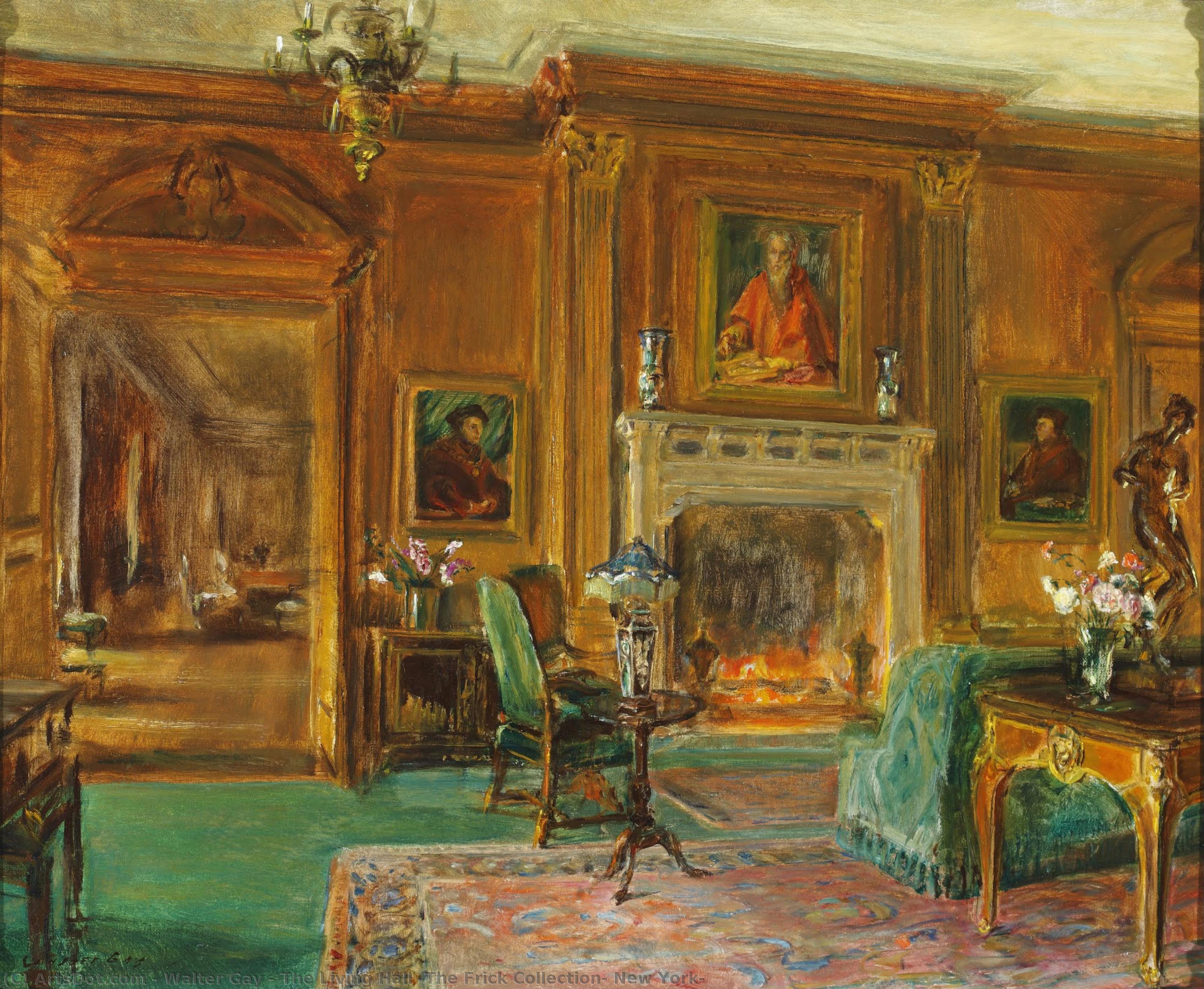
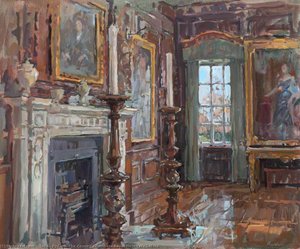
Walter Gay's “The Living Hall,” part of the esteemed Frick Collection in New York, offers more than just a depiction of an opulent interior; it’s a carefully constructed invitation to experience the warmth and power of a private moment within a wealthy 16th-century household. Painted with a remarkable sensitivity for detail and atmosphere, the work captures the essence of the domestic hearth – a focal point not merely for physical comfort but also for social and intellectual life. Gay's artistic choices deliberately shift our attention away from the elaborate architectural details that would have been characteristic of such rooms, instead prioritizing the luminous quality of light and the luxurious textures of furniture and textiles.
- Simplified Architecture: Gay’s strategic reduction of architectural ornamentation allows the viewer to focus on the room's inherent warmth. The intricate paneling, a hallmark of Renaissance interiors, is rendered with subtle suggestion rather than meticulous representation.
- Emphasis on Light and Texture: The artist masterfully employs light to create a sense of glowing warmth, highlighting the plushness of the furniture – a deep-colored couch and chairs – and the rich patterns of the Persian carpet beneath.
A Symphony of Portraits and Symbolism
The composition is anchored by a trio of iconic portraits, each imbued with historical significance and symbolic weight. Holbein’s “Sir Thomas More,” painted in 1527, stands to the left, embodying humanist ideals and civic virtue. Across the fireplace, Cromwell's portrait from 1532/33 reflects the political machinations of Henry VIII’s reign. In the center, El Greco’s “St. Jerome” adds a layer of spiritual contemplation, its elongated form and intense gaze suggesting a profound connection to faith and solitude. These portraits are not merely decorative elements; they represent key figures in English history, their presence adding layers of narrative depth to the scene.
Technique and Historical Context
Executed in oil on canvas, Gay’s technique demonstrates a keen understanding of color and light – hallmarks of the academic style prevalent during his time. Born in 1856, Gay was deeply influenced by the artistic traditions of the Renaissance, particularly evident in his careful rendering of textures and his ability to evoke atmosphere. The painting reflects the tastes of the late 19th century, when there was a renewed interest in recreating historical interiors as a means of understanding past cultures and appreciating fine art. The scene itself represents a carefully curated display of wealth and status – a common practice within aristocratic households during this period.
Emotional Impact and Artistic Legacy
"The Living Hall" transcends a simple representation of a room; it’s an evocative portrayal of intimacy, power, and contemplation. Gay's skillful manipulation of light and composition invites the viewer to step into the scene, imagining themselves seated by the fire, surrounded by these powerful figures. This work stands as a testament to Gay’s ability to capture not just the appearance of a space but also its emotional resonance – a quality that continues to captivate audiences today. Its influence can be seen in subsequent depictions of interiors and portraits, solidifying Gay's place as a significant figure in late 19th-century art.
Related Artworks




Artist Biography
John Singer Sargent: A Portrait of an Era
Born in Florence, Italy, in 1856, to American expatriate parents – Dr. Fitzwilliam Sargent and Mary Newbold Singer – John Singer Sargent’s life was a vibrant tapestry woven from European travel, artistic training, and the relentless pursuit of capturing the essence of his subjects. His childhood was far removed from conventional schooling; instead, he benefited from a ‘Baedeker education,’ immersing himself in languages, geography, and a deep appreciation for art through extensive journeys across Europe – Italy, France, Switzerland, Germany, Spain, Morocco, and the Netherlands. This itinerant upbringing profoundly shaped his artistic vision, fostering an acute observational skill and a cosmopolitan sensibility that would later define his remarkable career.
Sargent’s formal training began in 1874 at the Accademia delle Belle Arti in Florence, but he quickly recognized the superior opportunities offered by Paris. He enrolled in the atelier of Carolus-Duran, a prominent portraitist and influential figure within the Parisian art scene. Duran's approach – emphasizing direct painting, immediate application of paint, and drawing inspiration from Velázquez and other masters – proved transformative for Sargent. This early influence is evident in his meticulous technique and his ability to imbue his portraits with a remarkable sense of immediacy and psychological depth. The pivotal moment came in 1877 when he was commissioned to decorate the ceiling of the Luxembourg Palace, alongside Carolus-Duran himself. This ambitious project not only solidified Sargent’s reputation but also cemented his commitment to capturing fleeting moments and conveying complex emotions through subtle shifts in color and light.
- Early Influences: Velázquez, Frans Hals, and the Barbizon School provided a foundation for Sargent's distinctive style.
- Carolus-Duran’s Atelier: Duran’s emphasis on *au premier coup* (direct painting) profoundly impacted Sargent’s technique.
- The Luxembourg Palace Ceiling: This ambitious project showcased Sargent’s technical skill and his ability to capture complex emotions.
The Rise of a Portraitist
Sargent's arrival in London in 1885 marked a significant turning point in his career. The British public, eager for new artistic voices, embraced his dynamic style and his ability to portray the elegance and sophistication of Edwardian society. He quickly established himself as one of the most sought-after portraitists of his time, capturing the likenesses of prominent figures – from actresses like Ellen Terry to industrialists like Henry James Marquand and members of the British aristocracy. His portraits were not merely representations of appearance; they were carefully constructed narratives that revealed the personalities and social standing of his subjects.
His success was fueled by a keen understanding of fashion, social etiquette, and the psychology of portraiture. Sargent meticulously observed his sitters, studying their gestures, expressions, and interactions to create images that felt both authentic and captivating. He skillfully employed light and shadow to sculpt form, conveying a sense of movement and drama within each composition. His portraits are renowned for their atmospheric quality, capturing not just the physical appearance but also the inner lives of those he depicted.
- London’s Embrace: Sargent quickly gained popularity in London, becoming one of the most fashionable portraitists of the era.
- Capturing Social Status: His portraits reflected the elegance and sophistication of Edwardian society.
- Psychological Depth: Sargent's portraits revealed the personalities and social standing of his subjects.
Beyond Portraiture: Landscapes and Genre Scenes
While renowned for his portraiture, Sargent’s artistic interests extended beyond capturing individual likenesses. He embarked on extensive travels throughout Europe and North Africa, documenting landscapes, genre scenes, and exotic locales. His early trips to Brittany, Spain, and Morocco yielded a series of luminous paintings that celebrated the beauty of nature and the vibrancy of foreign cultures. These works demonstrate his ability to capture fleeting moments of light and color, evoking a sense of atmosphere and emotion.
His fascination with Velázquez continued to inform his work, particularly in his interior scenes and studies of everyday life. He meticulously copied Velázquez’s paintings, absorbing the master's techniques and philosophical approach to art. This influence is evident in Sargent’s ability to create images that are both technically masterful and emotionally resonant.
- Exploration of Landscapes: Sargent documented landscapes across Europe and North Africa.
- Genre Scenes: He captured the vibrancy of foreign cultures through genre scenes.
- Velázquez’s Influence: His work reflects Velázquez's techniques and philosophical approach to art.
Legacy and Historical Significance
John Singer Sargent died in London in 1925, leaving behind a vast and influential body of work. He is considered one of the most important portrait painters of his generation, renowned for his technical skill, psychological insight, and ability to capture the essence of his subjects. His portraits offer a unique glimpse into the lives and personalities of Edwardian society, reflecting the elegance, sophistication, and social complexities of the era.
Sargent’s legacy extends beyond his individual paintings. He played a significant role in shaping the course of modern art, challenging traditional conventions and paving the way for future generations of artists. His work continues to be exhibited and studied worldwide, inspiring admiration and appreciation for his extraordinary talent and enduring vision. His influence can still be seen in contemporary portraiture, demonstrating the lasting impact of this remarkable artist.
- A Lasting Influence: Sargent’s work continues to inspire artists today.
- Reflection of an Era: His portraits offer a unique glimpse into Edwardian society.
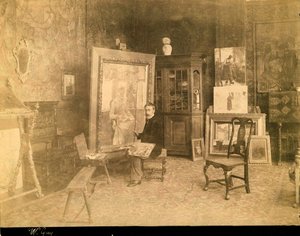
walter gay
1856 - 1937 , United States of America
Quick Facts
- Artistic Movement Or Style: Portraiture, Impressionism
- Artists Or Movements Influenced By This Artist:
- Carolus-Duran
- Impressionism
- Artists Who Influenced This Artist:
- Velázquez
- Frans Hals
- Rembrandt
- Date Of Birth: January 12, 1856
- Date Of Death: April 15, 1925
- Full Name: John Singer Sargent
- Nationality: American expatriate
- Notable Artworks:
- Madame X
- The Daughters of Edward
- Gassed
- Place Of Birth: Florence, Italy
Related Articles
Sir Joshua Reynolds' Masterpieces: 25 Portraits of Power & Refinement | ArtsDot
Explore 25 captivating portraits by Sir Joshua Reynolds, a master of British art. Discover stories behind his iconic paintings, elegant style & historical influence. Find museum-quality reproductions and elevate your home decor on ArtsDot.com.
Sir Alfred Munnings' Masterpieces: 25 Paintings That Define Equine Art | ArtsDot
Explore 25 iconic Sir Alfred Munnings paintings! Discover the beauty of British Impressionism, equine art & rural England. Find museum-quality reproductions and elevate your home decor with ArtsDot. Explore the full collection online.
Hans Holbein the Younger: A Renaissance Portraitist's Mastery of Realism & Psychological Insight
Explore the life & art of Hans Holbein the Younger, a Renaissance master renowned for his strikingly realistic portraits and psychological insight. Discover iconic works like 'The Ambassadors' and delve into his lasting legacy.
Sir Thomas Lawrence: Portraiture, Power & Regency Society's Aesthetics
Explore the captivating world of Sir Thomas Lawrence, Regency England's premier portraitist. Discover his artistic techniques, powerful representations of society, and enduring legacy. Expert insights for discerning art collectors.
Samuel Walters: Capturing Victorian Maritime Life with Precision & Artistry
Explore the exquisite maritime paintings of Samuel Walters (1811-1882). Discover his mastery of detail, historical scenes & influence on Victorian art. Learn about collecting his works and find high-quality reproductions at ArtsDot.