

 Preview
 Send
Send Share
Share
 Details

 Download
 Similars
 X-Ray
X-Ray Diaporama
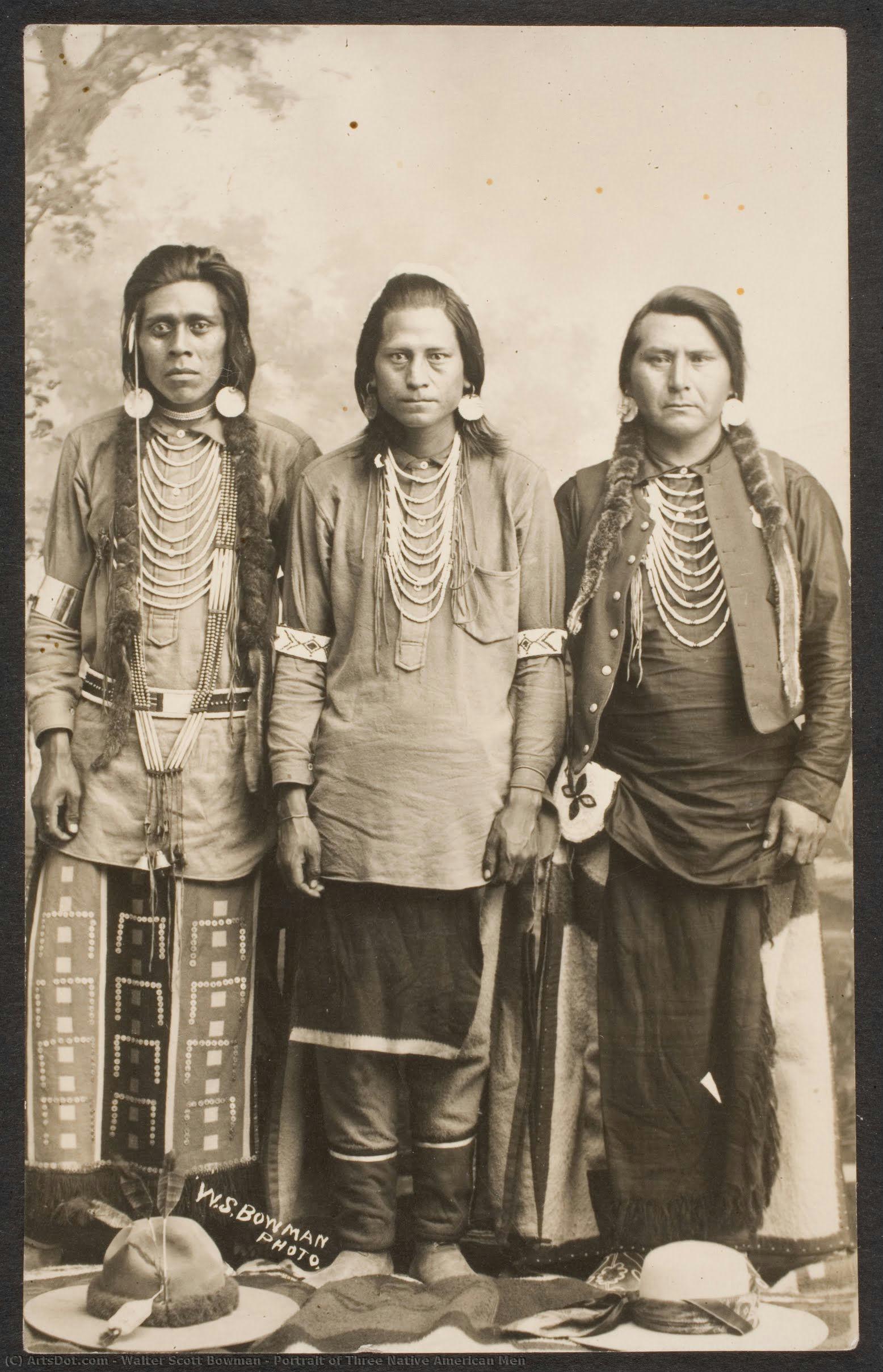
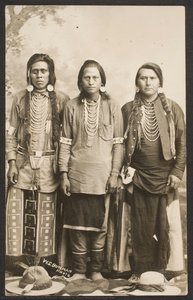
Portrait of Three Native American Men


 Read More
Hand Made Oil Reproduction
Hand-painted oil on canvas in your size and frame, made to order by our artists. ( Buy Print Buy Image)




P118B $10

P118H $10

P118W $10

P438Z $10

P508JH $12

P508YH $12

P805H $10

P805Z $10

P919BZ $10

P919G $10

P919XJ $10

P959ZH $10

P968JZ $12

W106C $8

W218G $10

W218JH $8

W218Y $10

W307PJ $10

W316G $10

W316PJ $8

W316Y $10

W398PJ $8

W4111J $10

W500HY $15

W500JH $15

W692G $12

W849H $8

W940BG $15

W953PJ $8




Pick from our preset sizes that match the artwork's original proportions.

You may enter your own dimensions to fit a specific frame or space. If your selected size does not match the original image's proportions, we will either crop the artwork or extend the painting with additional hand-painted elements. A digital mockup will be sent for your approval before production begins.
Please note that the on-screen preview does not reflect the actual cropping or extension. Only the mockup will accurately show the final composition.
While custom sizes are available, we recommend selecting a dimension from the predefined list to preserve the original proportions.
After order, ArtsDot.com team will email client for instructions and provide a mockup preview
Worldwide Delivery () in 3/4 weeks instead of standard 5 weeks. (23 August). No compromise on quality.

Free Worldwide Express Shipping

High-Quality Linen Canvas

Full Shipping Insurance

Customs Tax Refund Guarantee

True Color Matching Guarantee

60-Day Return Policy (Defects Only)

100% Money-Back Guarantee

Bulk Discount Offer
 Glass option is only available in size under 110 CM

Portrait of Three Native American Men
Reproduction Medium
Reproduction Size
-


Total Price
$ 263
Related Artworks
Artist Biography
The Lens of the Frontier: The Life and Legacy of Walter Scott Bowman
In the golden, dust-swept era of the American West, few individuals possessed the vision to freeze the fleeting spirit of the frontier as effectively as Walter Scott Bowman. Born in 1865 to a pioneer family that had journeyed from Iowa to the rugged landscapes of Oregon, Bowman was more than a mere observer; he was a meticulous chronicler of a vanishing world. His life, spanning from the late nineteenth century to his passing in 1938, mirrored the profound transformations of the Pacific Northwest. Through his lens, the raw energy of the burgeoning American West was captured with a clarity that transcended simple documentation, turning ephemeral moments of grit and grace into enduring historical monuments.
Bowman’s journey into the art of light began much earlier than his professional establishment in Pendleton. His formal studies commenced under the guidance of T. C. Ward in 1887, a mentorship that laid the technical foundation for what would become a prolific career. By 1890, Bowman had purchased Ward's studio, marking the beginning of his tenure as Pendleton’s premier photographer. Operating from a studio nestled along the banks of the Umatilla River, he became an integral part of the social fabric of Eastern Oregon. His work was not confined to the controlled environment of the studio; rather, it spilled out into the streets, the parade routes, and the vast, open arenas of the rodeo, driven by an innate fascination with visual storytelling and a commitment to realism.
Capturing the Pulse of the Pendleton Round-Up
The true heart of Bowman’s oeuvre lies in his unparalleled documentation of the Pendleton Round-Up. As this event rose to prominence, cementing Oregon's reputation as a cornerstone of rodeo culture, Bowman was there to capture its most visceral triumphs and tensions. He possessed a rare ability to navigate the chaos of high-action horsemanship, utilizing the advanced techniques of his era—such as glass-plate and cellulose acetate negatives—to render spectacular displays of athleticism with startling detail. His images are not merely snapshots of sport; they are carefully composed narratives that convey the dust, the sweat, and the unyielding spirit of the cowboy era.
Beyond the spectacle of the arena, Bowman’s gaze was deeply empathetic toward the diverse cultures that defined the region. He documented the intricate ceremonies and daily lives of the Native American communities near the Umatilla Indian Reservation with a level of respect and intimacy that is rare for the period. His collection serves as a vital bridge to understanding the social fabric of the early 20th century, weaving together the threads of indigenous tradition and the expanding influence of Western settlement. This breadth of subject matter—ranging from the rhythmic precision of marching bands and parades to the industrial grit of railroad construction sites—ensures that his work remains a comprehensive visual encyclopedia of the era.
A Lasting Visual Heritage
The historical significance of Walter Scott Bowman’s work cannot be overstated. His dedication to preserving the ephemeral has left behind a treasure trove of photographic history that continues to captivate scholars and art enthusiasts alike. The sheer volume of his output is a testament to his tireless work ethic, as evidenced by the extensive collections held by prestigious institutions:
- The University of Oregon: Housing a massive collection including 379 glass-plate negatives, 51 cellulose acetate negatives, and 200 silver gelatin photoprints.
- The National Cowgirl Hall of Fame: Preserving his iconic action shots from the Pendleton Round-Up that celebrate the legends of rodeo.
- The National Cowboy Museum: Featuring numerous Bowman photographs and postcard images that illustrate the broader American West.
As we look back through the monochrome textures of his prints, we see more than just historical records; we encounter the soul of a landscape in transition. Through realism and an unwavering eye for detail, Bowman ensured that the triumphs, the struggles, and the profound beauty of the Oregon frontier would never fade into the shadows of memory. His legacy remains etched in silver and glass, a permanent testament to the frontier spirit he so passionately pursued.
walter scott bowman
1865 - 1938 , United States of America
Quick Facts
- Artistic Movement Or Style: Photography
- Date Of Birth: February 8, 1865
- Date Of Death: November 27, 1938
- Full Name: Walter Scott Bowman
- Nationality: American
- Notable Artworks: ['Portrait of Three Native American Men']
- Place Of Birth: Pendleton, United States
Related Articles

Dark Masterpieces: 10 Iconic Paintings Dominated by Black Tones |
Explore 10 iconic paintings dominated by black tones, from Rembrandt’s chiaroscuro to Goya's dark expressions. Discover the stories behind these masterpieces & find museum-quality art reproductions for your home at .
Grant Wood & American Regionalism: Identity, Myth & the Rural Landscape
Explore the world of Grant Wood & American Regionalism with ArtsDot. Discover the symbolism behind 'American Gothic', recurring themes, and the movement's lasting impact on art history. High-quality reproductions available.
James Otto Lewis: Navigating American Modernism Through Regional Identity & Stylistic Innovation
Explore the captivating portraits of James Otto Lewis, a pivotal figure bridging 19th-century realism & American Modernism. Discover his groundbreaking work documenting Native American culture and regional identity.

American Realism's Defining Works: 10 Masterpieces for Your Home
Explore 10 defining American Realism masterpieces – Hopper, Homer & more. Discover the stories behind these iconic paintings and bring timeless art to your home with ArtsDot's museum-quality reproductions. Explore the full collection online.
Henry Farny: Romantic Visions of the American West & Indigenous Life
Explore the evocative paintings of Henry Farny, renowned for his romantic realism & depictions of Native American life in the 19th-century West. Discover his legacy and key artworks at ArtsDot.

