 Preview
 Send
Send Share
Share
 Details

 Download
 Similars
 X-Ray
X-Ray Diaporama
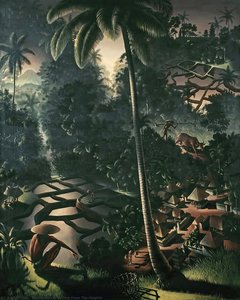
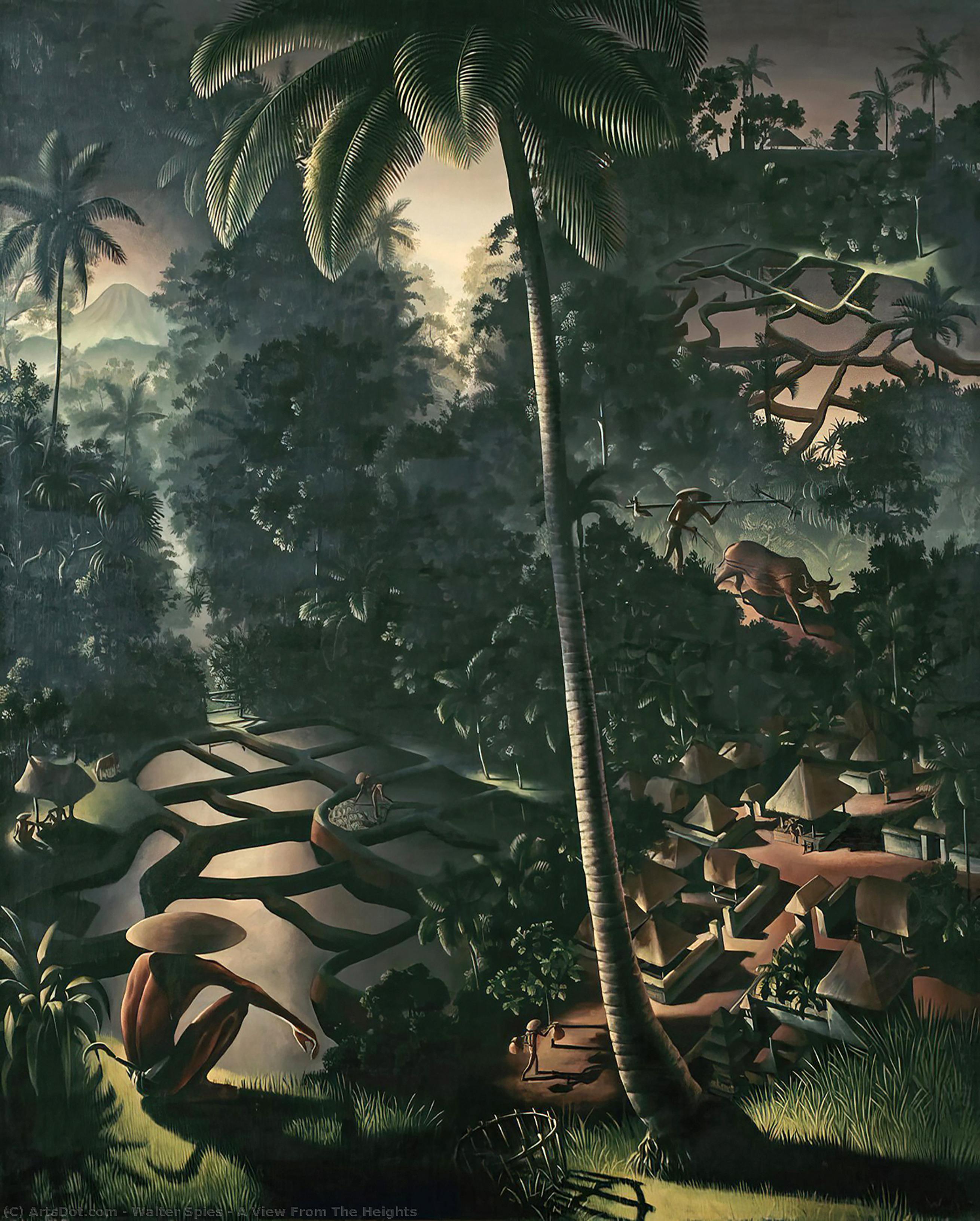
A View From The Heights
 Primitivism
 101.0 x 83.0 cm
 Read More
Hand Made Oil Reproduction
Hand-painted oil on canvas in your size and frame, made to order by our artists. ( Buy Print Buy Image)




































Pick from our preset sizes that match the artwork's original proportions.

You may enter your own dimensions to fit a specific frame or space. If your selected size does not match the original image's proportions, we will either crop the artwork or extend the painting with additional hand-painted elements. A digital mockup will be sent for your approval before production begins.
Please note that the on-screen preview does not reflect the actual cropping or extension. Only the mockup will accurately show the final composition.
While custom sizes are available, we recommend selecting a dimension from the predefined list to preserve the original proportions.
After order, ArtsDot.com team will email client for instructions and provide a mockup preview
Worldwide Delivery () in 3/4 weeks instead of standard 5 weeks. (18 August). No compromise on quality.

Free Worldwide Express Shipping

High-Quality Linen Canvas

Full Shipping Insurance

Customs Tax Refund Guarantee

True Color Matching Guarantee

60-Day Return Policy (Defects Only)

100% Money-Back Guarantee

Bulk Discount Offer
 Glass option is only available in size under 110 CM

A View From The Heights
Reproduction Medium
Reproduction Size
-


Total Price
$ 288
Artwork Description
Introduction
Walter Spies, a German-born painter and musician, is renowned for his significant contributions to Indonesian modern art. His work, 'A View from the Heights,' exemplifies his unique style and deep appreciation for the Balinese landscape. This article delves into the intricacies of this masterpiece, available as a handmade oil painting reproduction at ArtsDot.Historical Context
Spies arrived in Bali in 1927, where he became deeply involved with local culture and art. His work is characterized by a fusion of Balinese and European artistic traditions, reflecting his immersion in the island's unique cultural landscape. 'A View from the Heights' showcases Spies' profound understanding of Bali's topography and its people.Composition and Style
The painting features a breathtaking view of a lush Balinese valley, with terraced rice fields cascading towards a distant river. The composition is divided into three distinct planes: the foreground, middle ground, and background. This division creates a sense of depth and distance, inviting the viewer to explore the intricacies of the landscape. Spies' use of color is particularly noteworthy. Vibrant greens, earthy browns, and deep blues dominate the canvas, evoking the rich hues of the Balinese countryside. The artist's brushwork is loose and expressive, capturing the essence of the landscape without sacrificing detail.Symbolism
'A View from the Heights' is not merely a visual representation of the Balinese landscape; it also serves as a metaphor for Spies' personal journey. The elevated viewpoint suggests a detached, almost ethereal perspective, reflecting Spies' status as an outsider looking in. The terraced rice fields, a common motif in Balinese art, symbolize harmony and balance – concepts central to the island's cultural identity.Conclusion
Walter Spies' 'A View from the Heights' is more than just a painting; it is a testament to the artist's deep appreciation for Bali and its people. This article has provided an in-depth analysis of the work, highlighting its historical context, composition, style, and symbolism. For those wishing to acquire a handmade oil painting reproduction of this masterpiece, visit ArtsDot. Walter Spies: A View from the Heights ArtsDot: Handmade Oil Paintings ReproductionsRelated Artworks
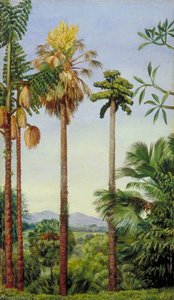
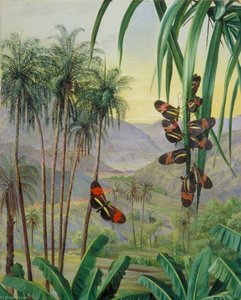
Artist Biography
Walter Spies: A Pioneer of Balinese Art and Modern Indonesian Expression
Walter Spies (1895-1942) stands as a singular figure in the annals of modern Indonesian art, credited with initiating a crucial dialogue between European artistic sensibilities and the vibrant traditions of Bali. Born in Russia to German diplomat parents, his formative years instilled within him an appreciation for both Western scholarship and Eastern mysticism – influences that would profoundly shape his artistic vision and lifelong dedication. His early career saw Spies honing his skills as a composer and musicologist, demonstrating a multifaceted intellectual curiosity beyond the realm of painting. However, it was his relocation to Java in 1923, spurred by an irresistible fascination with Balinese culture, that cemented his legacy. Immediately captivated by the island’s rituals, dances, and artistic heritage, Spies embarked on a transformative journey – one that would not only enrich his own creative output but also propel Bali onto the international stage as a beacon of primitivism and authentic cultural experience. Spies quickly established himself in Yogyakarta and later Ubud, becoming instrumental in fostering collaborations between Balinese artists and Western intellectuals. Notably, he befriended Miguel Covarrubias, an anthropologist who documented Spies’s immersive explorations of Balinese life, capturing the essence of their shared fascination with the island's traditions. Covarrubias eloquently described Spies as “the son of a German diplomat in Moskow at the outbreak of the world war,” highlighting his privileged upbringing and early exposure to intellectual pursuits. He was recognized as "a fine musician as he was a painter," demonstrating an exceptional talent across multiple disciplines. Spies’s artistic style is characterized by a distinctive primitivist aesthetic – a deliberate rejection of academic conventions in favor of raw emotion, bold color palettes, and simplified forms reminiscent of early European Expressionism and Cézanne's landscapes. He meticulously documented Balinese ceremonies and rituals through evocative paintings like “Sekaten 1926” and “A View From The Heights,” capturing the dynamism and spiritual depth of Balinese culture with unparalleled accuracy. His approach mirrored that of masters such as Matisse, Breughel, and Rousseau—artists who prioritized emotional resonance over technical precision. Furthermore, Spies’s meticulous observation extended beyond visual art; he painstakingly drew insects, spiders, and sea slugs, documenting their beauty in detail with a dedication akin to a naturalist's pursuit. This passion for capturing the natural world translated into his paintings, where every branch and leaf is rendered with loving care—a testament to his artistic philosophy. Spies’s influence resonated far beyond Bali itself, attracting prominent figures from across Europe who sought to understand and appreciate Balinese culture firsthand. He remains a pivotal figure in establishing Bali as an internationally recognized center for artistic innovation and cultural exchange.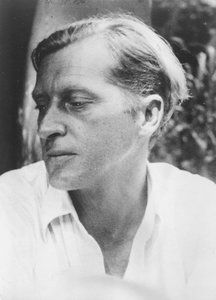
Walter Spies
1895 - 1942
Quick Facts
- Artistic Movement Or Style: Primitivism
- Artists Or Movements Influenced By This Artist:
- Persian miniaturist
- Breughel
- Douanier Rousseau
- Artists Who Influenced This Artist: ['Miguel Covarrubias']
- Date Of Birth: 1895
- Date Of Death: 1942
- Full Name: Walter Spies
- Nationality: German-Russian
- Notable Artworks:
- A View From The Heights
- Waringin Mit Zwei Jungen Baliern
- Sekaten 1926
- Place Of Birth: Moscow, Russia
Related Articles

Beyond the Horizon: 10 Landscape Masterpieces for Your Home Decor
Journey through 10 breathtaking landscape paintings by Monet, Van Gogh & more! Explore iconic artworks, artistic techniques & find inspiration for your home decor. Museum-quality reproductions at ArtsDot.com. Discover all masterpieces on ArtsDot.com
From Canvas to Legacy: A Detailed Examination of Handmade Oil Reproduction Techniques for Galleries and Hospitality Environments
Discover exquisite handmade oil painting reproductions & custom portraits crafted by skilled artists. Elevate your space with museum-quality art – affordable luxury, guaranteed authenticity & expert consultation.

Romantic Landscapes: 10 Masterpieces for Your Home | ArtsDot
Journey through 10 Romantic landscape masterpieces by Friedrich, Turner & Cole. Explore emotional art, sublime nature scenes & iconic 19th-century paintings. Find museum-quality reproductions for your home at ArtsDot.com – discover the full collection online!

Evocations of Place: A Historical Journey Through Landscape Art
Explore the rich history of landscape art with ArtsDot. Discover renowned artists, movements like Impressionism & Romanticism, and expert guidance for collecting timeless pieces. Find your perfect serene escape today!

The Enduring Legacy of Hand-Painted Oil Paintings: Aesthetic Value, Longevity & Emotional Resonance
Explore the enduring legacy of hand-painted oil paintings. Discover the aesthetic value, material longevity & emotional resonance that sets original art—and expertly crafted reproductions—apart. Invest in timeless beauty.