 Preview
 Send
Send Share
Share
 Details

 Download
 Similars
 X-Ray
X-Ray Diaporama
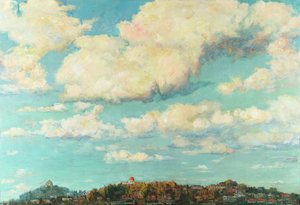
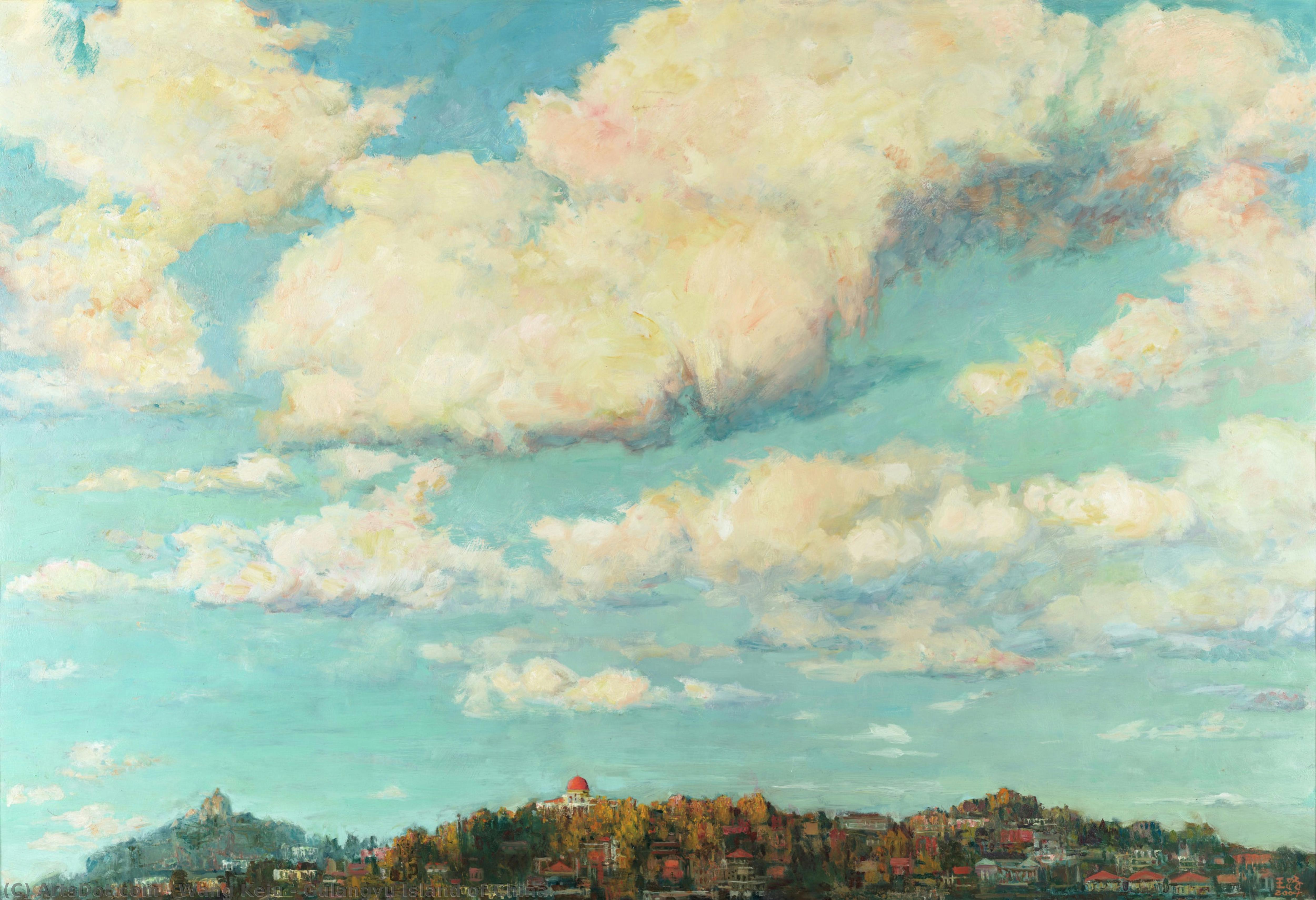
Gulangyu Island of China
 Oil On Canvas
- WallArt
- Contemporary Realism
 2004
2004- Contemporary
 90.0 x 130.0 cm
 Art Museum of China Profile
 Read More
Hand Made Oil Reproduction
Hand-painted oil on canvas in your size and frame, made to order by our artists. ( Buy Print Buy Image)




P118B $10

P118H $10

P118W $10

P438Z $10

P508JH $12

P508YH $12

P805H $10

P805Z $10

P919BZ $10

P919G $10

P919XJ $10

P959ZH $10

P968JZ $12

W106C $8

W218G $10

W218JH $8

W218Y $10

W307PJ $10

W316G $10

W316PJ $8

W316Y $10

W398PJ $8

W4111J $10

W500HY $15

W500JH $15

W692G $12

W849H $8

W940BG $15

W953PJ $8




Pick from our preset sizes that match the artwork's original proportions.

You may enter your own dimensions to fit a specific frame or space. If your selected size does not match the original image's proportions, we will either crop the artwork or extend the painting with additional hand-painted elements. A digital mockup will be sent for your approval before production begins.
Please note that the on-screen preview does not reflect the actual cropping or extension. Only the mockup will accurately show the final composition.
While custom sizes are available, we recommend selecting a dimension from the predefined list to preserve the original proportions.
After order, ArtsDot.com team will email client for instructions and provide a mockup preview
Worldwide Delivery () in 3/4 weeks instead of standard 5 weeks. (26 August). No compromise on quality.

Free Worldwide Express Shipping

High-Quality Linen Canvas

Full Shipping Insurance

Customs Tax Refund Guarantee

True Color Matching Guarantee

60-Day Return Policy (Defects Only)

100% Money-Back Guarantee

Bulk Discount Offer
 Glass option is only available in size under 110 CM

Gulangyu Island of China
Reproduction Medium
Reproduction Size
-


Total Price
$ 263
Artwork Description
A Serene Encounter with Gulangyu Island
In the breathtaking landscape of Gulangyu Island of China, the viewer is invited into a world where the boundaries between urban life and the majesty of nature dissolve into a singular, poetic vision. Created in 2004 by the esteemed contemporary master Wang Keju, this painting serves as more than just a depiction of a coastal destination; it is an atmospheric meditation on harmony. The composition unfolds with a sweeping view of a cityscape nestled against a backdrop of undulating mountains, all under a sky heavy with dramatic, swirling clouds. As one gazates upon the canvas, the presence of small figures scattered throughout the scene adds a layer of human intimacy, suggesting a shared moment of quiet contemplation between the inhabitants and their magnificent environment.
The artistry of Wang Keju is profoundly felt in the way light and water interact within this piece. The artist utilizes a sophisticated technique that breathes life into the two boats drifting near the shore, their placement providing a sense of depth and movement that guides the eye across the tranquil waters. Through a masterful application of color and tone, the painting captures the specific luminosity of the coastal atmosphere, where the moisture in the air softens the edges of the architecture and blends the distant peaks into the heavens. For the collector or interior designer, this work offers a profound sense of tranquility, making it an ideal centerpiece for spaces designed to evoke peace, reflection, and a connection to the natural world.
The Mastery of Wang Keju
To understand the emotional resonance of this work, one must look toward the artistic lineage of its creator. Born in 1956 in the coastal city of Qingdao, Wang Keju was shaped by the rich, classical traditions of Chinese landscape painting, yet he possessed a restless, innovative spirit. His education at the Shandong Academy of Fine Arts provided him with a rigorous technical foundation, which he later refined through his leadership roles at prestigious institutions like the Xu Beihong School of Arts. This unique blend of academic discipline and personal sensitivity allows him to move beyond mere representation, instead capturing the essence of a location.
In Gulangyu Island of China, we see the culmination of this synthesis. The painting does not merely document a place; it interprets it through a lens of modern atmospheric impressionism. The way the clouds loom with a sense of impending drama, contrasted against the steady, enduring presence of the mountains and buildings, creates a powerful symbolic dialogue between the ephemeral and the eternal. It is this tension—the fleeting moment of a boat's passage versus the timelessness of the landscape—that gives the painting its lasting emotional impact, offering an exquisite piece of fine art that resonates with both historical depth and contemporary elegance.
Related Artworks



Artist Biography
Early Life and Artistic Foundations
Wang Keju, born in the coastal city of Qingdao, China, in 1956, embarked on a journey that would establish him as a prominent figure in contemporary Chinese landscape painting. His formative years were steeped in the rich artistic traditions of his homeland, yet he wouldn’t simply replicate them; instead, he sought to synthesize classical techniques with a deeply personal vision. Graduating from the Shandong Academy of Fine Arts in 1983, Wang Keju quickly distinguished himself, not merely as a skilled technician but as an artist possessing a unique sensitivity to light, color, and atmosphere. This early aptitude led to his appointment as Head of the Painting Department at the prestigious Xu Beihong School of Arts within Renmin University of China—a position that underscored both his talent and potential for leadership in the art world.
A Synthesis of Tradition and Innovation
Wang Keju’s artistic development is characterized by a compelling dialogue between tradition and innovation. While deeply rooted in the classical Chinese landscape painting, or shanshui (mountain-water) tradition, he moved beyond its purely representational aspects. He wasn't interested in simply mirroring nature but rather in capturing its essence—the feeling of being *within* a landscape, the subtle shifts in mood and light, and the emotional resonance it evokes. This pursuit led him to explore oil painting as his primary medium, allowing for greater flexibility in color palette and texture than traditional ink washes. His work often features broad brushstrokes and layered applications of paint, creating a sense of depth and luminosity that draws the viewer into the scene.
Gulangyu Island: A Recurring Muse
Perhaps most notably, Wang Keju’s artistic identity became inextricably linked with Gulangyu Island, a small, car-free island off the coast of Xiamen. He has returned to this location repeatedly throughout his career, transforming it into a powerful symbol within his oeuvre. The island's unique architectural blend—colonial villas nestled amongst lush vegetation and rocky shores—provides a rich visual tapestry for his explorations of light, shadow, and memory. His paintings of Gulangyu are not merely depictions of place; they are meditations on time, history, and the interplay between nature and human presence. He captures the island’s quiet beauty, its sense of isolation, and the lingering echoes of its past.
Exhibitions and Recognition
Wang Keju's work has garnered significant recognition both domestically and internationally. His numerous solo exhibitions include showcases at the Shanghai Art Museum (2004), the National Art Museum of China in Beijing (2007), and Pyo Gallery in Seoul, South Korea (2008). These exhibitions demonstrate a consistent trajectory of artistic growth and critical acclaim. He has also participated in major group shows, including the Third Art Biennale in Beijing (2008) and the Fine Art Fair in Beijing (2010). His paintings are held in prestigious public collections such as The National Art Museum of China, the Shanghai Art Museum, and the Chinese Contemporary Art Museum, solidifying his position within the canon of contemporary Chinese art.
Legacy and Historical Significance
Wang Keju’s contribution to contemporary Chinese painting lies in his ability to bridge the gap between tradition and modernity. He has successfully integrated classical aesthetics with a contemporary sensibility, creating works that are both visually stunning and emotionally resonant. His paintings offer a poignant reflection on China's evolving landscape—both physical and cultural—and serve as a testament to the enduring power of artistic vision. His influence extends beyond his own work, inspiring a new generation of artists to explore the possibilities of oil painting within the context of Chinese art history. He is not simply a painter of landscapes; he is a storyteller, a poet of light and color, and a chronicler of a changing world.
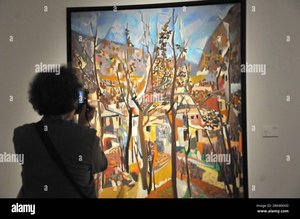
wang keju
1956 - , China
Quick Facts
- Artistic Movement Or Style: Contemporary Landscape Painting
- Date Of Birth: 1956
- Full Name: Wang Keju
- Nationality: Chinese
- Notable Artworks:
- Gulangyu Island of China
- Summertime on Gulangyu Island
- Place Of Birth: Qingdao, China
Related Articles

John Constable's Masterpieces: Explore 25 Iconic Landscapes for Your Home
Journey through John Constable's 25 most celebrated landscapes. Explore Romanticism, Dedham Vale & his masterful use of light in iconic paintings like 'Hay Wain'. Find museum-quality art reproductions and elevate your home decor on ArtsDot.com.

Romantic Landscapes: 10 Masterpieces for Your Home | ArtsDot
Journey through 10 Romantic landscape masterpieces by Friedrich, Turner & Cole. Explore emotional art, sublime nature scenes & iconic 19th-century paintings. Find museum-quality reproductions for your home at ArtsDot.com – discover the full collection online!

Evocations of Place: A Historical Journey Through Landscape Art
Explore the rich history of landscape art with ArtsDot. Discover renowned artists, movements like Impressionism & Romanticism, and expert guidance for collecting timeless pieces. Find your perfect serene escape today!

Evocations of Place: A Historical Journey Through Landscape Art
Explore the rich history of landscape art with ArtsDot. Discover renowned artists, movements like Impressionism & tonalism, and expert guidance for collecting timeless pieces. Find your perfect serene escape today!
Evoking Nature's Sublime: A Comprehensive Exploration of 19th-Century Landscape Painting
Explore the captivating world of 19th-century landscape painting! Discover renowned artists like Friedrich & Monet, key movements, and find the perfect artwork to bring nature's serenity into your home. Expert insights at ArtsDot.