

 Preview
 Send
Send Share
Share
 Details

 Download
 Similars
 X-Ray
X-Ray Diaporama
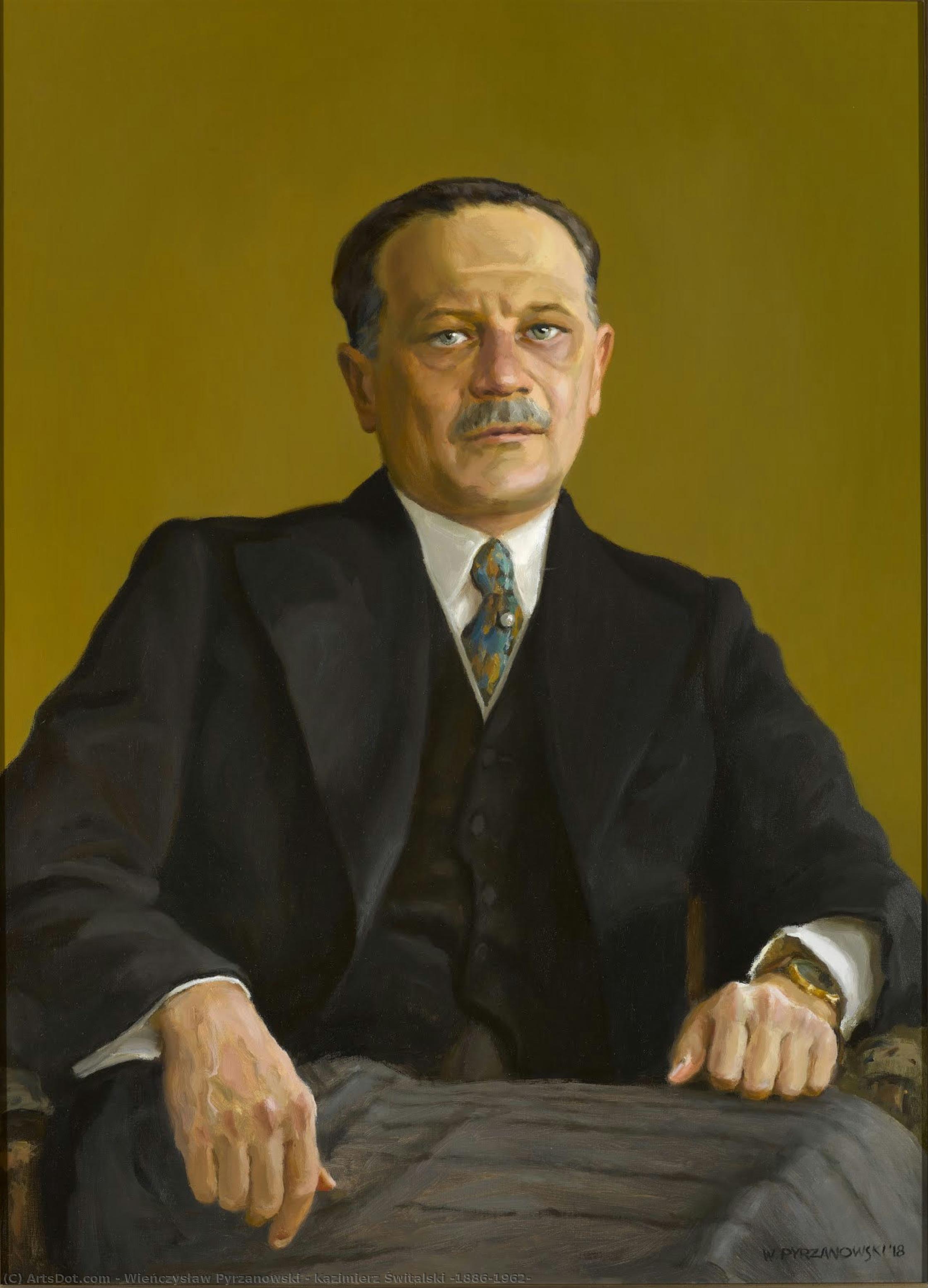
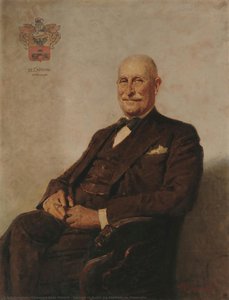
Kazimierz Świtalski (1886-1962)
 Contemporary Realism
 2018
2018 110.0 x 80.0 cm
 Parliament of Poland
 Read More
Purchase a high-resolution, enhanced digital image, far superior to the online preview.
Each file is meticulously prepared by our in-house specialists using advanced tools and expert manual retouching. We ensure every image has exceptional clarity, precise color accuracy, and fine detail.
The final file is delivered via email within 72 hours, optimized for immediate use in professional, editorial, and print environments. This is the same quality trusted by top-tier design studios, publishers, and galleries.
Digital Image
Download a high-resolution file for personal display, printing, and creative projects. ( Buy Print Buy Hand Made Painting)
Included in Every Digital Image Order
Expert Digital Delivery, Guaranteed
When you choose ArtsDot.com, you're not just getting an image - you're receiving a professionally enhanced digital artwork, crafted with precision and backed by a satisfaction guarantee. Here's everything that comes with your order, automatically:

Fast Email Delivery
Your high-resolution digital image file will be emailed to you within 72 hours of ordering - ready for immediate use.

AI-Enhanced Digital File
Your artwork is professionally optimized using advanced AI tools and manual editing, ensuring maximum detail, clarity, and color accuracy.

Free Lifetime Re-Delivery
Accidentally deleted or lost your file? No worries - we'll resend it to you anytime, free of charge.

No Import Fees - Ever
Enjoy your artwork instantly with zero customs, duties, or delivery fees - digital downloads are always tax-free.

Color Accuracy Guarantee
We ensure your digital image reflects the original colors as closely as possible using professional tools and color management.

60-Day Satisfaction Guarantee
If you're not satisfied with your digital image, we'll revise it or refund 100% within 60 days - no questions asked.

100% Money-Back Guarantee
Not satisfied? Get a full refund within 60 days of receiving your digital file - no questions asked.

Bulk Order Discounts
Buy 3 images, save 10% - Buy 5, save 15% - Buy 10+, save 20%. Great for creative projects, galleries, and agencies.
Related Artworks




Artist Biography
Keith Haring: A Revolutionary Voice in Pop Art
Born on May 4, 1958, in Reading, Pennsylvania, and raised in the small town of Kutztown, Keith Allen Haring’s artistic journey began not with formal training but with a profound connection to the vibrant street art scene emerging in New York City during the late 1970s and early 1980s. His childhood was marked by a love for drawing, nurtured initially by his father, an amateur cartoonist, and fueled by the influence of popular culture icons like Dr. Seuss and Walt Disney. This foundation laid the groundwork for his distinctive style – a bold fusion of cartoon aesthetics, graffiti techniques, and social commentary that would quickly catapult him to international fame.
Haring’s early years were spent exploring various artistic avenues, including enrollment at the Ivy School of Professional Art in Pittsburgh, where he soon realized that commercial art wasn't his calling. He found himself drawn to the burgeoning alternative art community thriving outside the traditional gallery system, a world characterized by raw energy and experimentation. This immersion led him to forge connections with fellow artists like Kenny Scharf and Jean-Michel Basquiat, alongside musicians and performance artists within the downtown scene. Crucially, Haring’s exposure to graffiti profoundly impacted his work; he was captivated by its directness, accessibility, and ability to bypass established art institutions. The subway system in New York City became his laboratory – a blank canvas where he created hundreds of spontaneous chalk drawings, capturing figures, animals, and abstract forms with rapid, energetic lines.
The Subway Drawings and Early Recognition
These “subway drawings,” as they came to be known, were more than just doodles; they represented a deliberate attempt to engage the public directly. Haring’s work quickly gained attention from commuters and critics alike, transforming him into an overnight sensation. His distinctive style – characterized by bold outlines, vibrant colors, and simplified imagery – resonated deeply with audiences, particularly young people. This recognition led to his first solo exhibition at the Westbeth Painters Space in 1981, a pivotal moment that established his place within the New York art scene. The show was met with critical acclaim and generated significant media buzz, solidifying Haring’s status as a rising star.
Following this success, Haring continued to explore various mediums and formats, including murals, posters, and commercial collaborations. He embraced opportunities to create public artworks, often commissioned by hospitals, schools, and community organizations. His commitment to social activism became increasingly prominent during this period. In 1986, he created “Crack is Wack,” a powerful mural designed to raise awareness about the devastating effects of crack cocaine addiction. This work, along with others addressing issues such as AIDS awareness, homosexuality, and apartheid, demonstrated Haring’s desire to use his art as a vehicle for social change. His work was deeply rooted in the spirit of protest and solidarity that characterized the era.
Expanding Horizons: Galleries, Exhibitions, and Social Impact
Throughout the 1980s, Haring's popularity soared, leading to numerous solo exhibitions across the United States and internationally. He participated in prestigious events such as Documenta 7 in Kassel, Germany; the São Paulo Biennial; and the Whitney Biennial in New York City. These engagements exposed his work to a global audience and further cemented his reputation as a significant contemporary artist. He also established “The Pop Shop” in Soho, New York, in 1986 – a retail space that sold merchandise bearing his iconic images at affordable prices, democratizing access to his art and extending its reach beyond the traditional gallery setting.
Haring’s artistic output wasn't limited to visual art. He also ventured into animation, creating short films for television and billboards. His work was frequently featured in magazines and newspapers, solidifying his status as a pop culture icon. Notably, he collaborated with brands like Swatch and Absolut Vodka, demonstrating his ability to seamlessly integrate his artistic vision with commercial interests. Despite the increasing attention, Haring remained committed to his core values – accessibility, social engagement, and the belief that art should be for everyone.
Legacy and Recognition
Tragically, Keith Haring’s life was cut short on February 16, 1990, at the age of 31, due to complications from AIDS. However, his legacy endures as one of the most influential artists of the late 20th century. His distinctive style continues to inspire artists and resonate with audiences worldwide. In 2014, he was honored with a place on the Rainbow Honor Walk in San Francisco, recognizing his contributions to LGBTQ+ rights. The Keith Haring Foundation, established shortly before his death, continues to support organizations dedicated to combating AIDS and promoting children’s health and education – ensuring that Haring's commitment to social justice remains an integral part of his artistic legacy.
Key Works
- “Untitled (Disco Ball)” (1983)
- “Untitled (Pop Shop)” (1986)
- “Crack is Wack” (1986)
- “Radiant Baby” (1987)
- “Dogs Playing Poker” (1985)

wieńczysław pyrzanowski
1958 - , Poland
Quick Facts
- Artistic Movement Or Style: Pop art, graffiti art
- Artists Or Movements Influenced By This Artist:
- Kenny Scharf
- Jean-Michel Basquiat
- Artists Who Influenced This Artist:
- Jean Dubuffet
- Andy Warhol
- Date Of Birth: May 4, 1958
- Date Of Death: February 16, 1990
- Full Name: Keith Allen Haring
- Nationality: American
- Notable Artworks:
- Crack Is Wack
- Tower
- Untitled Series
- Tuttomondo
- Place Of Birth: Reading, Pennsylvania, USA

