 Preview
 Send
Send Share
Share
 Details

 Download
 Similars
 X-Ray
X-Ray Diaporama
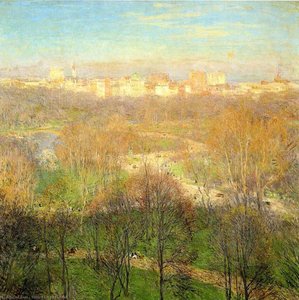
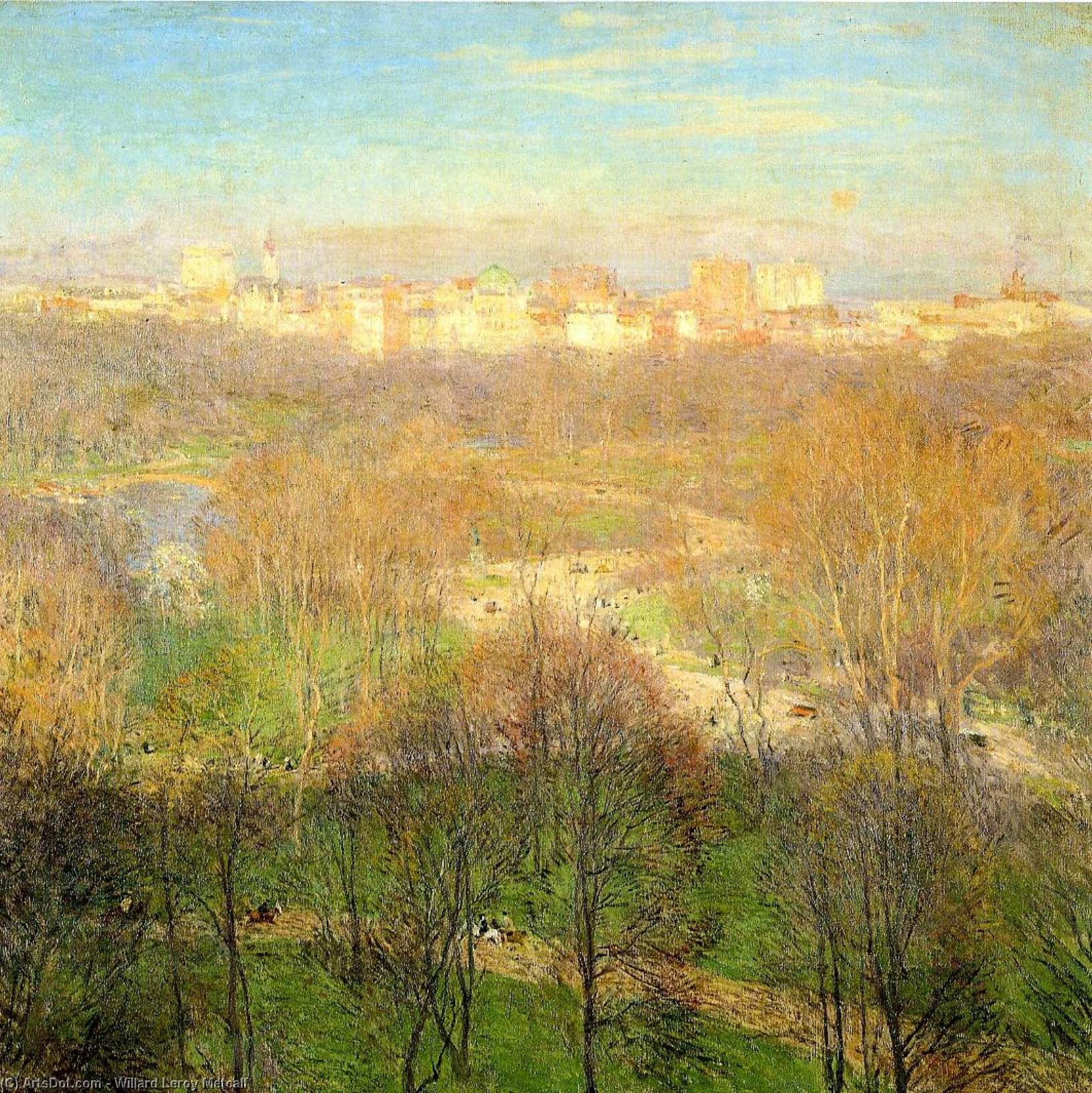
Early Spring Afternoon, Central park


 Read More
Hand Made Oil Reproduction
Hand-painted oil on canvas in your size and frame, made to order by our artists. ( Buy Print Buy Image)




P118B $10

P118H $10

P118W $10

P438Z $10

P508JH $12

P508YH $12

P805H $10

P805Z $10

P919BZ $10

P919G $10

P919XJ $10

P959ZH $10

P968JZ $12

W106C $8

W218G $10

W218JH $8

W218Y $10

W307PJ $10

W316G $10

W316PJ $8

W316Y $10

W398PJ $8

W4111J $10

W500HY $15

W500JH $15

W692G $12

W849H $8

W940BG $15

W953PJ $8




Pick from our preset sizes that match the artwork's original proportions.

You may enter your own dimensions to fit a specific frame or space. If your selected size does not match the original image's proportions, we will either crop the artwork or extend the painting with additional hand-painted elements. A digital mockup will be sent for your approval before production begins.
Please note that the on-screen preview does not reflect the actual cropping or extension. Only the mockup will accurately show the final composition.
While custom sizes are available, we recommend selecting a dimension from the predefined list to preserve the original proportions.
After order, ArtsDot.com team will email client for instructions and provide a mockup preview
Worldwide Delivery () in 3/4 weeks instead of standard 5 weeks. (16 August). No compromise on quality.

Free Worldwide Express Shipping

High-Quality Linen Canvas

Full Shipping Insurance

Customs Tax Refund Guarantee

True Color Matching Guarantee

60-Day Return Policy (Defects Only)

100% Money-Back Guarantee

Bulk Discount Offer
 Glass option is only available in size under 110 CM

Early Spring Afternoon, Central park
Reproduction Medium
Reproduction Size
-


Total Price
$ 263
Artwork Description
Early Spring Afternoon, Central Park: A Symphony of Light and Tranquility
Willard Leroy Metcalf’s “Early Spring Afternoon, Central Park” transcends mere landscape painting; it's an embodiment of Impressionist philosophy—a fleeting capture of a moment in time imbued with emotion and luminosity. Created in 1911, this oil on canvas masterpiece resides within the Brooklyn Museum’s collection, offering visitors a glimpse into the artistic sensibilities of its era. Metcalf, deeply influenced by European Impressionists like Claude Monet and Camille Pissarro, skillfully translated his observations of Giverny's gardens onto canvas, prioritizing atmospheric effects over precise detail.Composition and Technique: Embracing Movement and Color
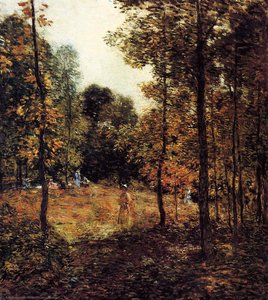
The painting depicts Central Park bathed in the soft glow of late afternoon sunlight. Metcalf’s meticulous brushstrokes—loose, blended, and layered—capture the dappled light filtering through the branches of trees, creating a dynamic interplay of color that dominates the scene. Notice how he utilizes complementary hues – greens and reds – to heighten visual interest and convey a sense of vibrancy. The inclusion of horses adds an element of elegance and movement, subtly guiding the viewer’s eye across the canvas. Metcalf's technique is characterized by its responsiveness to changing light conditions, mirroring the Impressionist preoccupation with capturing ephemeral beauty.Historical Context: The Rise of American Impressionism
“Early Spring Afternoon” emerged during a pivotal moment in art history—the burgeoning American Impressionist movement. Artists like Metcalf were rejecting academic conventions and embracing plein air painting—working outdoors directly from nature—a radical departure from the studio-bound traditions of their predecessors. This stylistic shift reflected broader societal changes, signaling an interest in capturing everyday life and experiencing the natural world with heightened sensory awareness. The painting speaks to a desire for beauty and serenity amidst the bustle of urban existence, mirroring the optimism and dynamism of the early 20th century.Symbolism: Finding Peace Amidst Urban Life
Beyond its aesthetic qualities, “Early Spring Afternoon” carries symbolic resonance. Central Park itself represents an idealized vision of nature—a refuge from the pressures of city life—and it embodies themes of renewal and contemplation. The horses symbolize nobility and grace, suggesting a connection to tradition while simultaneously conveying a sense of tranquility. Metcalf’s masterful depiction invites viewers to pause and appreciate the simple pleasures of observation, reminding us that beauty can be found in even the most commonplace settings.Similar Works & Further Exploration
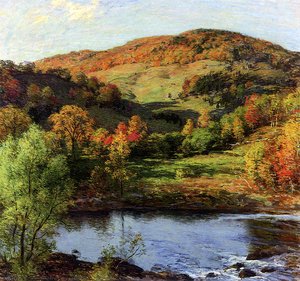
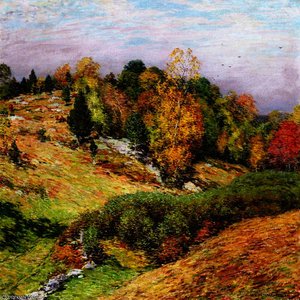
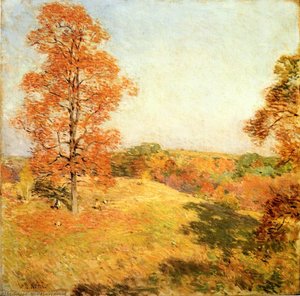
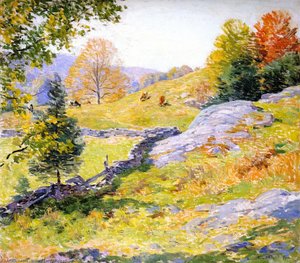
Inspired by Impressionist masters like Monet and Hassam, Metcalf's "Hillside Pastures" showcases similar dedication to capturing light and atmosphere. Explore other notable artists who explored landscapes and urban scenes during this period, such as William Merritt Chase’s “Study of Girl in Japanese Dress,” which similarly emphasizes subtle color palettes and nuanced observation. For a deeper understanding of Impressionism’s influence on American art, visit Wikipedia: https://en.wikipedia.org/wiki/Impressionism . Consider acquiring a high-quality reproduction from ArtsDot.com to experience the enduring beauty of Metcalf's vision.Related Artworks
Artist Biography
A Life Immersed in Light and Landscape
Willard Leroy Metcalf, a pivotal figure in the blossoming of American Impressionism, dedicated his life to capturing the ephemeral beauty of the natural world. Born in Lowell, Massachusetts, in 1858, he wasn’t merely a painter of landscapes; he was a poet of light and atmosphere, translating the quietude of New England scenes and beyond onto canvas with a delicate touch and vibrant palette. His journey as an artist was one of rigorous training, extensive travel, and a profound commitment to portraying intimate moments in nature – fleeting glimpses of beauty often overlooked. Metcalf’s story is not simply about artistic development, but also about finding his voice amidst the evolving currents of late 19th and early 20th-century art, and ultimately, leaving an indelible mark on American Impressionism.From Academic Foundations to European Influences
Metcalf’s formal artistic education began at the School of the Museum of Fine Arts in Boston, where he honed his foundational skills until 1878. This was followed by a crucial period of study at the Académie Julian in Paris, a renowned center for American artists seeking classical training. Initially, Metcalf focused on figure painting and illustration – skills that would later inform his compositions – but it was during his extended sojourn in Europe, beginning in 1883, that his artistic trajectory began to shift decisively towards landscape art. He studied with Gustave Boulanger and Jules-Joseph Lefebvre, absorbing the technical expertise of French academic tradition. However, it wasn’t just formal instruction that shaped his vision; it was immersion in the European landscape itself. Travels through England and Brittany exposed him to diverse light conditions and artistic communities. A particularly significant moment arrived in 1886 when Metcalf became the first American artist to visit Claude Monet's garden at Giverny, a watershed experience that profoundly impacted his approach to capturing light, color, and atmosphere. This encounter wasn’t about imitation, but rather an awakening to the possibilities of portraying the subjective experience of seeing – a cornerstone of Impressionist philosophy.The Rise of an American Impressionist
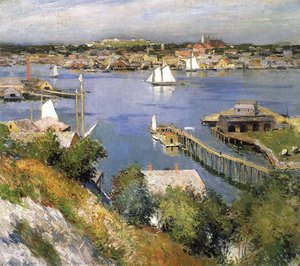
Upon returning to the United States in 1889, Metcalf began to forge his own distinct style, blending academic training with the lessons learned from European masters and his growing sensitivity to the American landscape. He worked as an illustrator and teacher while continuing to paint, gradually moving away from traditional techniques towards a more expressive and atmospheric approach. His paintings of this period often depict serene scenes of New England life – coastal harbors, quiet villages, and sun-dappled meadows. Critics frequently drew parallels between his work and the poetry of Robert Frost and Walt Whitman, recognizing a shared sensibility for capturing the essence of American experience. In 1897, Metcalf played a pivotal role in the formation of “The Ten American Painters,” a group that seceded from the Society of American Artists to pursue greater artistic independence and experimentation. This act signified a turning point in American art, marking a shift towards a more modern and individualistic aesthetic. Notable works like *Gloucester Harbor* (1895) exemplify his mastery of light and color, while pieces such as *The River Epte, Giverny*, clearly demonstrate the enduring influence of Monet’s garden on his artistic vision.Legacy and Enduring Influence
Willard Leroy Metcalf's contribution to American art extends beyond his captivating paintings. He was a dedicated educator, sharing his knowledge and passion for art by teaching at institutions like Cooper Union School of Art for Women in New York City and the Art Students League of New York. His influence on subsequent generations of artists is undeniable. Metcalf’s ability to capture fleeting moments of beauty and tranquility, combined with his technical skill and poetic sensibility, cemented his place as a significant figure in American art history. He wasn't interested in grand narratives or dramatic compositions; instead, he found inspiration in the everyday – the gentle play of light on water, the subtle hues of a twilight sky, the quiet dignity of rural life. His paintings are not merely representations of landscapes; they are evocations of mood and atmosphere, inviting viewers to share in his intimate connection with nature.A Lasting Impression
Today, Metcalf’s work continues to resonate with audiences worldwide. His paintings can be found in major museum collections across the United States, including the Art Institute of Chicago, the Metropolitan Museum of Art, and the Smithsonian American Art Museum. He remains a celebrated figure in the history of American Impressionism, admired for his technical brilliance, poetic vision, and enduring commitment to capturing the beauty of the natural world.- His paintings often evoke a sense of quiet contemplation.
- He was a founding member of The Ten American Painters.
- Metcalf’s work is characterized by intimate and modest landscapes.
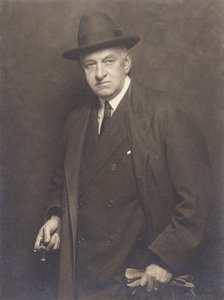
Willard Leroy Metcalf
1858 - 1925 , United States of America
Quick Facts
- Artistic Movement Or Style: American Impressionism
- Artists Or Movements Influenced By This Artist: ['Ten American Painters']
- Artists Who Influenced This Artist: ['Claude Monet']
- Date Of Birth: 1858
- Date Of Death: 1925
- Full Name: Willard Leroy Metcalf
- Nationality: American
- Notable Artworks:
- Gloucester Harbor
- The Golden Carnival
- Captain Lord House
- The River Epte
- The Lily Pond
- Place Of Birth: Lowell, USA
Related Articles
Willard Leroy Metcalf: Capturing the Intimacy of American Rural Life
Explore the serene landscapes of Willard Leroy Metcalf, a key figure in American Impressionism. Discover his tranquil New England scenes & vibrant art reproductions at ArtsDot.

Beyond the Horizon: 10 Landscape Masterpieces for Your Home Decor
Journey through 10 breathtaking landscape paintings by Monet, Van Gogh & more! Explore iconic artworks, artistic techniques & find inspiration for your home decor. Museum-quality reproductions at ArtsDot.com. Discover all masterpieces on ArtsDot.com

Cézanne's Masterpieces: 25 Iconic Artworks to Transform Your Space
Journey through 25 iconic artworks by Paul Cézanne – a master of Impressionism and Post-Impressionism. Explore his landscapes, still lifes, and the stories behind these timeless masterpieces. Discover museum-quality reproductions & curated decor at ArtsDot.com.

Evocations of Place: A Historical Journey Through Landscape Art
Explore the rich history of landscape art with ArtsDot. Discover renowned artists, movements like Impressionism & Romanticism, and expert guidance for collecting timeless pieces. Find your perfect serene escape today!

Evocations of Place: A Historical Journey Through Landscape Art
Explore the rich history of landscape art with ArtsDot. Discover renowned artists, movements like Impressionism & tonalism, and expert guidance for collecting timeless pieces. Find your perfect serene escape today!