 Preview
 Send
Send Share
Share
 Details

 Download
 Similars
 X-Ray
X-Ray Diaporama
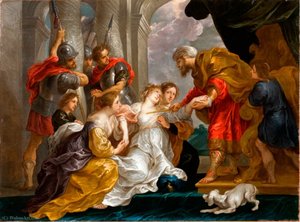
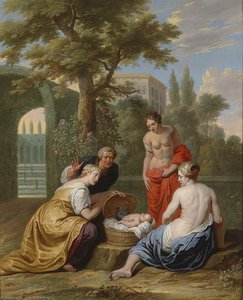
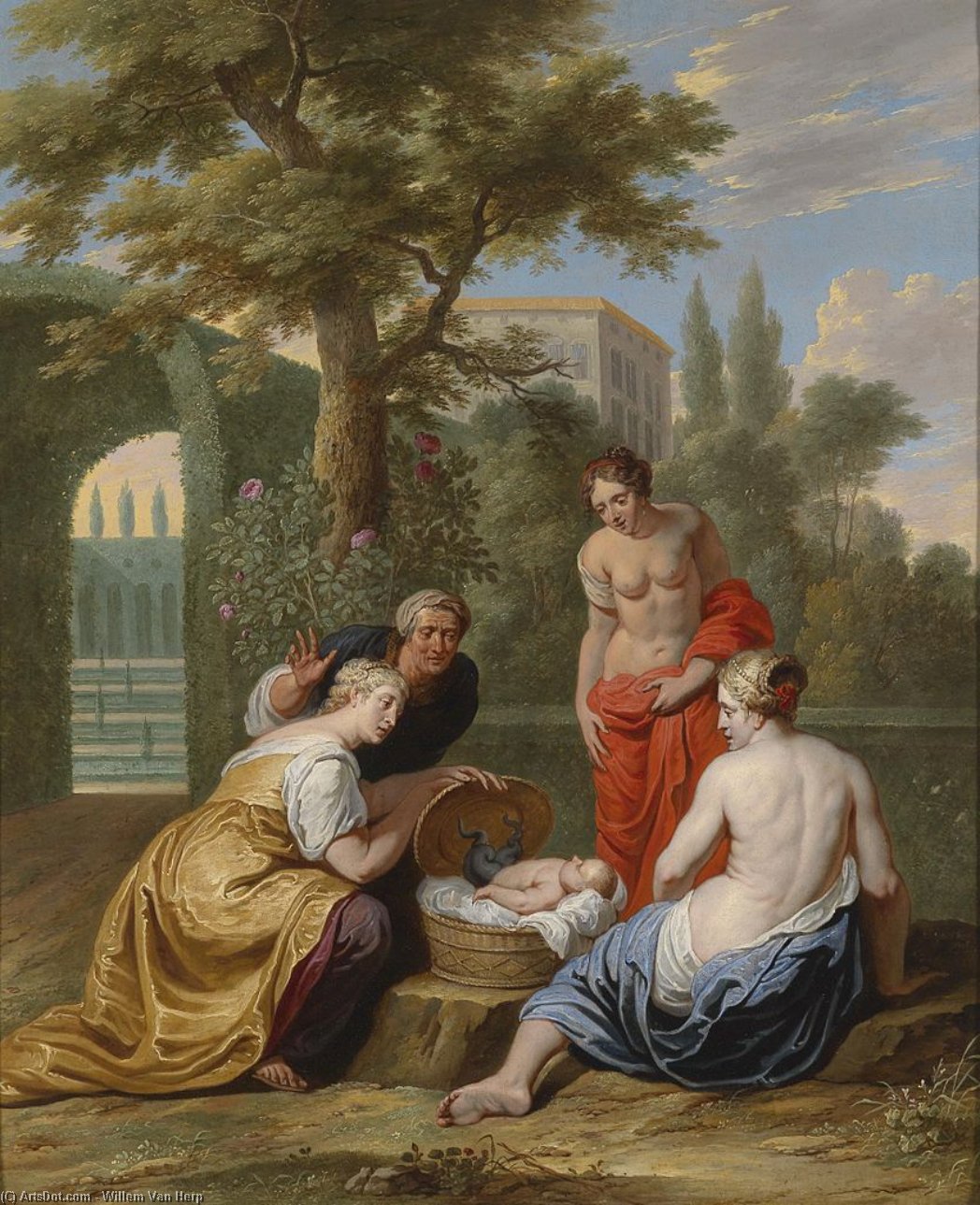
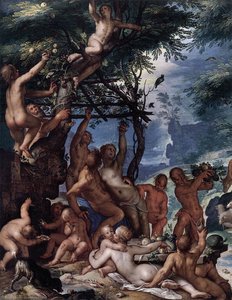
he finding of the infant Erichthonius by Cecrops's daughters.

 Read More
Giclée / Art Print
Museum-quality giclée or canvas print with fast production and flexible finish options. ( Buy Hand Made Painting Buy Image)




































Pick from our preset sizes that match the artwork's original proportions.

You may enter your own dimensions to fit a specific frame or space. If your selected size does not match the original image's proportions, we will either crop the artwork or extend the image with a mirrored or solid-fill edge. A digital mockup will be sent for your approval before production begins.
Please note that the on-screen preview does not reflect the actual cropping or extension. Only the mockup will accurately show the final composition.
While custom sizes are available, we recommend selecting a dimension from the predefined list to preserve the original proportions.
Worldwide Delivery () in 2 weeks instead of standard 4/5 weeks. (26 August)

Free Worldwide Express Shipping

High-Quality Linen Canvas

Full Shipping Insurance

Customs Tax Refund Guarantee

True Color Matching Guarantee

60-Day Return Policy (Defects Only)

100% Money-Back Guarantee

Bulk Discount Offer
 Glass option is only available in size under 110 CM

he finding of the infant Erichthonius by Cecrops's daughters.
Giclée / Art Print
Reproduction Size
-


Total Price
$ 63
Collectible Description
A Glimpse into Domestic Grace: Willem van Herp's "The Finding of the Infant Erichthonius"
Step into a serene Baroque tableau with Willem van Herp’s captivating depiction of “The Finding of the Infant Erichthonius.” This oil painting, rendered in exquisite detail, transports viewers to a lush garden setting where familial love and mythological significance intertwine. The artwork offers a window into 17th-century Dutch Golden Age artistry, showcasing a scene steeped in classical narrative and imbued with a gentle emotional resonance.
Subject & Narrative: A Mythological Moment
The painting portrays a pivotal moment from Greek mythology – the discovery of the infant Erichthonius by the daughters of Cecrops, the first king of Athens. Erichthonius, born from the earth through Athena’s intervention, was entrusted to these sisters for safekeeping. The scene captures their tender care and reverence as they behold the divine child. An elderly man, likely a patriarch or advisor, gestures thoughtfully, perhaps offering guidance or blessing. The composition is rich with symbolic meaning; Erichthonius represents new life, continuity, and the promise of future generations, while the garden setting evokes themes of fertility and abundance.
Style & Technique: Baroque Realism
Willem van Herp masterfully blends Baroque grandeur with Dutch Golden Age realism. The painting’s style is characterized by:
- Realistic Detail: Observe the meticulous rendering of fabrics, foliage, and architectural elements – a hallmark of Dutch artistry.
- Soft Lighting: The diffused light creates a tranquil atmosphere, highlighting the figures' expressions and adding depth to the scene.
- Layered Glazes: Van Herp employed the technique of layering glazes to build up color and form, resulting in a luminous quality and remarkable depth.
- Classical Influence: The composition draws inspiration from classical art, evident in the balanced arrangement of figures and the idealized portrayal of human forms.
Historical Context & Artistic Lineage
Van Herp (1614-1677) was a prominent Flemish Baroque painter who operated a large workshop in Antwerp. While not directly a pupil of Peter Paul Rubens, he was heavily influenced by the master’s style and frequently touched up copies after Rubens for art dealers. His work reflects the flourishing artistic environment of 17th-century Flanders, known for its religious paintings and genre scenes. The painting's popularity speaks to the enduring appeal of classical mythology within European art during this period.
Emotional Impact & Decorative Appeal
“The Finding of the Infant Erichthonius” evokes a sense of warmth, tenderness, and quiet contemplation. The scene’s serene atmosphere and harmonious composition make it an ideal addition to any interior space. Its muted color palette – dominated by earth tones, blues, and greens – creates a calming effect, while the detailed rendering adds a touch of sophistication. Whether you are an art enthusiast, collector, or interior designer seeking a timeless piece that blends history, mythology, and artistic mastery, this reproduction offers a captivating glimpse into the world of 17th-century Baroque painting.
Related Artworks


Artist Biography
A Master of Flemish Baroque: The Life and Art of Willem van Herp
Willem van Herp, a name resonating within the annals of 17th-century Flemish painting, was born in Antwerp around 1614. Though often discussed alongside the towering figure of Peter Paul Rubens, Van Herp carved his own distinct path as a prolific and influential artist, specializing in both deeply devotional religious scenes and lively depictions of everyday life. His career unfolded during a period of immense artistic ferment in Antwerp, a city regaining its prominence as an artistic hub after periods of upheaval. While not a direct pupil of Rubens – a misconception that has lingered through art historical accounts – Van Herp demonstrably absorbed the master’s dynamic energy and compositional flair, skillfully integrating these influences into his own unique style. His early training was grounded in the workshops of Damiaan Wortelmans II and Hans Biermans, providing him with a solid foundation before he began to explore the broader currents shaping Flemish Baroque art. It is speculated that Van Herp may have broadened his artistic horizons through travel after completing his initial education, though concrete details regarding such journeys remain elusive.Workshop and Collaborative Spirit
By 1637, Willem van Herp had established himself as an independent master within the prestigious Guild of St. Luke in Antwerp, a testament to his growing reputation and skill. He quickly became known for operating a remarkably productive workshop – almost an artistic enterprise – suggesting a substantial demand for his work and a network of skilled assistants contributing to its creation. This bustling studio was not merely a place of production; it fostered collaboration. Van Herp frequently partnered with fellow artists, most notably Jan van Kessel the Elder, Lambert de Hondt the Elder, and Guillam Forchondt. These collaborations often took the form of landscape paintings enriched by Van Herp’s masterful addition of figures, creating harmonious compositions that blended different artistic strengths. His personal life was also interwoven with the art world; he married Artus Wolffort, daughter of the painter Artus Wolffort, further solidifying his connections within Antwerp's artistic community. This union resulted in a family legacy of painters, as both Norbertus and Willem (II) van Herp followed in their father’s footsteps, continuing the artistic tradition.Artistic Style and Subject Matter
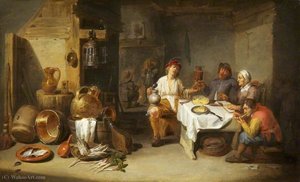
Van Herp’s artistic output was remarkably diverse, encompassing religious paintings imbued with emotional intensity and smaller-scale “low-life” genre scenes that offered glimpses into the daily lives of ordinary people. His style is characterized by a somewhat mannered elegance in drawing and an expressive quality in his figures, reflecting the influence of not only Rubens but also Anthony van Dyck, Jacob Jordaens, Gerard Seghers, Jan Boeckhorst, Hendrick van Balen, Erasmus Quellinus the Younger, Gaspar de Crayer, and even his father-in-law, Artus Wolffort. He wasn’t afraid to draw inspiration from Italian masters like Raphael and Guido Reni, incorporating elements of their classical grace into his Baroque compositions. A significant portion of Van Herp's work was executed on copper plates – a technique particularly prized for its luminosity and detail, and one that facilitated trade with Spain and Latin America, contributing significantly to the spread of Flemish art across continents. He frequently worked from existing prints after works by these masters, adapting and reinterpreting them into his own unique creations. Common subjects included poignant scenes like “A Poor Company at Table in a Rustic Kitchen,” offering social commentary alongside artistic skill, and dramatic religious narratives such as “Daniel in the Lion’s Den.”Legacy and International Impact
Willem van Herp's influence extended far beyond the borders of Antwerp. Through his close relationships with local art dealers – particularly Matthijs Musson, for whom he touched up copies of Rubens’ works – he played a crucial role in disseminating the Flemish Baroque style internationally. His expertise in painting on copper proved especially valuable, as these smaller, durable works were highly sought after in Spain and found their way to collectors in Mexico, establishing a foothold for Flemish art in the New World. Furthermore, his compositions gained wider recognition through engravings, particularly those depicting his genre scenes, which became popular in England. He also contributed designs for tapestries, expanding his artistic reach into the realm of decorative arts. Van Herp remained active throughout his life, fulfilling notable commissions for altarpieces in churches across Flanders, including Antwerp, Herentals, Ostend, and Londerzeel. Upon his death in 1677, he left behind a substantial body of work that stands as a testament to his skill, industriousness, and the vibrant artistic climate of 17th-century Antwerp. His legacy lies not only in the beauty and emotional resonance of his paintings but also in his contribution to the commercial aspects of artistic production during this period, demonstrating how workshops functioned as dynamic centers of creativity and commerce.
Willem van Herp
1614 - 1677 , Belgium
Quick Facts
- Artistic Movement Or Style: Baroque
- Artists Or Movements Influenced By This Artist: ['Flemish Baroque style']
- Artists Who Influenced This Artist:
- Rubens
- Van Dyck
- Jordaens
- Seghers
- Boeckhorst
- Date Of Birth: c. 1614
- Date Of Death: 1677
- Full Name: Willem van Herp
- Nationality: Flemish
- Notable Artworks:
- Nativity
- Satyr And The Peasant
- Ecce Homo
- A Poor Company at Table
- Place Of Birth: Antwerp, Belgium
Related Articles

Golden Age Reflections: Dutch Baroque Painting & Cultural Innovation
Explore the Dutch Golden Age of painting! Discover key artists like Vermeer & ter Borch, their innovative techniques, and the rich cultural context behind these Baroque masterpieces. Learn about collecting & appreciating this iconic art period.

Dutch Masters: 10 Golden Age Paintings That Still Inspire |
Journey into the Dutch Golden Age! Explore 10 iconic paintings by Rembrandt, Vermeer & Hals. Discover the stories behind these Baroque masterpieces and find museum-quality art reproductions to elevate your home decor on .

Dutch Baroque Masters: 10 Paintings That Shaped an Era | ArtsDot
Journey through the Golden Age with our guide to the Top 10 Dutch Baroque masterpieces! Explore iconic paintings by Rembrandt, Vermeer & Frans Hals. Find museum-quality art reproductions and elevate your home decor at ArtsDot.com.

Illuminating Innovation: Exploring the Dutch Golden Age of Painting
Explore the Dutch Golden Age of painting with ArtsDot. Discover Rembrandt, Vermeer & other Masters. Learn about key characteristics, iconic artworks, and lasting influence. Expert insights for collectors & enthusiasts.
Illuminating Realism: Exploring the Dutch Golden Age of Painting (1600-1700)
Explore the Dutch Golden Age of painting (1600-1700) with ArtsDot. Discover Rembrandt, Vermeer & other masters. Learn about techniques, history & find museum-quality reproductions.