

 Preview
 Send
Send Share
Share
 Details

 Download
 Similars
 X-Ray
X-Ray Diaporama
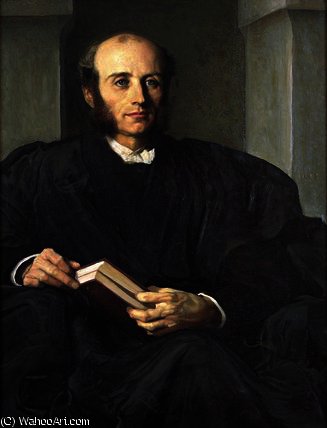
Edward charles wickham

 Read More
Purchase a high-resolution, enhanced digital image, far superior to the online preview.
Each file is meticulously prepared by our in-house specialists using advanced tools and expert manual retouching. We ensure every image has exceptional clarity, precise color accuracy, and fine detail.
The final file is delivered via email within 72 hours, optimized for immediate use in professional, editorial, and print environments. This is the same quality trusted by top-tier design studios, publishers, and galleries.
Digital Image
Download a high-resolution file for personal display, printing, and creative projects. ( Buy Print Buy Hand Made Painting)
Included in Every Digital Image Order
Expert Digital Delivery, Guaranteed
When you choose ArtsDot.com, you're not just getting an image - you're receiving a professionally enhanced digital artwork, crafted with precision and backed by a satisfaction guarantee. Here's everything that comes with your order, automatically:

Fast Email Delivery
Your high-resolution digital image file will be emailed to you within 72 hours of ordering - ready for immediate use.

AI-Enhanced Digital File
Your artwork is professionally optimized using advanced AI tools and manual editing, ensuring maximum detail, clarity, and color accuracy.

Free Lifetime Re-Delivery
Accidentally deleted or lost your file? No worries - we'll resend it to you anytime, free of charge.

No Import Fees - Ever
Enjoy your artwork instantly with zero customs, duties, or delivery fees - digital downloads are always tax-free.

Color Accuracy Guarantee
We ensure your digital image reflects the original colors as closely as possible using professional tools and color management.

60-Day Satisfaction Guarantee
If you're not satisfied with your digital image, we'll revise it or refund 100% within 60 days - no questions asked.

100% Money-Back Guarantee
Not satisfied? Get a full refund within 60 days of receiving your digital file - no questions asked.

Bulk Order Discounts
Buy 3 images, save 10% - Buy 5, save 15% - Buy 10+, save 20%. Great for creative projects, galleries, and agencies.
Collectible Description
A Portrait Steeped in Symbolism: Exploring William Blake’s “Edward Charles Wickham”
The painting "Edward Charles Wickham," attributed to the enigmatic Romantic poet and artist William Blake (1757-1827), presents a deceptively simple composition—a seated man absorbed in reading—yet it resonates with layers of profound symbolism and technical innovation that encapsulate the spirit of its era. Captured on canvas, likely around 1803, this portrait transcends mere likeness; it embodies Blake’s characteristic preoccupation with spiritual contemplation and his masterful manipulation of artistic conventions to convey complex psychological states.- Subject Matter & Appearance: The central figure is Edward Charles Wickham, a gentleman identified by Blake as a friend and fellow poet. His formal attire—a suit and tie—suggests respectability and social standing, mirroring the aspirations of the educated elite during Blake’s lifetime. However, his stern gaze and furrowed brow betray an inner seriousness, hinting at intellectual engagement and perhaps even wrestling with weighty ideas.
- Style & Technique: Blake employed a distinctive style characterized by bold lines and flattened planes—a technique he honed through his extensive experience in engraving, where precision was paramount. The painting’s subdued palette—primarily browns and ochres—contrasts sharply with the vibrant hues often associated with Romantic art, reflecting Blake's deliberate choice to prioritize mood and atmosphere over realistic representation.
- Symbolic Elements: Beyond the figure’s demeanor, several symbolic elements contribute to the painting's overall impact. The clock hanging above Wickham’s head serves as a potent reminder of mortality and the relentless march of time—a recurring motif in Blake’s oeuvre that underscores his belief in the importance of confronting existential anxieties.
- Emotional Resonance: “Edward Charles Wickham” evokes a sense of quiet contemplation and intellectual introspection. The painting invites viewers to consider themes of knowledge, responsibility, and the pursuit of spiritual understanding—qualities Blake himself championed throughout his life’s work.
Related Artworks
Artist Biography
A Visionary’s Journey: The Life and Art of William Blake
William Blake, born in London on November 28, 1757, was a figure perpetually out of step with his time, yet destined to become one of the most celebrated artists and poets of the Romantic Age. His life unfolded against the backdrop of a rapidly changing England—a world grappling with industrialization, political upheaval, and shifting spiritual beliefs. From humble beginnings as the son of a hosier, Blake’s early years were marked by an intensely vivid imagination and a propensity for visionary experiences that would profoundly shape his artistic trajectory. Though largely self-taught in formal academics, he received drawing instruction at a young age, quickly revealing a talent that hinted at the extraordinary path ahead. His apprenticeship with engraver James Basire proved pivotal, providing him not only with technical mastery but also an understanding of printmaking techniques he would later revolutionize. These early influences—the Gothic grandeur of Westminster Abbey, the classical forms of Raphael and Michelangelo—served as foundational elements in his developing aesthetic, though Blake was never one to remain bound by convention.The Illuminated World: Technique and Innovation
Blake’s artistic innovation wasn't merely about subject matter; it resided fundamentally in *how* he created. Dissatisfied with conventional engraving methods, he developed a unique process known as “illuminated printing.” This involved etching both text and illustrations onto copper plates, then hand-coloring the resulting prints—a laborious but deeply personal approach that allowed for complete artistic control. This wasn’t simply illustration accompanying poetry; it was an integrated art form where image and verse were inextricably linked, each enhancing the meaning of the other. His relief etching technique, born from a claimed visionary experience following his brother's death, further distinguished his work, granting it a distinctive textural quality and allowing for greater artistic freedom than traditional methods. Beyond printmaking, Blake also worked with watercolors and tempera paints, often depicting biblical scenes or fantastical subjects imbued with symbolic weight. A key characteristic of his style was a deliberate rejection of linear perspective in favor of a more emotive, symbolic representation—a flattening of space that drew the viewer into the heart of his visionary world.Themes of Innocence, Experience, and Rebellion
The core of Blake’s artistic output lies in its exploration of profound themes: the duality of innocence and experience, the constraints of reason versus the liberating power of imagination, and a fierce critique of societal norms.- Songs of Innocence and of Experience (1794), perhaps his most accessible work, presents a contrasting vision of childhood—one idyllic and untainted, the other marked by hardship and corruption.
- The Marriage of Heaven and Hell (1793) is a provocative prose poem that challenges conventional morality, celebrating energy, desire, and rebellion against restrictive doctrines.
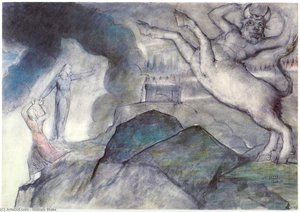
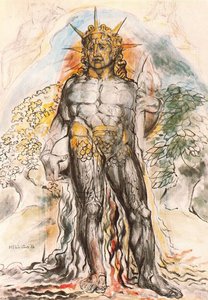
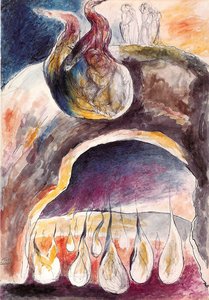
- His illustrations for Dante’s *Divine Comedy* showcase his dramatic vision and ability to translate complex narratives into powerful visual imagery.
A Legacy Rediscovered: Blake's Enduring Influence
During his lifetime, William Blake remained largely marginalized, misunderstood by many of his contemporaries. His work was often dismissed as eccentric or even mad. He struggled financially throughout much of his life, relying on commissions and the support of a small circle of patrons like Thomas Butts. However, in the decades following his death on August 12, 1827, Blake’s reputation began to grow steadily. The Pre-Raphaelite Brotherhood, captivated by his visionary style and symbolic imagery, embraced him as a kindred spirit. Later movements—Symbolism and Modernism—found resonance in his emphasis on imagination, subjective experience, and spiritual themes. Today, William Blake is recognized as a pivotal figure in the Romantic movement, an artist whose work continues to inspire poets, painters, and thinkers across disciplines. His exploration of complex philosophical and religious ideas through art remains profoundly relevant, challenging us to question conventional wisdom and embrace the power of individual vision. Blake’s legacy isn't simply about his artistic achievements; it is about his unwavering commitment to creative freedom—a testament to the enduring power of imagination in a world often dominated by reason and constraint.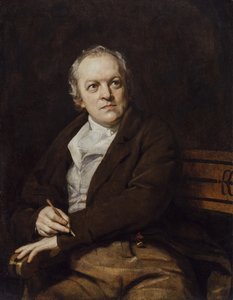
William Blake
1757 - 1827 , United Kingdom
Quick Facts
- Artistic Movement Or Style: Romanticism
- Artists Or Movements Influenced By This Artist:
- Pre-Raphaelites
- Symbolism
- Modernism
- Artists Who Influenced This Artist:
- Raphael
- Michelangelo
- Date Of Birth: 1757
- Date Of Death: 1827
- Full Name: William Blake
- Nationality: British
- Notable Artworks:
- Songs of Innocence & Exp.
- The Marriage of Heaven & Hell
- The Tyger
- Jerusalem
- Place Of Birth: London, UK

