 Preview
 Send
Send Share
Share
 Details

 Download
 Similars
 X-Ray
X-Ray Diaporama
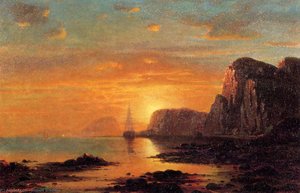
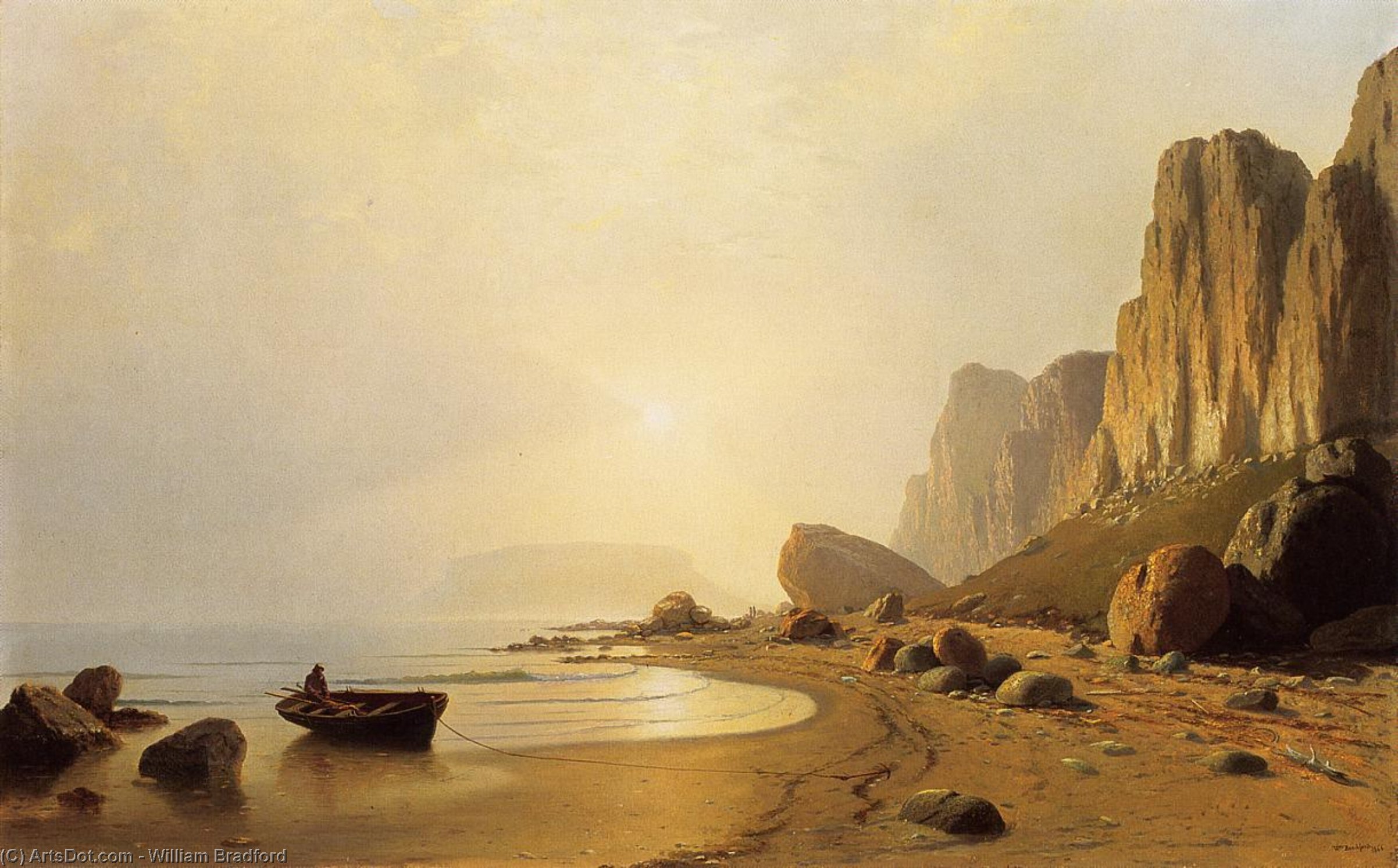
The Coast of Labrador


 Read More
Hand Made Oil Reproduction
Hand-painted oil on canvas in your size and frame, made to order by our artists. ( Buy Print Buy Image)




P118B $10

P118H $10

P118W $10

P438Z $10

P508JH $12

P508YH $12

P805H $10

P805Z $10

P919BZ $10

P919G $10

P919XJ $10

P959ZH $10

P968JZ $12

W106C $8

W218G $10

W218JH $8

W218Y $10

W307PJ $10

W316G $10

W316PJ $8

W316Y $10

W398PJ $8

W4111J $10

W500HY $15

W500JH $15

W692G $12

W849H $8

W940BG $15

W953PJ $8




Pick from our preset sizes that match the artwork's original proportions.

You may enter your own dimensions to fit a specific frame or space. If your selected size does not match the original image's proportions, we will either crop the artwork or extend the painting with additional hand-painted elements. A digital mockup will be sent for your approval before production begins.
Please note that the on-screen preview does not reflect the actual cropping or extension. Only the mockup will accurately show the final composition.
While custom sizes are available, we recommend selecting a dimension from the predefined list to preserve the original proportions.
After order, ArtsDot.com team will email client for instructions and provide a mockup preview
Worldwide Delivery () in 3/4 weeks instead of standard 5 weeks. (17 August). No compromise on quality.

Free Worldwide Express Shipping

High-Quality Linen Canvas

Full Shipping Insurance

Customs Tax Refund Guarantee

True Color Matching Guarantee

60-Day Return Policy (Defects Only)

100% Money-Back Guarantee

Bulk Discount Offer
 Glass option is only available in size under 110 CM

The Coast of Labrador
Reproduction Medium
Reproduction Size
-


Total Price
$ 263
Artwork Description
A Frozen Symphony: Unveiling William Bradford’s “The Coast of Labrador”
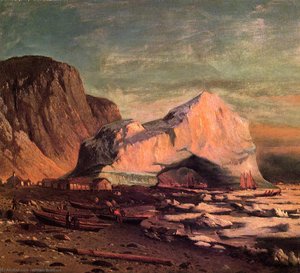
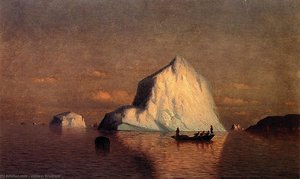
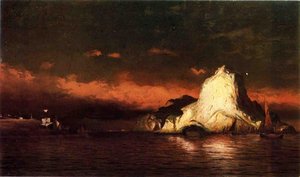
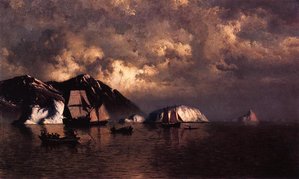
William Bradford's "The Coast of Labrador," painted in 1866, isn’t merely a depiction of a rugged coastline; it’s a visceral encounter with the sublime. This canvas captures not just the physical landscape of Labrador – a realm of granite cliffs, icy waters, and brooding mountains – but also the profound emotional response evoked by its stark beauty. Bradford, a pivotal figure bridging Romanticism and scientific observation, possessed an almost preternatural ability to translate the raw power of nature onto linen. He wasn’t simply recording; he was channeling the spirit of the Arctic into a visual language that resonates with both awe and melancholy.
The painting immediately draws the eye to the tumultuous sea, rendered in layers of meticulously applied oil paint – a technique characteristic of Bradford's meticulous approach. Notice how he doesn’t shy away from depicting the churning foam and the dark, brooding depths, suggesting an underlying sense of danger and unpredictability. The jagged coastline, sculpted by centuries of relentless waves, is presented with astonishing detail; each rock face, each crevice, feels palpably real. Yet, despite this realism, Bradford employs a muted palette – predominantly blues, greys, and browns – that contributes to the painting’s overall atmosphere of quiet contemplation.
The Pioneer of Romantic Observation
Bradford's journey into the Arctic was far more than an artistic expedition. He accompanied the British naval explorer Captain Robert Peary on his 1864-66 expedition, documenting the landscape and its inhabitants with a dedication that bordered on obsession. This experience profoundly shaped his art, imbuing it with a sense of scientific curiosity tempered by deep respect for the natural world. Unlike many artists of the era who romanticized the wilderness as an escape from societal constraints, Bradford sought to understand its fundamental nature – its geological forces, its climatic patterns, and its impact on human perception.
His background as a ship portraitist initially focused on capturing the precise details of vessels navigating treacherous waters. This skill translated seamlessly into his landscape paintings, allowing him to render the movement of water with remarkable accuracy. However, it was his encounter with the Arctic that truly transformed his artistic vision, pushing him beyond mere representation and towards an exploration of emotional truth. Bradford’s work stands as a testament to the burgeoning Romantic interest in capturing subjective experience alongside objective observation – a crucial shift in art history.
Symbolism of Ice and Light
The painting is rich with symbolic elements, most notably the pervasive presence of ice. It isn't simply depicted as frozen water; it embodies resilience, permanence, and the unforgiving nature of the Arctic environment. The light, too, plays a crucial role in conveying Bradford’s message. He masterfully captures the interplay of sunlight on the icy surfaces, creating an ethereal glow that illuminates the scene while simultaneously hinting at the coldness and isolation of the landscape. The small boat with its two figures represents humanity's tentative presence within this vast, indifferent wilderness – a poignant reminder of our vulnerability in the face of nature’s power.
A Legacy of Arctic Vision
“The Coast of Labrador” is more than just a beautiful painting; it’s a window into a pivotal moment in American art history. Bradford's work foreshadowed the later developments of Impressionism and Luminism, demonstrating a remarkable ability to capture fleeting moments of light and atmosphere. His dedication to scientific observation combined with his profound emotional sensitivity resulted in images that continue to captivate viewers today. Reproductions of this iconic piece offer a chance to experience the raw beauty and haunting power of the Arctic – a timeless testament to the enduring legacy of William Bradford.
Related Artworks


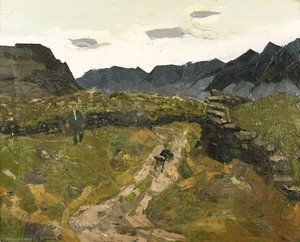
Artist Biography
A Pioneer of American Romanticism
William Bradford, born around 1590 in Austerfield, England, occupies a unique and pivotal position in the narrative of American art. He wasn’t merely a painter; he was a chronicler of transition—a figure bridging the meticulous documentation demanded by scientific exploration with the burgeoning emotional currents of Romanticism. His life unfolded as a testament to resilience, an odyssey from humble rural beginnings to becoming a visual interpreter of both human endeavor and the sublime power of the natural world, particularly the icy majesty of the Arctic regions. Bradford’s journey wasn't simply about artistic skill; it was about a profound connection forged with the sea and the landscapes he would immortalize on canvas, driven by an innate desire to capture not just *what* he saw, but *how* it felt—the atmosphere, the light, the sheer immensity of nature’s grandeur. Initially focused on detailed depictions of ships within New Bedford Harbor, his artistic vision rapidly expanded, fueled by a yearning to convey the emotional resonance of these scenes.From Maritime Scenes to Arctic Visions
Bradford's early work reveals a keen eye for detail and a mastery of maritime subjects. These paintings weren’t simply topographical records; they were imbued with a sense of realism that resonated deeply with the burgeoning commercial interests of New Bedford, a prominent whaling port. However, it was his association with Dr. Isaac Israel Hayes and subsequent Arctic expeditions that truly defined his artistic trajectory. Becoming the first American painter to venture into and depict the frozen regions of the North, Bradford entered uncharted territory—both geographically and artistically. These voyages weren't merely opportunities for scientific observation; they were immersive experiences that fundamentally altered his perception of light, color, and form. The Arctic presented a unique challenge: how to convey the ethereal beauty of icebergs under the midnight sun, the vastness of frozen floes, and the inherent dangers lurking beneath the surface? Bradford rose to this challenge with remarkable skill, translating his firsthand observations into paintings that were both scientifically accurate and emotionally evocative. He meticulously documented these expeditions, publishing “The Arctic Regions,” a detailed account accompanied by photographs, further solidifying his role as an explorer-artist. This publication wasn’t just a scientific report; it was a testament to the power of visual storytelling, bringing the remote Arctic to life for audiences back home.Influences and Artistic Style
While not formally affiliated with the Hudson River School, William Bradford absorbed its core tenets—particularly the emphasis on depicting light’s interaction with water and atmospheric conditions. This influence is readily apparent in his work, where subtle gradations of color and masterful use of chiaroscuro create a sense of depth and realism. However, Bradford's style transcends mere imitation; he infused it with a unique sensibility shaped by his Arctic experiences. His compositions often balance subjects carefully, strategically employing light and shadow to draw the viewer’s eye and enhance the emotional impact. A characteristic feature of his paintings is the use of darker colors around the edges, framing the central subject and creating a sense of dramatic focus. Works like “Looking Out Battle Harbor” (1877) exemplify this technique, demonstrating a compositional balance that draws the viewer into the scene while simultaneously emphasizing its inherent isolation. His skill in depicting maritime activity within dramatic natural settings is showcased beautifully in "Whaler and Fishing Vessels near the Coast of Labrador" (c. 1880). He wasn’t simply painting what he saw; he was conveying a feeling—a sense of awe, vulnerability, and the sublime power of nature.Legacy and Lasting Impact
William Bradford’s artistic legacy extends far beyond his stunning depictions of Arctic landscapes and maritime scenes. Elected an associate member of the National Academy of Design in 1874, he gained recognition for his contributions to American art. His paintings weren't simply aesthetic creations; they were visual records of a rapidly changing world—documenting scientific expeditions, capturing the spirit of exploration, and fostering a growing appreciation for the natural environment. Major works such as “New Bedford Harbor at Sunset” demonstrate his early mastery, while "Ice Floes under the Midnight Sun" encapsulates the ethereal beauty he discovered in the Arctic. Perhaps most powerfully, paintings like “The ‘Panther’ among the Icebergs in Melville Bay” convey both the grandeur and peril of polar exploration, reminding viewers of humanity's fragile relationship with nature. Bradford’s published account of his Arctic travels further popularized knowledge about these remote regions, inspiring future generations of artists and explorers. He remains a significant figure in American art history—a pioneer of Romanticism who dared to venture into the unknown and translate its wonders onto canvas, leaving behind a body of work that continues to captivate and inspire today.Key Works
- Icebergs in the Arctic (1882): A dramatic seascape capturing the beauty and danger of glacial formations.
- Ice Floes under the Midnight Sun: Showcases the ethereal light and vastness of the Arctic landscape.
- The Schooner 'Jane' of Bath, Maine: Demonstrates his skill in depicting maritime vessels within their natural environment.
- Looking Out Battle Harbor (1877): Exemplifies his compositional balance and dramatic use of light and shadow.
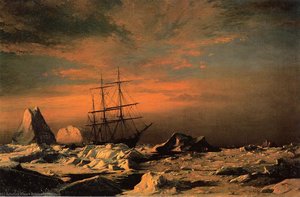
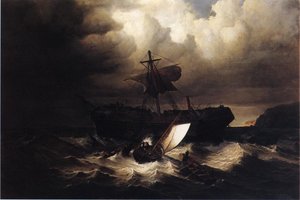
- Whaler and Fishing Vessels near the Coast of Labrador (c. 1880): Highlights his ability to portray maritime activity within a dynamic natural setting.
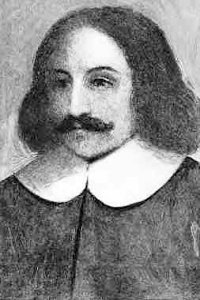
William Bradford
1590 - 1657 , United Kingdom
Quick Facts
- Artistic Movement Or Style: Romanticism
- Artists Or Movements Influenced By This Artist: ['American Romanticism']
- Artists Who Influenced This Artist: ['Hudson River School artists']
- Date Of Birth: c. 1590
- Date Of Death: 1657
- Full Name: William Bradford
- Nationality: American
- Notable Artworks:
- Looking Out Battle Harbor
- Ice Floes under Midnight Sun
- Whaler near Labrador Coast
- New Bedford Harbor at Sunset
- The 'Panther' among Icebergs
- Place Of Birth: Austerfield, UK
Related Articles
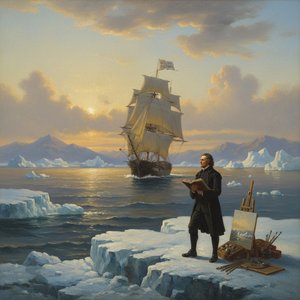
William Bradford: Navigating Faith, Landscape & Artistic Innovation in Early American Painting
Explore the captivating world of William Bradford, American Romanticist painter renowned for his dramatic Arctic seascapes & ship portraits. Discover his artistic evolution, influences, and lasting legacy with ArtsDot.

Beyond the Horizon: 10 Landscape Masterpieces for Your Home Decor
Journey through 10 breathtaking landscape paintings by Monet, Van Gogh & more! Explore iconic artworks, artistic techniques & find inspiration for your home decor. Museum-quality reproductions at ArtsDot.com. Discover all masterpieces on ArtsDot.com

Romantic Landscapes: 10 Masterpieces for Your Home | ArtsDot
Journey through 10 Romantic landscape masterpieces by Friedrich, Turner & Cole. Explore emotional art, sublime nature scenes & iconic 19th-century paintings. Find museum-quality reproductions for your home at ArtsDot.com – discover the full collection online!

John Constable's Masterpieces: Explore 25 Iconic Landscapes for Your Home
Journey through John Constable's 25 most celebrated landscapes. Explore Romanticism, Dedham Vale & his masterful use of light in iconic paintings like 'Hay Wain'. Find museum-quality art reproductions and elevate your home decor on ArtsDot.com.

Evocations of Place: A Historical Journey Through Landscape Art
Explore the rich history of landscape art with ArtsDot. Discover renowned artists, movements like Impressionism & Romanticism, and expert guidance for collecting timeless pieces. Find your perfect serene escape today!