

 Send
Send Share
Share
 Details

 Download
 Similars
 Diaporama
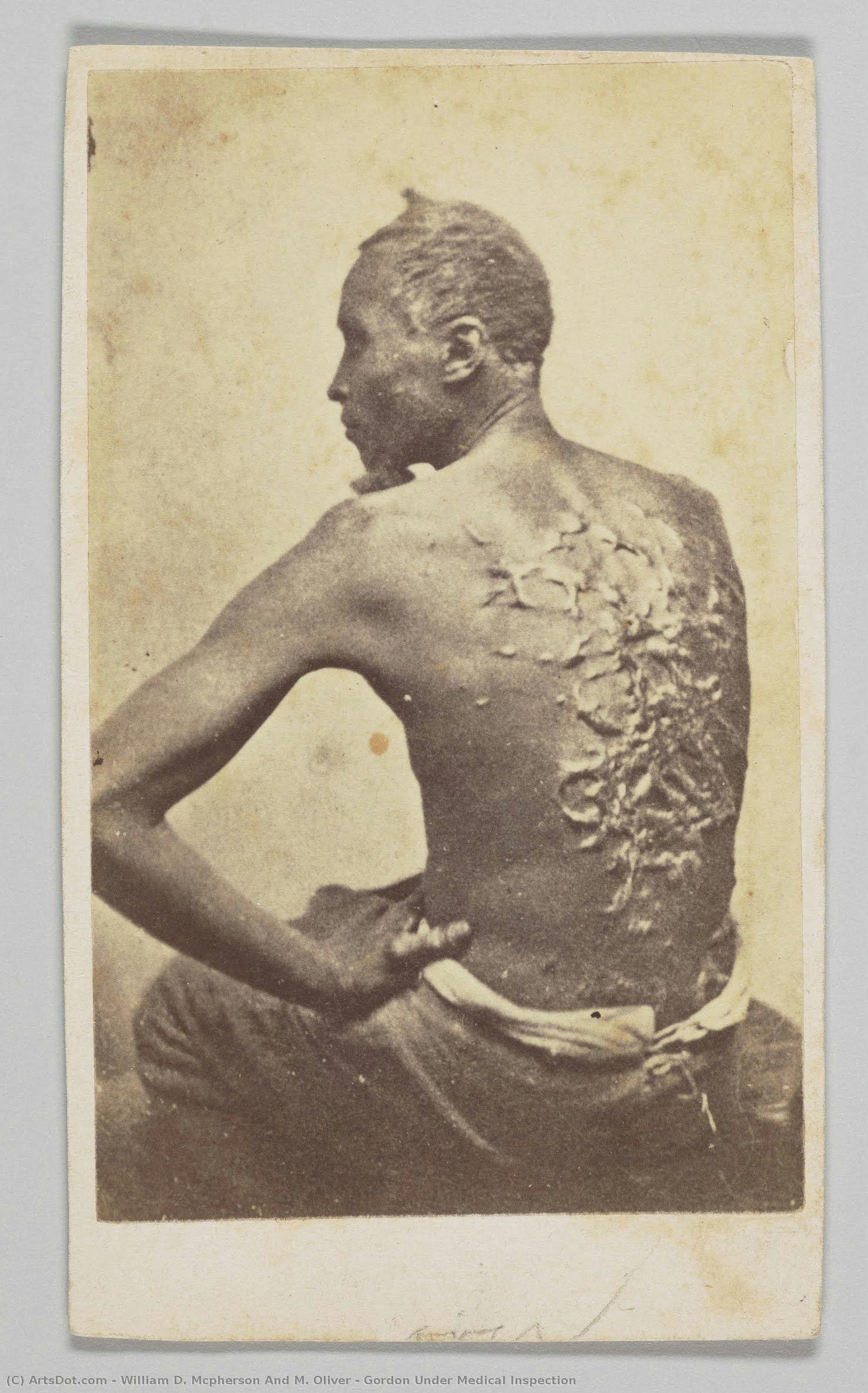
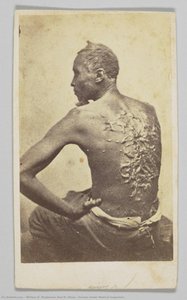
Gordon Under Medical Inspection
 Black and White Photography
- Photo
 1863
1863- 19th Century
 10.0 x 6.0 cm
 National Museum of African American History and Culture
 Read More
Purchase a high-resolution, enhanced digital image, far superior to the online preview.
Each file is meticulously prepared by our in-house specialists using advanced tools and expert manual retouching. We ensure every image has exceptional clarity, precise color accuracy, and fine detail.
The final file is delivered via email within 72 hours, optimized for immediate use in professional, editorial, and print environments. This is the same quality trusted by top-tier design studios, publishers, and galleries.
Digital Image
Download a high-resolution file for personal display, printing, and creative projects. ( Buy Print Buy Hand Made Painting)
Included in Every Digital Image Order
Expert Digital Delivery, Guaranteed
When you choose ArtsDot.com, you're not just getting an image - you're receiving a professionally enhanced digital artwork, crafted with precision and backed by a satisfaction guarantee. Here's everything that comes with your order, automatically:

Fast Email Delivery
Your high-resolution digital image file will be emailed to you within 72 hours of ordering - ready for immediate use.

AI-Enhanced Digital File
Your artwork is professionally optimized using advanced AI tools and manual editing, ensuring maximum detail, clarity, and color accuracy.

Free Lifetime Re-Delivery
Accidentally deleted or lost your file? No worries - we'll resend it to you anytime, free of charge.

No Import Fees - Ever
Enjoy your artwork instantly with zero customs, duties, or delivery fees - digital downloads are always tax-free.

Color Accuracy Guarantee
We ensure your digital image reflects the original colors as closely as possible using professional tools and color management.

60-Day Satisfaction Guarantee
If you're not satisfied with your digital image, we'll revise it or refund 100% within 60 days - no questions asked.

100% Money-Back Guarantee
Not satisfied? Get a full refund within 60 days of receiving your digital file - no questions asked.

Bulk Order Discounts
Buy 3 images, save 10% - Buy 5, save 15% - Buy 10+, save 20%. Great for creative projects, galleries, and agencies.
Collectible Description
Related Artworks
Artist Biography
The Haunting Gaze of Witness: William D. Mcpherson and M. Oliver
In the tumultuous landscape of Civil War-era America, where the nation wrestled with its moral core, emerged a partnership of photographers—William D. McPherson and M. Oliver—whose work transcended mere documentation to become searing indictments of slavery’s brutality and poignant testaments to human resilience. Though biographical details remain shrouded in the mists of time, their legacy is indelibly etched upon the collective consciousness through a single, profoundly disturbing image: “Gordon Under Medical Inspection,” more commonly known as “The Scourged Back.” This photograph, taken in 1863, stands not simply as an artifact of history but as a visceral confrontation with the horrors inflicted upon enslaved people and a catalyst for abolitionist sentiment.
Operating out of New Orleans and Baton Rouge, Louisiana—cities deeply entwined with the institution of slavery—McPherson & Oliver established themselves as commercial photographers catering to a diverse clientele. However, their encounter with Gordon, an escaped slave who had fled a Mississippi plantation, irrevocably altered the trajectory of their work. The photograph depicts Gordon’s bare back, crisscrossed by the deep welts and keloid scars resulting from relentless whippings. It is not a clinical study but a portrait of suffering, capturing the raw physicality of trauma and the enduring spirit of a man who dared to seek freedom. The image was quickly reproduced as a carte-de-visite—a small photographic calling card—and circulated widely throughout the North, becoming an immediate sensation and sparking outrage against the Confederacy.
A Portrait Forged in Conflict
The context surrounding “The Scourged Back” is crucial to understanding its impact. The photograph was initially presented alongside a narrative published in Harper’s Weekly on July 4, 1863—a deliberate choice to juxtapose the ideals of American liberty with the stark reality of slavery. However, it has since been revealed that the accompanying story was largely fictionalized, a composite account crafted by the newspaper's staff to heighten the emotional resonance of the image. While this revelation complicates the historical record, it does not diminish the photograph’s power. The image itself—Gordon’s body bearing witness to unspeakable cruelty—speaks volumes, transcending the need for embellishment.
The technical aspects of the photograph also contribute to its enduring impact. McPherson & Oliver employed the albumen silver print process, a common technique of the era that yielded sharp detail and tonal range. The stark lighting emphasizes the texture of Gordon’s skin and the severity of his scars, creating a hauntingly realistic depiction of physical suffering. The composition—a direct frontal view—forces the viewer to confront Gordon's gaze, demanding empathy and challenging any attempt at detached observation.
Beyond “Gordon”: A Legacy of Witness
While "The Scourged Back" remains McPherson & Oliver’s most famous work, it is important to remember that their photographic output extended beyond this single image. They documented scenes of the Civil War, including Union soldiers and military camps, providing a glimpse into the broader context of the conflict. However, their decision to focus on Gordon—to elevate his story and expose the brutality of slavery—sets them apart from many of their contemporaries.
The photograph’s influence reverberated throughout the abolitionist movement, galvanizing public opinion and contributing to the growing momentum for emancipation. It became a powerful tool in the hands of anti-slavery advocates, used to illustrate the inhumanity of the institution and advocate for its immediate end. Even today, “The Scourged Back” continues to serve as a potent reminder of America’s troubled past and a call for continued vigilance against injustice.
Historical Significance and Enduring Resonance
McPherson & Oliver's work occupies a unique place in the history of photography. They were not merely documenting events; they were actively engaging with the moral questions of their time, using their medium to challenge prevailing ideologies and advocate for social change. Their photograph of Gordon is considered one of the most important images of the 19th century—a visual testament to the horrors of slavery and a powerful symbol of human resilience.
The legacy of McPherson & Oliver extends beyond the realm of art history. Their work reminds us of the power of photography to bear witness, to expose injustice, and to inspire action. In an era saturated with images, “The Scourged Back” serves as a potent reminder that photographs are not neutral representations of reality but powerful tools capable of shaping our understanding of the world—and ultimately, changing it.
Quick Facts
- Artistic Movement Or Style: Documentary photography
- Date Of Birth: 1860
- Full Name: William D. McPherson And M. Oliver
- Nationality: American
- Notable Artworks:
- Gordon Under Medical Inspection
- The Scourged Back
- Place Of Birth: New Orleans, USA

