 Preview
 Send
Send Share
Share
 Details

 Download
 Similars
 X-Ray
X-Ray Diaporama
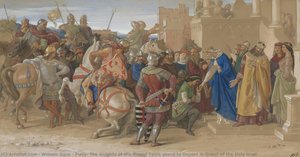
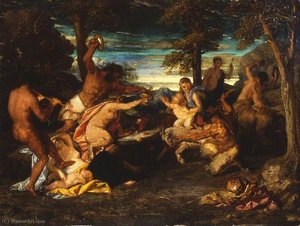
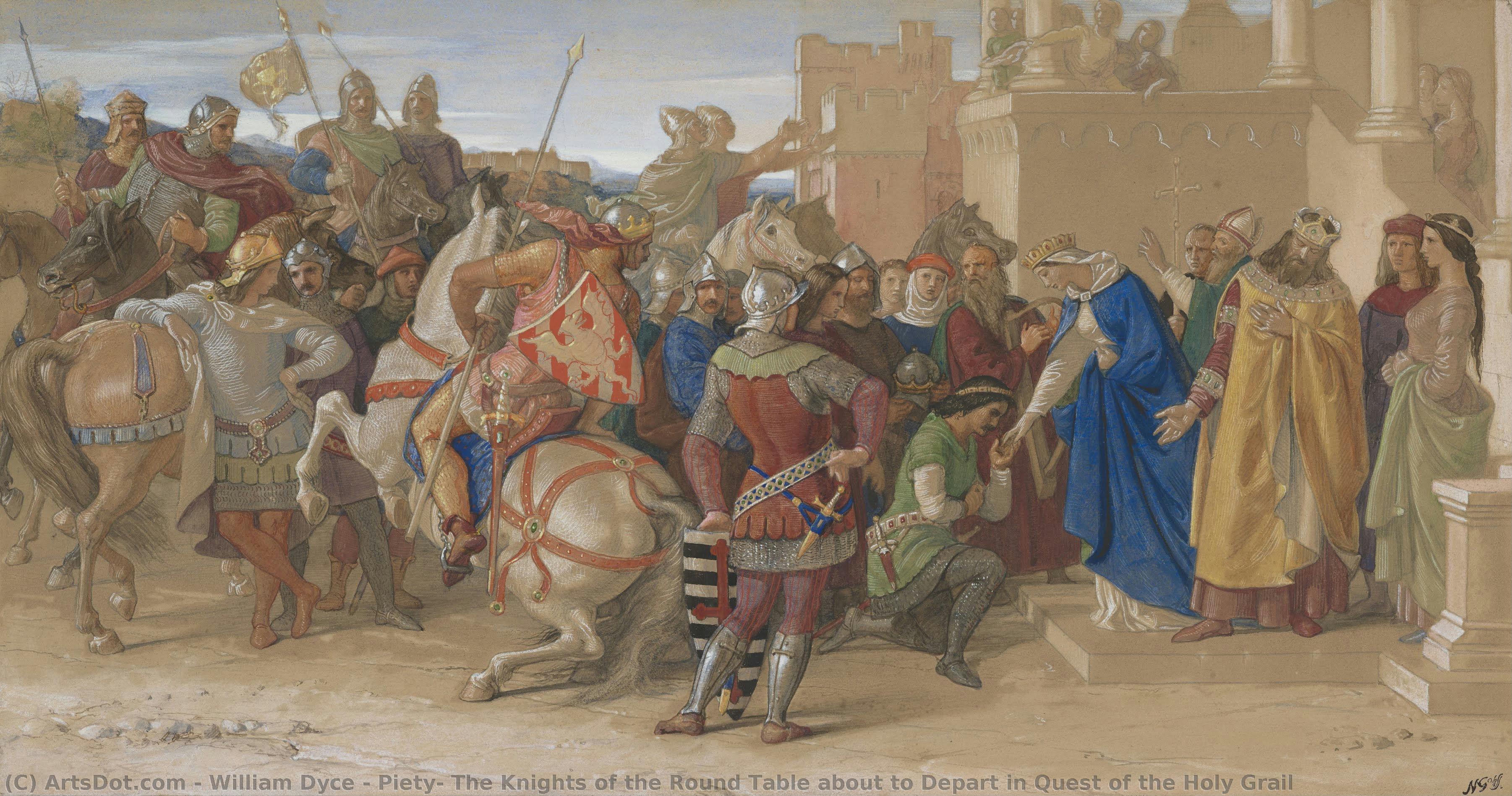
Piety: The Knights of the Round Table about to Depart in Quest of the Holy Grail


 Read More
Hand Made Oil Reproduction
Hand-painted oil on canvas in your size and frame, made to order by our artists. ( Buy Print Buy Image)




P118B $10

P118H $10

P118W $10

P438Z $10

P508JH $12

P508YH $12

P805H $10

P805Z $10

P919BZ $10

P919G $10

P919XJ $10

P959ZH $10

P968JZ $12

W106C $8

W218G $10

W218JH $8

W218Y $10

W307PJ $10

W316G $10

W316PJ $8

W316Y $10

W398PJ $8

W4111J $10

W500HY $15

W500JH $15

W692G $12

W849H $8

W940BG $15

W953PJ $8




Pick from our preset sizes that match the artwork's original proportions.

You may enter your own dimensions to fit a specific frame or space. If your selected size does not match the original image's proportions, we will either crop the artwork or extend the painting with additional hand-painted elements. A digital mockup will be sent for your approval before production begins.
Please note that the on-screen preview does not reflect the actual cropping or extension. Only the mockup will accurately show the final composition.
While custom sizes are available, we recommend selecting a dimension from the predefined list to preserve the original proportions.
After order, ArtsDot.com team will email client for instructions and provide a mockup preview
Worldwide Delivery () in 3/4 weeks instead of standard 5 weeks. (30 August). No compromise on quality.

Free Worldwide Express Shipping

High-Quality Linen Canvas

Full Shipping Insurance

Customs Tax Refund Guarantee

True Color Matching Guarantee

60-Day Return Policy (Defects Only)

100% Money-Back Guarantee

Bulk Discount Offer
 Glass option is only available in size under 110 CM

Piety: The Knights of the Round Table about to Depart in Quest of the Holy Grail
Reproduction Medium
Reproduction Size
-


Total Price
$ 263
A Vision of Heroic Faith: William Dyce’s Piety
William Dyce's "Piety: The Knights of the Round Table About to Depart in Quest of the Holy Grail" stands as a cornerstone of Victorian Romanticism, capturing not merely a historical moment but also the profound spiritual yearning that defined its era. Painted in 1849, this monumental canvas transcends mere depiction; it aspires to embody the ideals of chivalry and Christian piety – concepts central to British culture at the time. Dyce’s ambition was to elevate the narrative of Arthurian legend beyond simple adventure into a meditation on faith and duty.The Scene Unfolds: Composition and Detail
The painting depicts the knights preparing for their perilous journey to Glastonbury Tor, where they hoped to find evidence of Christ's presence – an audacious attempt to reconcile pagan myth with Christian dogma. Dyce meticulously crafted a dynamic composition, utilizing triangular structuring to convey movement and urgency. At the apex is Arthur himself, radiating authority and solemn resolve, flanked by Percival, Galahad, Bors, Tristan, Gawaine, Bertilak, Lamorak, Kayode, Gareth, Geraint, Agravaine, Bohors and Mordred. Each knight is rendered with impressive realism, capturing subtle expressions of apprehension and determination. The horses are positioned strategically to emphasize the knights’ readiness for action, their muscular forms conveying strength and nobility. Noticeably, Dyce included a book—likely referencing scripture—placed prominently in the center of the composition, symbolizing the guiding force of faith on this spiritual quest.A Masterful Blend of Technique: Romantic Impressionism
Dyce employed a technique that skillfully blended elements of Romantic idealism with burgeoning Impressionistic influences. He utilized broad brushstrokes to establish tonal values and create atmospheric depth—a hallmark of Romantic painting—yet he incorporated finer details, particularly in the depiction of facial expressions and textures, demonstrating an awareness of emerging artistic trends. The palette is rich and luminous, dominated by earthy tones punctuated by splashes of vibrant color – primarily reds and golds – reflecting the grandeur of Arthurian legend and symbolizing divine illumination. Dyce’s masterful handling of light contributes significantly to the painting's emotional impact, capturing the solemn mood of anticipation as the knights prepare for their sacred mission.Symbolism Rooted in Medieval Tradition
Beyond its visual splendor, “Piety” is laden with symbolic significance. The quest itself represents humanity’s yearning for spiritual transcendence—a desire to reconnect with divine grace amidst worldly concerns. Arthur embodies leadership and moral fortitude, representing the virtues expected of kingship and embodying Christian ideals of righteousness and compassion. The inclusion of Glastonbury Tor underscores the importance of pilgrimage and contemplation – practices central to medieval Christianity. Furthermore, the book symbolizes enlightenment and divine revelation, reinforcing the overarching theme of faith guiding noble endeavor.Emotional Resonance: Capturing the Spirit of Victorian Faith
“Piety” succeeds in conveying a palpable sense of solemn grandeur and spiritual conviction. Dyce’s portrayal captures not just the physical preparations for pilgrimage but also the inner turmoil and unwavering devotion of these knights—men grappling with profound questions about faith, duty, and purpose. The painting resonates deeply with viewers today because it speaks to universal themes of courage, idealism, and the enduring power of belief. It serves as a testament to Dyce’s artistic vision and his ability to transform myth into a powerful expression of Victorian spiritual sensibilities—a legacy that continues to inspire admiration for its beauty and intellectual depth.Related Artworks
Artist Biography
Early Life and Artistic Training
William Dyce (1806–1864) was born in Aberdeen, Scotland, the son of Dr William Dyce FRSE, a physician and fellow of the Royal Society, and Margaret Chalmers, daughter of a wealthy banker. His family fostered an appreciation for learning and culture, equipping him with a strong foundation for his future artistic pursuits. He attended Marischal College, Aberdeen’s university, where he earned a Master's degree at just sixteen years old—a remarkable achievement for the time. Recognizing his talent for design, Dyce pursued formal training at the Royal Academy Schools in Edinburgh and London, immersing himself in the study of classical art and mastering techniques vital to his later career. His formative years were marked by exposure to influential artistic ideas circulating within Scotland and England, shaping his aesthetic sensibilities and establishing him as a student deeply committed to artistic excellence.Italian Influences and Artistic Development
Dyce’s first major journey abroad occurred in 1825 when he travelled to Rome—a pivotal moment that irrevocably altered the trajectory of his artistic life. Inspired by the grandeur of Renaissance art and captivated by the spirit of the Nazarene painters, Dyce spent nine months diligently studying the works of Titian and Poussin, absorbing their compositional principles and mastering their masterful use of colour. This immersion in Italian artistic tradition profoundly impacted his style, fostering a preference for detailed observation and conveying profound spiritual contemplation—characteristics that would become hallmarks of his oeuvre. He returned to Aberdeen in 1826, continuing to hone his skills as a painter and producing several notable works, including Bacchus Nursed by the Nymphs of Nysa, which garnered considerable acclaim.Edinburgh Years and Portraiture
Dyce established himself in Edinburgh as a portraitist during the mid-1830s, securing commissions from prominent figures of Scottish society. His meticulous attention to detail—particularly his ability to capture subtle expressions and psychological nuances—earned him considerable renown. He skillfully blended classical influences with Romantic sensibilities, producing portraits that were both aesthetically refined and emotionally resonant. Simultaneously, he championed the cause of art education, advocating for the establishment of a school of design in Edinburgh—a position he held until 1843, where he oversaw its expansion and modernization.London Engagement and Architectural Patronage
In 1837 Dyce moved to London, accepting the role of Master of the School of Design at Somerset House. This marked a significant turning point in his career, propelling him into the heart of Victorian artistic discourse and securing him access to influential patrons—most notably Prince Albert. He undertook extensive research into art education practices abroad, informing the creation of the “South Kensington System,” which would dominate English art instruction for decades to come. Dyce’s involvement extended beyond pedagogical endeavors; he served as a consultant on architectural projects, including the design of the new Houses of Parliament—a project that showcased his mastery of fresco painting and cemented his reputation as one of Britain's foremost artists.Major Achievements and Legacy
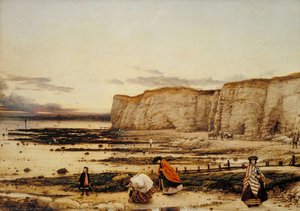
Dyce’s artistic legacy rests primarily upon two monumental undertakings: the decoration of Westminster Abbey and the creation of the Houses of Parliament. His frescoes in Westminster Abbey—particularly Neptune Resigning to Britannia—represent a triumph of Victorian ambition and artistic vision, embodying the grandeur of imperial Britain and demonstrating Dyce's unparalleled skill in fresco technique. However, his most celebrated work remains Pegwell Bay, Kent—a landscape painting that exemplifies Dyce’s meticulous observation of nature and his ability to convey profound emotional depth. Furthermore, Dyce’s contributions to art education—the establishment of the Royal College of Art and his advocacy for innovative pedagogical approaches—have endured as a testament to his unwavering belief in the transformative power of artistic training. William Dyce remains an artist whose work embodies the spirit of Victorian Britain—characterized by intellectual curiosity, moral earnestness, and a fervent devotion to elevating human culture.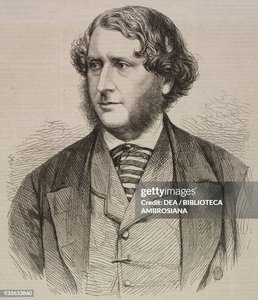
William Dyce
1806 - 1864 , United Kingdom
Quick Facts
- Artistic Movement Or Style: Pre-Raphaelites
- Artists Or Movements Influenced By This Artist: ['Nazarenes']
- Artists Who Influenced This Artist:
- Friedrich Overbeck
- John Ruskin
- Date Of Birth: 1806-09-19
- Date Of Death: 1864-02-14
- Full Name: William Dyce
- Nationality: Scottish
- Notable Artworks:
- Pegwell Bay, Kent
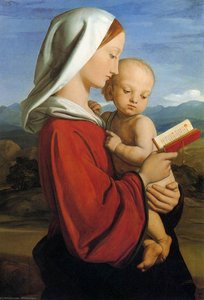
- The Madonna and Child
- Dunstan separating Edwy and Elgiva
- Place Of Birth: Aberdeen, United Kingdom
Related Articles

Giclée Prints: Archival Quality & Aesthetic Nuances for the Discerning Collector
Explore the world of giclée prints with ArtsDot. Learn about archival quality, aesthetic nuances & investment potential. Expert guidance for discerning art collectors seeking museum-quality reproductions and lasting value.

The Enduring Legacy of Fine Art Prints: Technique, History & Aesthetic Impact
Explore the rich history & techniques of fine art prints. Discover investment potential, assess authenticity, and learn how to preserve your collection with expert guidance. Trusted insights for discerning collectors.

Echoes of Time: Exploring the Enduring Appeal & Historical Context of Vintage Art Prints
Explore the captivating world of vintage art prints! Discover their history, collecting tips & enduring appeal. Expert insights on chromolithography and building a legacy collection with ArtsDot.
R.A. Benjamin Williams: Victorian Genre Painting & Social Commentary
Explore the captivating world of Benjamin Williams Leader's Victorian genre paintings. Discover his mastery of naturalism, social commentary & lasting influence on British art. Expert insights at ArtsDot.
William Powell Frith: Narratives of Victorian Society & the Rise of Realist Painting
Explore the life & works of William Powell Frith, the 'greatest British painter of social scenes.' Discover his iconic Victorian genre paintings and learn about his lasting impact on realist art. Hand-painted reproductions available.