 Preview
 Send
Send Share
Share
 Details

 Download
 Similars
 X-Ray
X-Ray Diaporama
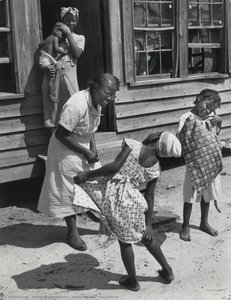
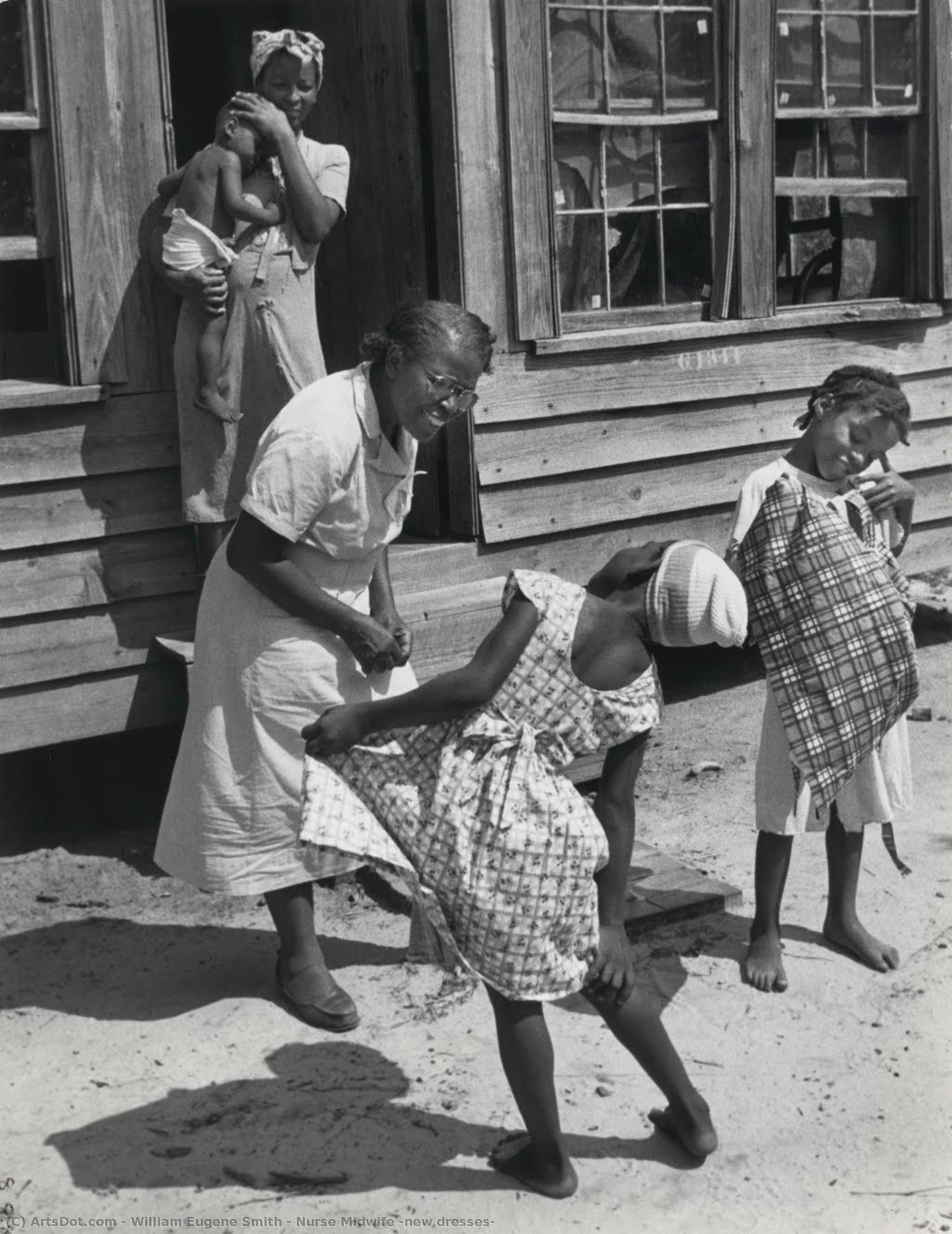
Nurse Midwife (new dresses)


 Read More
Giclée / Art Print
Museum-quality giclée or canvas print with fast production and flexible finish options. ( Buy Hand Made Painting Buy Image)




P118B $10

P118H $10

P118W $10

P438Z $10

P508JH $12

P508YH $12

P805H $10

P805Z $10

P919BZ $10

P919G $10

P919XJ $10

P959ZH $10

P968JZ $12

W106C $8

W218G $10

W218JH $8

W218Y $10

W307PJ $10

W316G $10

W316PJ $8

W316Y $10

W398PJ $8

W4111J $10

W500HY $15

W500JH $15

W692G $12

W849H $8

W940BG $15

W953PJ $8




Pick from our preset sizes that match the artwork's original proportions.

You may enter your own dimensions to fit a specific frame or space. If your selected size does not match the original image's proportions, we will either crop the artwork or extend the image with a mirrored or solid-fill edge. A digital mockup will be sent for your approval before production begins.
Please note that the on-screen preview does not reflect the actual cropping or extension. Only the mockup will accurately show the final composition.
While custom sizes are available, we recommend selecting a dimension from the predefined list to preserve the original proportions.
Worldwide Delivery () in 2 weeks instead of standard 4/5 weeks. (17 August)

Free Worldwide Express Shipping

High-Quality Linen Canvas

Full Shipping Insurance

Customs Tax Refund Guarantee

True Color Matching Guarantee

60-Day Return Policy (Defects Only)

100% Money-Back Guarantee

Bulk Discount Offer
 Glass option is only available in size under 110 CM

Nurse Midwife (new dresses)
Giclée / Art Print
Reproduction Size
-


Total Price
$ 63
Collectible Description
Nurse Midwife (new dresses) – A Chronicle of Resilience and Compassion
The photograph captures a poignant moment frozen in time—three women and a baby standing before a modest house, bathed in the soft glow of natural daylight. William Eugene Smith’s “Nurse Midwife,” created in 1951, transcends mere documentation; it achieves profound storytelling, imbued with empathy and unwavering commitment to portraying human experience with unflinching honesty. This isn't simply an image; it’s a testament to the enduring spirit of caregiving and community solidarity.- Composition & Perspective: Smith skillfully employs a slightly low angle perspective, elevating the subjects—particularly Maude Callen—to create a sense of grandeur and importance. Diagonal lines formed by the figures' stances inject dynamism into the frame, guiding the viewer’s eye across the scene and emphasizing the interconnectedness of the individuals involved.
- Light & Texture: The photograph’s lighting is dominated by natural daylight, casting strong shadows that delineate form and depth while highlighting key details—the weathered wooden siding of the house and the textures of the women's clothing and skin. These textural nuances contribute significantly to the image’s realism, inviting viewers to immerse themselves in the atmosphere of rural South Carolina.
- Color Palette & Style: Presented as a black and white gelatin silver print, “Nurse Midwife” adheres to Smith’s signature documentary style—a deliberate choice that prioritizes tonal range and visual impact over coloristic embellishments. The grayscale palette underscores the solemnity of the subject matter and amplifies the emotional resonance of the scene.
The Subject Matter: Maude Callen – A Beacon of Hope
At its core, “Nurse Midwife” celebrates Maude Callen—a remarkable woman who dedicated her life to serving impoverished communities in rural South Carolina during a period marked by significant social challenges. Smith’s meticulous observation and artistic vision brought Callen's tireless efforts to the forefront of public consciousness, challenging prevailing stereotypes about women’s roles in healthcare and demonstrating unwavering compassion for vulnerable populations. The photograph depicts Callen administering vaccinations to children—a task fraught with difficulty but undertaken with resolute determination.- Historical Context: Published in TIME magazine during the Eisenhower administration, “Nurse Midwife” arrived at a time when American society was grappling with issues of racial inequality and poverty. Smith’s decision to portray Callen as his subject—a bold move considering LIFE's editorial standards—was driven by a desire to counter prejudice and elevate the dignity of ordinary individuals facing adversity.
- Symbolism & Emotion: The image conveys a palpable sense of warmth, connection, and resilience. Smith’s portrayal of Maude Callen embodies the spirit of selfless service—a reminder that true heroism resides not in grand gestures but in steadfast dedication to alleviating suffering and fostering human compassion.
Technique & Craftsmanship: A Legacy of Photographic Narrative
Smith's masterful technique exemplifies the principles of photographic narrative, prioritizing clarity, detail, and emotional impact over stylistic flourishes. The photograph’s composition—centered around Callen and her patients—is carefully considered to maximize visual interest and convey a sense of immediacy. Furthermore, Smith’s meticulous attention to tonal range—achieved through skillful manipulation of light and shadow—creates depth and dimensionality, drawing viewers into the scene and fostering an empathetic connection with the subjects depicted. The print itself is a testament to the enduring legacy of silver gelatin printing—a process known for its archival stability and ability to faithfully reproduce nuanced textures and tones.Conclusion: An Enduring Image of Human Dignity
“Nurse Midwife” remains an unforgettable portrait of compassion, perseverance, and social justice—a masterpiece that continues to inspire admiration and provoke reflection decades after its creation. Smith’s unwavering commitment to portraying human experience with honesty and empathy cemented his place as one of America's foremost photojournalists, leaving behind a body of work that transcends time and speaks directly to the human spirit. Its enduring power lies in its ability to capture not just what *was*, but what *is*—a timeless reminder of the importance of caring for our fellow humans and upholding values of dignity and compassion.Related Artworks
Artist Biography
The Architect of the Photo Essay: The Life and Legacy of W. Eugene Smith
In the vast landscape of twentieth-century photography, few figures loom as large or as compassionately as William Eugene Smith. Born in Wichita, Kansas, in 1918, Smith did not merely observe the world through a lens; he sought to translate the very heartbeat of human struggle and resilience into a visual language. Often hailed as perhaps the single most important American photographer in the development of the editorial photo essay, his work moved beyond the static boundaries of traditional journalism. He pioneered a method of storytelling that utilized the camera not just to record events, but to weave complex, multi-layered narratives that resonated with the profound depths of the human condition.
Smith’s artistic soul was shaped by the humanist traditions of his predecessors, drawing deep inspiration from the pioneering spirits of Alfred Stieglitz and Lewis Hine. From Stieglitz, he inherited a reverence for the expressive potential of the photographic medium, while from Hine, he adopted a fierce commitment to social advocacy. This fusion of aesthetic sensitivity and moral purpose became the cornerstone of his career. His early years were marked by a growing conviction that photography could serve as a powerful instrument for illuminating societal realities, a belief that would eventually lead him to the front lines of history's most poignant moments.
A Revolution in Narrative: The Birth of 'Country Doctor'
The year 1948 marked a seismic shift in the history of photojournalism with the publication of ‘Country Doctor’ in Life magazine. This collaborative masterpiece, created alongside writer Ron Hooker, redefined what a photographic assignment could achieve. Rather than presenting a series of disconnected snapshots, Smith constructed an extended narrative that breathed life into the rural landscapes of Iowa. Through his lens, the daily existence of Dr. John Henderson and his wife, Maude Callen, became a window into the triumphs and tribulations of healthcare in underserved communities. It was a work brimming with tenderness, yet it possessed the grit to confront the harsh realities of medical practice in isolation.
This breakthrough established the photo essay as a legitimate and potent genre, capable of conveying nuanced emotional arcs that text alone could never capture. Smith’s ability to find the universal within the particular allowed his subjects to transcend their geographic boundaries, inviting readers worldwide to empathize with the intimate struggles of the human spirit. His technique relied heavily on a masterful use of light and shadow, employing a dramatic black-and-white palette that heightened the emotional gravity of every frame.
The Humanist Lens: Compassion and Social Reform
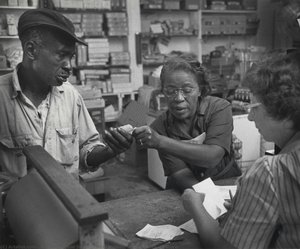
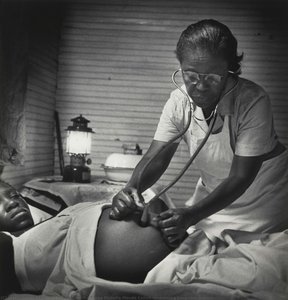
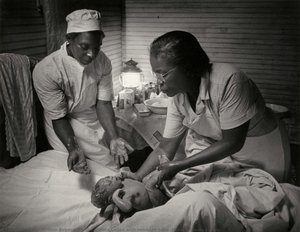
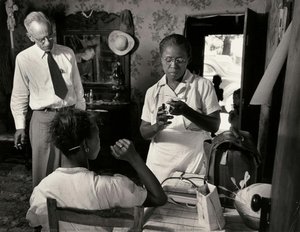
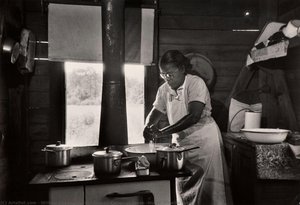
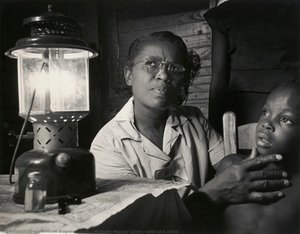
As his career progressed, Smith’s lens turned toward the most vulnerable corners of society, championing human dignity through unflinching documentation. His legendary work featuring Nurse Midwife Maude Callen remains a pinnacle of documentary achievement. In series such as ‘Nurse Midwife (new dresses)’ and ‘Midwife Maude Callen (with sick child),’ Smith captured the profound intimacy of maternal care and the heavy responsibility of medical service in rural South Carolina. These images, characterized by their meticulous attention to detail and raw emotional honesty, serve as a testament to his ability to capture the vulnerability inherent in life and death.
Beyond the domestic and the clinical, Smith’s work expanded to address global crises and environmental catastrophes. His documentation of the devastating effects of mercury poisoning in Minamata stands as one of the most significant pieces of social documentary ever produced. Through his imagery, the invisible became visible, forcing a global audience to confront the consequences of industrial negligence. This unwavering commitment to social reform ensured that his work was never merely art for art's sake, but a vital, breathing part of the global conscience.
A Lasting Impression on Visual History
The legacy of W. Eugene Smith is etched into the very fabric of modern photojournalism. He taught the world that a photographer could be both an artist and an activist, a witness and a storyteller. His influence can be seen in every documentary project that seeks to find the soul within the struggle. By blending the technical mastery of composition with an unshakeable empathy, Smith transformed the photographic medium into a profound vessel for truth.
To look upon a Smith photograph is to encounter the weight of history and the lightness of hope simultaneously. His life’s work remains a monumental achievement, reminding us that even in the darkest chapters of human experience, there is a dignity worth capturing and a story worth telling.
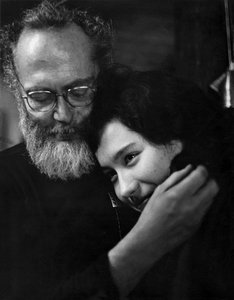
william eugene smith
1918 - 1978 , United States of America
Quick Facts
- Artistic Movement Or Style: Photojournalism
- Artists Who Influenced This Artist:
- Dorothea Lange
- Henri Cartier-Bresson
- Date Of Birth: December 30, 1918
- Date Of Death: October 15, 1978
- Full Name: William Eugene Smith
- Nationality: American
- Notable Artworks:
- Country Doctor
- Nurse Midwife Maude Callen
- Minamata
- Place Of Birth: Wichita, United States
Related Articles

Witnessing History Through Lens & Light: Documentary Photography's Enduring Legacy
Explore the powerful history of documentary photography – from its origins to contemporary masters like Gordon Parks & W. Eugene Smith. Discover how this art form shapes our understanding of society and witness pivotal moments in time.
Witnessing History: Documentary Photography as an Art Movement
Explore the powerful history of documentary photography – from its origins to contemporary masters like Gordon Parks. Discover how this art form shapes our understanding of society and witness pivotal moments in time.
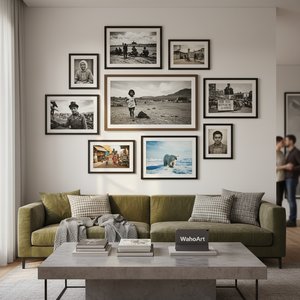
Documentary Photography's Defining Moments: 10 Masterpieces for Your Home |
Explore 10 defining documentary photography masterpieces – from Dorothea Lange to Robert Capa. Discover powerful stories, iconic images & timeless art for your home. Museum-quality prints at .
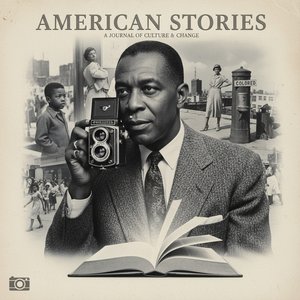
Gordon Parks: A Poetic Lens on American Life – Photography, Social Justice & Storytelling
Explore the profound work of Gordon Parks, a groundbreaking photographer who documented American life with unparalleled empathy and artistry. Discover his iconic images & lasting impact on social justice through Life magazine & beyond.

Monochrome Visions: Exploring the Aesthetic & Historical Significance of Black & White Photography
Explore the rich history & artistic power of black and white photography. From early techniques to iconic masters like Ansel Adams, discover why monochrome continues to captivate art lovers today. Expert insights for collectors.