 Preview
 Send
Send Share
Share
 Details

 Download
 Similars
 X-Ray
X-Ray Diaporama
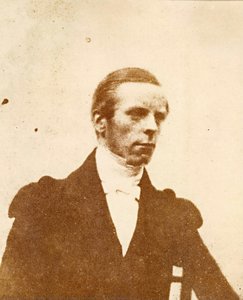
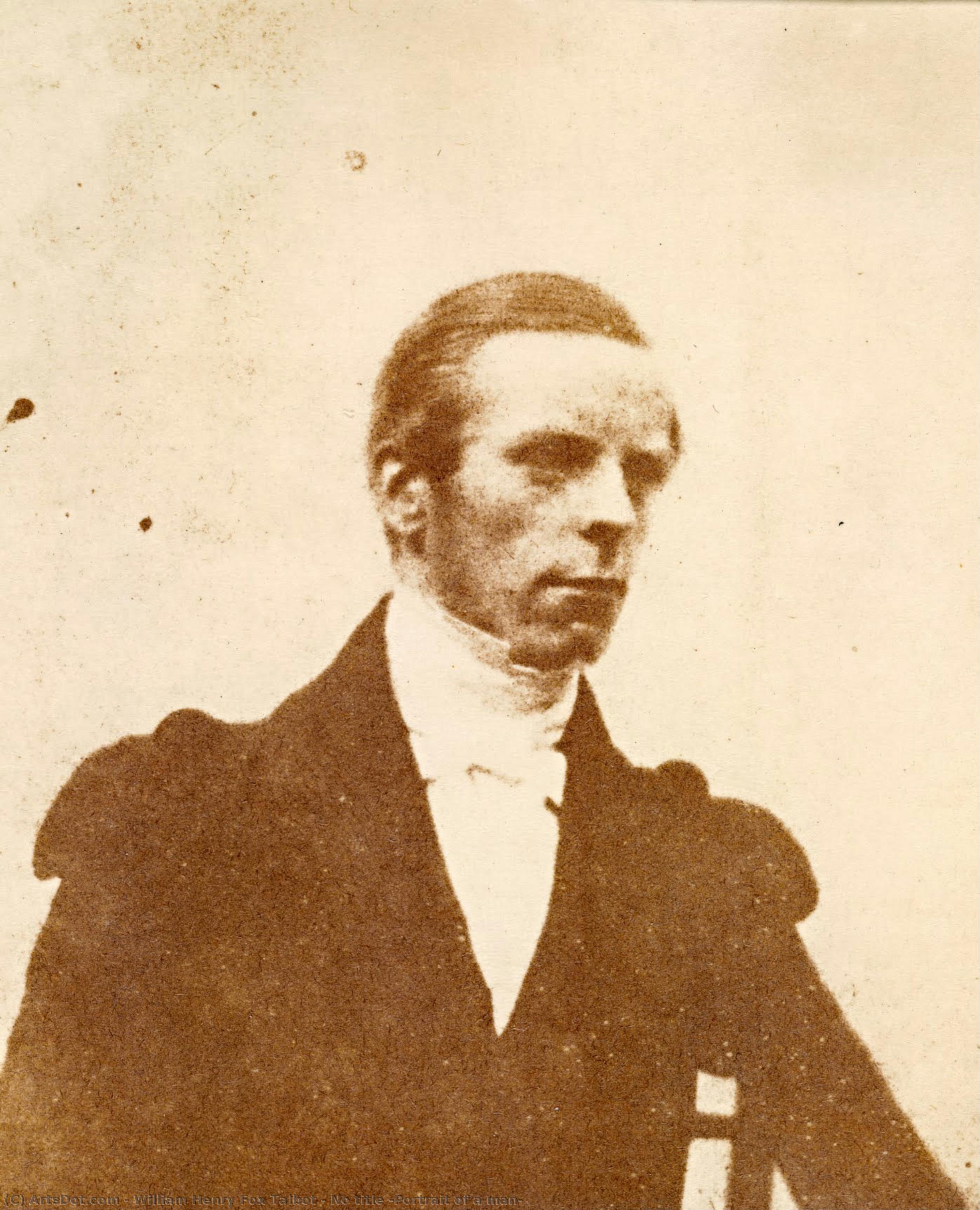
No title (Portrait of a man)
 Acrylic On Canvas
- WallArt
- Baroque
 1843
1843 7.0 x 6.0 cm
 National Gallery of Victoria
 Read More
Hand Made Oil Reproduction
Hand-painted oil on canvas in your size and frame, made to order by our artists. ( Buy Print Buy Image)




P118B $10

P118H $10

P118W $10

P438Z $10

P508JH $12

P508YH $12

P805H $10

P805Z $10

P919BZ $10

P919G $10

P919XJ $10

P959ZH $10

P968JZ $12

W106C $8

W218G $10

W218JH $8

W218Y $10

W307PJ $10

W316G $10

W316PJ $8

W316Y $10

W398PJ $8

W4111J $10

W500HY $15

W500JH $15

W692G $12

W849H $8

W940BG $15

W953PJ $8




Pick from our preset sizes that match the artwork's original proportions.

You may enter your own dimensions to fit a specific frame or space. If your selected size does not match the original image's proportions, we will either crop the artwork or extend the painting with additional hand-painted elements. A digital mockup will be sent for your approval before production begins.
Please note that the on-screen preview does not reflect the actual cropping or extension. Only the mockup will accurately show the final composition.
While custom sizes are available, we recommend selecting a dimension from the predefined list to preserve the original proportions.
After order, ArtsDot.com team will email client for instructions and provide a mockup preview
Worldwide Delivery () in 3/4 weeks instead of standard 5 weeks. (23 August). No compromise on quality.

Free Worldwide Express Shipping

High-Quality Linen Canvas

Full Shipping Insurance

Customs Tax Refund Guarantee

True Color Matching Guarantee

60-Day Return Policy (Defects Only)

100% Money-Back Guarantee

Bulk Discount Offer
 Glass option is only available in size under 110 CM

No title (Portrait of a man)
Reproduction Medium
Reproduction Size
-


Total Price
$ 263
Artwork Description
A Glimpse of Victorian Dignity: William Henry Fox Talbot’s “No Title (Portrait of a Man)”
Within the hushed galleries of the National Gallery of Victoria resides a deceptively small, yet profoundly evocative image – “No Title (Portrait of a Man),” a salted paper print from 1843 by the pioneering photographer William Henry Fox Talbot. More than just a simple likeness, this photograph represents a pivotal moment in the history of visual representation, capturing not merely a man’s appearance but also a subtle suggestion of his character and the era he inhabited. It's a testament to Talbot’s ingenuity and a poignant window into Victorian society, offering a rare intimacy with a figure whose identity remains deliberately obscured – a deliberate choice that amplifies the portrait’s inherent mystery.
Talbot’s process, developed in the 1830s, was revolutionary. Unlike the daguerreotype, which produced a unique and unrepeatable image on a silvered plate, Talbot's calotype allowed for multiple prints to be made from a single negative. This innovation democratized photography, making it accessible beyond the realm of wealthy patrons and royal commissions. The photograph itself is remarkably detailed, showcasing Talbot’s meticulous attention to texture – the subtle wrinkles etched onto the man’s face, the fine weave of his dark robe, even the delicate folds in his elaborate headdress. The use of salted paper created a rich, slightly sepia-toned image, lending it an aged and dignified quality that speaks directly to the Victorian aesthetic.
Decoding the Man: Symbolism and Context
The subject himself is shrouded in gentle ambiguity. He’s depicted in three-quarter profile, his gaze direct and unwavering – a characteristic often interpreted as a sign of confidence or perhaps even a touch of melancholy. His attire—a dark purple and brown robe lined with fur—suggests wealth and status, placing him firmly within the upper echelons of Victorian society. The prominent headdress, resembling a chaperon (a decorative head covering worn by women), is particularly intriguing. While seemingly an accessory, it subtly hints at a protective role, perhaps suggesting a man navigating social complexities or guarding against unwanted attention. The inscription on the frame – “Als Ich Can” – a playful pun referencing Talbot’s own name and skill, adds a layer of self-awareness to the portrait.
Considering the historical context, this photograph offers a valuable glimpse into Victorian values. The emphasis on formality, decorum, and social hierarchy is palpable. The man's composed demeanor reflects the expected restraint and seriousness often associated with the era. Furthermore, Talbot’s decision to omit a title underscores the Victorian fascination with privacy and the notion of an individual’s inherent worth being revealed through their appearance rather than their profession or lineage. The photograph isn’t about *who* he is, but *how* he presents himself – a subtle commentary on social performance.
The Legacy of a Pioneer
“No Title (Portrait of a Man)” stands as more than just a beautiful image; it's a foundational document in the history of photography. Talbot’s work laid the groundwork for modern photographic techniques, and his exploration of capturing fleeting moments with remarkable detail profoundly influenced generations of artists and photographers to come. His meticulous approach, combined with his willingness to experiment and challenge conventional methods, cemented his place as one of the true pioneers of the medium.
Today, this small but significant portrait continues to resonate with viewers. It’s a reminder that even in a single image, there's an abundance of stories waiting to be uncovered – tales of innovation, social observation, and the enduring power of visual representation. Reproductions by ArtsDot offer a chance to experience the artistry and historical significance of this remarkable piece, bringing its quiet dignity into your own home or studio.
Technical Details & Dimensions
The photograph is a salted paper print measuring 7 x 6 cm (approximately 2.75 x 2.36 inches). The image itself is circular at the top, creating an elegant and slightly unconventional composition. The use of silver nitrate in the printing process produced a subtle tonal range, enhancing the depth and texture of the portrait.
Artist: William Henry Fox Talbot
Birth Year: 1800
Death Year: 1877
Birth City: Melbury Trago
Birth Country: United Kingdom
Further Exploration
For deeper insights into William Henry Fox Talbot’s life and work, we encourage you to explore the following resources:
Related Artworks
Artist Biography
A Pioneer of the Photographic Image: The Life and Legacy of William Henry Fox Talbot
Born on February 11, 1800, at Melbury House in Dorset, England, William Henry Fox Talbot emerged as a pivotal figure in the nascent world of photography. His journey was not one solely dedicated to artistic pursuit; rather, it was a fascinating convergence of scientific inquiry, linguistic curiosity, and an innate desire to capture the fleeting beauty of the natural world. The only child of William Davenport Talbot and Lady Elisabeth Fox Strangways, he received a privileged education at Rottingdean, Harrow School, and Trinity College, Cambridge, where he distinguished himself as twelfth wrangler in mathematics – a testament to his analytical mind. This foundation in scientific rigor would prove crucial to his groundbreaking work. Though initially drawn to other fields like botany, chemistry, and even parliamentary service, it was an almost accidental frustration with the limitations of existing drawing aids that set him on the path toward revolutionizing image-making.From Photogenic Drawings to the Calotype: A Revolution in Reproduction
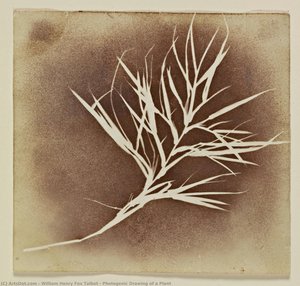
Talbot’s early experiments weren't driven by a desire to create art, but rather to find a more accurate method of visual documentation. Dissatisfied with the laborious and often inaccurate process of tracing images using tools like the camera lucida, he began exploring the possibilities of capturing light-sensitive impressions directly onto paper. This exploration led to his initial breakthrough: the “photogenic drawing” process, announced in 1839. This involved coating writing paper with silver chloride, creating a negative image when exposed to sunlight. While these early images – often botanical specimens or architectural details – were rudimentary and lacked detail, they represented a monumental first step. However, it was his subsequent invention of the calotype process in 1841 that truly cemented his place in history. Unlike earlier methods, the calotype utilized silver iodide and a developing agent to produce a translucent negative from which multiple positive prints could be made – a crucial innovation that laid the groundwork for modern photographic reproduction. This ability to create multiples distinguished Talbot’s work significantly from Louis Daguerre's daguerreotypes, which produced unique, highly detailed but non-reproducible images. The calotype wasn’t about perfect replication; it possessed a distinctive aesthetic quality – a softness and atmospheric depth that many found appealing.The Pencil of Nature and the Artistic Vision
Talbot didn't merely invent a new technology; he envisioned its potential as an artistic medium. He understood that photography could be more than just a scientific tool for documentation, but a means of creative expression. This conviction culminated in *The Pencil of Nature* (1844-1846), widely considered the first commercially published book illustrated with photographs. Each installment featured meticulously crafted salted paper prints made from his calotype negatives, showcasing scenes ranging from still lifes and botanical studies to architectural views of Oxford, Paris, Reading, and York. The work was a deliberate attempt to demonstrate the artistic possibilities of photography, challenging conventional notions of what constituted art. He wasn’t simply recording reality; he was interpreting it through a new lens – literally and figuratively. The images in *The Pencil of Nature* are imbued with a quiet dignity and a sense of timelessness, reflecting Talbot's own contemplative nature and his deep appreciation for the beauty of the world around him.Legacy and Influence: Paving the Way for Modern Photography
William Henry Fox Talbot’s contributions extended beyond the calotype process and *The Pencil of Nature*. He also pioneered photomechanical reproduction with his photoglyphic engraving process, a precursor to photogravure – a technique that allowed for the mass production of illustrated materials. His work faced initial resistance, partly due to his decision to patent the calotype process, which limited its accessibility and slowed its widespread adoption in Britain. However, his ideas eventually took root, influencing generations of photographers and artists. Though he didn’t live to see the full flowering of photography as a dominant art form, his foundational work provided the essential building blocks for its development. Today, Talbot's photographs are held in prestigious collections worldwide, including the Museum Folkwang in Essen, Germany, and serve as powerful reminders of his visionary spirit and enduring legacy. He stands not only as an inventor but as a true pioneer who fundamentally altered our relationship with images and forever changed the way we perceive and document the world around us. His work continues to inspire artists and scientists alike, demonstrating the profound impact that one individual can have on the course of history.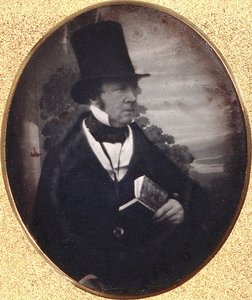
William Henry Fox Talbot
1800 - 1877 , United Kingdom
Quick Facts
- Artistic Movement Or Style: Early Photography
- Artists Or Movements Influenced By This Artist: ['Modern photography']
- Date Of Birth: February 11, 1800
- Date Of Death: 1877
- Full Name: William Henry Fox Talbot
- Nationality: British
- Notable Artworks:
- Photogenic Drawing of a Plant
- Two Plant Specimens
- Pencil of Nature
- Place Of Birth: Melbury, United Kingdom
Related Articles

Monochrome Visions: Exploring the Aesthetic & Historical Significance of Black & White Photography
Explore the rich history & artistic power of black and white photography. From early techniques to iconic masters like Ansel Adams, discover why monochrome continues to captivate art lovers today. Expert insights for collectors.

White on Canvas: 10 Masterpieces & Timeless Elegance for Your Home Decor
Explore 10 iconic white paintings by Monet, Whistler & Rothko! Discover the stories behind these serene masterpieces and their impact on art history. Find museum-quality reproductions for your home decor at .

Beyond the Lens: Photography's Enduring Influence on Modern & Contemporary Art
Explore photography's pivotal role in shaping modern & contemporary art. Discover key movements, influential artists like Stieglitz, and expert collecting advice from ArtsDot.

Dark Masterpieces: 10 Iconic Paintings Dominated by Black Tones |
Explore 10 iconic paintings dominated by black tones, from Rembrandt’s chiaroscuro to Goya's dark expressions. Discover the stories behind these masterpieces & find museum-quality art reproductions for your home at .

Pictorialism: A Search for Artistic Photography's Soul – Aesthetics, Techniques & Legacy
Explore the captivating world of Pictorialism – a pivotal movement that transformed photography into fine art. Discover key artists like Stieglitz & Käsebier, techniques, and collecting tips from experts.