

 Preview
 Send
Send Share
Share
 Details

 Download
 Similars
 X-Ray
X-Ray Diaporama
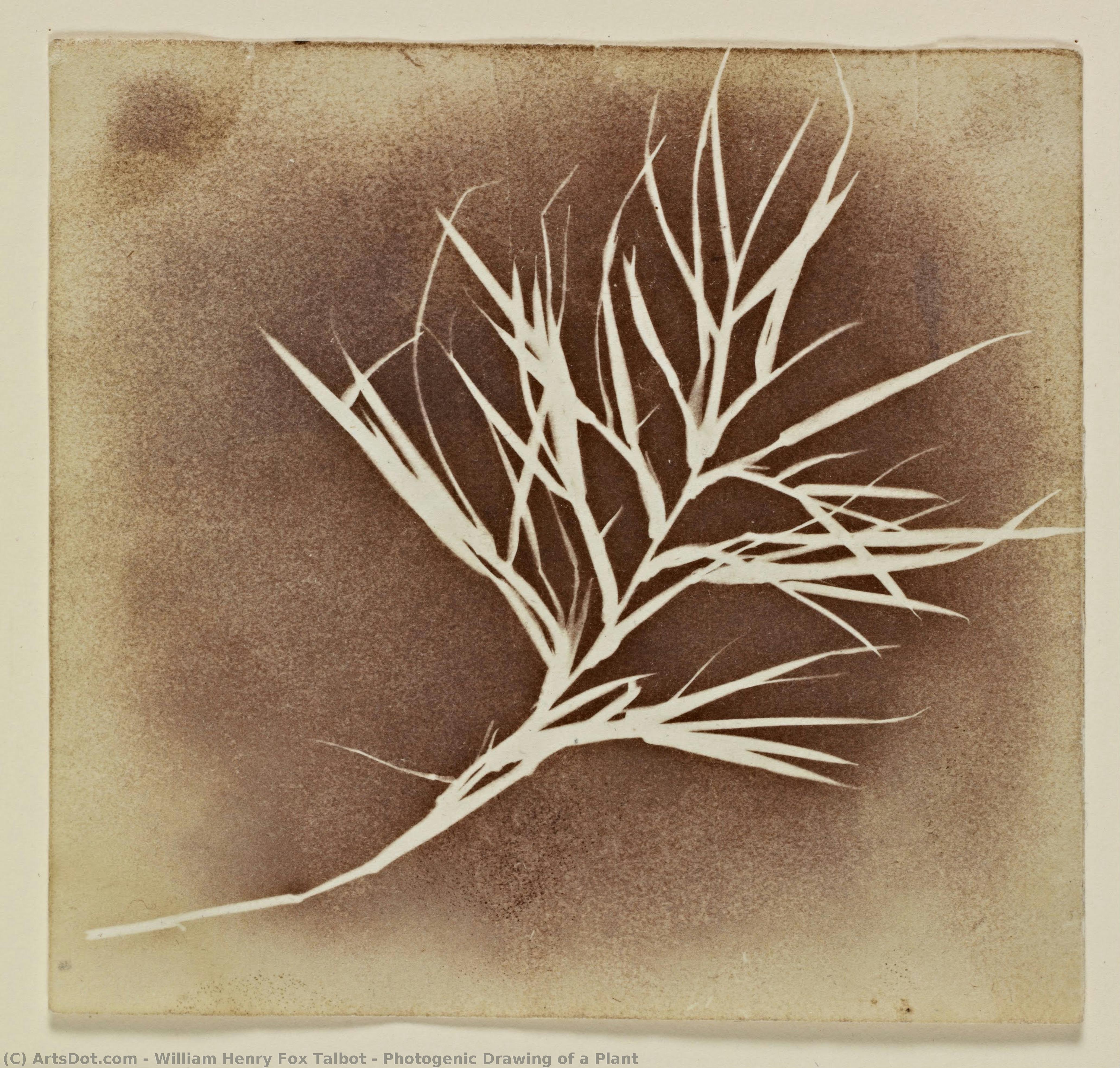
Photogenic Drawing of a Plant


 Read More
Purchase a high-resolution, enhanced digital image, far superior to the online preview.
Each file is meticulously prepared by our in-house specialists using advanced tools and expert manual retouching. We ensure every image has exceptional clarity, precise color accuracy, and fine detail.
The final file is delivered via email within 72 hours, optimized for immediate use in professional, editorial, and print environments. This is the same quality trusted by top-tier design studios, publishers, and galleries.
Digital Image
Download a high-resolution file for personal display, printing, and creative projects. ( Buy Print Buy Hand Made Painting)
Included in Every Digital Image Order
Expert Digital Delivery, Guaranteed
When you choose ArtsDot.com, you're not just getting an image - you're receiving a professionally enhanced digital artwork, crafted with precision and backed by a satisfaction guarantee. Here's everything that comes with your order, automatically:

Fast Email Delivery
Your high-resolution digital image file will be emailed to you within 72 hours of ordering - ready for immediate use.

AI-Enhanced Digital File
Your artwork is professionally optimized using advanced AI tools and manual editing, ensuring maximum detail, clarity, and color accuracy.

Free Lifetime Re-Delivery
Accidentally deleted or lost your file? No worries - we'll resend it to you anytime, free of charge.

No Import Fees - Ever
Enjoy your artwork instantly with zero customs, duties, or delivery fees - digital downloads are always tax-free.

Color Accuracy Guarantee
We ensure your digital image reflects the original colors as closely as possible using professional tools and color management.

60-Day Satisfaction Guarantee
If you're not satisfied with your digital image, we'll revise it or refund 100% within 60 days - no questions asked.

100% Money-Back Guarantee
Not satisfied? Get a full refund within 60 days of receiving your digital file - no questions asked.

Bulk Order Discounts
Buy 3 images, save 10% - Buy 5, save 15% - Buy 10+, save 20%. Great for creative projects, galleries, and agencies.
Collectible Description
A Pioneering Vision of Botanical Observation
The photograph presented here, “Photogenic Drawing of a Plant,” stands as an extraordinary testament to William Henry Fox Talbot’s unwavering dedication to merging scientific rigor with artistic sensibility—a hallmark of his groundbreaking contribution to the nascent field of photography. Executed in 1839-40, this salted paper print transcends mere documentation; it embodies a profound fascination for the natural world and represents one of the earliest instances of capturing plant life through the transformative medium of light and chemical processes. Talbot’s meticulous approach began with a desire to overcome the limitations inherent in traditional botanical illustration. Artists painstakingly rendering plants often struggled to convey their true form, sacrificing accuracy for aesthetic appeal. Recognizing this challenge, Talbot embarked on an ambitious project: to produce images that faithfully reproduced the appearance of specimens without resorting to artistic embellishment. He achieved this remarkable feat by utilizing a technique pioneered by Nicéphore Niépce—the calotype process—which involved coating paper with bitumen and exposing it to sunlight for several hours. This method yielded negatives that could be used to create multiple prints, ensuring consistency and preserving the delicate nuances of texture and form. The subject matter itself – a solitary plant branch – is deceptively simple yet powerfully evocative. The photograph’s monochrome palette emphasizes the textural qualities of the bark and branches, highlighting their intricate patterns and contours. Careful attention to detail reveals subtle variations in shading that contribute to the overall impression of dryness and decay—a poignant reminder of the cyclical nature of life and death within the botanical realm. The composition is deliberately understated, prioritizing clarity and precision over dramatic visual effects. This deliberate restraint underscores Talbot’s belief that beauty could be found not only in idealized representations but also in honest portrayals of reality. Beyond its technical accomplishment, “Photogenic Drawing of a Plant” carries significant symbolic weight. It reflects the Enlightenment spirit of observation and experimentation—a conviction that knowledge is gained through careful study and meticulous recording. Talbot’s work anticipates the rise of scientific botany and foreshadows the broader acceptance of photography as a tool for artistic expression and scholarly inquiry. The image serves as an enduring emblem of the transformative potential of new technologies to illuminate our understanding of both the natural world and the creative process itself. Furthermore, consider its impact on interior design. Reproductions of Talbot’s photograph can bring a touch of Victorian elegance and scientific curiosity into contemporary spaces. Its muted tones and textural details resonate with current trends favoring organic materials and understated palettes—a subtle nod to the enduring legacy of this pioneering image maker.Related Artworks

Artist Biography
A Pioneer of the Photographic Image: The Life and Legacy of William Henry Fox Talbot
Born on February 11, 1800, at Melbury House in Dorset, England, William Henry Fox Talbot emerged as a pivotal figure in the nascent world of photography. His journey was not one solely dedicated to artistic pursuit; rather, it was a fascinating convergence of scientific inquiry, linguistic curiosity, and an innate desire to capture the fleeting beauty of the natural world. The only child of William Davenport Talbot and Lady Elisabeth Fox Strangways, he received a privileged education at Rottingdean, Harrow School, and Trinity College, Cambridge, where he distinguished himself as twelfth wrangler in mathematics – a testament to his analytical mind. This foundation in scientific rigor would prove crucial to his groundbreaking work. Though initially drawn to other fields like botany, chemistry, and even parliamentary service, it was an almost accidental frustration with the limitations of existing drawing aids that set him on the path toward revolutionizing image-making.From Photogenic Drawings to the Calotype: A Revolution in Reproduction
Talbot’s early experiments weren't driven by a desire to create art, but rather to find a more accurate method of visual documentation. Dissatisfied with the laborious and often inaccurate process of tracing images using tools like the camera lucida, he began exploring the possibilities of capturing light-sensitive impressions directly onto paper. This exploration led to his initial breakthrough: the “photogenic drawing” process, announced in 1839. This involved coating writing paper with silver chloride, creating a negative image when exposed to sunlight. While these early images – often botanical specimens or architectural details – were rudimentary and lacked detail, they represented a monumental first step. However, it was his subsequent invention of the calotype process in 1841 that truly cemented his place in history. Unlike earlier methods, the calotype utilized silver iodide and a developing agent to produce a translucent negative from which multiple positive prints could be made – a crucial innovation that laid the groundwork for modern photographic reproduction. This ability to create multiples distinguished Talbot’s work significantly from Louis Daguerre's daguerreotypes, which produced unique, highly detailed but non-reproducible images. The calotype wasn’t about perfect replication; it possessed a distinctive aesthetic quality – a softness and atmospheric depth that many found appealing.The Pencil of Nature and the Artistic Vision
Talbot didn't merely invent a new technology; he envisioned its potential as an artistic medium. He understood that photography could be more than just a scientific tool for documentation, but a means of creative expression. This conviction culminated in *The Pencil of Nature* (1844-1846), widely considered the first commercially published book illustrated with photographs. Each installment featured meticulously crafted salted paper prints made from his calotype negatives, showcasing scenes ranging from still lifes and botanical studies to architectural views of Oxford, Paris, Reading, and York. The work was a deliberate attempt to demonstrate the artistic possibilities of photography, challenging conventional notions of what constituted art. He wasn’t simply recording reality; he was interpreting it through a new lens – literally and figuratively. The images in *The Pencil of Nature* are imbued with a quiet dignity and a sense of timelessness, reflecting Talbot's own contemplative nature and his deep appreciation for the beauty of the world around him.Legacy and Influence: Paving the Way for Modern Photography
William Henry Fox Talbot’s contributions extended beyond the calotype process and *The Pencil of Nature*. He also pioneered photomechanical reproduction with his photoglyphic engraving process, a precursor to photogravure – a technique that allowed for the mass production of illustrated materials. His work faced initial resistance, partly due to his decision to patent the calotype process, which limited its accessibility and slowed its widespread adoption in Britain. However, his ideas eventually took root, influencing generations of photographers and artists. Though he didn’t live to see the full flowering of photography as a dominant art form, his foundational work provided the essential building blocks for its development. Today, Talbot's photographs are held in prestigious collections worldwide, including the Museum Folkwang in Essen, Germany, and serve as powerful reminders of his visionary spirit and enduring legacy. He stands not only as an inventor but as a true pioneer who fundamentally altered our relationship with images and forever changed the way we perceive and document the world around us. His work continues to inspire artists and scientists alike, demonstrating the profound impact that one individual can have on the course of history.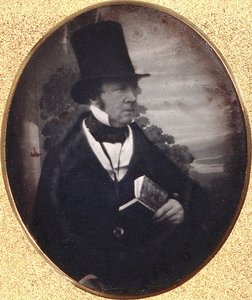
William Henry Fox Talbot
1800 - 1877 , United Kingdom
Quick Facts
- Artistic Movement Or Style: Early Photography
- Artists Or Movements Influenced By This Artist: ['Modern photography']
- Date Of Birth: February 11, 1800
- Date Of Death: 1877
- Full Name: William Henry Fox Talbot
- Nationality: British
- Notable Artworks:
- Photogenic Drawing of a Plant
- Two Plant Specimens
- Pencil of Nature
- Place Of Birth: Melbury, United Kingdom

