 Preview
 Send
Send Share
Share
 Details

 Download
 Similars
 X-Ray
X-Ray Diaporama
 Stats
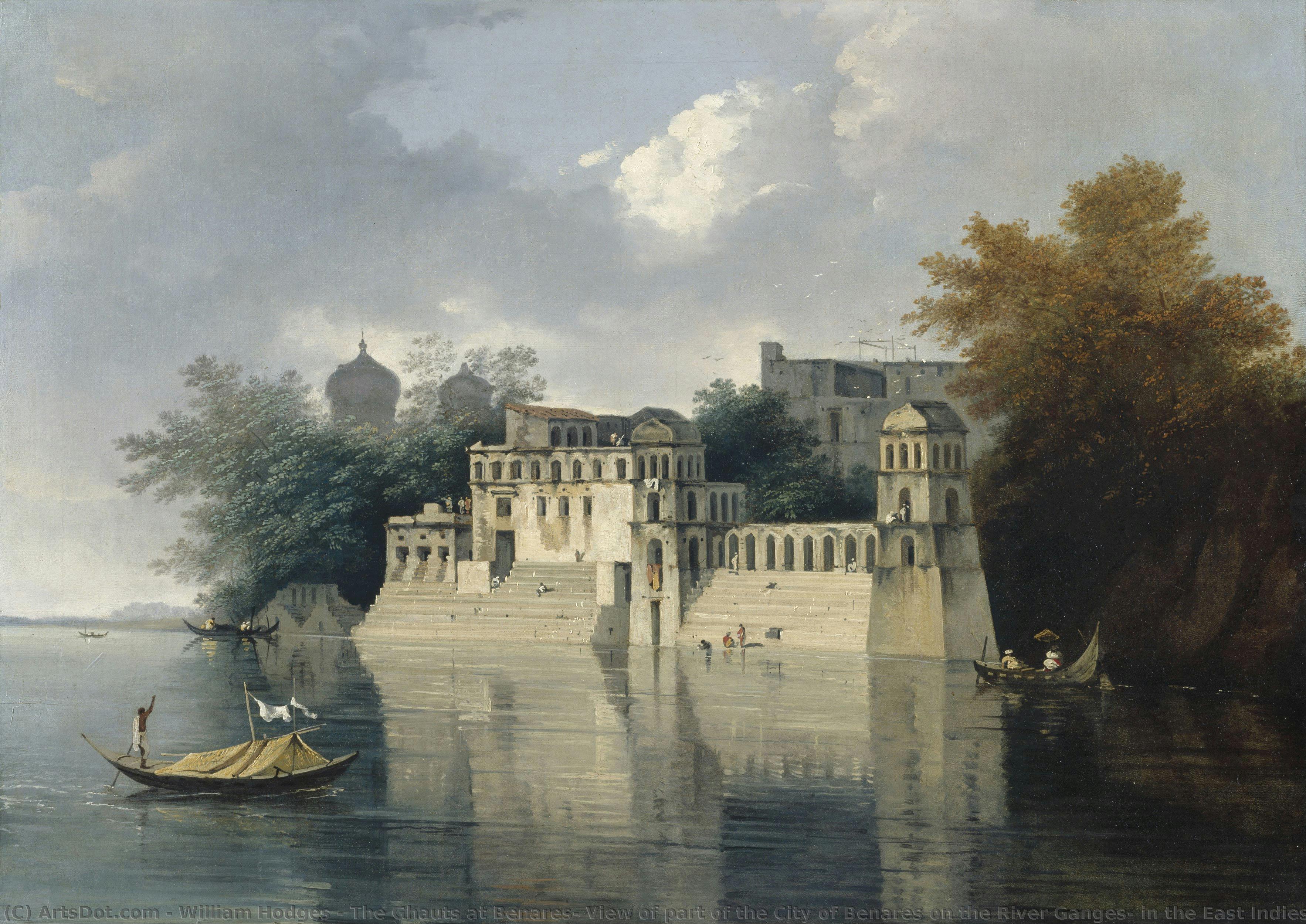
StatsThe Ghauts at Benares; View of part of the City of Benares on the River Ganges, in the East Indies; The Ghats at Benares


 Read More
Giclée / Art Print
Museum-quality giclée or canvas print with fast production and flexible finish options. ( Buy Hand Made Painting Switch to Digital Image)




P118B $10

P118H $10

P118W $10

P438Z $10

P508JH $12

P508YH $12

P805H $10

P805Z $10

P919BZ $10

P919G $10

P919XJ $10

P959ZH $10

P968JZ $12

W106C $8

W218G $10

W218JH $8

W218Y $10

W307PJ $10

W316G $10

W316PJ $8

W316Y $10

W398PJ $8

W4111J $10

W500HY $15

W500JH $15

W692G $12

W849H $8

W940BG $15

W953PJ $8




Pick from our preset sizes that match the artwork's original proportions.

You may enter your own dimensions to fit a specific frame or space. If your selected size does not match the original image's proportions, we will either crop the artwork or extend the image with a mirrored or solid-fill edge. A digital mockup will be sent for your approval before production begins.
Please note that the on-screen preview does not reflect the actual cropping or extension. Only the mockup will accurately show the final composition.
While custom sizes are available, we recommend selecting a dimension from the predefined list to preserve the original proportions.
Worldwide Delivery () in 2 weeks instead of standard 4/5 weeks. (9 September)

Free Worldwide Express Shipping

High-Quality Linen Canvas

Full Shipping Insurance

Customs Tax Refund Guarantee

True Color Matching Guarantee

100-Day Return Policy (Defects Only)

100% Money-Back Guarantee

Bulk Discount Offer
 Glass option is only available in size under 110 CM

The Ghauts at Benares; View of part of the City of Benares on the River Ganges, in the East Indies; The Ghats at Benares
Giclée / Art Print
Reproduction Size
-


Total Price
$ 63
William Hodges’ ‘The Ghauts at Benares’: A Window into Colonial India
William Hodges' “The Ghauts at Benares” is more than just a depiction of a riverside scene; it’s a poignant artifact of the early British colonial experience in India. Painted in 1787, this work offers a rare and complex glimpse into a world on the cusp of transformation – a world viewed through the lens of European idealism and, perhaps, a troubling degree of detachment. Hodges, the first professional British landscape painter to document India during its colonization by the East India Company, embarked on a journey from 1780 to 1783, accompanied by Governor-General Warren Hastings. His intention was to record the ‘pure Hindoo manners’ he encountered, yet his artistic choices reveal a fascinating interplay between observation and interpretation, reality and romanticized fantasy.
- Subject Matter: The painting focuses on the ghats – the steep steps leading down to the River Ganges – at Benares (Varanasi), a city of immense religious significance. These ghats were vital for ritual bathing and ceremonies, forming the heart of daily life in the ancient city.
- Composition: Hodges employs a Neoclassical compositional arrangement, characteristic of the era, with a prominent castle or fortress dominating the hilltop, providing a sense of grandeur and order. This deliberate structuring reflects European artistic conventions rather than an entirely naturalistic representation.
Neoclassical Technique and the Imposition of Ideals
Hodges’ technique is meticulously executed, demonstrating a mastery of oil painting that was valued in London at the time. However, his approach diverges significantly from simple documentation. He applied European Neoclassical painting conventions to the compositional arrangement and finish, creating a polished picturesque scene rather than an accurate one. The use of light and shadow, the carefully arranged architecture, and the overall sense of serenity are all hallmarks of this style – a style that prioritized aesthetic appeal over strict realism. This is not a snapshot of Benares as it truly was; instead, it’s a constructed vision, shaped by European artistic sensibilities.
- Color Palette: The painting utilizes a rich and vibrant color palette, typical of the Neoclassical style, emphasizing blues, greens, and ochre tones to evoke the colors of the Ganges River and the surrounding landscape.
- Brushwork: Hodges’ brushwork is smooth and refined, contributing to the polished appearance of the scene. This contrasts with potentially rougher, more expressive techniques favored by some contemporary artists.
Symbolism and the Colonial Gaze
“The Ghauts at Benares” speaks volumes about the colonial gaze – the way in which European observers interpreted and represented non-European cultures. Hodges’ fascination with ‘pure Hindoo manners’ suggests a desire to find evidence of an idealized, timeless civilization, free from the perceived corruption of modernity. The castle itself can be seen as a symbol of British power and control, subtly asserting dominance over the landscape and its inhabitants. The painting ultimately serves as a testament to the romanticized – and arguably distorted – view of India that fueled British imperial ambitions.
A Reproduction for Your Collection
ArtsDot offers a meticulously crafted hand-painted reproduction of William Hodges’ “The Ghauts at Benares,” capturing the essence of this historically significant artwork. This reproduction allows you to bring this captivating scene into your home or office, offering a unique conversation piece and a tangible connection to a pivotal moment in art history and colonial exploration. The detail and color fidelity are exceptional, faithfully recreating Hodges’ masterful technique and evocative vision.
Related Artworks




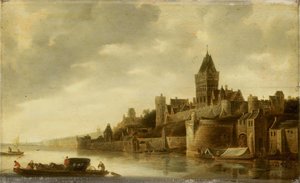
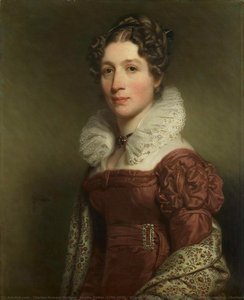
Artist Biography
Joseph Parry: A Manchester Master of Everyday Life
Born in Liverpool in 1744, Joseph Parry’s artistic journey began humbly, apprenticed to a ship and house painter – a trade that instilled in him an acute observation of the world around him. However, this practical foundation served merely as a springboard for his true passion: capturing the vibrant tapestry of life within burgeoning urban centers. While his early years were rooted in traditional craftsmanship, Parry’s spirit yearned for something more, leading him to dedicate his leisure hours to the study of art and ultimately establishing himself as ‘Father of Art’ in Manchester – a title earned through his prolific depictions of city scenes and portraits.
Parry's artistic development was significantly shaped by the prevailing trends of the late 18th century. The influence of artists like David Allan, whose work focused on capturing the spirit of everyday life with a keen eye for detail and dramatic composition, is evident in Parry’s own style. Allan’s focus on portraying scenes from ordinary people's lives – merchants, laborers, and social gatherings – resonated deeply with Parry, inspiring him to similarly explore the nuances of Manchester society. The meticulous observation characteristic of Allan’s work—a hallmark of his approach—can be seen mirrored in Parry’s detailed renderings of the Old Market and Shambles, a bustling hub teeming with activity and commerce.
His most celebrated works often featured large crowds, demanding an extraordinary level of skill. “Eccles Wake,” for instance, stands as a testament to his ability – a sprawling composition containing no fewer than 200 individual figures, each rendered with remarkable precision and attention to detail. This ambitious undertaking demonstrates not only Parry’s technical prowess but also his commitment to documenting the social fabric of Manchester at the time. Furthermore, Parry's foray into portraiture showcased his talent for capturing personality and likeness, as evidenced by his self-portrait etched in limited impressions – a rare and valuable artifact reflecting his artistic ambition.
Family & Artistic Legacy
Parry’s family played a crucial role in shaping his artistic lineage. His son, David Henry Parry, inherited his father's passion for art and continued the tradition of documenting Manchester life. David Henry studied under his father, absorbing his techniques and developing his own distinctive style. He married Elizabeth Smallwood and later moved to London, where he tragically died just a year after his father. The family’s artistic legacy extended beyond David Henry, with his younger brother, James Parry, also pursuing a career as an artist and engraver, specializing in Lancashire scenes.
Charles James Parry, the youngest son, followed in the footsteps of his predecessors, demonstrating an early aptitude for landscape painting. His work, characterized by its vibrant colors and evocative depictions of the surrounding countryside, found a ready audience. His life was marked by both artistic pursuits and a commitment to the woollen industry, reflecting the economic realities of Manchester at the time. The legacy continued through his sons, Charles James and David Henry Parry, both artists who carried on the family tradition.
Manchester: A Canvas for Observation
Parry’s most significant contribution lies in his portrayal of Manchester itself. He wasn't interested in grand historical narratives or idealized landscapes; instead, he focused on capturing the everyday realities of city life – the bustling markets, the crowded streets, and the diverse social interactions that defined the urban experience. His paintings offer a remarkably detailed and intimate glimpse into 18th-century Manchester, providing invaluable insights into the lives of its inhabitants. Works like “The Old Market and Shambles” are not merely depictions of buildings and people; they are windows into a specific time and place, imbued with the energy and spirit of a rapidly growing city.
His artistic eye was particularly attuned to capturing the atmosphere of social gatherings – events like "Eccles Wake" providing a rich tapestry of human interaction. These scenes were not simply records of events; they were explorations of community, tradition, and the rhythms of daily life. Parry’s ability to translate these observations onto canvas cemented his reputation as a keen observer and a skilled artist.
Historical Context & Significance
Joseph Parry's work is inextricably linked to the broader artistic and social context of 18th-century Britain. The rise of urban centers like Manchester presented new opportunities for artists, who were increasingly tasked with documenting the changing landscape and the evolving lives of its inhabitants. Parry’s focus on depicting everyday life aligned with a growing interest in realism and social commentary within the art world – a trend exemplified by artists such as Hogarth. His work stands as an important example of this shift, offering a valuable record of Manchester's transformation during a period of significant growth and change.
Furthermore, Parry’s artistic output reflects the burgeoning commercial art scene in cities like Manchester. His paintings were not created solely for personal enjoyment; they were also commissioned by patrons – merchants, landowners, and members of the local elite – who sought to adorn their homes and offices with depictions of their city and its people. This demand fueled Parry’s artistic productivity and contributed to his status as a respected artist within the community.
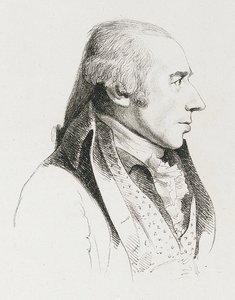
william hodges
1744 - 1797 , United Kingdom
Quick Facts
- Artistic Movement Or Style: Portraiture, genre scenes
- Artists Who Influenced This Artist: ['None],\n "Artists or movements influenced by this artist": ["Wilkie"]\n}']
- Date Of Birth: 1744
- Date Of Death: 1826
- Full Name: Joseph Parry
- Nationality: Welsh
- Notable Artworks:
- The Old Market & Shambles
- Eccles Wake
- Place Of Birth: Liverpool, Wales
Related Articles

Evoking Atmosphere & Identity: A Journey Through Landscape Painting's History
Explore the rich history of landscape painting! Discover renowned artists, movements like Romanticism, & techniques such as atmospheric perspective. Find inspiration and quality reproductions at ArtsDot.

Evocations of Place: A Historical Journey Through Landscape Art
Explore the rich history of landscape art with ArtsDot. Discover renowned artists, movements like Impressionism & Romanticism, and expert guidance for collecting timeless pieces. Find your perfect serene escape today!
Evocations of Place: A Historical Journey Through Landscape Art
Explore the rich history of landscape art with ArtsDot. Discover renowned artists, movements like Impressionism & tonalism, and expert guidance for collecting timeless pieces. Find your perfect serene escape today!

John Constable's Masterpieces: Explore 25 Iconic Landscapes for Your Home
Journey through John Constable's 25 most celebrated landscapes. Explore Romanticism, Dedham Vale & his masterful use of light in iconic paintings like 'Hay Wain'. Find museum-quality art reproductions and elevate your home decor on ArtsDot.com.

Romantic Landscapes: 10 Masterpieces for Your Home | ArtsDot
Journey through 10 Romantic landscape masterpieces by Friedrich, Turner & Cole. Explore emotional art, sublime nature scenes & iconic 19th-century paintings. Find museum-quality reproductions for your home at ArtsDot.com – discover the full collection online!
![[Waterfall in Dusky Bay with Maori canoe]](/media/artworks/images-thumb/07/9b/079b01c8b3857b7a6d1030779a4e7ad7.jpg)