

 Send
Send Share
Share
 Details

 Download
 Similars
 Diaporama
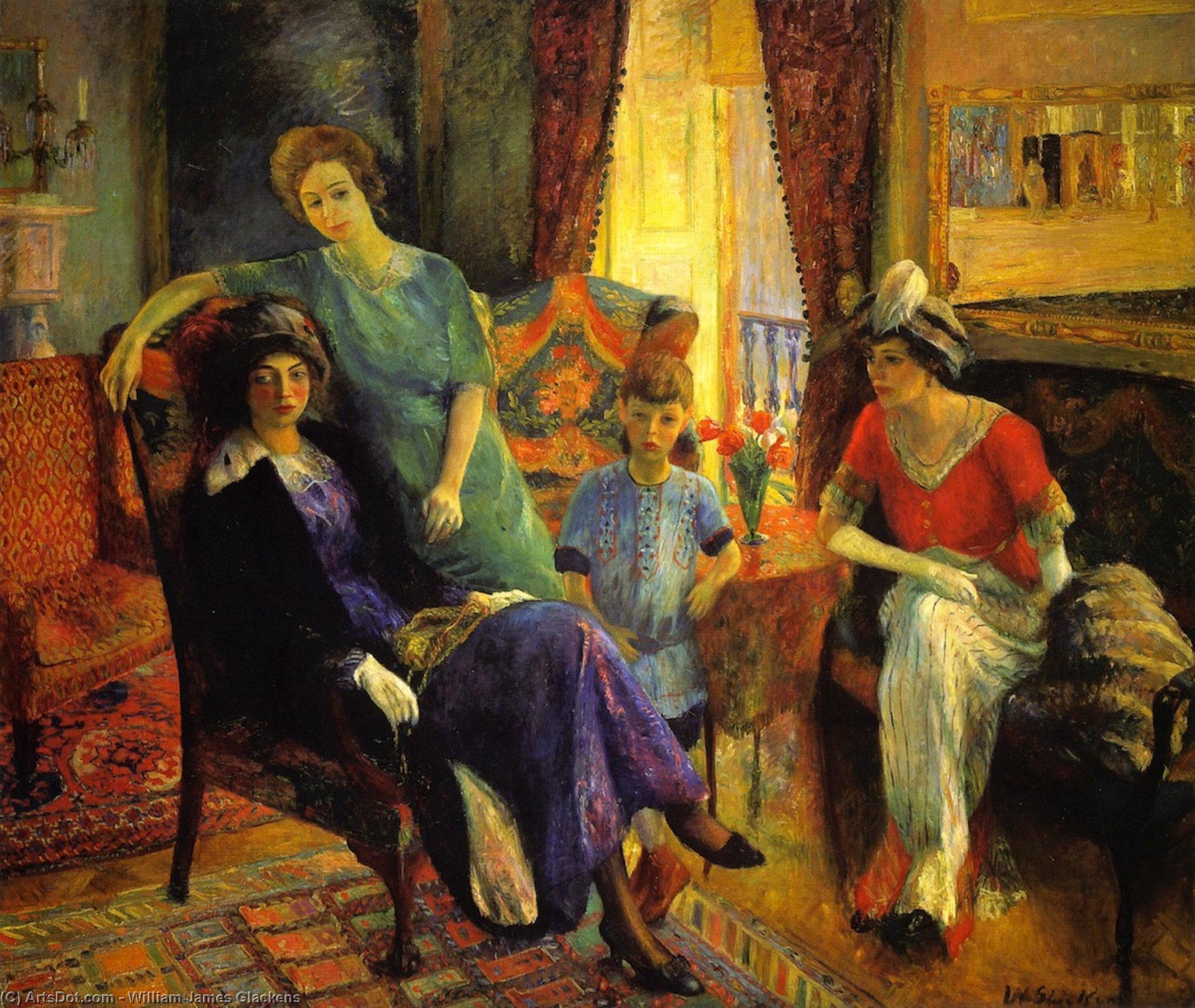
Family group


 Read More
Purchase a high-resolution, enhanced digital image, far superior to the online preview.
Each file is meticulously prepared by our in-house specialists using advanced tools and expert manual retouching. We ensure every image has exceptional clarity, precise color accuracy, and fine detail.
The final file is delivered via email within 72 hours, optimized for immediate use in professional, editorial, and print environments. This is the same quality trusted by top-tier design studios, publishers, and galleries.
Digital Image
Download a high-resolution file for personal display, printing, and creative projects. ( Buy Print Buy Hand Made Painting)
Included in Every Digital Image Order
Expert Digital Delivery, Guaranteed
When you choose ArtsDot.com, you're not just getting an image - you're receiving a professionally enhanced digital artwork, crafted with precision and backed by a satisfaction guarantee. Here's everything that comes with your order, automatically:

Fast Email Delivery
Your high-resolution digital image file will be emailed to you within 72 hours of ordering - ready for immediate use.

AI-Enhanced Digital File
Your artwork is professionally optimized using advanced AI tools and manual editing, ensuring maximum detail, clarity, and color accuracy.

Free Lifetime Re-Delivery
Accidentally deleted or lost your file? No worries - we'll resend it to you anytime, free of charge.

No Import Fees - Ever
Enjoy your artwork instantly with zero customs, duties, or delivery fees - digital downloads are always tax-free.

Color Accuracy Guarantee
We ensure your digital image reflects the original colors as closely as possible using professional tools and color management.

60-Day Satisfaction Guarantee
If you're not satisfied with your digital image, we'll revise it or refund 100% within 60 days - no questions asked.

100% Money-Back Guarantee
Not satisfied? Get a full refund within 60 days of receiving your digital file - no questions asked.

Bulk Order Discounts
Buy 3 images, save 10% - Buy 5, save 15% - Buy 10+, save 20%. Great for creative projects, galleries, and agencies.
Collectible Description
Family Group (1950) - Henry Moore
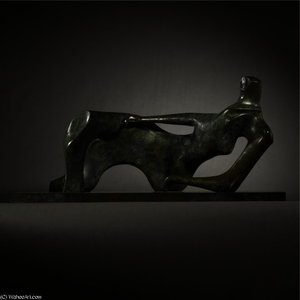
Henry Moore’s “Family Group,” created in 1950, stands as a cornerstone of British sculpture and exemplifies the artist's signature approach to exploring human form and its relationship with landscape. Commissioned for Barclay School in Stevenage, Hertfordshire, this monumental bronze embodies Moore’s profound belief that art should communicate universal themes of intimacy, vulnerability, and connection—themes powerfully conveyed through his distinctive reductive style.The Artist and His Style: A Pioneer of Organic Form
Henry Moore (1898-1976) was a transformative figure in 20th-century sculpture, rejecting the prevailing geometric abstraction of his time to champion an aesthetic rooted in nature’s contours. Influenced by Surrealism and African art—particularly sculptures depicting stylized human figures—Moore developed a technique known as “organic form,” characterized by simplified shapes that mimic natural forms like pebbles, shells, and tree trunks. This method prioritizes the underlying structure of matter, reducing complex shapes to essential geometric elements while retaining their expressive qualities. Moore’s meticulous attention to detail—evident in the subtle curves and indentations of his sculptures—created a tactile experience for viewers, inviting contemplation on the beauty and resilience of human existence.A Symbol of Family Unity: Composition and Narrative
“Family Group” depicts three figures seated on a bench – a woman, a man, and a child – representing the idealized image of a nuclear family. The sculpture’s deliberate arrangement—the figures leaning slightly back towards each other, their arms curving inwards—creates a sense of warmth and interdependence. Moore famously described this gesture as “the arms of the mother and the father intertwine with the child forming a knot between them, tying the three into a family unity.” This symbolic depiction speaks to fundamental human desires for connection and protection, resonating deeply with audiences across generations. The positioning of the figures—slightly elevated from the bench—suggests a sense of serenity and stability, mirroring the enduring strength of familial bonds.Technique and Material: Bronze Casting – A Legacy of Precision
Moore’s masterful use of bronze casting represents a triumph of craftsmanship and embodies the artist's commitment to exploring material qualities. The sculpture was created using the lost wax method—a technique dating back millennia—which involves creating a detailed clay model, investing it in wax, melting away the wax to create a mold, pouring molten bronze into the mold, and painstakingly removing the solidified metal to reveal the finished piece. This process ensures exceptional accuracy and surface finish, allowing for subtle variations in texture and color that enhance the sculpture’s visual impact. The resulting bronze possesses an inherent luminosity and solidity—a testament to Moore's dedication to capturing both form and substance—creating a timeless artwork that continues to inspire admiration and contemplation.Historical Context: Postwar Britain and Artistic Renewal
“Family Group” emerged during a period of significant artistic renewal in postwar Britain, following the devastation of World War II. The commission for Barclay School reflected a broader effort to revitalize public spaces and foster optimism about the future—themes powerfully expressed through Moore’s sculptural explorations of human form and natural landscapes. This artwork stands as an emblem of British resilience and creativity, demonstrating Moore's ability to translate complex philosophical ideas into emotionally resonant visual experiences. Its enduring appeal underscores the power of art to communicate universal values and inspire a sense of wonder about the beauty of the natural world.Related Artworks
Artist Biography
a pioneer of the ashcan school
william james glackens, a prominent figure in american art, left an indelible mark on the canvas of history with his captivating realist paintings. born in philadelphia, pennsylvania, in 1870, glackens' artistic journey was a testament to his unwavering passion for capturing the essence of everyday life.early life and influences
glackens' early years were marked by an innate inclination towards art, which led him to enroll at the pennsylvania academy of the fine arts. under the tutelage of thomas anshutz, a renowned realist, glackens honed his skills, eventually becoming one of the founders of the ashcan school. this movement rejected the conventional boundaries of artistic beauty, instead focusing on the gritty realities of metropolitan life.artistic career
glackens' work is characterized by its dark-hued, vibrantly painted street scenes and depictions of daily life in pre-wwi new york and paris. his later pieces, influenced by renoir, showcased a brighter tone, reflecting his growth as an artist. notably, glackens also worked as an illustrator for newspapers and magazines in philadelphia and new york city.- view of haarlem with bleaching grounds, a painting by jacob isaakszoon van ruisdael (ruysdael), exemplifies the level of detail and craftsmanship that defines glackens' work. this piece is now part of the collection at the chrysler museum of art.
- glackens' own masterpiece, the shoppers, is a testament to his skill in capturing the essence of urban life. this painting can be found in the new realism collection at ArtsDot.com.
legacy and impact
glackens' contributions to american art are multifaceted, extending beyond his own work. he played a pivotal role in helping albert c. barnes acquire european paintings for the barnes foundation in philadelphia. this collection has become a cornerstone of american art history. key works and collections: * the shoppers (new realism, oil on canvas, chrysler museum of art) * view of haarlem with bleaching grounds (ruysdael, sforza castle, milan, italy) recommended reading: * [https://ArtsDot.com/@/william-james-glackens](https://ArtsDot.com/@/william-james-glackens) - explore the extensive collection of glackens' work on ArtsDot.com. * [https://en.wikipedia.org/wiki/william_glackens](https://en.wikipedia.org/wiki/william_glackens) - delve into the detailed biography of william james glackens on wikipedia.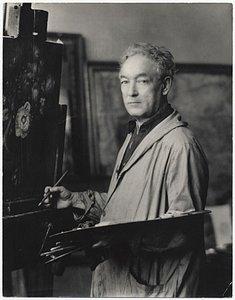
William James Glackens
1870 - 1938 , United States of America
Quick Facts
- Artistic Movement Or Style: Ashcan School
- Artists Or Movements Influenced By This Artist: ['Pierre Auguste Renoir']
- Artists Who Influenced This Artist: ['Thomas Anshutz']
- Date Of Birth: Philadelphia, United States of America (1870)
- Date Of Death: Westport, Connecticut (1938)
- Full Name: William James Glackens
- Nationality: American
- Notable Artworks:
- The Shoppers
- View of Haarlem with bleaching grounds
- Place Of Birth: Philadelphia

