 Preview
 Send
Send Share
Share
 Details

 Download
 Similars
 X-Ray
X-Ray Diaporama
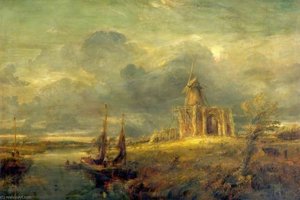
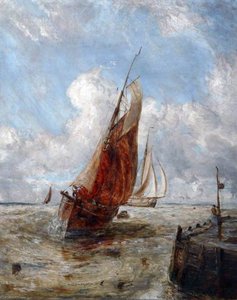
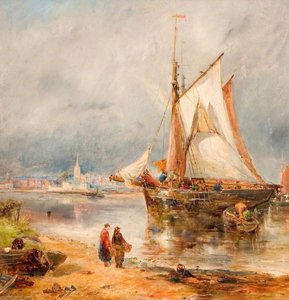
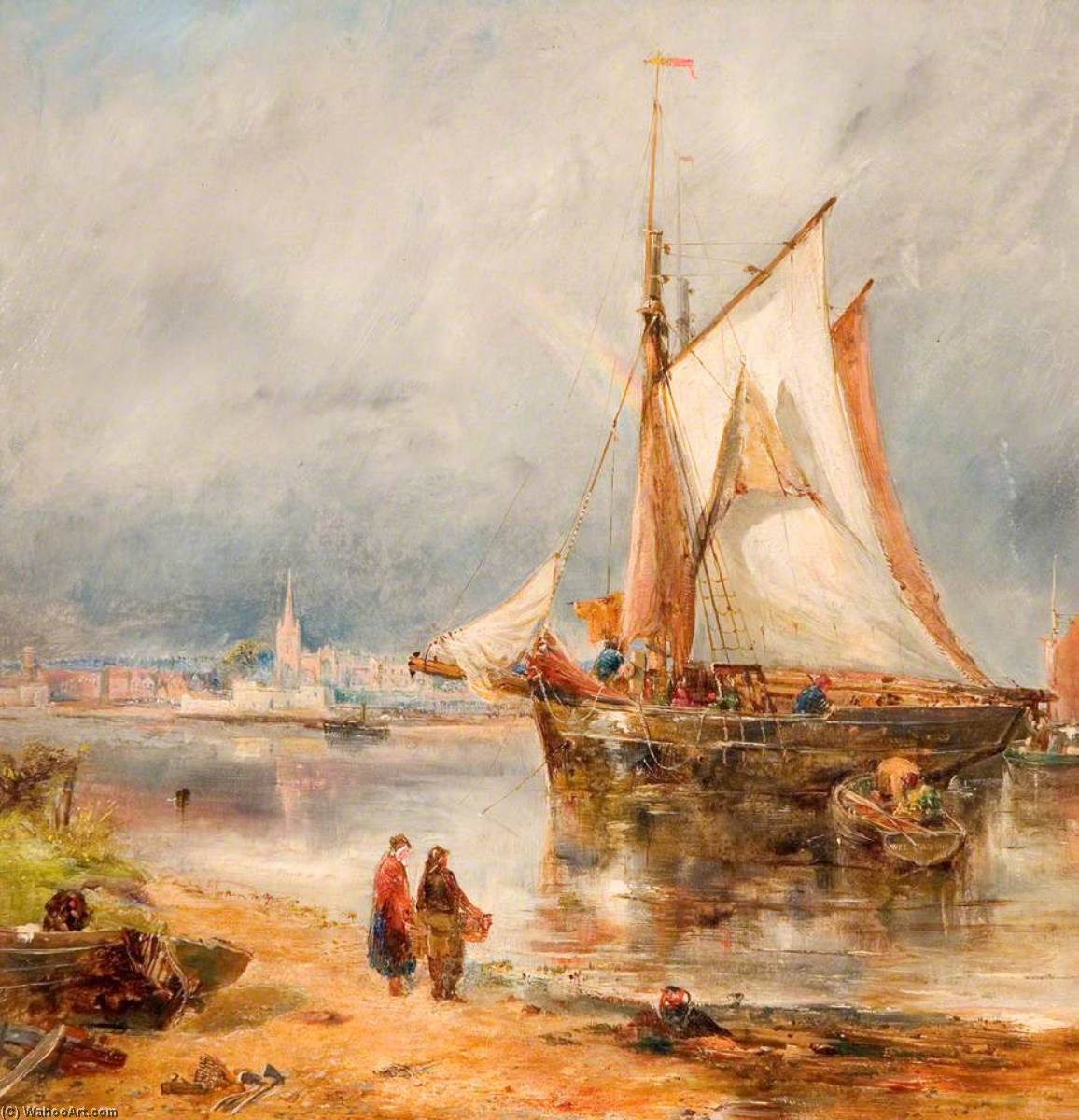
Fishing Boats in an Estuary
 Oil
Oil- WallArt
- Realism
 1914
1914- 19th Century
 31.0 x 31.0 cm
 Wolverhampton Art Gallery
 Read More
Hand Made Oil Reproduction
Hand-painted oil on canvas in your size and frame, made to order by our artists. ( Buy Print Buy Image)




P118B $10

P118H $10

P118W $10

P438Z $10

P508JH $12

P508YH $12

P805H $10

P805Z $10

P919BZ $10

P919G $10

P919XJ $10

P959ZH $10

P968JZ $12

W106C $8

W218G $10

W218JH $8

W218Y $10

W307PJ $10

W316G $10

W316PJ $8

W316Y $10

W398PJ $8

W4111J $10

W500HY $15

W500JH $15

W692G $12

W849H $8

W940BG $15

W953PJ $8




Pick from our preset sizes that match the artwork's original proportions.

You may enter your own dimensions to fit a specific frame or space. If your selected size does not match the original image's proportions, we will either crop the artwork or extend the painting with additional hand-painted elements. A digital mockup will be sent for your approval before production begins.
Please note that the on-screen preview does not reflect the actual cropping or extension. Only the mockup will accurately show the final composition.
While custom sizes are available, we recommend selecting a dimension from the predefined list to preserve the original proportions.
After order, ArtsDot.com team will email client for instructions and provide a mockup preview
Worldwide Delivery () in 3/4 weeks instead of standard 5 weeks. (28 August). No compromise on quality.

Free Worldwide Express Shipping

High-Quality Linen Canvas

Full Shipping Insurance

Customs Tax Refund Guarantee

True Color Matching Guarantee

60-Day Return Policy (Defects Only)

100% Money-Back Guarantee

Bulk Discount Offer
 Glass option is only available in size under 110 CM

Fishing Boats in an Estuary
Reproduction Medium
Reproduction Size
-


Total Price
$ 263
A Serene Moment Captured in Time
In the delicate interplay of light and water, Fishing Boats in an Estuary emerges as a profound testament to the tranquil beauty of coastal life. Painted in 1914 by the esteemed master William Joseph Julius Caesar Bond, this work invites the viewer into a peaceful afternoon by the Mersey Estuary. The composition is anchored by two vessels that navigate the gentle rhythms of the tide; a larger sailboat with its sails unfurled catches the soft light, while a smaller boat rests nearby, suggesting the quiet industry of maritime life. Through Bond’s masterful eye, the scene becomes more than just a landscape; it is a narrative of human connection to the sea, where the presence of figures—some clustered near the boats and others wandering the shoreline—adds a layer of lived experience to the vastness of the water.
The artist’s technique reflects his deep roots in the Liverpool School of landscape painting, characterized by a meticulous attention to atmospheric detail. One cannot help but be drawn to the subtle color accents that breathe life into the composition, most notably the striking red coat worn by a figure near the water's edge. This singular splash of warmth serves as a focal point, guiding the eye through the rhythmic movement of the waves and the soft textures of the sails. The brushwork is both precise and fluid, capturing the reflective quality of the estuary with such realism that one can almost feel the cool breeze and hear the gentle lapping of the water against the wooden hulls.
Historical Resonance and Aesthetic Elegance
Beyond its immediate visual charm, this painting carries a poignant historical weight. Created during the twilight of the Edwardian era, just as the world was on the precipice of monumental change, the work captures a sense of enduring stability and pastoral peace. Bond, a painter whose life was intimately tied to the coastal landscapes of Cheshire and Liverpool, utilizes his expertise to document a way of life that felt timeless even in 1914. The inclusion of small, everyday details—such as the handbag resting in the foreground—grounds the scene in reality, transforming a maritime study into an intimate portrait of a day spent among friends and family.
For the discerning collector or interior designer, this piece offers a sophisticated balance of tranquility and visual interest. Its soft palette and balanced composition make it an ideal centerpiece for spaces designed to evoke calm and contemplation. Whether placed in a sunlit gallery or a refined residential study, Fishing Boats in an Estuary provides a window into a bygone era of maritime grace. Owning a high-quality reproduction of this work allows one to bring the timeless, restorative spirit of the English coastline into the modern home, serving as a constant reminder of the beauty found in nature's quietest moments.
Related Artworks
Artist Biography
William Joseph Julius Caesar Bond (1833 – 1926): A Master of Liverpool’s Coastal Landscape
William Joseph Julius Caesar Bond was a pivotal figure in the burgeoning Liverpool School of landscape painting during the Victorian era. Born in Knotty Ash, Cheshire, he possessed an innate fascination with the dramatic beauty of the Mersey Estuary and its surrounding coastline – themes that would dominate his artistic output for over six decades. His meticulous observation combined with a masterful command of technique cemented his reputation as one of Britain’s foremost marine artists, securing him a place amongst the luminaries of his time.- Early Life & Education: Bond’s formative years were spent in a family steeped in artistic tradition. He received an early education focused on drawing and painting, nurtured by his father, who was himself a watercolourist. This familial influence undoubtedly instilled within him a lifelong dedication to capturing the essence of nature with precision and sensitivity. Although biographical details remain somewhat sparse, records indicate he studied at the Royal Academy in London, honing his skills alongside fellow artists and absorbing the prevailing artistic currents of the period.
The Liverpool School & Artistic Influences
Bond’s artistic journey coincided with the rise of the Liverpool School – a collective of painters who sought to depict the industrial landscape of Merseyside with an unprecedented level of realism and emotional depth. Unlike earlier Romantic landscapes that prioritized sublime grandeur, these artists aimed for a more nuanced portrayal of everyday life intertwined with natural beauty. Bond was particularly drawn to the Impressionist movement spearheaded by Claude Monet and Frédéric Bazille, absorbing their techniques of capturing fleeting moments of light and colour. This influence is evident in his canvases, where he skillfully blends brushstrokes to convey atmospheric conditions and subtle tonal variations—a hallmark of Liverpool School aesthetics.- Technique & Style: Bond’s artistic style was characterized by meticulous detail and a profound understanding of colour theory. He favoured watercolour as his primary medium, meticulously layering washes to build up luminous surfaces that captured the shimmering reflections on water. His compositions often featured panoramic vistas emphasizing horizontal lines, reflecting the expansive horizons of the Mersey Estuary. Unlike many contemporaries who relied on dramatic contrasts of light and shadow, Bond prioritized subtle gradations of tone—a deliberate choice designed to convey a sense of tranquility and authenticity.
Notable Works & Achievements
Bond’s prolific output yielded numerous celebrated paintings that continue to captivate audiences today. Among his most iconic creations are “Making the Harbour,” “Conway Castle,” and “Fishing Boats in an Estuary”—each offering a breathtaking glimpse into the coastal environment of Liverpool. These works exemplify his ability to transform observation into artistic expression, conveying not merely visual accuracy but also palpable emotion. His paintings were exhibited extensively throughout Britain and internationally, garnering critical acclaim and establishing him as a respected voice within the art world.- Legacy & Historical Significance: William Joseph Julius Caesar Bond’s contribution to British landscape painting is undeniable. He helped establish Liverpool as a centre for artistic innovation, shaping the aesthetic sensibilities of his era. His unwavering commitment to realism combined with an intuitive grasp of Impressionist principles ensured that his paintings would endure—serving as enduring reminders of Victorian Britain's fascination with its maritime heritage and its appreciation for the sublime beauty of the natural world. Today, Bond’s canvases reside in prestigious collections worldwide, guaranteeing his place amongst the giants of nineteenth-century art.
william joseph julius caesar bond
1833 - 1928
Quick Facts
- Artistic Movement Or Style: Liverpool School
- Date Of Birth: 1833
- Date Of Death: 1926
- Full Name: William Joseph Julius Caesar Bond
- Nationality: British
- Notable Artworks:
- Making the Harbour
- Conway Castle
- Fishing Boats in an Estuary
- Place Of Birth: Liverpool, England
Related Articles
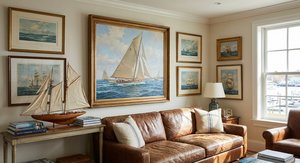
Boats on Canvas: 10 Masterpieces of Maritime Art for Your Home Decor
Sail away with 10 iconic boat paintings! Explore masterpieces by Monet, Van Gogh & Turner. Discover the stories behind these timeless seascapes and find museum-quality art reproductions for your home decor at ArtsDot.com.

The Enduring Legacy of Oil on Canvas: Technique, History & Aesthetic Impact
Explore the rich history & techniques of oil painting – from Renaissance masters to Impressionism. Discover pigments, layering methods, and why this timeless medium endures. Expert insights for artists & art enthusiasts.

Oil on Canvas: A Historical & Technical Exploration of a Timeless Artistic Medium
Explore the rich history & enduring techniques of oil painting on canvas. Discover the science behind its longevity, conservation practices, and contemporary relevance. Expert insights for art enthusiasts.

The Enduring Power of Painting: A Historical & Contemporary Exploration of Form and Emotion
Explore the rich history & enduring techniques of oil painting with ArtsDot. Discover masterpieces, learn about art collecting, and find authentic handmade reproductions crafted by skilled artists.

The Enduring Legacy of Oil on Canvas: Technique, History & Contemporary Practice
Explore the rich history & enduring techniques of oil painting on canvas. Discover the science behind its longevity, conservation practices, and contemporary relevance. Expert insights for art enthusiasts.