 Preview
 Send
Send Share
Share
 Details

 Download
 Similars
 X-Ray
X-Ray Diaporama
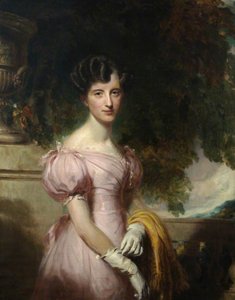
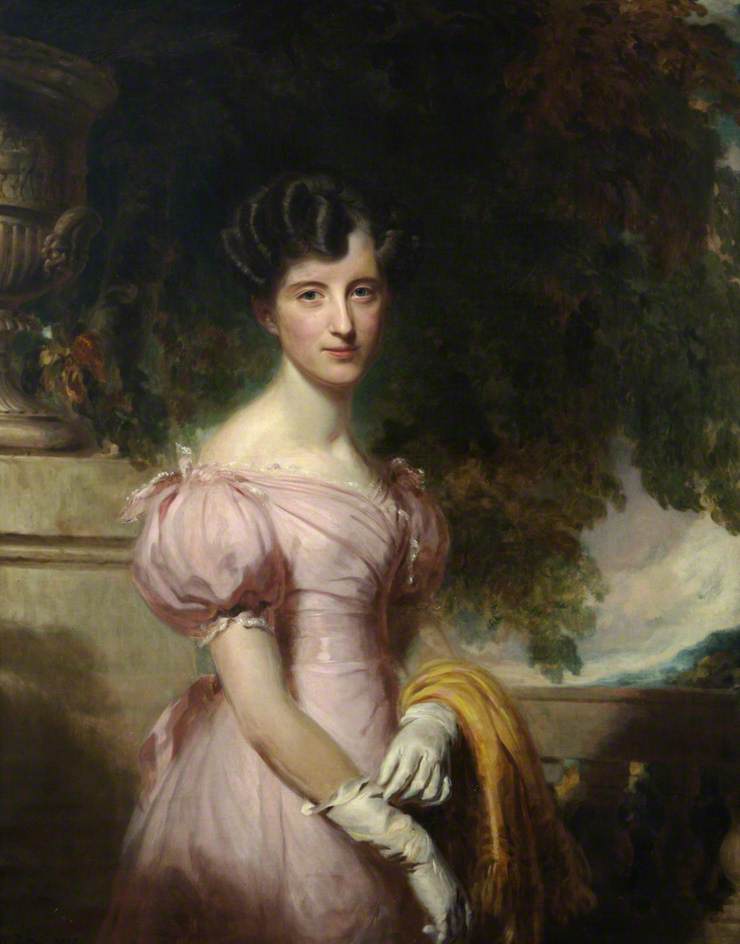
Portrait of a Lady
 1828
1828 109.0 x 87.0 cm
 University of Southampton
 Read More
Hand Made Oil Reproduction
Hand-painted oil on canvas in your size and frame, made to order by our artists. ( Buy Print Buy Image)




































Pick from our preset sizes that match the artwork's original proportions.

You may enter your own dimensions to fit a specific frame or space. If your selected size does not match the original image's proportions, we will either crop the artwork or extend the painting with additional hand-painted elements. A digital mockup will be sent for your approval before production begins.
Please note that the on-screen preview does not reflect the actual cropping or extension. Only the mockup will accurately show the final composition.
While custom sizes are available, we recommend selecting a dimension from the predefined list to preserve the original proportions.
After order, ArtsDot.com team will email client for instructions and provide a mockup preview
Worldwide Delivery () in 3/4 weeks instead of standard 5 weeks. (17 August). No compromise on quality.

Free Worldwide Express Shipping

High-Quality Linen Canvas

Full Shipping Insurance

Customs Tax Refund Guarantee

True Color Matching Guarantee

60-Day Return Policy (Defects Only)

100% Money-Back Guarantee

Bulk Discount Offer
 Glass option is only available in size under 110 CM

Portrait of a Lady
Reproduction Medium
Reproduction Size
-


Total Price
$ 263
Related Artworks
Artist Biography
A Glimpse into Aristocratic England: The Life and Art of William Patten
William Patten, also known as Henry Patten (born 1793, died 1843), remains a fascinating, if somewhat elusive, figure in the landscape of early 19th-century British portraiture. While not enjoying the widespread fame of contemporaries like Lawrence or Raeburn, Patten carved out a niche for himself depicting the gentry and nobility with a refined elegance that speaks volumes about the social sensibilities of his time. His work offers a compelling window into the world he inhabited – a world of stately homes, carefully constructed appearances, and burgeoning industrial wealth. Information regarding Patten’s early life is scarce; however, it's known he established himself as a portrait painter in London, quickly gaining favor amongst a discerning clientele who appreciated his ability to capture not just likeness, but also character and social standing. He wasn’t merely recording faces; he was documenting a way of life.Style and Technique: Elegance and Restraint
Patten's artistic style is characterized by its subtlety and restraint. He eschewed the dramatic flourishes favored by some of his peers, opting instead for a more controlled approach to brushwork and composition. His portraits are typically executed with a smooth, polished finish, emphasizing the textures of fabrics – silks, velvets, and lace – and the delicate features of his sitters. Color palettes tend towards muted tones, creating an atmosphere of quiet dignity and refinement. He possessed a remarkable skill in rendering light, using it to sculpt forms and highlight key details, such as jewelry or the gleam in a subject’s eye. This attention to detail wasn't simply about technical prowess; it was integral to conveying the wealth and status of those he portrayed. His compositions are generally straightforward, often featuring sitters posed against neutral backgrounds, allowing their presence and attire to take center stage. While not overtly innovative, Patten’s technique demonstrates a mastery of traditional portrait conventions, refined through careful observation and skillful execution.Notable Works and Patronage
Although a comprehensive catalogue raisonné of Patten's work remains elusive, several portraits have survived that showcase his talent and the caliber of his patrons. Perhaps one of his most recognized works is the portrait of Sir Edward Banks, a prominent figure in British society. This painting exemplifies Patten’s ability to capture both the physical likeness and the inner character of his subject – Sir Edward appears as a man of authority, intelligence, and quiet confidence. Other portraits attributed to Patten depict members of various aristocratic families, suggesting a network of patronage that extended throughout London's upper echelons. These paintings weren’t simply commissions; they were statements of social identity, carefully curated representations designed to project an image of power, wealth, and lineage. The fact that his works found their way into the collections of such prominent individuals speaks to the esteem in which he was held by his contemporaries.Influences and Historical Context
Patten’s work reflects the broader artistic currents of the early 19th century, particularly the influence of Sir Thomas Lawrence. Like Lawrence, Patten possessed a keen understanding of fashionable society and an ability to create portraits that were both flattering and psychologically insightful. However, Patten's style is generally less flamboyant than Lawrence’s, exhibiting a greater degree of restraint and formality. He also drew inspiration from earlier portrait masters such as Anthony van Dyck, whose elegant compositions and refined brushwork served as models for his own artistic endeavors. The historical context in which Patten worked was one of significant social and economic change. The Industrial Revolution was transforming British society, creating a new class of wealthy industrialists who sought to emulate the lifestyles of the aristocracy. Patten’s portraits reflect this changing landscape, depicting both established families and newly affluent individuals eager to establish their place within the social hierarchy.Legacy and Significance
While William Patten may not be a household name today, his work offers valuable insights into the art and society of early 19th-century Britain. His portraits provide a glimpse into the lives of the gentry and nobility, capturing their appearances, attitudes, and social aspirations.- His refined technique and subtle style demonstrate a mastery of traditional portrait conventions.
- He successfully captured both likeness and character in his depictions of sitters.
- Patten’s work reflects the broader artistic currents of his time, while maintaining a distinct aesthetic sensibility.
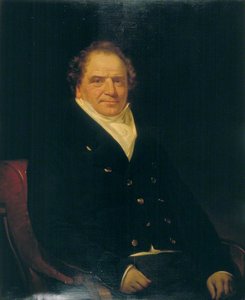
william patten
1793 - 1843
Quick Facts
- Artistic Movement Or Style: Romanticism
- Artists Or Movements Influenced By This Artist: ['Benjamin Haydon']
- Artists Who Influenced This Artist: ['Henry Fuseli']
- Date Of Death: 1843
- Full Name: William Patten
- Nationality: British
- Notable Artworks: ['Sir Edward Banks']
- Place Of Birth: England