



A Tapestry of Time and Tide
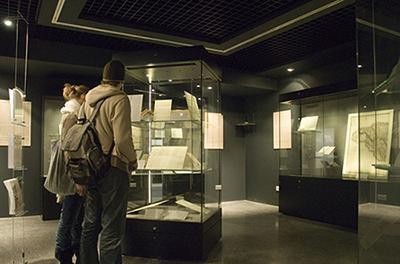
The University of Southampton’s museum is far more than a mere repository for academic artifacts; it is a living, breathing dialogue between the weight of history and the lightness of contemporary thought. Within its walls, the architecture itself performs a silent symphony, where the warmth of weathered brickwork meets the expansive clarity of sun-drenched galleries. Designed to prioritize natural light and open vistas, the space fosters an atmosphere of profound intellectual curiosity, inviting visitors to wander through a landscape where scholarly research and artistic expression are inextricably entwined. It is a sanctuary for those who seek beauty in the intersection of the old and the new, offering a curated experience that transcends the traditional boundaries of a university gallery, making it a destination of immense inspiration for interior designers and art lovers alike.Echoes from the Deep
To step into these galleries is to hear the rhythmic pulse of the ocean. Southampton’s maritime legacy is not merely a subject of study here; it is an embodied presence. The collection delves deep into the city's seafaring soul, presenting artifacts that whisper tales of daring voyages and the relentless ambition of trade winds. Most hauntingly, the museum serves as a poignant custodian of Titanic history. Because Southampton served as the vessel's embarkation point, the exhibits meticulously reconstruct the events leading up to the disaster. From the intricate blueprints illustrating the ship’s construction to the intimate, heartbreaking personal belongings recovered from the wreck, these objects are not mere relics; they are vessels of human emotion. They prompt a deep reflection on resilience and the enduring impact of loss, weaving a narrative of tragedy and triumph that resonates long after one has left the gallery.The Convergence of Innovation and Antiquity
Beyond its maritime anchors, the museum serves as a vibrant stage for the avant-garde, actively championing modern innovation. The curation presents a diverse array of mediums—painting, sculpture, and digital installations—each offering a unique vantage point on pressing social issues and evolving aesthetic trends. This commitment to contemporary discourse ensures that the museum remains a dynamic center for cultural exchange, where local talent meets international perspectives.Yet, this modernity is anchored by the profound weight of the university’s special collections. Within these hallowed halls, one might encounter the delicate beauty of illuminated manuscripts and rare texts penned by historical luminaries. The interplay between the vibrant pigments of ancient calligraphy and the cutting-edge digital art on display creates a unique temporal bridge. It is this seamless continuity of human creativity—the way the past informs the present—that makes the University of Southampton’s collection an essential pilgrimage for any true connoisseur of the arts.