 Preview
 Send
Send Share
Share
 Details

 Download
 Similars
 X-Ray
X-Ray Diaporama
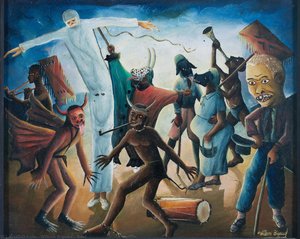
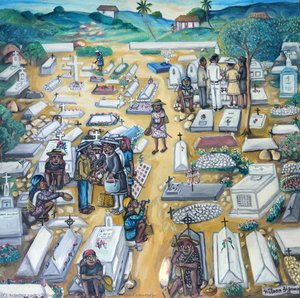
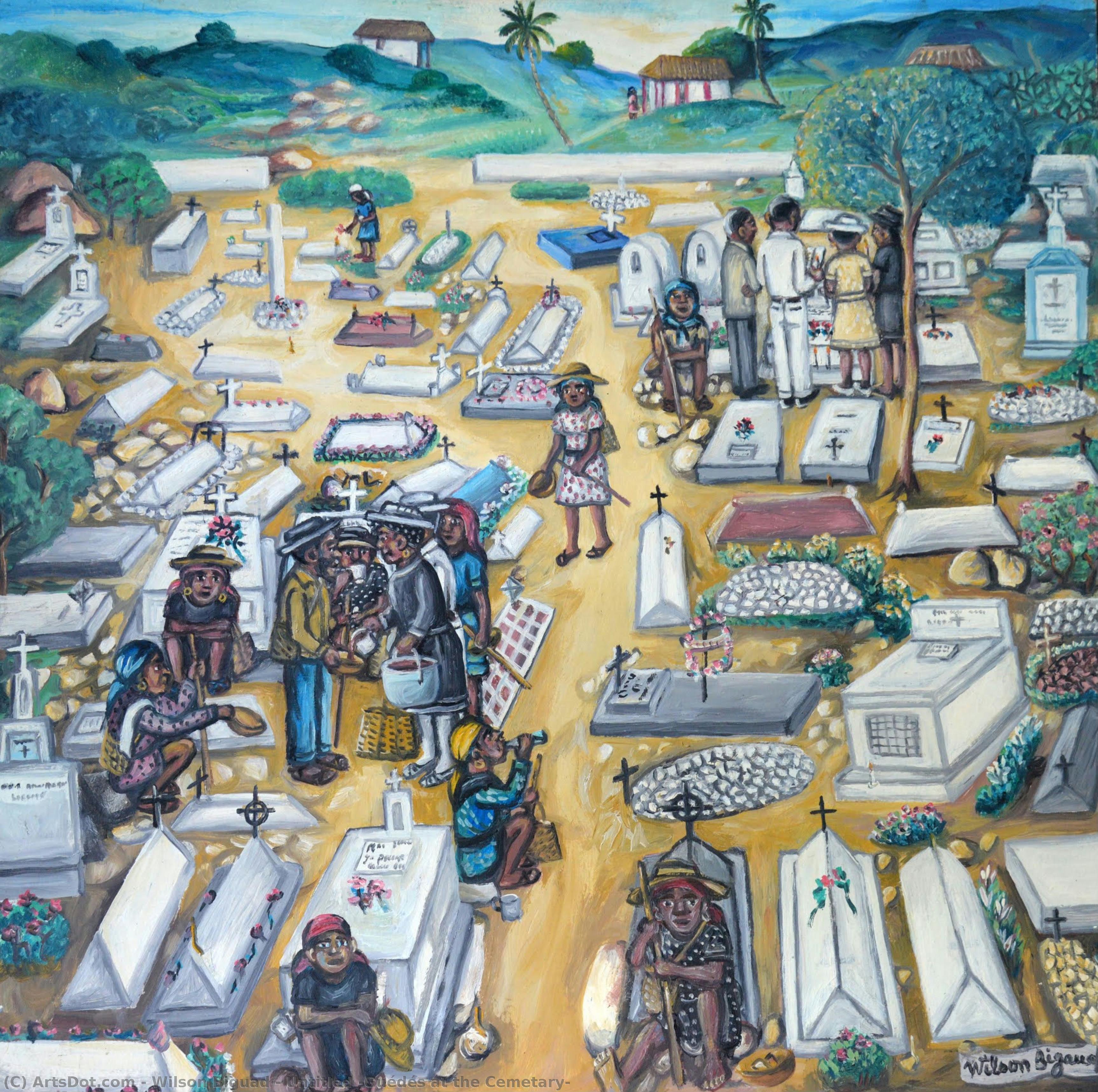
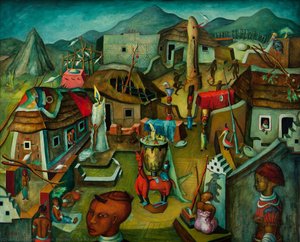
Untitled (Guédés at the Cemetary)


 Read More
Hand Made Oil Reproduction
Hand-painted oil on canvas in your size and frame, made to order by our artists. ( Buy Print Buy Image)




P118B $10

P118H $10

P118W $10

P438Z $10

P508JH $12

P508YH $12

P805H $10

P805Z $10

P919BZ $10

P919G $10

P919XJ $10

P959ZH $10

P968JZ $12

W106C $8

W218G $10

W218JH $8

W218Y $10

W307PJ $10

W316G $10

W316PJ $8

W316Y $10

W398PJ $8

W4111J $10

W500HY $15

W500JH $15

W692G $12

W849H $8

W940BG $15

W953PJ $8




Pick from our preset sizes that match the artwork's original proportions.

You may enter your own dimensions to fit a specific frame or space. If your selected size does not match the original image's proportions, we will either crop the artwork or extend the painting with additional hand-painted elements. A digital mockup will be sent for your approval before production begins.
Please note that the on-screen preview does not reflect the actual cropping or extension. Only the mockup will accurately show the final composition.
While custom sizes are available, we recommend selecting a dimension from the predefined list to preserve the original proportions.
After order, ArtsDot.com team will email client for instructions and provide a mockup preview
Worldwide Delivery () in 3/4 weeks instead of standard 5 weeks. (24 August). No compromise on quality.

Free Worldwide Express Shipping

High-Quality Linen Canvas

Full Shipping Insurance

Customs Tax Refund Guarantee

True Color Matching Guarantee

60-Day Return Policy (Defects Only)

100% Money-Back Guarantee

Bulk Discount Offer
 Glass option is only available in size under 110 CM

Untitled (Guédés at the Cemetary)
Reproduction Medium
Reproduction Size
-


Total Price
$ 263
Artwork Description
A Somber Gathering at the Crossroads of Memory
Wilson Bigaud’s Untitled (Guédés at the Cemetary) transports the viewer into a scene steeped in profound contemplation. This painting is not merely a depiction of stone and shadow; it is an immersion into the collective human experience of remembrance. The composition draws the eye across a crowded, yet deeply personal, gathering within a cemetery setting. One can almost feel the weight of shared history hanging in the humid air, as figures congregate around markers that speak silently of lives lived and memories cherished. Bigaud masterfully captures the interplay between the enduring permanence of the tombstones and the transient nature of human presence.
The Echoes of Haitian Life and Expressionism
Rooted in the vibrant cultural soil of Haiti, Wilson Bigaud’s work is a powerful conduit for Caribbean Expressionism. While his early explorations touched upon sculpture, translating that tactile understanding into paint gives this piece a remarkable sense of grounded reality mixed with spiritual depth. The gathering itself—with its multitude of figures interacting near the fourteen visible tombstones—suggests a community ritual, a moment where the living connect intimately with the departed. Bigaud imbues these scenes not just with color, but with palpable narrative energy, making the viewer question who is speaking to whom, and what stories are being whispered among the gathered souls.
Technique and Emotional Resonance
The technique employed here speaks to a seasoned hand navigating complex emotional terrain. The handling of light across the figures and the varied textures of the cemetery ground suggests an almost documentary realism, yet it is elevated by Bigaud’s signature expressive brushwork. This careful balance prevents the scene from becoming merely ethnographic; instead, it achieves a state of sublime melancholy. For collectors and designers seeking art that anchors a space with intellectual weight, this piece offers depth. It speaks to universal themes—loss, continuity, and community—making it a powerful focal point for any sophisticated interior setting.
Symbolism of the Graveyard
The cemetery in art has always been a potent symbol, representing both an ending and a continuation. In Untitled (Guédés at the Cemetary), the tombstones act as anchors to time, while the clustered figures represent the enduring thread of kinship that binds generations. The somber atmosphere is not one of despair, but rather of profound reflection—a necessary pause in the rush of modern life. Owning this reproduction allows one to bring home a piece of Haitian soulfulness, an artwork that encourages quiet moments of introspection amidst the clamor of daily existence.
Related Artworks



Artist Biography
Wilson Bigaud: A Haitian Visionary Bridging Tradition and Expression
Wilson Bigaud (1931 – 2010) stands as a pivotal figure in Haitian art history, embodying the spirit of Caribbean Expressionism while rooted in the rich cultural heritage of Haiti. Born in Port-au-Prince, his artistic journey began with an early fascination for sculpture, honing skills that would later translate into breathtaking canvases imbued with vibrant color and textural depth. This multifaceted talent cemented his place as one of Haiti’s most celebrated painters.Early Life & Artistic Foundations
Bigaud's formative years witnessed a burgeoning interest in art beyond mere craft—a desire to capture the essence of Haitian life and experience. He initially explored clay sculpting, producing evocative figures that foreshadowed his later stylistic choices. This initial foray into three-dimensional form instilled a profound understanding of materiality and spatial relationships, elements he would skillfully integrate into his paintings. Crucially, Bigaud’s artistic sensibilities were shaped by the influential Haitian art movement spearheaded by Hector Hyppolite, which championed bold hues and a focus on everyday subjects—a stylistic approach that profoundly impacted his oeuvre.Breakthrough Recognition & Artistic Style
Bigaud's career gained momentum in 1950 with a remarkable achievement: second place at the International Exhibit in Washington, D.C., for his painting “Paradise.” This recognition propelled him onto the international stage and established him as a rising talent within Haitian artistic circles. His distinctive style—characterized by luminous colors and meticulous attention to detail—was deeply influenced by Expressionist techniques, particularly those of Edvard Munch and Oskar Kokoschka. However, unlike many European artists of his time, Bigaud remained firmly grounded in Haitian cultural traditions, depicting scenes from daily life with sensitivity and nuance. He skillfully employed thick impasto – applying paint thickly onto the canvas – creating palpable surfaces that conveyed emotion and texture.Notable Works & Artistic Legacy
Perhaps Bigaud’s most enduring contribution to Haitian art is his monumental mural adorning the Holy Trinity Cathedral of Port-au-Prince, depicting the biblical wedding at Cana. This ambitious undertaking exemplifies his mastery of scale and composition while simultaneously conveying a powerful narrative rooted in Christian symbolism. Beyond this iconic piece, Bigaud's paintings explore themes of spirituality, social commentary, and Haitian identity with unwavering conviction. His artwork is prominently displayed at the National Museum of Haiti, ensuring that his vision continues to inspire future generations of artists. Furthermore, pieces like “Paradise” and “Untitled (Guédés at the Cemetary)” exemplify his ability to distill complex emotions into visually arresting images—a testament to his artistic genius.Recognition & Continued Influence
Wilson Bigaud’s legacy extends beyond Haiti's borders; his work has garnered acclaim in international museums, including Buffalo AKG Art Museum and The President Woodrow Wilson House. His enduring influence can be seen in the stylistic choices of contemporary Haitian artists who honor his pioneering spirit and unwavering commitment to artistic expression. He remains a beacon of Haitian art, reminding us that beauty resides not only in technical skill but also in conveying profound human experience.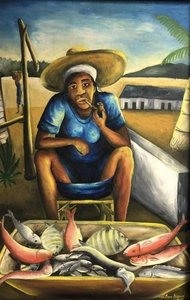
wilson biguad
1931 - 2010 , Haiti
Quick Facts
- Artistic Movement Or Style: Caribbean art; Haitian Expressionist
- Artists Or Movements Influenced By This Artist: ['African Expressionism']
- Artists Who Influenced This Artist: ['Hector Hyppolite']
- Date Of Birth: 1931
- Full Name: wilson bigaud
- Nationality: Haitian
- Notable Artworks:
- Paradise
- Section Chief
- Dejeuner
- Place Of Birth: Port-au-prince, Haiti
Related Articles

The Enduring Legacy of Oil on Canvas: Technique, History & Aesthetic Impact
Explore the rich history & techniques of oil painting – from Renaissance masters to Impressionism. Discover pigments, layering methods, and why this timeless medium endures. Expert insights for artists & art enthusiasts.

Oil on Canvas: A Historical & Technical Exploration of a Timeless Artistic Medium
Explore the rich history & enduring techniques of oil painting on canvas. Discover the science behind its longevity, conservation practices, and contemporary relevance. Expert insights for art enthusiasts.

The Enduring Power of Painting: A Historical & Contemporary Exploration of Form and Emotion
Explore the rich history & enduring techniques of oil painting with ArtsDot. Discover masterpieces, learn about art collecting, and find authentic handmade reproductions crafted by skilled artists.

The Enduring Legacy of Oil on Canvas: Technique, History & Contemporary Practice
Explore the rich history & enduring techniques of oil painting on canvas. Discover the science behind its longevity, conservation practices, and contemporary relevance. Expert insights for art enthusiasts.
Oil on Board Masters: 10 Paintings That Redefined Art | ArtsDot
Explore 10 legendary 'Oil on Board' masterpieces by Van Gogh, Monet & more! Discover art history, iconic styles like Impressionism, and find museum-quality reproductions to elevate your home decor. Explore the full collection online at ArtsDot.com.