

 Preview
 Send
Send Share
Share
 Details

 Download
 Similars
 X-Ray
X-Ray Diaporama
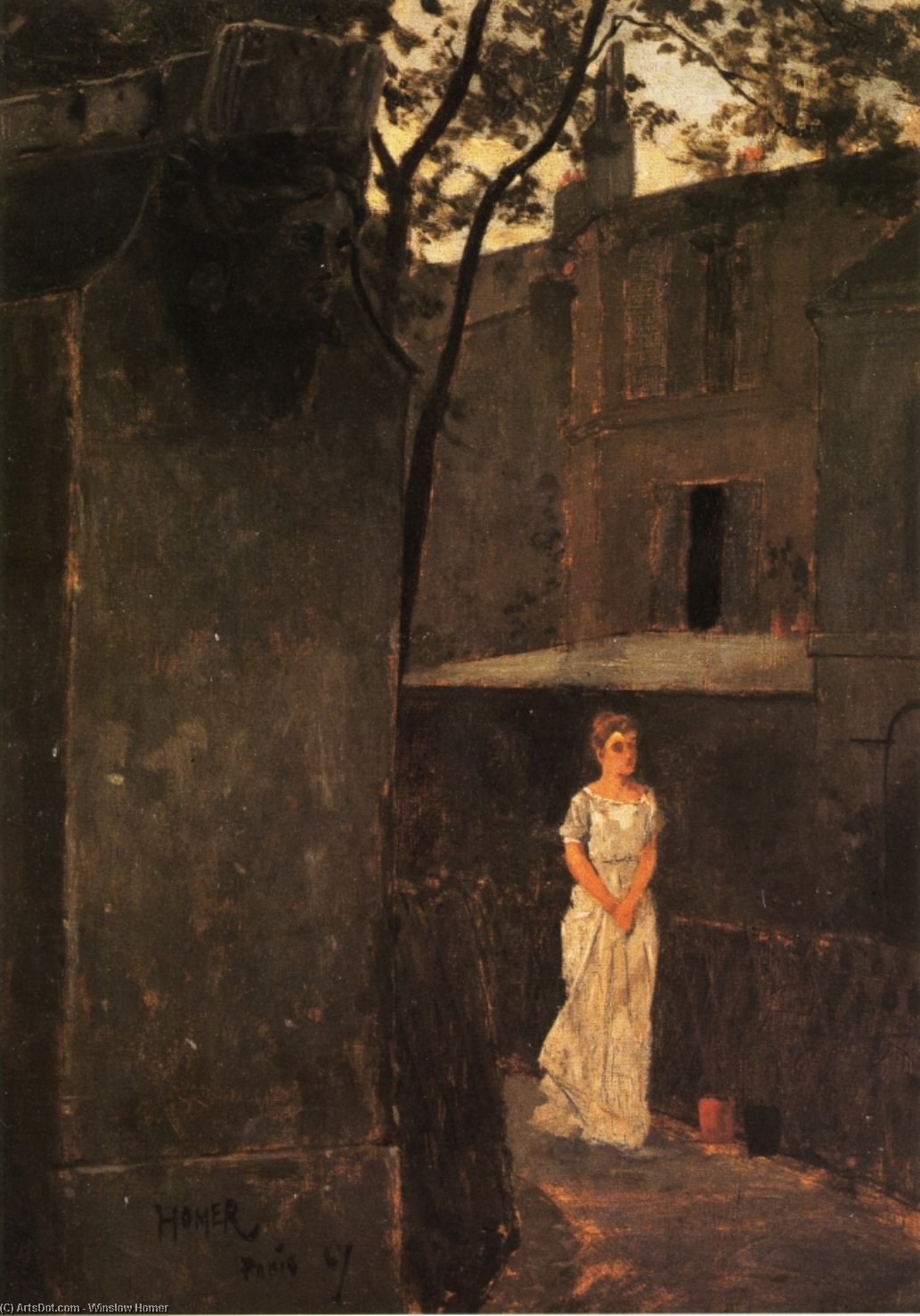
Paris Courtyard


 Read More
Purchase a high-resolution, enhanced digital image, far superior to the online preview.
Each file is meticulously prepared by our in-house specialists using advanced tools and expert manual retouching. We ensure every image has exceptional clarity, precise color accuracy, and fine detail.
The final file is delivered via email within 72 hours, optimized for immediate use in professional, editorial, and print environments. This is the same quality trusted by top-tier design studios, publishers, and galleries.
Digital Image
Download a high-resolution file for personal display, printing, and creative projects. ( Buy Print Buy Hand Made Painting)
Included in Every Digital Image Order
Expert Digital Delivery, Guaranteed
When you choose ArtsDot.com, you're not just getting an image - you're receiving a professionally enhanced digital artwork, crafted with precision and backed by a satisfaction guarantee. Here's everything that comes with your order, automatically:

Fast Email Delivery
Your high-resolution digital image file will be emailed to you within 72 hours of ordering - ready for immediate use.

AI-Enhanced Digital File
Your artwork is professionally optimized using advanced AI tools and manual editing, ensuring maximum detail, clarity, and color accuracy.

Free Lifetime Re-Delivery
Accidentally deleted or lost your file? No worries - we'll resend it to you anytime, free of charge.

No Import Fees - Ever
Enjoy your artwork instantly with zero customs, duties, or delivery fees - digital downloads are always tax-free.

Color Accuracy Guarantee
We ensure your digital image reflects the original colors as closely as possible using professional tools and color management.

60-Day Satisfaction Guarantee
If you're not satisfied with your digital image, we'll revise it or refund 100% within 60 days - no questions asked.

100% Money-Back Guarantee
Not satisfied? Get a full refund within 60 days of receiving your digital file - no questions asked.

Bulk Order Discounts
Buy 3 images, save 10% - Buy 5, save 15% - Buy 10+, save 20%. Great for creative projects, galleries, and agencies.
Collectible Description
A Moment Suspended in Time: Winslow Homer’s *Paris Courtyard* (1867)
Winslow Homer's *Paris Courtyard*, housed at the Maier Museum of Art at Randolph College, offers a captivating glimpse into 19th-century Parisian life. Painted in 1867, this oil on canvas transcends a simple street scene; it’s a study in quiet contemplation and atmospheric realism, revealing a pivotal moment in Homer's artistic development as he honed his skills while working abroad as an illustrator for *Harper’s Weekly*.Subject & Composition: An Intimate Encounter
The painting centers on a solitary woman positioned within a narrow courtyard. She stands before a weathered stone building, her gaze directed downwards – lost in thought or perhaps observing something just beyond the frame. The composition is deliberately constrained by the surrounding architecture; high walls and limited sky create a sense of enclosure, drawing attention to the figure and intensifying the feeling of introspection. Background figures suggest a bustling city life continuing around her, yet she remains detached, creating a poignant contrast between public space and private reverie. A clock visible on the building subtly emphasizes the passage of time, adding another layer of narrative depth.Style & Technique: Embracing Realism
*Paris Courtyard* exemplifies Homer’s emerging mastery of realism. While not yet fully embracing the bold brushwork that would characterize his later seascapes, the painting demonstrates a keen eye for detail and an ability to capture the textures of stone, fabric, and light. The artist employs a muted palette dominated by browns, grays, and ochres, reflecting the somber tones of the Parisian cityscape. Visible brushstrokes contribute to the work’s sense of immediacy and authenticity, while careful attention to light and shadow creates depth and dimensionality. This technique foreshadows his later explorations of atmospheric effects.Historical Context: Paris in Transition
1867 was a period of significant transformation for Paris under Napoleon III's ambitious urban renewal project led by Baron Haussmann. While Homer doesn’t explicitly depict the grand boulevards and modern architecture associated with this renovation, *Paris Courtyard* offers a glimpse into the older, more intimate corners of the city that were rapidly disappearing. The painting captures a moment before complete modernization, preserving a sense of historical continuity amidst change. Homer's time in Paris was crucial for his development as an artist; he absorbed European artistic trends while maintaining his distinctly American perspective.Symbolism & Emotional Impact: A Study in Solitude
The painting’s power lies in its subtle symbolism and emotional resonance. The woman’s downward gaze and isolated position evoke feelings of melancholy, longing, or quiet contemplation. The courtyard itself can be interpreted as a metaphor for the complexities of urban life – a space both confining and connecting. The overall mood is one of understated drama, inviting viewers to project their own emotions onto the scene and contemplate the universal themes of solitude, memory, and the passage of time.Winslow Homer: A Legacy of American Art
Winslow Homer (1836-1910) remains one of America’s most beloved artists. Beyond *Paris Courtyard*, his prolific career produced iconic works such as Girl with Pitchfork (Phillips Collection) and The Studio (Metropolitan Museum of Art), demonstrating his versatility across genres. Other notable pieces include The Morning Bell. His ability to capture the essence of American life, from rural landscapes to dramatic marine scenes, cemented his place in art history.Collecting & Reproduction
For those seeking to bring a touch of 19th-century elegance and artistic depth into their homes, high-quality handmade oil painting reproductions of *Paris Courtyard* are available. This allows art enthusiasts to appreciate Homer’s masterful technique and evocative imagery firsthand. The painting's subdued palette and intimate scale make it a versatile addition to various interior design schemes, lending sophistication and quiet contemplation to any space.- Explore more of Winslow Homer’s work at ArtsDot.com.
- Discover related artworks and artists on the ArtsDot platform.
Related Artworks
Artist Biography
A Brush with the American Spirit: The Life and Art of Winslow Homer
Winslow Homer, born in Boston in 1836, wasn’t sculpted by the traditional European art academies that shaped so many of his contemporaries. Instead, he emerged from a distinctly American experience, one rooted in practicality and observation. His journey began not with grand historical canvases, but as a commercial illustrator at the tender age of twelve for Harper's Weekly. This early apprenticeship was formative, honing an exceptional ability to capture scenes with clarity and detail – skills that would become hallmarks of his mature work. He wasn’t learning perspective in Paris; he was learning to *see* America, its people, and its unfolding story. The bustling streets of Boston, the quiet dignity of rural New England life, these were his first subjects, rendered with a precision born of necessity for the demands of print media. This foundation allowed him to transition into painting, initially in watercolor, before fully embracing the expressive potential of oil paints.From Pastoral Scenes to the Raw Power of Nature
Homer’s early paintings often depicted idyllic scenes – children playing, farmers tending their fields, quiet moments of domesticity. These works, while charming, hinted at a deeper artistic sensibility waiting to be unleashed. The catalyst for this transformation was undoubtedly the Civil War. As a war correspondent for Harper's Weekly, Homer witnessed firsthand the brutal realities of conflict. He didn’t focus on heroic battles or grand strategies; instead, he documented the everyday lives of soldiers and civilians, the quiet moments of grief and resilience amidst chaos. This experience profoundly altered his artistic vision. The pastoral scenes gave way to more challenging subjects: veterans grappling with trauma, freed slaves navigating a new world, and the stark beauty of landscapes touched by hardship. He began to explore themes of struggle, isolation, and humanity’s precarious relationship with nature – themes that would dominate his most powerful works. His style also evolved, becoming bolder and more direct, reflecting the raw emotional impact of what he had witnessed.Mastering Light, Texture, and the American Landscape
Winslow Homer's artistic technique is immediately recognizable for its solidity and texture. He wasn’t interested in fleeting impressions; he wanted to build up a sense of tangible reality on the canvas. His oil paintings are characterized by a direct painting approach – layers of paint applied with confidence, creating depth and luminosity. He possessed an extraordinary ability to capture light, whether it was the dazzling glare of the sun on the ocean or the soft glow of twilight over a rural landscape. This mastery extended to his watercolors, where he achieved remarkable atmospheric effects through vibrant colors and delicate washes. Breezing Up (A Fair Wind), painted in 1876, exemplifies this skill – a quintessential depiction of American maritime life, brimming with energy and movement. The Gulf Stream, created decades later, is perhaps his most iconic work, a powerful and symbolic portrayal of a lone man battling the forces of nature, a metaphor for human struggle against overwhelming odds. He wasn’t simply painting what he saw; he was conveying a feeling, an emotional truth about the human condition.A Legacy Forged in American Realism
While Homer admired European artists like those of the Barbizon school – known for their realistic depictions of rural life – and acknowledged influences from Courbet and Millet, he ultimately forged his own distinctly American path. He rejected the prevailing academic conventions and instead focused on capturing the unique spirit of his country. His legacy lies in his ability to depict America with honesty and authenticity, without romanticizing or idealizing it. He wasn’t interested in imitating European styles; he wanted to create an art that was uniquely American, reflecting its landscapes, its people, and its challenges. Innocence, a poignant portrayal of childhood set against the backdrop of nature, and Man of Science, demonstrating his skill in capturing human psychology, are testaments to this commitment. His influence can be seen in the work of later American painters who sought to depict their own country with similar directness and emotional depth.A Lasting Impression: Homer’s Historical Significance
Winslow Homer's art offers a profound window into 19th-century America, providing invaluable insights into the social, political, and cultural landscape of his time. His paintings are not merely beautiful representations; they are powerful statements about human resilience, the beauty and power of nature, and the complexities of the American experience. He died in 1910, leaving behind a prolific body of work that continues to resonate with audiences today. His ability to capture the essence of a nation undergoing rapid change – from the aftermath of civil war to the dawn of a new century – ensures his place as one of America’s most important and enduring artists. He wasn't just painting pictures; he was documenting a moment in time, preserving it for generations to come.- His work continues to inspire contemporary artists.
- Homer remains a pivotal figure in the development of American Realism.
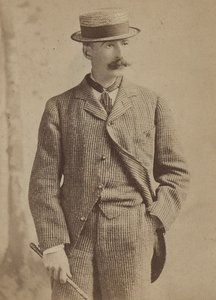
Winslow Homer
1836 - 1910 , United States of America
Quick Facts
- Artistic Movement Or Style: American Realism
- Artists Or Movements Influenced By This Artist: ['American painters']
- Artists Who Influenced This Artist:
- Barbizon school
- Courbet
- Millet
- Date Of Birth: October 3, 1836
- Date Of Death: 1910
- Full Name: Winslow Homer
- Nationality: American
- Notable Artworks:
- Breezing Up
- The Gulf Stream
- Innocence
- Man of Science
- Place Of Birth: Boston, USA

